Does Massage Help Constipation in Cats? Vet-Verified Facts & Treatments


In this article
Constipation in cats is not that uncommon, but that doesn't mean it should be treated lightly. Massage therapy is among the remedies that have been evaluated in numerous clinical studies—in humans.1 But does it truly help with constipation in cats? It may be beneficial, but without the supervision of a qualified veterinarian, you should not attempt to massage your cat to alleviate constipation. There are various alternative methods that you can try at home to help your feline companion.
Read on as we examine the facts, treatments, and expert advice from veterinarians to solve this common problem among our four-legged friends.

What Is Constipation in Cats?
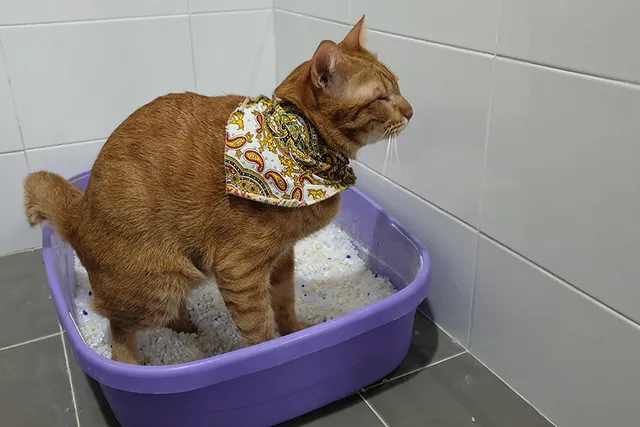
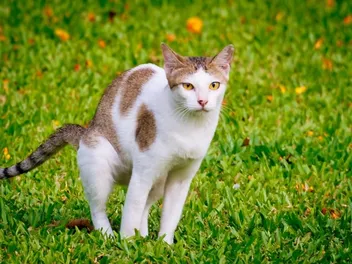
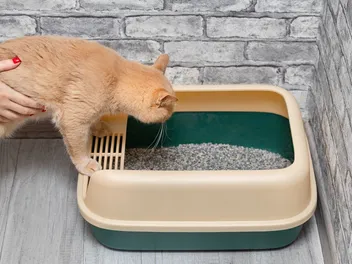
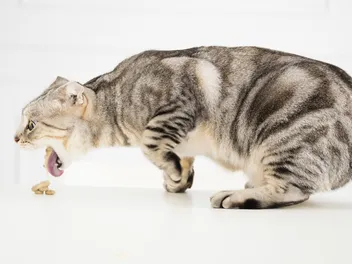
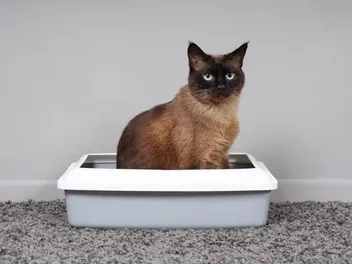
Constipation in cats happens when they have trouble passing stool regularly. This can make your cat uncomfortable, leading to signs like straining in the litter box, loss of appetite, tiredness, and sometimes even vomiting. Several factors can cause constipation in cats, such as not drinking enough water, dietary issues, lack of exercise, hairballs, and certain medical conditions.
If your cat is pooping less often than usual and seems to struggle when doing so, they may be constipated. While sometimes it's a minor issue that goes away on its own, it can also become serious if not treated. However, before trying any home remedies, take your cat to the vet to rule out any health problems or underlying issues.

Can Massage Help Cats With Constipation?
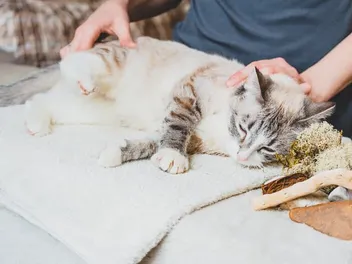
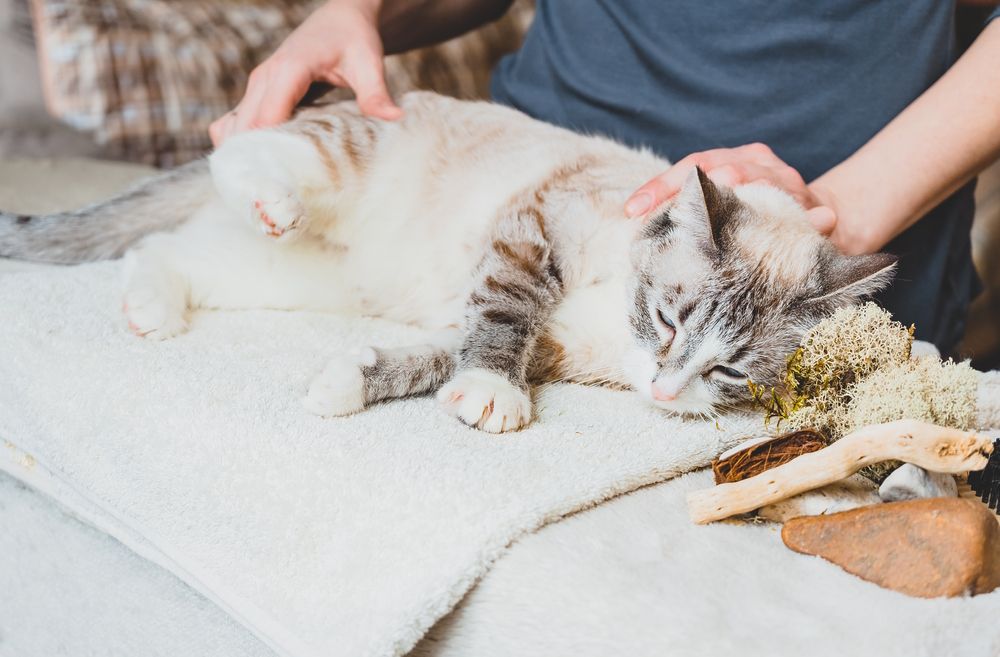
When used in conjunction with traditional veterinary medicine, massage therapy has the potential to be an effective remedy for cat health issues, including constipation. However, massage therapy should be performed by a certified veterinary massage therapist. It is not something you should do at home without vet approval or instruction.
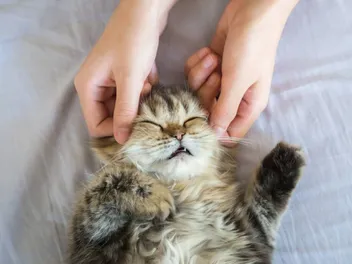
So, how can massage help with cat constipation? Massage therapy works to stimulate bowel movements and relieve discomfort through gentle manipulation of the abdominal area. Indeed, abdominal massage in humans appears to “encourage peristalsis, decrease colonic transit time, increase the frequency of bowel movements in constipated patients, and reduce the discomfort and pain of chronic constipation.”2
While some pet owners swear by the effectiveness of massage in relieving their cat's constipation, scientific evidence supporting this claim is limited. However, massage can still offer benefits by promoting relaxation, reducing stress, and improving circulation, which may indirectly help alleviate constipation in certain cases.
Massage affects the nervous system in a similar way to acupuncture. Both techniques are considered non-invasive ways to adjust nervous system activity, which may be beneficial for treating chronic constipation. Some experts even suggest trying these methods before considering surgery in severe cases of cat constipation.
However, although massaging the abdomen can help remove stools accumulated in the intestines, your veterinarian must first provide a complete diagnosis and recommend treatments tailored to your pet's needs.
Therefore, if you would like to learn more about massage techniques to relieve your cat's constipation, it is strongly recommended that you discuss them first with your vet.
Treatments for Constipation in Cats
Here are common and non-invasive approaches often recommended by veterinarians:
- Change your cat's diet. Make sure your cat's meals include enough fiber to promote regular bowel movements. But before making any dietary changes, consult your vet, who can recommend high-fiber foods or supplements tailored to your pet’s needs.
- Make sure your cat drinks enough water. Hydration is essential to facilitate the transit of your feline friend's poop. But since cats are generally more attracted to running water than standing water, you may consider purchasing a cat fountain to encourage them to drink more water.
- Talk to your vet about laxatives or stool softeners. In some cases, your veterinarian may prescribe laxatives to make bowel movements easier, but you should use them only under their direction to avoid possible side effects or complications.
- Minimize stress in your household. Cats can easily become stressed when their routines are disrupted.
- Keep their litter boxes spotless. If you have several cats, make sure you have at least one litter box per animal, plus an extra and clean them regularly.
- Get them moving. Make sure your cat has plenty of opportunities to exercise by playing, chasing, and jumping as they please. Inactive and overweight cats may be at higher risk of developing constipation.
Other Tips to Improve Your Cat’s Digestion
Aside from addressing constipation directly, promoting overall digestive health is essential for your cat's well-being. Here are six tips to help improve digestion:
- Feed them small but frequent meals. Instead of serving large meals, divide your cat's daily food intake into smaller, more frequent meals throughout the day. This can help prevent overeating and promote better digestion.
- Incorporate slow feeding. Consider using puzzle feeders or slow feeder bowls to encourage your cat to eat more slowly. This prevents gulping, which can lead to digestive upset, and provides mental stimulation.
- Monitor portion sizes. Avoid overfeeding your cat, as obesity can contribute to digestive (as well as other) Follow the feeding guidelines provided by your veterinarian, and adjust portion sizes based on your cat's age, weight, and activity level.
- Work on hairball prevention. Regular grooming can help prevent the formation of hairballs, which can cause digestive discomfort. Brush your cat regularly to remove loose fur and reduce the risk of hairball-related issues.
- Add probiotics to their diet. Consider adding probiotic supplements to your cat's diet to promote a healthy gut microbiome. Probiotics can help maintain digestive balance and support overall gastrointestinal health. Speak to your veterinarian to get their recommendations.

Wrapping Up
Although massage may offer some relief to cats with chronic constipation, you should not attempt massage techniques without the supervision of a qualified veterinarian. Indeed, constipation in cats can arise from various underlying factors, and treatments will vary accordingly.
Sources
Featured Image Credit: Ekaterina Kuzovkova, Shutterstock
Expert cat care, straight to your inbox
News, insights, and useful advice, delivered to you.

No spam — unsubscribe anytime.
By signing up, you agree to our Terms & Conditions and Privacy & Cookies Policy.
How useful was this post?
Click a star to rate. You can leave written feedback afterwards. (We read all feedback.)
Genevieve is both a biologist and a science writer, driven by her deep love for capuchin monkeys, pumas, and kangaroos. Her dedication to wildlife has taken her across the globe, from Bolivia and Guatemala to Canada and Australia, working and volunteering at various rehabilitation centers. As a Canadian living in Argentina, Genevieve starts her days with horses and cows greeting her from the plains outside her home office. She is the proud parent of three rescued dogs—Lemmy, Nala, and Pochi—and an energetic kitten named Furiosa. The opportunity to share her passion and expertise in animal care brings her great satisfaction.