How Do Siamese Kittens Get Their Color? Vet-Verified Facts & Info


The Siamese breed is sweet, talkative, intelligent, and a pleasure to own. These cats are also famous for their distinctive coloring. In fact, there are four genetically recognized point colors, but depending on the registry, selective breeding programs, and whether you include related breeds like the Colorpoint Shorthair, you may see 20 to 30+ different color variations described.
Many Siamese owners wonder what determines the color of their cats. Specifically, how do Siamese kittens get their color? Do their colors change? When do they get their color?
To answer one question, Siamese kittens get their coat color from the Himalayan gene that they have. We answer the other questions and more here, so read on!

How Do Siamese Kittens Get Their Color?
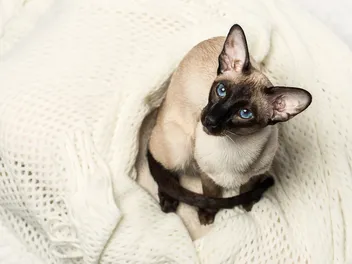
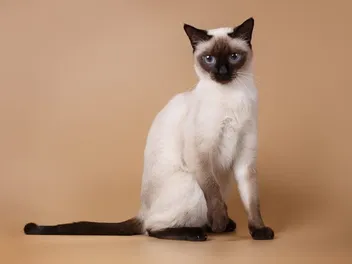
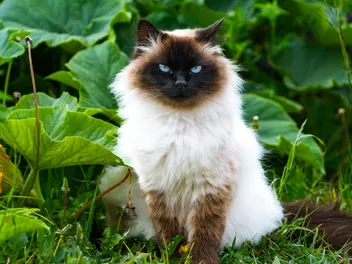
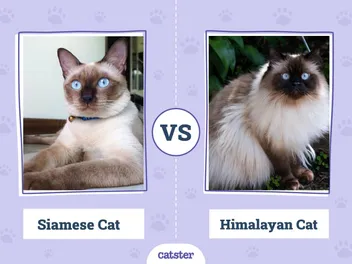
The Siamese breed has a gene that causes the colors that you find in them. It’s called the Himalayan gene, and it causes something called temperature-reactive albinism. This changes the color of the kitten based on their local body temperature.
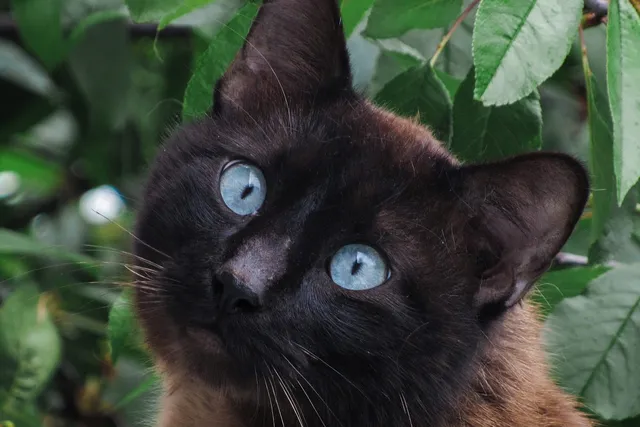
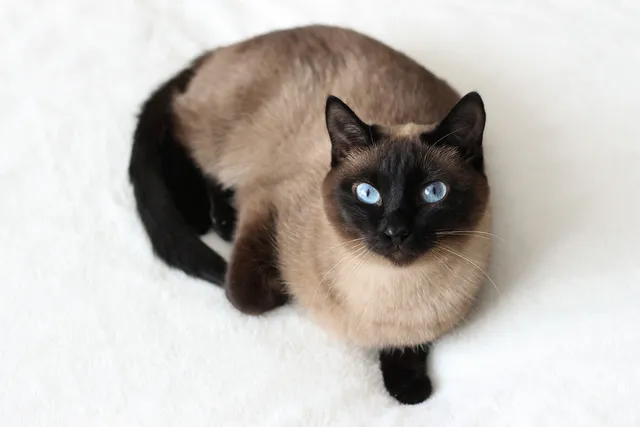
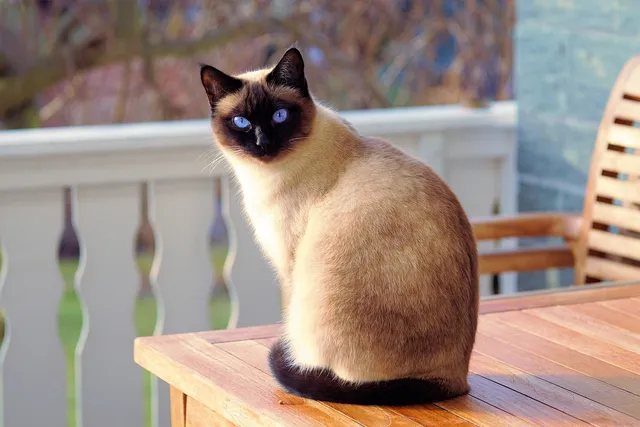
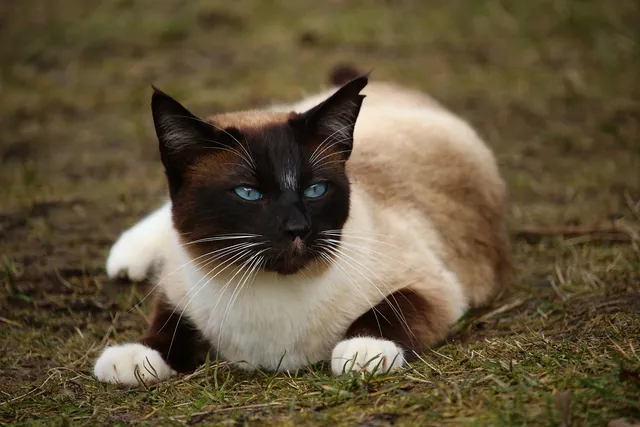
The fur in the cooler parts of the kitten’s body will be darker than the fur in the warmer regions. The darker parts are called color points and include seal, chocolate, blue, and lilac points. Other variations, such as lynx points, red points, tortie points, and cinnamon points, exist but were developed through selective breeding.

When Do Siamese Kittens Get Their Color?
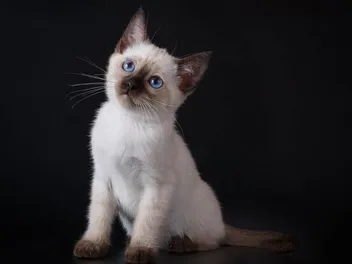
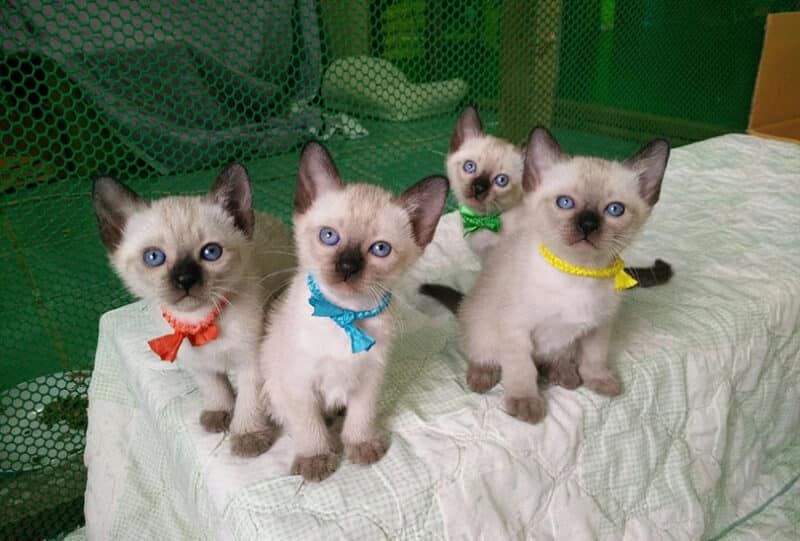
All Siamese are born with a white or cream-colored coat because they’ve just spent 9 weeks in a warm womb. You should see your kitten’s white color gradually begin to change when they’re about a week old. You’ll also start to notice dark points on certain areas of their fur at this time because their body temperature starts to drop, enabling color changes to occur. This is when you’ll begin to see color points on the cat’s legs, face, tail, and ears.
What Are the Siamese Point Colors?
Your furry friend’s points will become darker as the cat matures, and changes in shade can be influenced by ambient temperature. This color is determined by genetics and can result in four natural shades. These are chocolate, blue, seal, and lilac point.
There are also point colors that have been developed in specific breeding programs. These can include cinnamon, fawn, lynx, caramel, tabby, white, red (also called flame), tortie, apricot, and cream.


What Are Other Causes of Color Changes?
Genetics and a unique gene aren’t the only things that lead to color changes in the Siamese breed.
1. Seasonal Changes
Siamese cats' colors change with the seasons. If you live in a hot climate, you may notice that your furry friend’s fur is a lighter shade when they shed their winter coat for the spring. Once the fall season arrives and your cat grows their winter coat, the fur will be a darker color.
2. Other Reasons for Color Changes
There are a few other causes of color changing in your Siamese.
- Nutrient deficiencies
- The effects of the sun
- Certain health conditions
- Old age
- Changes in body temperature
If you think your Siamese cat is changing colors abnormally, it’s best to make an appointment with a vet for diagnosis and treatment. Although they change color with the seasons, certain health conditions and nutritional problems will cause the same reaction, which could be dangerous to your feline and should be addressed promptly.
Is It Possible for a Siamese Cat to Be Black?
A Siamese cat is genetically capable of producing a solid black in siamese called seal, coat, but the Himalayan gene restricts pigment production to cooler body regions. This is why Siamese cats have darker points instead of a full black coat.
Are All Siamese Cat Colors Recognized?
While there are many point color variations in Siamese-type cats, not all of them are recognized as true Siamese by major registries such as CFA. Here is a list of the most common color variations and whether they are CFA recognized:
- Blue point: Light grey to slate blue — Yes
- Lilac point: Light lilac with pink undertones — Yes
- Seal point: Dark brown to black — Yes
- Chocolate point: Milk-chocolate brown — Yes
- Fawn point: Pale brown with hints of pink — No
- Caramel point: Creamy brown with dark pinkish-grey — No
- Cinnamon point: Warm orangish brown — No
- Flame point: Cream to light orange — No
- Tortie point: Bi-color with various patterns — No
- Apricot point: Very pale orange — No
- Cream point: Pale cream to light orange — No

Are Blue Eyes the Norm for Siamese Cats?
Yes, blue eyes are the norm for this cat breed and are one of the breed’s most striking features. Most cats have blue eyes when they are born; then, the eyes change as the kittens reach adulthood. The gene that accounts for their coat color also limits pigment in the iris, which is why Siamese retain their vivid blue eyes throughout life, making them even more stunning.
With their blue eyes, striking features, and different color patterns, it’s no wonder this cat is such a popular breed.
Final Thoughts
Siamese kittens are born white or cream. You’ll start to see changes in their color after they are a week old. There are a few factors that contribute to the color changes that you see in your furry friend, especially genetics and temperature sensitivity of the Himalayan gene, along with age and health. Remember, if the color changes seem abnormal, it’s best to contact a vet.
If you’re considering purchasing or adopting a Siamese cat, make sure you’re ready to care for a remarkably talkative feline. If you’re ready for that responsibility, giving a Siamese kitten a forever home will reward you with love and companionship for many years.
Sources
Featured Image Credit: Atiput Wongyim, Shutterstock
Expert cat care, straight to your inbox
News, insights, and useful advice, delivered to you.

No spam — unsubscribe anytime.
By signing up, you agree to our Terms & Conditions and Privacy & Cookies Policy.
How useful was this post?
Click a star to rate. You can leave written feedback afterwards. (We read all feedback.)
Patricia is a pet writer and lifelong animal lover. She has two cats (Binx and Link) and one dog (Mystery). Binx was found as a kitten under her house and has been part of the family ever since! Patricia is also a published author under the pen name Skylar McKinzie. When she isn’t writing, Patricia enjoys volunteering at her local animal rescue.