Caterwauling: What Is It & Why Do Cats Do It? 5 Vet-Reviewed Reasons for This Behavior


In this article
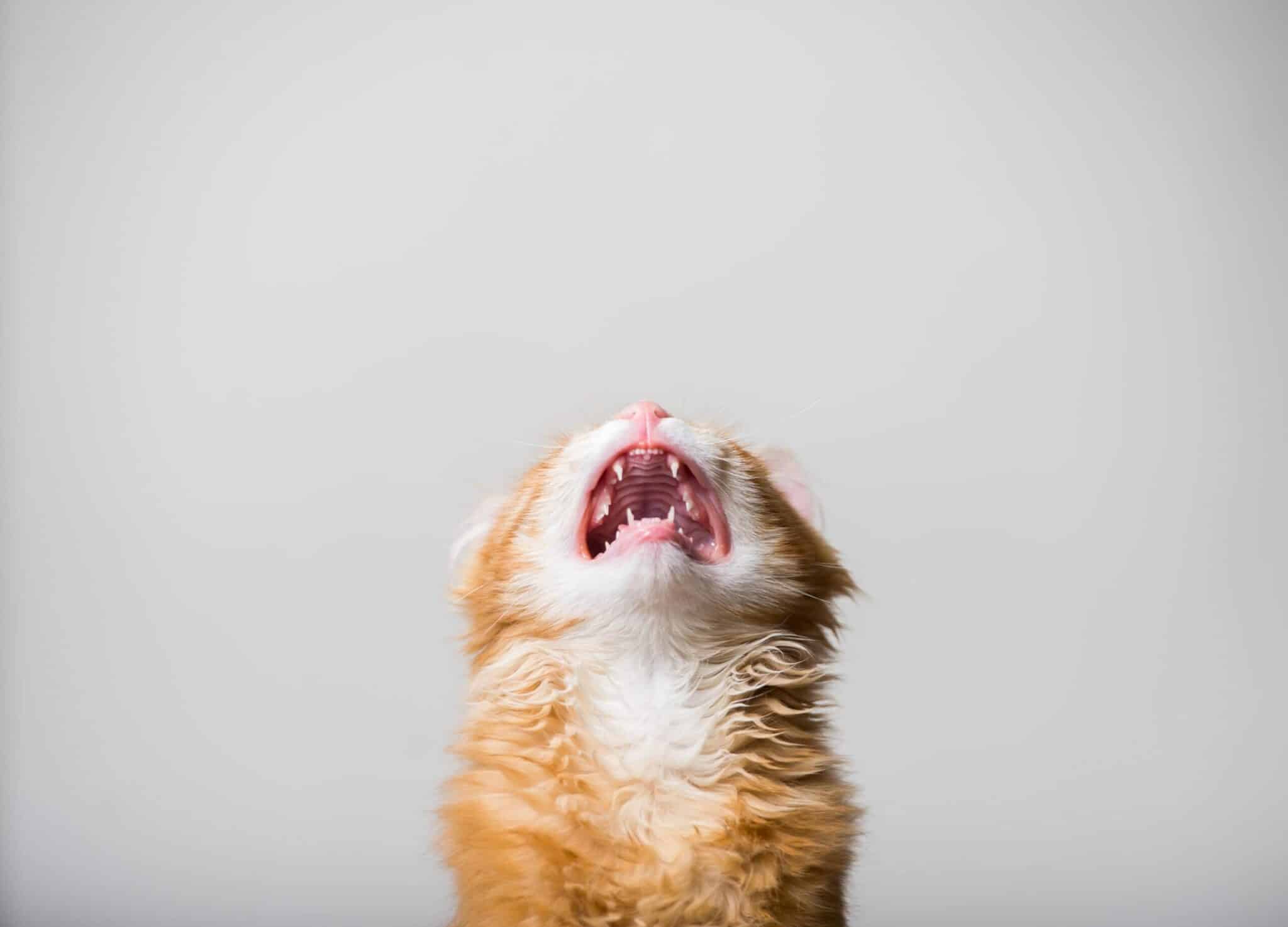
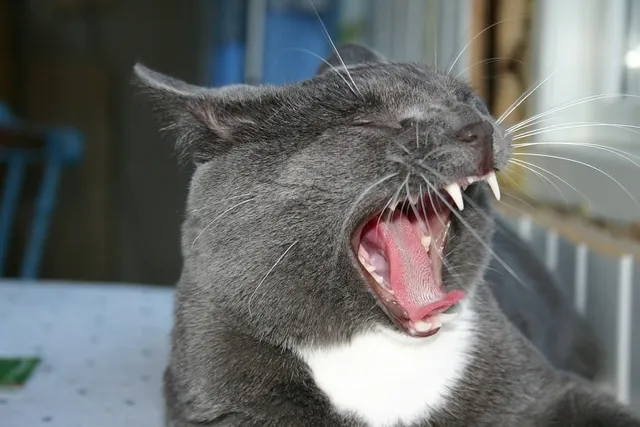
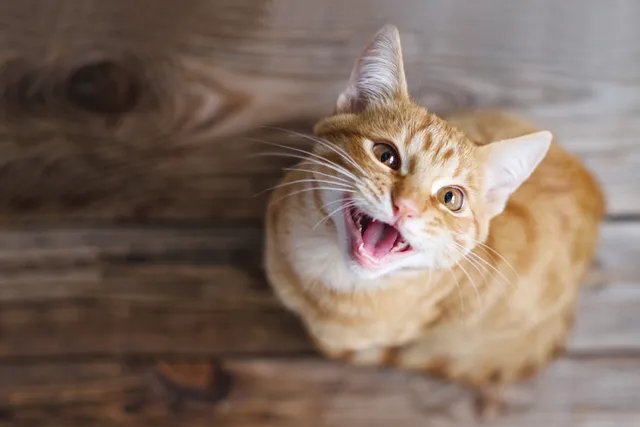
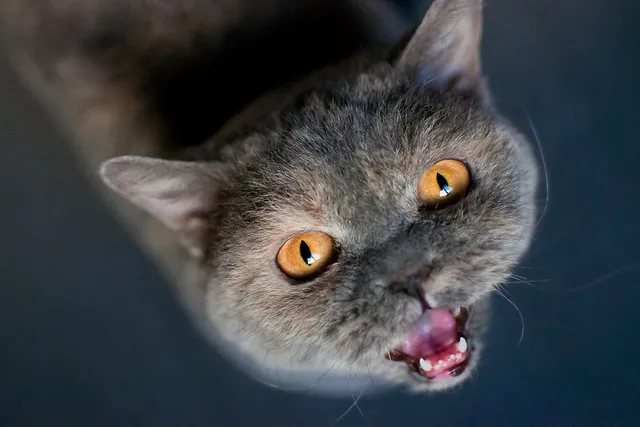
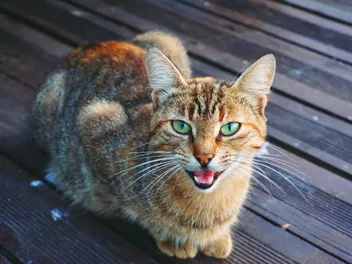
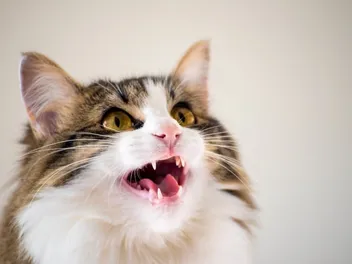
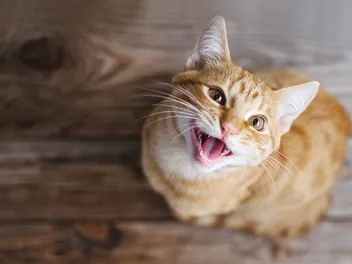
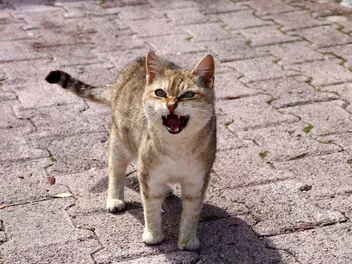
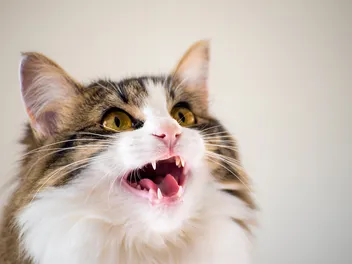
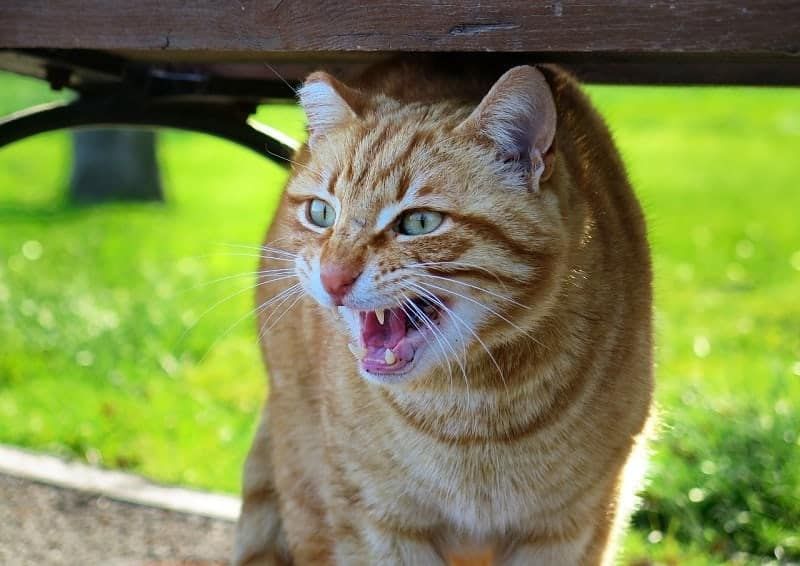
Most people are pretty familiar with a cat's average meow. However, a cat's high-pitched yowl is significantly different. This yowl is usually referred to as caterwauling. While meows can occur for all sorts of reasons, caterwauling usually has a particular purpose.
In this article, we'll look at some of these specific reasons. Some of them can signal a need for a vet visit, so it is essential to determine the reason behind your cat's vocalization.

What Does Caterwauling Sound Like?
It isn't easy to describe the sound of caterwauling. It is one of those things that you know when you hear it. It's a cross between a yowl and a whine. Some cats sound like they're trying to howl when they do it. The specifics of the sound can vary quite a bit from cat to cat. It can be a bit melodic.
Often, when a cat starts caterwauling, they keep it up. It is a persistent noise in many cases.
The 5 Possible Reasons Why Cats Caterwaul
1. Pain
Many cats will caterwaul when they are in pain. Cats are very good at covering up their illnesses. This is an evolutionary trait that kept cats safe in the wild. However, it can make it difficult to determine when your feline needs to visit the vet in our homes. If your cat suddenly starts caterwauling and there is no apparent reason for this sudden development, it may be time for a vet visit. There are quite a few medical conditions that can lead to increased vocalization.
For instance, thyroid disease and kidney disease can both cause excessive vocalizations, which can include caterwauling.
2. Heat
When a cat is in heat, they may use caterwauling as a way to call mates to them. Of course, there likely aren't any appropriate mates in your house. Still, instincts are instincts. Cats will likely continue their vocalization until they go out of heat, which can take up to three weeks on average.
Usually, females are more likely to make these odd noises, as they are the ones that go in heat. However, if a male cat smells or hears a female in heat, they may return their call.
3. Stress
Some cats may caterwaul when they feel stressed or overwhelmed. This is especially true if the stress stems from a change of living environment. Caterwauling could be a way for a cat to "find" their people, which they may have a hard time doing in a new home. It could also only be a way for them to express their confusion or discomfort.
If your routine has suddenly changed, you can feel stressed when you aren't home. They don't know when you're coming back and may caterwaul in an attempt to find you.

4. Outside Events
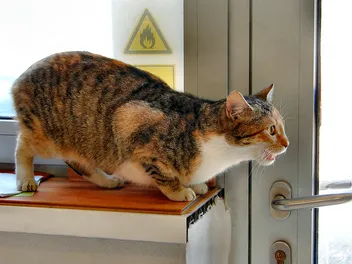
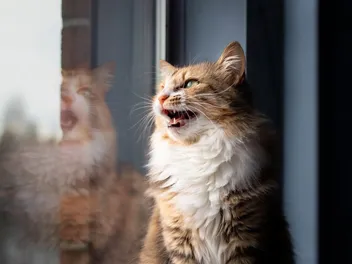
Some cats may caterwaul at something they see outside the window. Usually, this is the appearance of another cat, which may be a little too close for your feline's liking. Caterwauling is a way for your feline to claim their territory, even if a window separates them.
Sometimes, the outside even may not be another cat at all. It may be a large dog walking by or a truck that makes a scary noise. Some cats are more sensitive to things that happen outside more than others. Some may never caterwaul outside, while others may every time they see someone walking by.
5. Disorientation
In some cases, your cat may caterwaul when they are disoriented. This can happen for a variety of different reasons. It can sometimes be the side effect of certain medications, or it can be a sign of an underlying condition, like feline cognitive dysfunction. Many of these disorders are only standard in older cats, but they can affect up to 80% of cats over the age of 16.
Excessive vocalization is just one sign of feline dementia. However, if you own an older cat, you should familiarize yourself with other signs as well. There is no treatment for this disease, but you can improve your cat's quality of life in their last few years.
Ways to Prevent Caterwauling
In some cases, there are few ways to prevent caterwauling. Every cat is going to do it now and then. Some are more prone to it than others. It mostly depends on their personality, as well as how they handle stress.
1. Reduce stress
Often, caterwauling is a result of stress. Reducing your cat's stress may lessen the behavior. This is often easier said than done. In the best scenarios, you'll be able to eliminate the source of your cat's stress. However, this isn't always possible. If your cat is stressed because you've moved, that isn't necessarily something you can change. However, there are steps you can take to ease the transition into a new house. Talk to a vet if you feel as if your cat isn’t handling a move well.
In mild cases, you can help reduce your cat's stress in other ways. Exercise is a reliable option. A worn-out cat will have less energy to worry about stuff, which can reduce caterwauling. You can also use cat-safe pheromone dispensers. These pheromones work for both kittens and adult cats, so they are a potential solution when it comes to stress reduction. They do not affect humans and cannot even be smelled by our noses.
2. Visit the Vet
There are a few different illnesses that can cause excessive vocalization, which can often include caterwauling. You may have noticed other signs. If you do, note them down, as they can help the vet figure out the best way forward.
Even if you don't notice any other signs, you shouldn't put off a vet visit. Cats are magnificent about hiding their distress, so you may not notice any other signs at all. Many cats can become seriously sick without exhibiting any signs.
The vet will likely perform a variety of tests to determine what is wrong with your feline. Once the underlying condition is treated, the caterwauling will likely stop.

3. Handling Feline Cognitive Dysfunction (FCD)
If your cat has FCD, there may be little you can do to prevent caterwauling. However, you can take a few steps to make your feline more comfortable, which may help reduce vocalization. Usually, cats are more likely to be affected by FCD if they are over ten years old. The older the cat gets, the higher the likelihood that it will be affected by this condition.
Usual signs include spatial disorientation, getting lost, excessive sleep, no interest in playing, staring blankly for long periods, appetite changes, inappropriate urination, and loud vocalization. Your cat may seem confused in general.
Some medications can improve a cat's mental state. For instance, your feline might be prescribed a diet that is higher in vitamin E and antioxidants. You may need to switch to a diet specifically for older felines. Please note you should always consult with a vet before changing your cat’s diet. You should also avoid stressors to the cat, as these can cause the signs to worsen.
You can handle many of the signs by doing things like adding extra litter boxes around the house (so your cat can find one even if they can't remember where it was). Provide ramps to high places that your cats like to frequent if they cannot reach them by themselves. Being unable to reach loved spots can be stressful and may result in a flare-up.
4. Get Your Cat Fixed
If your cat is in heat, the best way to prevent your cat from caterwauling is to get your feline spayed. Otherwise, your cat will continue to undergo these hormonal changes every so often, which will cause the caterwauling to return.
Unless you're planning on breeding your feline, there is little reason to avoid fixing them. Often, it can also protect them against specific diseases and disorders.

5. Close Your Windows
If your cat seems overly stressed about what is happening outside, it is often in your best interest to keep your windows closed or make them inaccessible to your feline. If you have a spot they like to lay in front of the window, you should keep those blinds closed so that whatever happens outside doesn't stress out your feline.
Usually, there will be one or two windows that tend to stress your cat out. For instance, the window facing the neighbor's house may regularly be graced by the neighbor's cat, which can be stressful for your cat. You can keep these windows closed specifically to avoid your cat caterwauling at something going on outside.
Conclusion
Caterwauling, though a natural tool in a cat’s vocal repertoire, can be quite annoying to deal with regularly. There are several reasons a cat may caterwaul, and identifying the main reason for your cat’s caterwauling is key when it comes to controlling and curbing the behavior.
Featured Image Credit: greghristov, Pixabay
Expert cat care, straight to your inbox
News, insights, and useful advice, delivered to you.

No spam — unsubscribe anytime.
By signing up, you agree to our Terms & Conditions and Privacy & Cookies Policy.
How useful was this post?
Click a star to rate. You can leave written feedback afterwards. (We read all feedback.)
Kristin is passionate about helping pet parents create a fulfilling life with their pets by informing them on the latest scientific research and helping them choose the best products for their pets. She currently resides in Tennessee with four dogs, three cats, two fish, and a lizard, though she has dreams of owning chickens one-day!