Get

In Your Inbox

Catster is reader-supported. When you buy via links on our site, we may earn an affiliate commission at no cost to you. Learn more.

Cat Screaming: Sounds & Why They Do It (Vet Approved)

Cat meowing

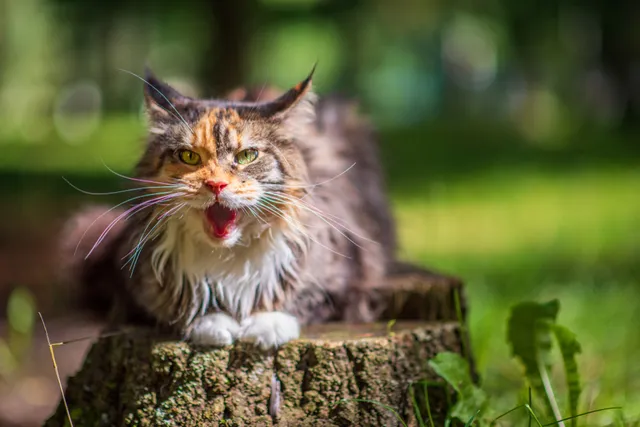
Cats are expert communicators who use various methods, including body language and vocalizations, to get their points across. Cats can produce a stunning range of vocalizations, including purrs, meows, and screams, also known as yowls and caterwauls.

While purrs and meows can have several meanings depending on the situation, cat screams are almost always indications of distress, which can be either physical or linked to anxiety and stress.

divider cat paws 2 oct 2024

What Does a Screaming Cat Sound Like?

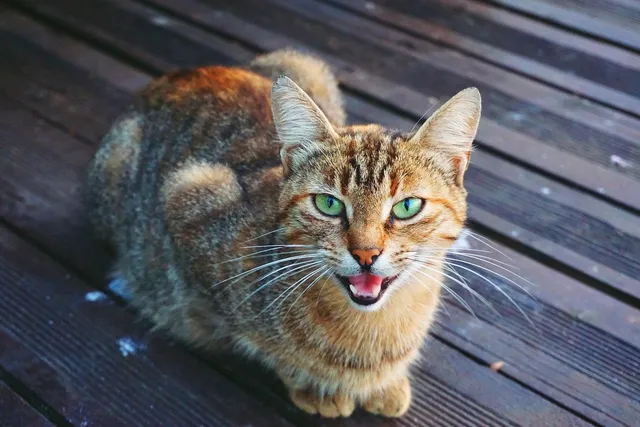
Cat howls and yowls often start off sounding much like meows but go on for much longer and often have deep, anguished tones. Howls are essentially shorter versions of yowls. Caterwauls tend to be more like drawn-out whines. Cats often howl, yowl, or caterwaul repetitively when they produce these vocalizations.

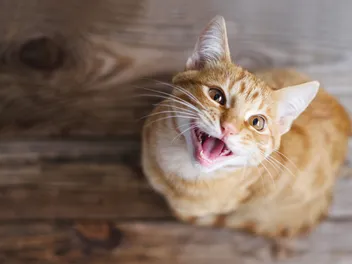
Ginger tabby young cat sitting on a wooden floor looks up, asks for food, meows
Image Credit: savitskaya iryna, Shutterstock

Why Do Cats Scream?

Cats generally howl, yowl, and caterwaul to indicate that something is wrong, but the vocalizations can be linked to several situations, so the first step in making things right is to determine the underlying cause.

Below, we’ll discuss some common situations that prompt cats to scream and provide links to a few examples so you can get an idea of what to look for.

1. Cognitive Dysfunction

Cats sometimes develop dementia as they age. Common signs of the condition include disorientation, confusion, difficulty following old routines and learning new ones, excessive daytime sleeping, and lots of nighttime activity. Cats with the condition may pace and meow and yowl.

Veterinarians aren’t terribly sure about the condition’s causes, but genetics may play a role in determining which cats develop it. There’s no cure for the condition, and it generally progresses over time, leading to increased impairment.

Treatment usually involves ensuring that cats have lots of exercise to keep their bodies healthy and playtime so they remain engaged and active, which can sometimes slow the condition’s march. Some respond well to medication, and veterinarians sometimes suggest dietary adjustments.

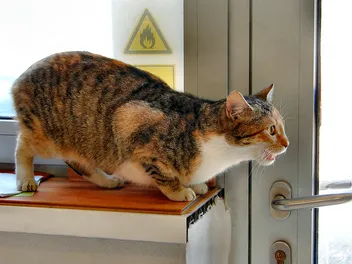
Tabby-cat-meows-with-its-mouth-open
Photo Credit: Kaan Yetkin Toprak, Shutterstock

2. Separation Anxiety

Cats become attached to the people they spend lots of time around and grow to love and care about, so it should be no surprise that some can become particularly unhappy when left to fend for themselves for too long.

Separation anxiety occurs when cats have trouble dealing with intense feelings of attachment. Common signs include peeing outside the litter box, destructive behavior, excessive grooming, and lots of vocalization, as you can see in this video shared by cat expert Jackson Galaxy.

While any cat can develop the condition, female cats, singletons, and indoor pets are affected most frequently. Changes in household routines can sometimes trigger insecurity in cats, which occasionally manifests as anxiety. Treatment often involves decreasing stressful environmental conditions and behavior modification.


3. Heat

Female cats who are in heat caterwaul and yowl, like you can see in this video. Many let loose with these sounds to let their humans know of the urgency with which they would like to go outside to find mating opportunities. They also yowl to let potential partners know they’re interested in finding a mate. Cats also rely heavily on scent to communicate reproductive information to potential mates.

Feline heat cycles vary in length but tend to average about 7 days or so. Spaying generally stops hormone-related behaviors such as marking and yowling, and it can also reduce pets’ risk of developing conditions such as breast and uterine cancer.

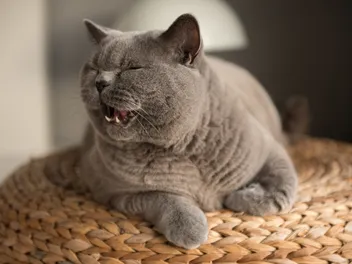
british-shorthair-cat-meowing
Photo Credit: Carlos G. Lopez, Shutterstock

4. Aggression and Territoriality

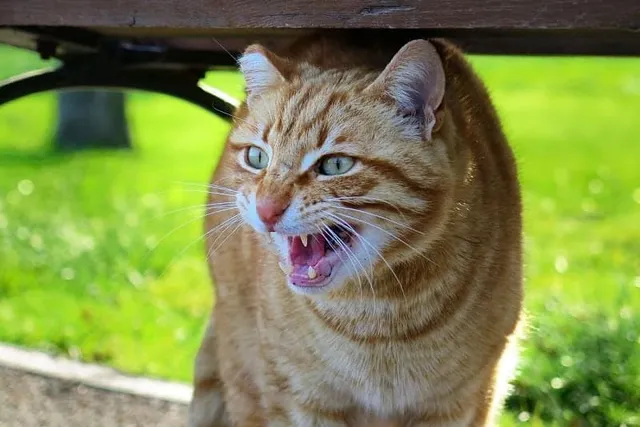
Cats can be territorial, and howls and yowls are used to let other animals know to back off and find somewhere else to hang out. Indoor cats may yowl when they see strange animals outdoors through windows or sliding glass doors.

Many felines yowl to let the intruder know that they’re not welcome and it’s time to move on. Outdoor cats also demonstrate the behavior when an unwelcome visitor walks by, as you can see in this short clip.

Closing the shades or curtains can go a long way toward preventing indoor cats from getting worked up by neighborhood pets, and keeping them indoors is a simple way to minimize the possibility of unpleasant interactions with other cats. Neutering can also reduce aggression levels and territoriality in male cats.


5. Pain

Loud yowling can also be a sign of pain in cats. Cats suffering from joint problems yowl when their pain reaches a critical level, and their aches and pains become overwhelming. Other conditions that can cause caterwauling include kidney issues and thyroid disease.

Because cats are expert illness hiders, indications they aren’t feeling well are often subtle and frequently include behavioral changes such as eating or drinking less, alterations in bathroom habits, and increased meowing and yowling.

Veterinarians recommend having cats checked out if they start screaming, howling, caterwauling, or yowling, as the behavior can sometimes be an indication of illness.

divider cat faces oct 2024

Conclusion

Cats scream and yowl for various reasons, including when they’re in heat or when they have conflicts with other animals. It can also indicate that a cat is in pain or suffering from a medical condition such as feline dementia.

While screams and yowls can mean different things depending on the situation, they almost always signify that something is wrong and needs attention. Since yowling can sometimes be a sign of physical illness, it’s best to have cats who suddenly start doing so be seen by a veterinarian just to be on the safe side.


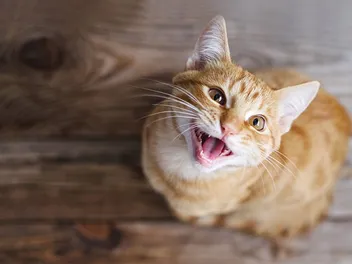
Featured Image Credit: Sharomka, Shutterstock

Want content like this delivered to you?

Sign Up For Our Newsletter

News, insights, expert advice, and everything cat

* By submitting, you agree to our Terms & Conditions and Privacy & Cookies Policy.

How useful was this post?

Click on a star to rate (you can leave written feedback after clicking submit)

Help us improve Catster for pet parents!

Your feedback really matters.

What did you like about this post? Also how can we improve it?

Join the conversation

10 Responses

  1. Cat meows constantly for past few weeks, he is an outdoor cat and has his brother from same litter he is 14 years old and healthy not fussy about eating a lot likes it when he is stroked with watery hands which quietens him down for a few seconds. I try playing with him and he sleeps on my lap but I can’t think what else to do when he continues to scream I’m he has turned into a child that won’t stop saying muuuuuum, mum, mum etc help please

    1. Hi Helen, sorry to hear about your cat. At 14, he is a senior, and cognitive dysfunction is a possibility. You can learn more about this condition here: https://www.catster.com/ask-the-vet/dementia-in-cats-vet-answer/
      https://www.catster.com/cat-health-care/do-you-have-a-senile-cat/

  2. My cat is 18 yrs old and has only 3 legs. Due to cancer on her right leg it had to be removed when she was 9 yrs old. she healed well and quickly and seemed fine until last yr. She started to go outside her box and scream horribly at any given time. She also started waking up at dawn wanting to be fed. She would howl and scream until I would wake up and feed her. The past few days she has woken me up at 3am.
    She also screams when she enters a different room. She eats fine and potties every day. her left side seems bigger than her right side, but I thought it might be because of the way she walks compensating for her lost right leg. I don't know but she seems to get worse by the day.

    1. Hi Maria Hope Peters, by the signs you describe please get your cat checked by a veterinarian before her condition worsens. If you need a vet opinion to help you determine the urgency of the situation you can contact www.pangovet.com.

  3. My cat has just started yowling at nothing. I’m thinking he may be in pain, however he is a difficult cat to take to the vet. Last time the vet had to sedate him just to do an exam.

    1. Hi Debi, try booking an online vet consultation at www.pangovet.com. They will help you address the issue and determine the best course of action.

    2. I had two cats from same litter, just lost. the male about two months ago. The female started yelling at night just before he died, they are almost 17 yrs old. The yelling seems to be getting worst, longer and louder, mostly at night. she sleeps almost all day. We were thinking it was the lost of her brother. Is this possible or is she getting dementia? I give her lap time when she wants it, which amounts to just a few seconds at times. We have a young cat 10 yrs old and he is fine.

      1. Hi Nancy Barnes, it sounds like she may be grieving her sibling and companion. Hopefully, the following posts can give you some tips to help her.
        https://www.catster.com/lifestyle/do-cats-grieve-when-another-pet-dies/
        https://www.catster.com/cat-behavior/how-long-do-cats-mourn-the-loss-of-another-cat/
        https://www.catster.com/cat-health-care/how-to-help-a-grieving-cat/
        You are not completely wrong in considering dementia as a possibility, however, if she was using the sibling as a guide, this could also happen from the night she lost him. You may consider having a chat about her case with a vet at www.pangovet.com to help you narrow down possibilities and have some guidance.

  4. My cat is just getting over having pancreatitis. The vet and techs told me that while putting in the IV and working with him, he let out a scream that set off the vets apple watch! OMG! That's loud!
    Btw, he's much better now. Thank you God! Thank you vets & techs

    1. Woah that would have been quite shocking to hear! Vets and vet techs are amazing, literally life savers :) Happy to hear your cat is recovering, and hopefully has no more screams!

Leave a Reply

You’re very welcome to leave a comment or question. Please know that all comments must meet our community guidelines, and your email address will NOT be published. Let’s have a positive and constructive conversation.

Talk With A Vet Online

Peace of mind,
anywhere, anytime

Affordable vet advice

Are Kuppies Real? Can Dogs & Cats Crossbreed? What Science Says

Tales from all over the world have been told of some seemingly impossible things happening on our planet. You are sure to have...

7 Best Halloween Costumes for Cats in 2025: Reviews & Top Picks

Our pets are part of the family, and generally, getting dogs on board with dress-up days is easier than cats. That means our...

Stomatitis in Cats: Vet Reviewed Risks, Causes, Signs & Treatments

For reasons unknown, cats may develop a painful inflammatory condition in their mouth. This is called stomatitis and may be the result of...

Is Litter Deodorizer Safe for My Cat? Vet-Approved Facts & Sanitation Tips

One of the least enjoyable things about owning a cat is dealing with litter boxes and all the unpleasantness that comes with them....

More related

Kittens First Vet Visit: What to Expect & How to Prepare (Vet-Approved)

The first days and weeks after welcoming a new kitten into your home are usually full of excitement as you become acquainted with...

Can Cats Eat Mayo? Vet-Reviewed Nutrition Facts & Advice

Mayo is a condiment that can be found in many people’s pantries and refrigerators. But what about cats? Can cats have mayonnaise? While...

Grow a Herb Garden That’s Safe for Your Cat

If you love cooking with fresh herbs, you’ve probably daydreamed about growing your own little garden. But if you share your home with...

Can Cats Eat Mussels? Vet-Verified Nutritional Facts & FAQ

Slimy—yet satisfying. If you grew up eating seafood, you’re probably familiar with mussels. These shellfish are full of health benefits for humans, but...

Keep reading

Does Cornstarch Kill Fleas on Cats? Vet Reviewed Effectiveness & Alternatives

Preventative flea and tick medications are highly effective at eliminating these pests, but some owners prefer “natural” home remedies to keep fleas and ticks away. Cornstarch is a fairly common and popular method, along with other powders, but cornstarch is...

Cornstarch in a spoon

7 Safe Exercises for Cats With Arthritis: Vet-Approved Advice

Cats with arthritis need special care to overcome the pain and stay active. If your feline friend has been diagnosed with arthritis, they will become slower and won’t enjoy their playing time as much as before. While the condition primarily...

cat folding his paw while sleeping

How Often Do Cats Need Rabies Shots? Vet Approved Facts & FAQ

Several vaccinations are necessary for your cat to ensure a healthy lifestyle. There are various core vaccines, those that are recommended based on lifestyle, and many that require boosters to stay effective. With so much to keep track of, it...

Veterinarian at vet clinic giving injection to cat

How to Dry a Cat After a Bath: Vet-Approved Step-by-Step Guide

You rarely find a cat that will gladly accept having a bath without putting up a fight. If your cat is as apprehensive as most others, you may want to make sure you’re doing everything correctly to minimize the agony...

gray cat newly bathe

Can Cats Drink Vinegar? Vet-Verified Health & Safety Facts

Vinegar is one of those pantry staples that most people have in their kitchens. It can be used in salads, marinades, and homemade cleaners. Some people even add a splash of apple cider vinegar to their water for its researched...

Can Cats Drink Vinegar

Can a Male and Female Cat Get Along? Vet-Reviewed Info

When it comes to cat compatibility, there are various factors at play, rather than just their gender. How well and whether two cats will get along, will mainly depend on the cat’s personality, early socialization, previous experiences with other cats,...

Can Male and Female Cats Get Along

Can Cats Eat Spinach? Vet-Reviewed Nutritional Facts & FAQ

Cats can be picky about their meals, but some felines express interest in food usually enjoyed by humans and other omnivores. Some veggies and fruit are toxic to cats, but can cats eat spinach? Spinach has several nutritional benefits, and...

Can Cats Eat Spinach

Cat Peeing in Front of the Litter Box? 14 Vet-Reviewed Solutions to Try

Discovering a little puddle of cat pee in front of the litter box can be frustrating, but your cat is not doing this on purpose! When we dig deeper into the reasons that cats pee in front of, instead of...

Bengal cat sitting aside of a litter box staring at it