8 Cat Breeds Prone to Arthritis (Vet Approved Info & Pictures)


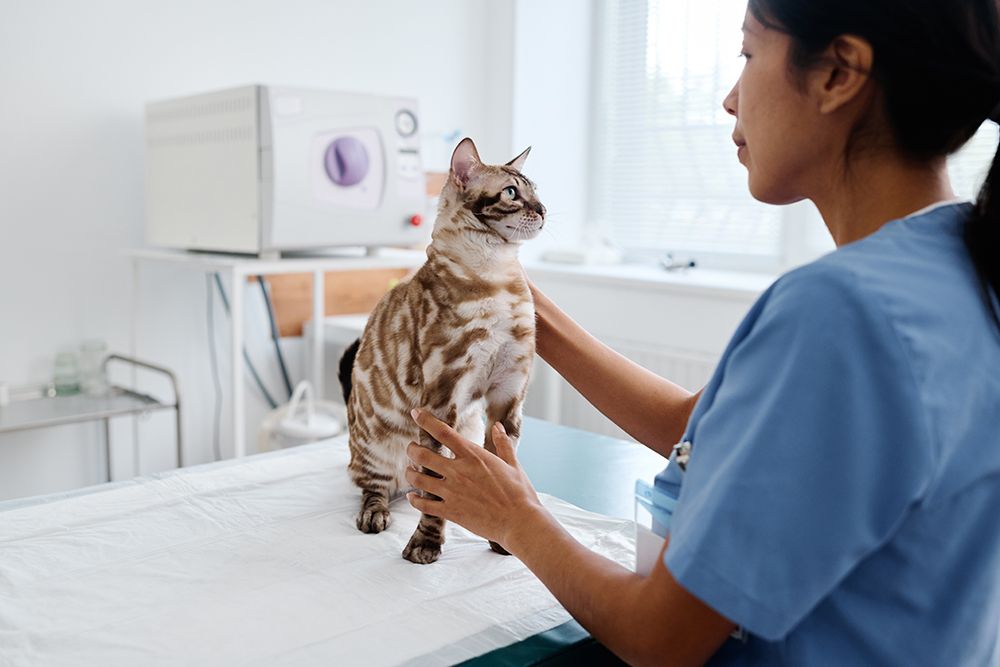
Arthritis can be particularly debilitating for cats. Joint problems later in life can hinder mobility and cause intense pain, significantly impacting their overall quality of life. Osteoarthritis is a common finding in older cats, with one study1 finding a prevalence of up to 90% in this age group of felines. Some cat breeds have a hereditary predisposition for joint problems (including arthritis). Such individuals experience these pains earlier on in life, and their condition gradually worsens as they age.
Anticipating any animal’s future needs is crucial before adopting, and understanding your pet’s changing body will help you keep them content as they age. Arthritis is incurable, but with early detection and response, you can maximize your cat’s comfort and avoid surgery. Prepare your pet for a long and happy life by learning which cat breeds are prone to arthritis.

The 8 Cat Breeds Prone to Arthritis
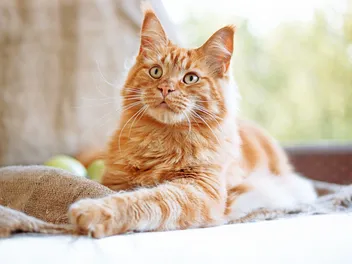
1. Maine Coon

| Average Lifespan | 12–16 years |
| Average Weight | 9–18 pounds (4–8 kg) |
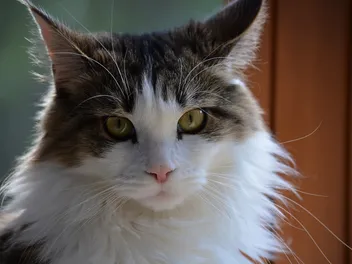
The Maine Coon is the biggest domestic breed, and it’s a fluffy and friendly body pillow of a pet that’s playful and affectionate. Through breeding, adaptation, and slow maturation, these massive mousers reach extraordinary lengths, with the largest Maine Coon cats stretching roughly 4 feet!
As much as the oversized feline means there is more cat to love, its size also puts it at a disadvantage. Maine Coons are notably more prone to arthritis due to a higher susceptibility to hip dysplasia. One study showed that nearly a quarter of purebred Maine Coons displayed signs of HD1, with males showing a slightly higher likelihood of developing the condition.
2. Scottish Fold

| Average Lifespan | 12–15 years |
| Average Weight | 6–13 pounds (2.7–5.8 kg) |
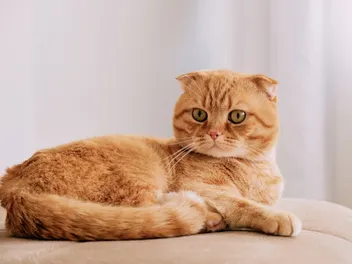
Scottish Folds are intelligent, playful, and easy-going, offering little concern over how they’ll get along with people and pets. Bred for their folded ears, these cats also display unique health issues related to this desirable feature.
Scottish Fold cats develop osteochondrodysplasia. The unique genetic trait that folds the ears affects other cartilage throughout the body, causing weak joints, bone deformities, and intense arthritis.
Purebreds are prone to lameness at a young age due to growth plate abnormalities and shortened legs. Mixes are less susceptible to early and aggressive onsets, but eventual development is typical. The predictable, painful condition makes the Scottish Fold a controversial cat, with many animal welfare groups pushing for breeding bans.
3. Persian

| Average Lifespan | 12–17 years |
| Average Weight | 7–13 pounds (3–5.8 kg) |
If you can handle the work, Persian cats are some of the most desirable felines to keep around. The typical Persian is a laid-back, luxurious, and perfectly subdued companion who enjoys a relaxed lifestyle. But alongside the grooming commitment to maintaining their plush coats, Persians require ongoing care and attention due to several common health issues, including:
Common Health Issues in Persian Cats
Like the Maine Coon, Persians are more susceptible to hip dysplasia due to their size. The abnormal development of the ball joint is one of the most common causes of secondary OA in the hip. With the various dental and degenerative diseases that Persians often suffer, grooming can be challenging. The potential for infections and other skin and coat issues makes daily grooming critical.
4. Siamese

| Average Lifespan | 15–20 years |
| Adult Weight | 8–14 pounds (3.6–6.3 kg) |
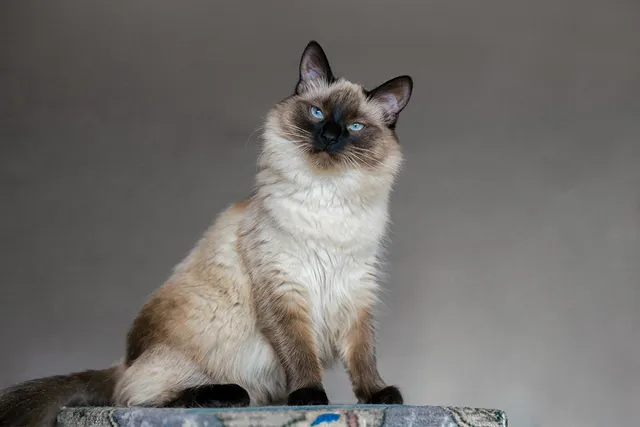
Since they’re talkative and social, Siamese cats are arguably one of the best breeds for staving off loneliness while hanging around the house. They form strong bonds with owners and regularly display affection in varied ways, from blinking their striking blue eyes to cuddling up on the couch.
Given their natural vocalizing tendencies, noticing when your Siamese cat experiences their typical health issues can be challenging. Siamese cats are prone to arthritis, progressive retinal atrophy, and various forms of cancer.
Genetic diseases also abound. One study noted mutations in a cat colony that caused numerous health problems, including dysplasia and degenerative joint disorders. While researchers initially found the disease in purebred Siamese cats, there’s no sure sign of how common it is in the general Siamese cat population.
5. Himalayan

| Average Lifespan | 9–15 years |
| Average Weight | 7–12 pounds (3.1–5.4 kg) |
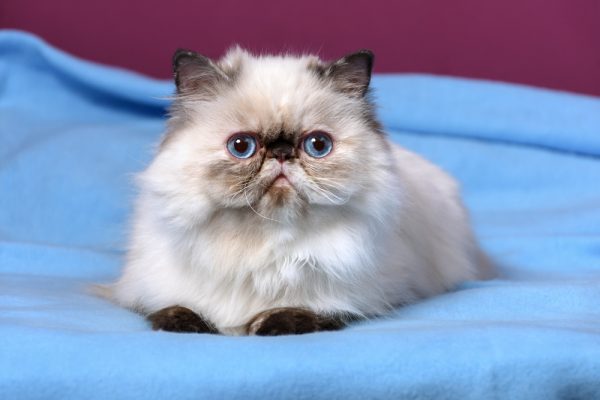
As hybrids of Siamese and Persian cats, Himalayan cats boast all of their benefits with several of their health predispositions. The pointed Siamese coloring and striking blue eyes combine with the thick, soft Persian coat for an all-around attractive form. Carrying heftier bodies, this popular cat breed is also more prone to arthritis and hip dysplasia.
6. Abyssinian

| Average Lifespan | 9–13 years |
| Average Weight | 8–12 pounds (3.6–5.4 kg) |
The Abyssinian is a curious and adventurous cat that loves climbing, playing, and testing its wits. It’s active and athletic but still faces potential issues with arthritis and genetic predispositions. Pyruvate kinase deficiency, mouth and gum diseases, and progressive retinal atrophy are frequently inherited traits, as is patellar luxation.
Patellar luxation is when a kneecap moves out of place, a common issue if the groove in which it sits is shallow or the cat has misshapen legs. Depending on the severity, the cat may not have mobility issues, or it could quickly develop painful ligament tears. Regardless of the luxation grade, mild-to-moderate arthritis typically results from destroyed cartilage.
A study from 1990 found that 38% of the Abyssinians tested had at least one dislocated patella, a comparably high percentage to other tested cats. There may also be weak associations between the condition and hip dysplasia.
7. Devon Rex

| Average Lifespan | 9–13 years |
| Average Weight | 6–9 pounds (2.7–4 kg) |
The Devon Rex fits in where the Persian doesn’t, bringing a high energy level and extra-friendly personality in a relatively low-maintenance package. If you, your kids, or your pets can offer the attention they need, taking care of one of these fun-loving cats is easy and entertaining. Though it’s a relatively healthy breed, the Devon Rex is another cat that may be prone to arthritis from patellar luxation, similar to the Abyssinian.
8. Burmese

| Average Lifespan | 12–18 years |
| Average Weight | 9–13 pounds (4–5.8 kg) |
As a cousin of the Siamese, the less outspoken and equally friendly Burmese is a treat if you can give it the mounds of attention it desires. Although it wants to keep constant company, the Burmese is a handsome and intelligent breed that will supply dog-like loyalty and love.
Though Burmese cats are muscular and relatively healthy, they have several genetic predispositions. Hypokalemia, a muscular disease, and feline orofacial pain syndrome are two of the many unique maladies a Burmese cat may suffer, and the breed is also more likely to develop osteoarthritis in the elbow.

How Can You Tell if a Cat Has Arthritis?
Arthritis development can be gradual and subtle; your cat often won’t alert you to distress. Cats have the instinct to hide pain, which is an evolutionary trait to avoid predation. Regular checkups and awareness of your breed’s genetic tendencies are crucial for early intervention. However, keeping an eye on behavioral changes will be essential in starting the conversation with your vet.
Warning signs of developing arthritis in cats can include:
Less apparent changes in behavior can also occur. For instance, house soiling may become more common if your cat can no longer move outside or into a high-sided litter box.
Studies have also shown associations between arthritis and the following behaviors:
Cats may also change their socializing behaviors. Some may be less active with other pets and spend more time with people, though others may resist petting and interaction. Many changes come with age, but discussing these shifts with a professional is critical to taking appropriate and timely action.
If you are concerned about the health and well-being of your pet, seek veterinary advice for the best course of action.
At What Age Do Cats Start Getting Arthritis?
Cats become more susceptible to arthritis with age. Some studies have had samples with up to 90% of cats over 12 years old showing radiographic signs of arthritis. But depending on the underlying ailment, osteoarthritis may appear much sooner. FHD in Maine coons typically shows before the age of four, while osteochondrodysplasia in Scottish Folds can be identifiable in kittens as young as 7 weeks old.
Trauma, bite infections, and poor health habits can also contribute to early joint pain and arthritis. Maintaining proper weight is crucial in preventing undue stress on joints and inflammatory hormones that worsen the condition.
Related Read: Cat Hormones & How They Affect Their Actions
Which Cats Are More Prone to Obesity?
Interestingly, one study found that many breeds we commonly associate with obesity aren’t necessarily the most susceptible. One study observed that Persians, Himalayans, Siamese cats, and Maine Coons were less likely to be obese than domestic longhairs, shorthairs, and medium hair cats.
Of the breeds in the study, Manx cats were the most likely to be overweight or obese. By sex, neutered males were the most likely to be overweight or obese, while intact females were the least likely.
Will X-Rays Show Arthritis in Cats?
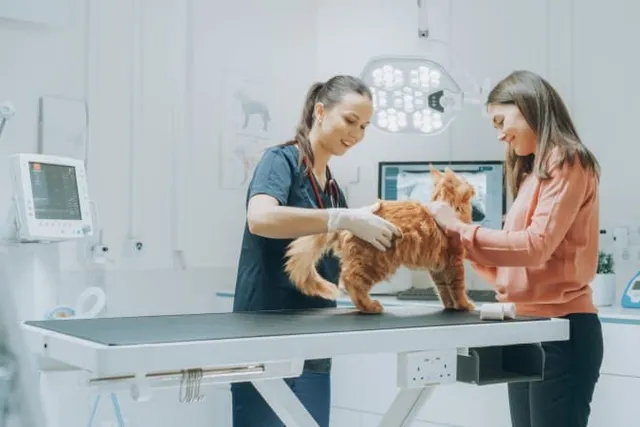
Though arthritis is difficult to diagnose even for experienced vets, X-rays remain the gold standard for diagnosing this ailment in your feline. Your vet will likely opt for several X-rays of your cat under sedation to diagnose arthritis. It takes careful attention and thorough documentation to help your vet decide. Video of everyday movements around the house is particularly beneficial. Your vet might perform other tests to rule out other potential issues.
If they see signs of arthritis, your vet may provide anti-inflammatory and pain management drugs to see how the cat responds. But at-home treatment will be crucial. Follow your vet’s dietary, grooming, and exercise recommendations. Make appropriate changes to the home to improve accessibility and comfort, such as using low-sided litter boxes and adding ramps.
Conclusion
Arthritis is an impactful aspect of aging that any pet parent should anticipate with genuine concern. These eight cat breeds are more prone to arthritis than others, but cats of all backgrounds can suffer accidents and normal wear, leading to ongoing discomfort. For all the love our cats provide, monitoring their health and working with veterinarians to maximize their quality of life in the face of arthritis is the least we can do.
Featured Image Credit: Pressmaster, Shutterstock
Expert cat care, straight to your inbox
News, insights, and useful advice, delivered to you.

No spam — unsubscribe anytime.
By signing up, you agree to our Terms & Conditions and Privacy & Cookies Policy.
How useful was this post?
Click a star to rate. You can leave written feedback afterwards. (We read all feedback.)
Christian started writing for a local newspaper as a teenager, and he's been involved in the publishing industry for most of his adult life. Combining his love of writing with a passion for animals, he is currently the Director of Editorial at Pangolia and the Editor-in-Chief at Catster.
Christian lives in the Philippines with his wife, son, and four rescue cats: Trixie, Chloe, Sparky, and Chopper.