Get

In Your Inbox

Catster is reader-supported. When you buy via links on our site, we may earn an affiliate commission at no cost to you. Learn more.

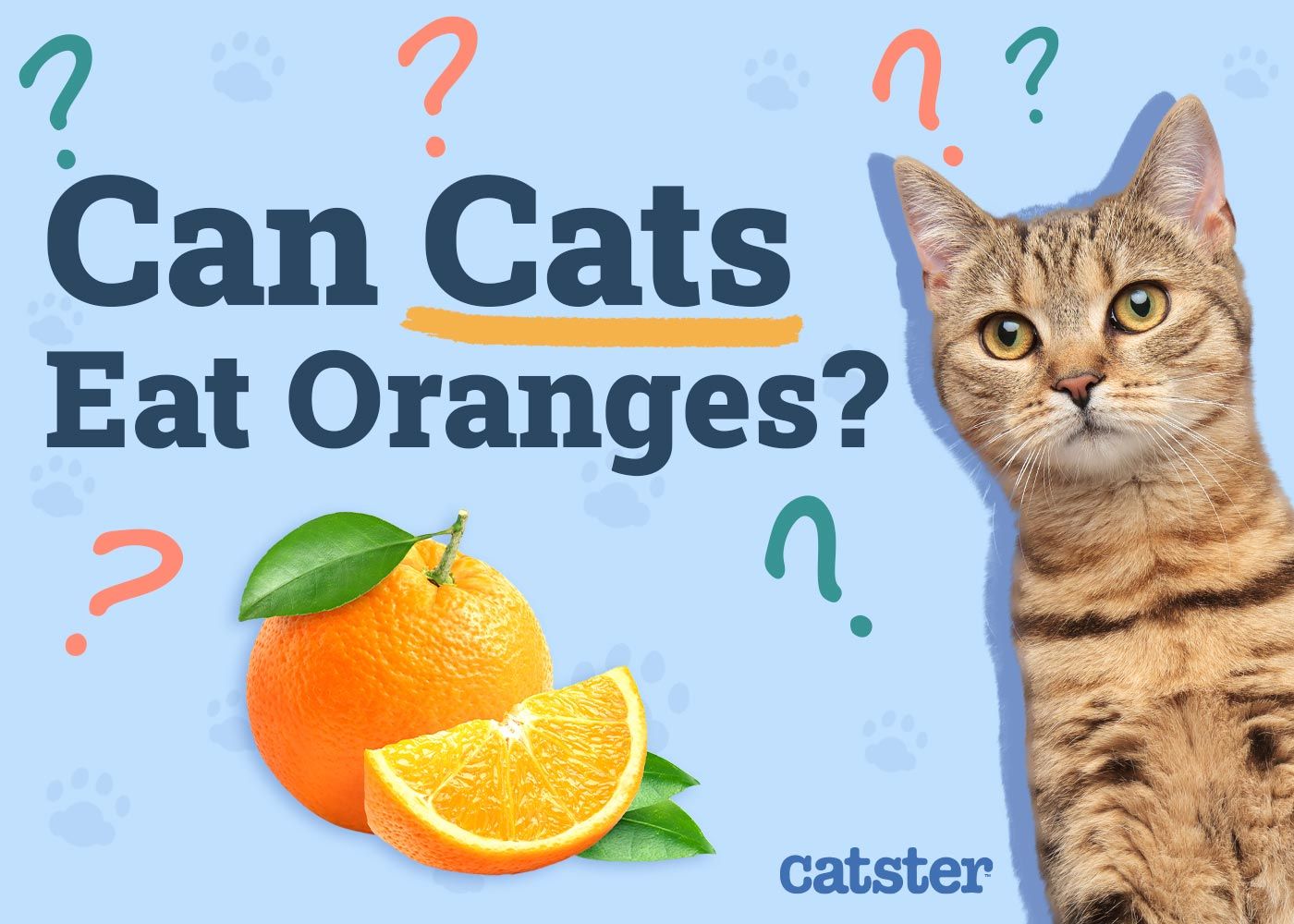
Can Cats Eat Oranges? Vet-Verified Facts & FAQ

Share

Can Cats Eat Oranges

Oranges are sweet, tart, and tasty and one of the world’s most popular fruit. They can often be found in household fruit bowls, added to fruit salads and school lunch boxes, and even used in desserts. Low in calories and packed full of vitamin C, they’re an exceptionally good addition to the human diet, but what about your cat? Can cats eat oranges or should you avoid giving them to your feline friend?

In short, the answer is no, cats should not eat oranges.

Much like other citrus fruits, oranges are toxic to cats. Oranges can cause cats to suffer gastric problems, including digestive irritation, diarrhea, and vomiting. They may also cause central nervous system depression and skin irritation. According to the ASPCA, it is the essential oils and psoralens in oranges that cause problems for cats.

It is recommended that if your cat has ingested oranges or any other potentially toxic substance, you should call the ASPCA Animal Poison Control Center or contact your local veterinarian for advice as soon as possible.1

divider cat faces oct 2024

Why Are Oranges Toxic to Cats?

glass-of-orange-juice-with-sliced-orange
Image Credit: NoName_13, Pixabay

Oranges contain citric acid and many harmful essential oil ingredients that are toxic to cats, whether eaten, inhaled, or in contact with their skin, but also depending on the amount and concentration. Eating a small piece of orange fruit flesh is unlikely to cause any major issues, but ingesting large amounts of the plant, fruit, or concentrated essential oils is a much different story.

Cats can also get poisoned when they come in contact with insecticidal pet shampoos that contain d-limonene. Mostly the digestive and neurological systems and the skin will be badly affected. If you think your cat has eaten parts of an orange fruit or plant or has come in contact with a shampoo containing citric acid or essential oil diffusers, give your vet a call immediately. Depending on the dose and concentration, this can be quite serious and even life-threatening.

These include:

  • Drooling
  • Nausea
  • Reduced appetite
  • Vomiting
  • Diarrhea
  • Lethargy
  • Shaking and trembling
  • Skin irritation, blistering, and risk of photosensitivity
  • Trembling
  • Loss of coordination
  • Seizures
  • Respiratory difficulties when inhaling essential oils

If you need to speak with a vet but can't get to one, head over to PangoVet. It's an online service where you can talk to a vet online and get the advice you need for your pet — all at an affordable price!

PangoVet_Mention-in-Content for PangoVet2 save money

What About Orange Juice or Peel?

All parts of the orange, including the pulp, juice, and peel of the fruit are toxic to cats.

Orange peel and other parts of the plant contain a high concentration of essential oils and, as such, are more toxic to cats than the fleshy pulp of the fruit.

orange peels
Image Credit: congerdesign, Pixabay

How Do I Stop My Cat From Eating Oranges?

Thankfully, cats have a natural aversion to oranges and usually won’t go anywhere near them, so there is no need to hide your fruit bowl in a cupboard or another place where your cat can’t find it. Cats dislike the smell of oranges so much, that the fruity scent is often used in cat repellent sprays to keep cats off furniture and out of peoples’ gardens.

What About Orange-Based Cleaning Products?

Orange-based surface sprays are used every day in households across the world.

While there is usually no problem using them in your kitchen or bathroom, it is advisable to avoid using orange-based cleaners anywhere near your cat’s bedding, toys, litter box, or food bowls. The products themselves won’t harm your cat once the surface is dry, but the smell may cause your cat to avoid any area of your house that has been sprayed with these cleaners, which means they may decide to do their business elsewhere or even forgo eating.

divider cat faces oct 2024

Conclusion

Oranges and other citrus fruits are not suitable or safe for cats. These fruits may give them a stomach upset or lead to more severe skin and neurological signs, depending on the ingested amount. The reasons for this are the citric acid and essential oil ingredients that are toxic to cats. So, on a hot summer day, don’t be tempted to offer your cat any citrus fruits, as they are likely to make them sick. Instead, there are many other tasty treat options to consider.

See also:

Want content like this delivered to you?

Sign Up For Our Newsletter

News, insights, expert advice, and everything cat

* By submitting, you agree to our Terms & Conditions and Privacy & Cookies Policy.


How useful was this post?

Click on a star to rate (you can leave written feedback after clicking submit)

Help us improve Catster for pet parents!

Your feedback really matters.

What did you like about this post? Also how can we improve it?

Join the conversation

Leave a Reply

You’re very welcome to leave a comment or question. Please know that all comments must meet our community guidelines, and your email address will NOT be published. Let’s have a positive and constructive conversation.


Talk With A Vet Online

Peace of mind,
anywhere, anytime

Affordable vet advice

Do Cats Cause Schizophrenia? Scientists Find a Link – Here’s What It Means

Being a fierce advocate (and occasional recipient of) mental health support and awareness, the term ‘crazy’ is not one I like to fling...

One in 100 Cats Gets Diabetes – Here’s How to Catch It Early

One in every 100 cats develops diabetes.1 That’s not a rare, unlucky condition reserved for cats with obvious health problems. It’s common enough...

Dramatic Rescue Turns Into Dramatic Reunion

What started as a routine call for the RSPCA became a heroic, five-hour rescue featuring one trapped and traumatized cat, an emotional family...

Ask Dr. Paola – Help! How Do I Know if it’s Ear Mites! (May 4, 2026)

Welcome to our “Ask Dr. Paola” series, where every Monday we bring expert advice straight from Dr. Paola Cuevas (MVZ) to help our...

More related

Are Cats Omnivores? Our Vet Answers & Explains

Cats are described as being obligate carnivores, which means that they must eat animal meat as a major constituent of their diet to...

We Chat With Emma Myles From “Orange Is the New Black” About Her Rescue Cat

Emma Myles is sitting in a bar in Manhattan’s East Village nursing a margarita and telling a story about how she once escaped...

10 Vet-Verified Interesting Myths And Facts About Black Cats

Depending on where you are in the world, black cats can be considered good luck or bad luck. They were once considered gods,...

Why is My Cat Peeing Everywhere All of a Sudden? 7 Vet-Reviewed Reasons

Cat owners can agree that the smell of cat urine is overwhelming. It’s a difficult odor to remove from furniture, carpeting, and other...

Keep reading

Can Cats Eat Cheesecake? Vet-Verified Nutritional Facts

Cheesecake is a delicious, special treat for many people that is often reserved for special occasions. As cat lovers, we all want to share our special occasions with our cats, which means you may have thought about sharing some of...

Can Cats Eat Cheesecake

Why Does My Cat Yowl After Eating? 5 Vet-Verified Reasons for This Behavior

No matter how much we think we understand cats, they still have quirks and habits that can surprise even the most experienced owners. Primarily because every cat is unique, so even if you get used to the behavior of one...

ginger tabby cat looking up meowing

Why Do Cats Purr? 5 Vet-Reviewed Reasons Behind the Behavior

There’s something soothing about sitting with a purring cat, but do you know the reasons behind that distinctive vibration? It’s commonly thought that cats purr when they’re happy and content. While this is true, it’s not the whole picture. Cats...

cat asking for cuddles

Can Cats Eat Apples? Vet-Reviewed Nutritional Facts & FAQ

There’s nothing quite like the satisfying crunch of a juicy apple. While this fruit offers plenty of health benefits for humans, you may wonder if it’s something you could provide your kitty if it appears interested in your crunchy snack....

Can Cats Eat Apples

Why Did My Cat Pee on Me While I Was Sleeping? 5 Vet-Reviewed Reasons

Are you Googling question this while you’re washing your sheets? If your cat peed on you while you were sleeping, you want answers! After all, you’ll want to ensure the situation doesn’t repeat itself. So naturally, you want to get...

Cute cat sitting near wet or piss spot on the bed in the bedroom

Evanger Cat Food Review in 2026: Reviews, Pros & Cons

Review Summary At first glance, this brand looks very high-quality. It is a bit more expensive, but you’re paying for extra meat and novel ingredients. Many of the formulas are high in protein and nutritious ingredients. However, this brand has...

Evanger's Review

Explaining Cat Behavior Problems: (With 9 Vet-Approved Solutions)

Veterinarians are regularly asked how to deal with certain cat behavior problems, such as peeing outside the litter box, attacking people, chasing other cats, and destroying furniture. While health conditions can lead to issues, problematic conduct is often an expression...

ginger tabby cat looking up meowing

10 Best Flea Sprays for Cats (2026) – Reviews & Top Picks

Fleas can be irritating at the best of times, but if left untreated, they can cause discomfort and even lead to your cat developing flea allergy dermatitis. At the first sign of fleas, it’s a great idea to treat your...

Cat-with-fleas

Love Cats? So Do We! Join the Catster Community

Stay informed with expert pet care insights delivered straight to your inbox! Discover professional guidance on animal behavior, feeding tips, trusted product picks, and much more.


Sign up for the Catster Email Newsletter

Stay informed with expert pet care insights delivered straight to your inbox! Discover professional guidance on animal behavior, feeding tips, trusted product picks, and much more.