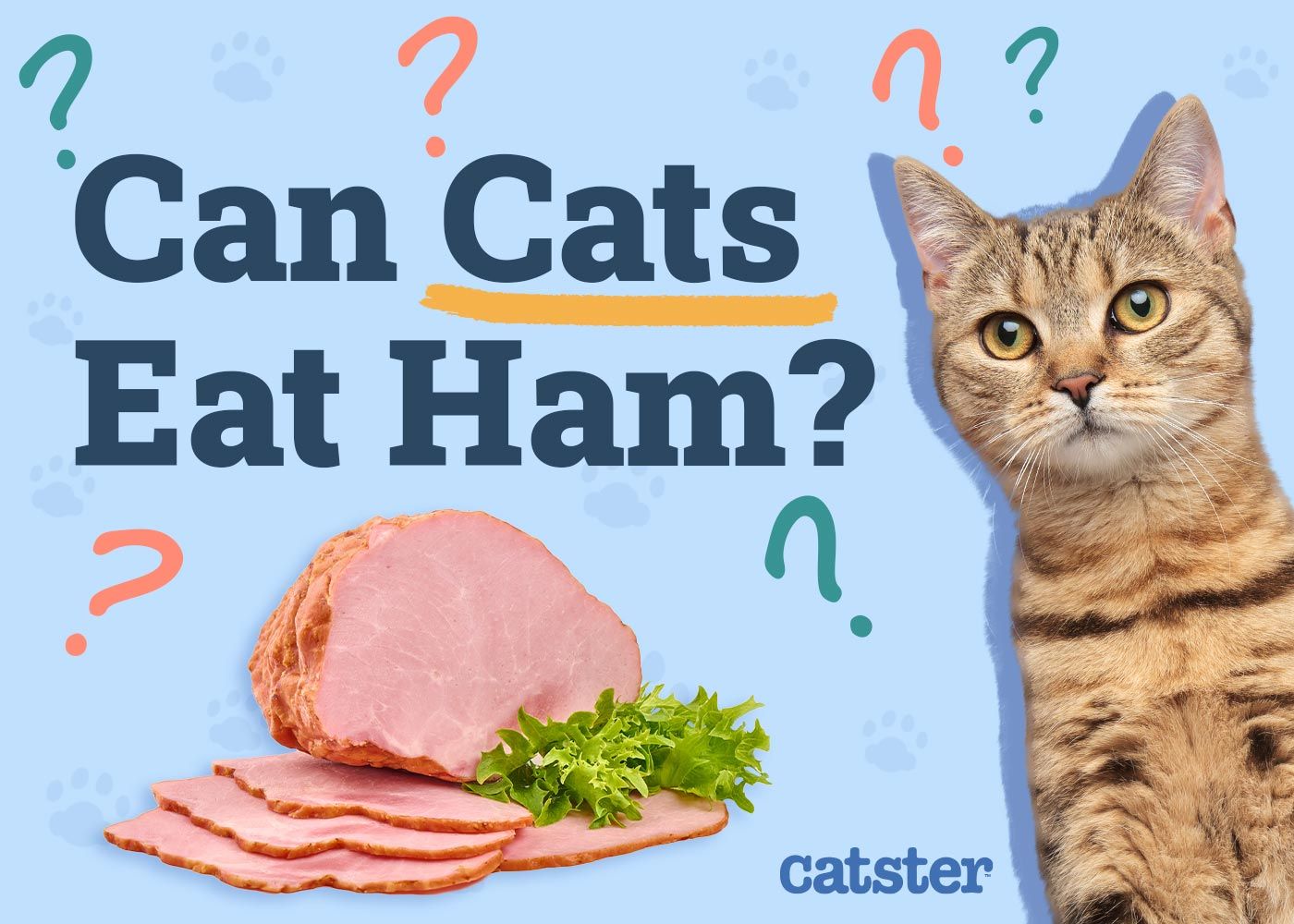
Can Cats Eat Ham? Vet-Approved Health Benefits & FAQ


In this article
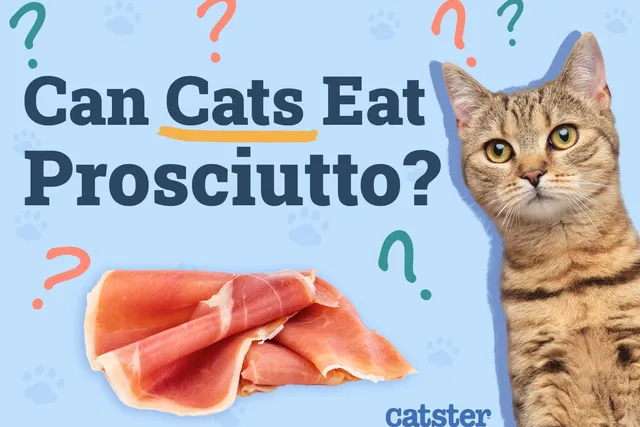
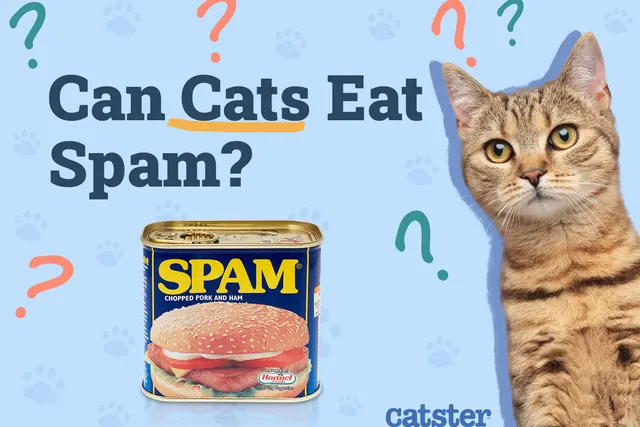
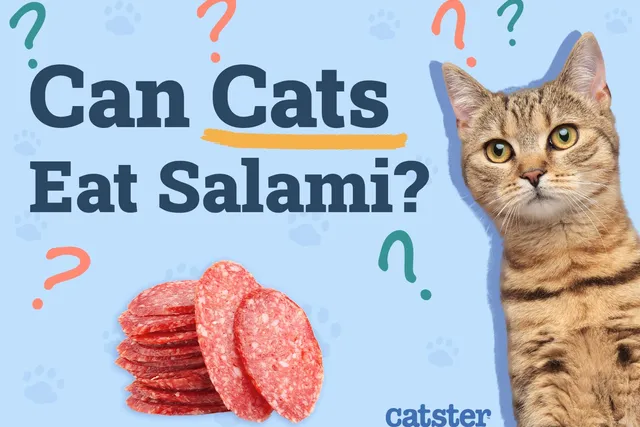
Since felines are obligate carnivores, their diet primarily consists of meat. They require certain essential nutrients that can only be found in animal products. And one of those products is ham. If you’re wondering whether it’s safe for your cat to eat ham, you’ll be pleased to know that it is.
However, there are some potential concerns you need to know about as a pet parent. So, before you serve Mittens a plate of ham, read this first.

The Benefits of Ham for Cats
Feeding ham to cats isn’t entirely without benefits. In moderation, it can contribute to your cat’s intake of essential nutrients, such as:
- Vitamin B6: This vitamin plays a crucial role in maintaining healthy red blood cells, thereby supporting the cat’s heart, brain, and nervous system.
- Selenium: This natural mineral benefits your cat’s immune system and contributes to their skin health.
- Zinc: Another important mineral, zinc helps keep your cat’s coat and skin in top condition.
- Iron: This mineral is essential in preventing anemia or ameliorating its symptoms.
These are all healthy additions to your cat’s diet. And with the right balance of essential nutrients, you can provide your cat with a happy and healthy life.

When Ham Can Be Harmful
Despite being a meat product, certain types of ham can harm cats. For example, store-bought ham often contains high amounts of sodium, which can lead to the potential salt poisoning that we touched on above. However, cats do need to consume quite a bit of salt for them to be at risk for salt poisoning.
Other common ingredients, such as garlic and onion, are toxic to cats and can cause serious health problems. In addition, feeding raw meats to cats is generally discouraged due to the risk of bacterial contamination, like Salmonella or Listeria.
With so many things to watch out for, you might be wondering how you can safely feed ham to your cat. Thankfully, you can still treat your feline friend to ham on occasion without subjecting her to the aforementioned risks.

Choosing the Right Ham for Your Cat
If you’ve decided to treat your cat with some ham, there are some safety tips you should know about. For starters, buy the ham raw and unseasoned, then cook it yourself.
Alternatively, if you must buy ready-to-eat ham, choose low-sodium deli cuts. Also, be sure to check the ingredients and avoid products with garlic or onion.
Remember, ham should never replace a complete cat meal. Always consider it as a treat and not a significant part of their diet. Lastly, if you have any doubts or concerns about your cat’s diet and nutritional needs, it’s always a good idea to consult with a vet. They can guide you on what’s best for your furry friend’s health and well-being.
The Place of Ham in a Cat’s Diet
So, what are those concerns, you ask? Quite simply, ham is not the best food choice for your feline friend. This is mainly due to its high salt content and the way it’s usually processed 1. In other words, while cats can eat ham, it doesn’t mean they should be eating ham often.
Portion Sizes and Frequency
If you decide to treat your cat to a small piece of ham, remember that the key word here is “small.” Overindulgence can lead to issues such as obesity, digestive problems, and even salt poisoning.
Thus, it’s vital that you actively limit the amount of ham you feed your cat. It’s also crucial to consider the frequency. Treats like ham should be just that—occasional indulgences, not daily meals.

Tips to Treat Your Cat to a Healthy Diet
Maintaining a balanced and nutritious diet for your cat is essential for their overall health and well-being. With countless food options available, choosing the right food can feel overwhelming. Here are some key tips to guide you toward providing a healthy diet for your cat.
1. Prioritize Animal Proteins
Cats are obligate carnivores, so most of their diet should consist of animal proteins. High-quality cat foods will list an animal protein source, such as chicken, beef, or fish, as the first ingredient.
2. Understand the Importance of Taurine
Cats require a specific amino acid called taurine for proper heart and eye function, among other things. Unlike other animals, cats cannot produce enough taurine on their own, so it must be a significant component of their diet. Ensure the cat food you choose is enriched with taurine.
3. Keep Carbohydrates to a Minimum
While humans rely on carbohydrates for a significant part of their diet, cats do not have the same needs. A diet high in carbohydrates can lead to obesity and other health problems in cats. Choose cat foods that are low in carbs and high in proteins.

4. Avoid Artificial Preservatives and Colors
Just like human food, cat food can also contain artificial preservatives and colors. Whenever possible, choose natural options. These additives can cause allergies and other health issues in cats.
5. Ensure Regular Hydration
Cats are notorious for their low thirst drive, which can lead to dehydration if they are fed a strictly dry-food diet. Including wet food in their meals or encouraging them to drink water by using a cat water fountain can help keep them hydrated.
6. Balance Is Key
Just like humans, cats require a balanced diet for optimal health. This means not just high-quality proteins but also certain fats, minimal carbohydrates, and specific vitamins and minerals. Many high-quality commercial cat foods are formulated to provide this balance, so it’s essential to read the labels carefully.

7. Regular Vet Checkups
Lastly, regular vet checkups are crucial to maintaining your cat’s health. A vet can assess your cat’s specific needs and suggest adjustments to their diet if needed. They can also recommend dietary supplements if your cat is deficient in any nutrients.
Feeding your cat a well-balanced diet can contribute greatly to their overall health and longevity. Always remember that treats like ham should be an occasional indulgence, not a regular part of their diet.
Conclusion
Now that you understand the how and why of cats and ham, you’re one step closer to providing your feline friend with a safe and healthy life. Just remember to aim for the essential nutrients your cat needs first. Then, you can offer occasional treats like ham. Your cat might give you dirty looks, but they’ll be better off for it!
Expert cat care, straight to your inbox
News, insights, and useful advice, delivered to you.

No spam — unsubscribe anytime.
By signing up, you agree to our Terms & Conditions and Privacy & Cookies Policy.
How useful was this post?
Click a star to rate. You can leave written feedback afterwards. (We read all feedback.)
Christian started writing for a local newspaper as a teenager, and he's been involved in the publishing industry for most of his adult life. Combining his love of writing with a passion for animals, he is currently the Director of Editorial at Pangolia and the Editor-in-Chief at Catster.
Christian lives in the Philippines with his wife, son, and four rescue cats: Trixie, Chloe, Sparky, and Chopper.