Korat Cat vs Russian Blue: Vet-Verified Differences (With Pictures)


In this article
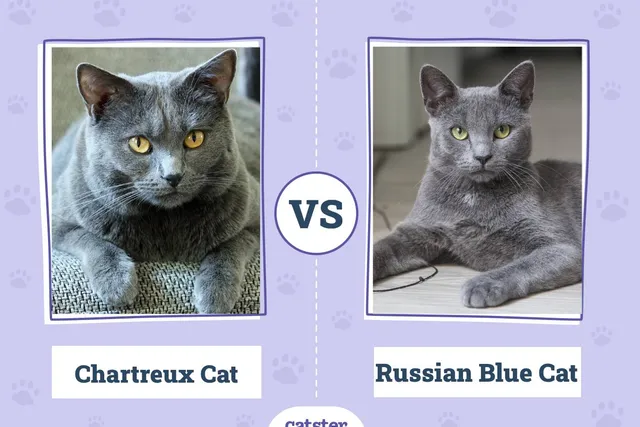
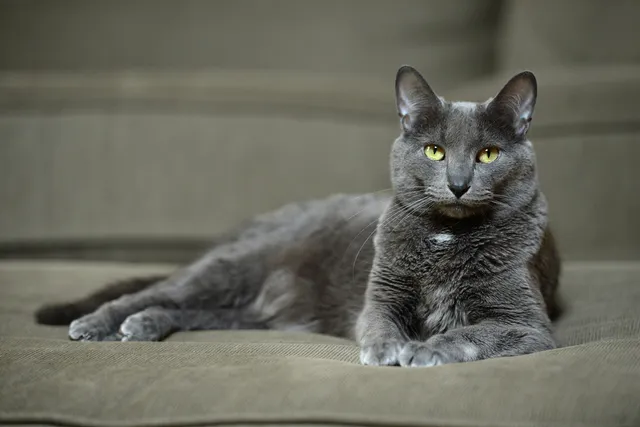
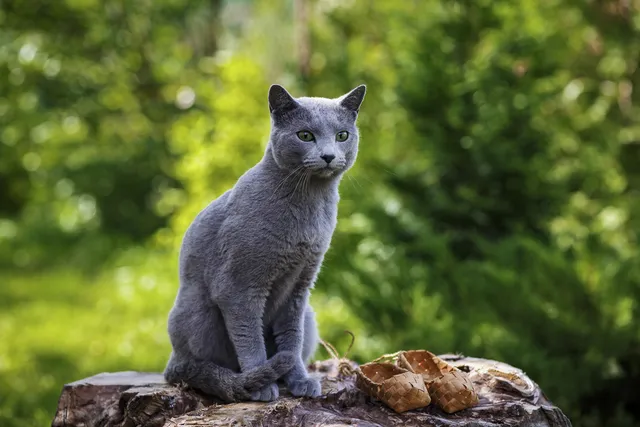
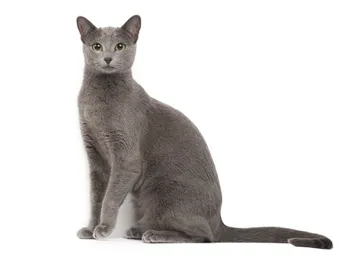
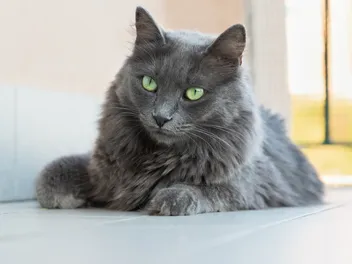
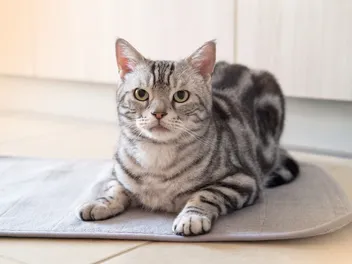
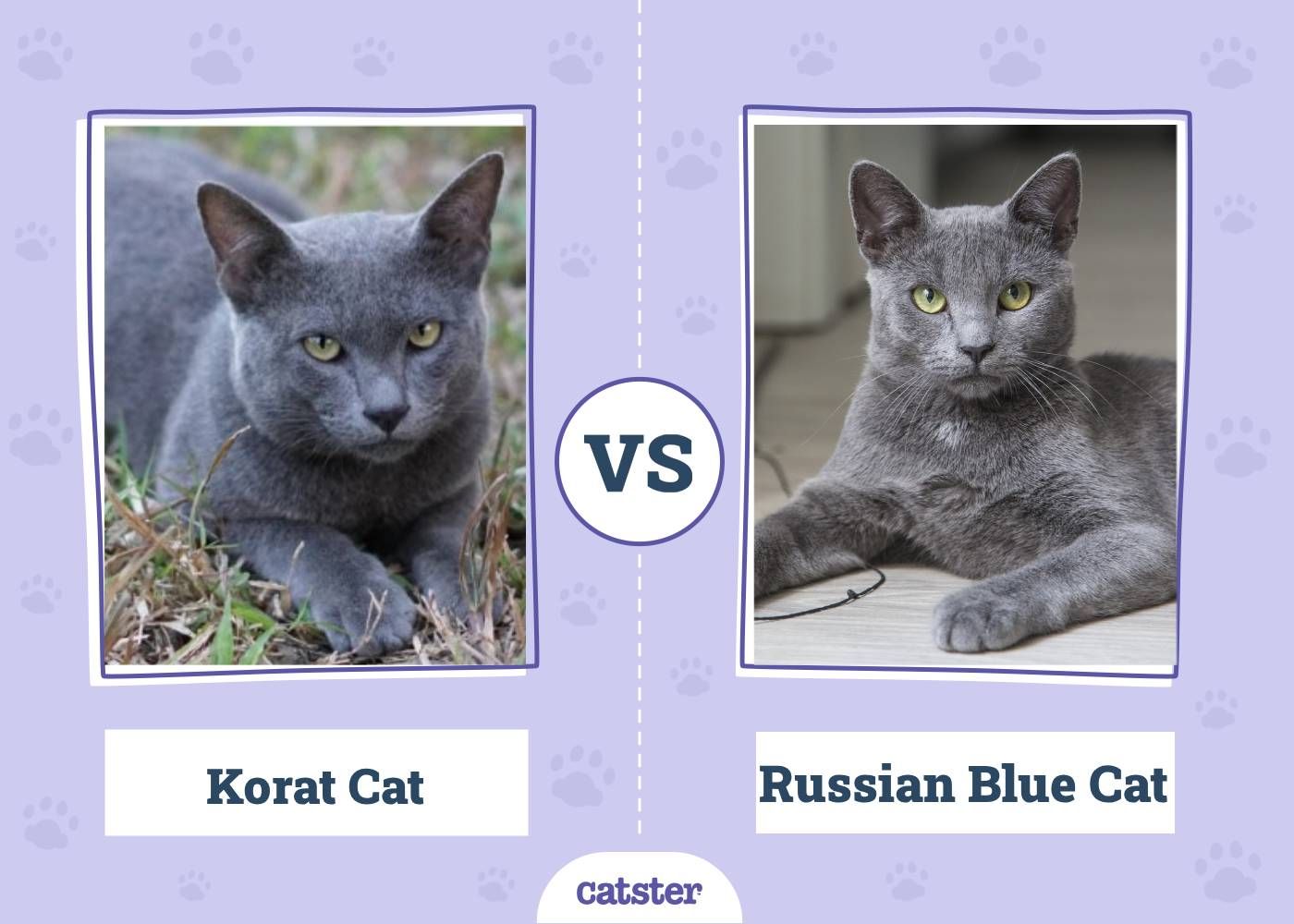
Korats and Russian Blues share a striking resemblance, even though the countries they hail from are thousands of miles apart. Both breeds are known for their shiny gray-blue coats and emerald-green eyes.
But the similarities don't stop there. These two breeds are quite close in temperament as well. Both are highly intelligent animals with similar personality traits. Some key differences do separate these breeds, though, and they can make one preferable to the other, depending on what you're looking for.
Do you want to give up control of your household to a feline ruler in exchange for good luck for the next 10–15 years? Or would you prefer a dignified and more reserved creature that thrives on routine and could be around for 20 years? To learn more about these differences and others, let's take a closer look at these two cat breeds.

Korat Cat vs Russian Blue: Visual Differences

At a Glance

Korat Cat Overview

Korat cats are thought to be good luck in Thailand, their homeland. Thailand was once known as Siam, and Korats have long been associated with Thai culture and history. Because they're steeped in superstition and mystery in their country of origin, Korats were traditionally given as gifts rather than purchased, often in pairs to symbolize good fortune.
Personality
This interesting mysticism and cultural significance surrounding this breed and the way that the Thai people hold them in high esteem may have something to do with the regal and confident personalities that this breed developed. They're always sure that they're the rulers of the household.
Regardless of who else lives in the home, the Korat is king or queen. With proper socialization and introductions, Korat cats generally get along well with people, other pets, and even dogs. However, many Korats tend to bond especially closely with other Korats and with their human family members.
Moreover, Korats need a ton of your attention. They don't want you to be gone all day and will show their displeasure when you are. When you're home, they want to be attached to you, demanding your attention. Anytime you sit down, your lap becomes their favored spot.
Health & Care
Korat cats are considered a fairly low-maintenance cat breed when it comes to grooming needs. They have a single coat that requires once or twice weekly brushing. You might need to do an additional weekly brushing in the spring when they're shedding their winter coat, though.
While this breed is considered healthy for the most part, Korats are known to carry a hereditary condition called gangliosidosis. Signs typically appear at a young age, and the disease is unfortunately fatal. Fortunately, reputable breeders screen breeding cats for the genetic mutation to reduce the risk of passing the condition on to kittens.
Even healthy Korat cats often live long lives, with many reaching 12–15 years or more.

Suitable For:
These cats are often best suited to people who spend a lot of time at home, as Korats tend to form strong bonds with their owners and enjoy regular companionship. If you're away from home for most of every day and there's no one home to provide attention for your Korat, you won't be a great fit. They can get along with other pets when properly socialised and introduced. However, because they can be confident and attention-seeking cats, they may do best with pets that have calm and compatible temperaments.
Russian Blue Overview

Russian Blues look very similar to Korats and share some personality traits, though there are some differences between them. Like the Korat, Russian Blues are rather rare cats. It's not certain where these cats originated from, though it is believed they're from the Archangel Isles in Northern Russia and made their way to northern Europe via ship in the mid-1800s.
Personality
This breed is known for their gentle demeanors. They're relatively calm most of the time, though they do enjoy having good play sessions with their people. However, these cats may be shy around strangers and are likely to disappear when company arrives. They're quite social with their own family but may take time to warm up to others.
Russian Blues are often described as fastidious and clean, particularly when it comes to their litter box, which should be kept clean to encourage consistent use.
These cats are highly intelligent, but they can be sensitive to changes in their environment or routine.
But this breed doesn't mind being alone, and they are fairly independent. If you work throughout the day, your Russian Blue won't mind, so long as they get a healthy and regular dose of your attention for the remainder of your free time.
Health & Care
Overall, this is a generally hardy breed with relatively few known health concerns. While no breed is completely free of genetic risks, Russian Blues are not strongly associated with major inherited diseases. They can have long lifespans, often ranging from around 15 to 20 years with good care.
While Russian Blues have double coats, it's very easy to care for and require little maintenance. A simple brushing a few times a week will keep their coat in great condition. Beyond this, standard care such as dental hygiene and regular ear checks is typically all that is needed.

Suitable For:
Russian Blues can be a good fit for people who spend much of the day working outside the home. They are often independent enough to adapt to a full-time working household, especially when they receive regular attention and stimulation during their time at home. They may tolerate being left alone for longer periods than some other breeds and will greet their owners when they return home. However, like all cats, they still require daily interaction, playtime, care, and enrichment.
Even better, they may be around for 15 to 20 years, which is an important long-term commitment for any owner.
The Main Differences Between Korat Cats and Russian Blues
Overall, these two breeds share more similarities than differences. They're pretty similar in many ways beyond just the fact that they look strikingly similar. However, there are still a couple of key areas where the differences between them are most noticeable.
Lifespan
Korats have a great lifespan of 10–15 years, sometimes extending longer than 15. But Russian Blues can live longer, 15–20 years, depending on their health, genetics, and care. This means a longer time with your furry friend, but also a much longer commitment.
Time Alone
Korats are very social and don't always enjoy spending time alone. If you're gone all day, every day, your Korat may be displeased, bored, and unhappy. This could lead to a stressful living situation for you and your Korat. But if you're home a lot or you have other family members in the same household who are home a lot, then your Korat might be able to get the attention they need.
But not everyone is in a situation to provide this much attention. Luckily, Russian Blues are fairly independent and don’t mind some time alone. If you're gone at work every day and there's no one else at home, your Russian Blue won't hold it against you. They'll demand your attention when you're home, but they won't be upset about the time you spent away.
Which Breed Is Right for You?

While both of these breeds can make excellent companion cats, two major differences separate them that can make one preferable to you. If you want your cat to be around as long as possible, the Russian Blue offers a longer lifespan of 15–20 years compared to the slightly shorter one of 10–15 years you'll get with a Korat. For someone who lives alone and spends much of the day at work, a Russian Blue can be a good option, as they are generally more independent and can tolerate alone time more easily. Russian Blue cats will still seek attention and interaction when you are home, but they are typically more adaptable to a working household routine. Korats, on the other hand, are often more social and may do better in homes where someone is frequently present or where they receive regular interaction throughout the day.
Related Reads:
Featured Image Credit: Left - Amornpant Kookaki, Shutterstock | Right - milivigerova, Pixabay
Expert cat care, straight to your inbox
News, insights, and useful advice, delivered to you.

No spam — unsubscribe anytime.
By signing up, you agree to our Terms & Conditions and Privacy & Cookies Policy.
How useful was this post?
Click a star to rate. You can leave written feedback afterwards. (We read all feedback.)
Christian started writing for a local newspaper as a teenager, and he's been involved in the publishing industry for most of his adult life. Combining his love of writing with a passion for animals, he is currently the Director of Editorial at Pangolia and the Editor-in-Chief at Catster.
Christian lives in the Philippines with his wife, son, and four rescue cats: Trixie, Chloe, Sparky, and Chopper.