Can Cats Eat Crawfish? Vet-Reviewed Risk & Benefits


In this article
It’s no secret that felines are seafood lovers. Crawfish might seem safe for your cat, and you might consider giving them a sample. While a small taste of cooked, adequately prepared crawfish won’t hurt your cat, it’s not an ideal snack for them.
Crawfish can pose several problems for our cats and is best avoided to eliminate the risk of adverse reactions. In this article, we'll examine what exactly it is about crawfish that is undesirable for your cat and the consequences it could have on their body.

Cats Shouldn’t Eat Crawfish
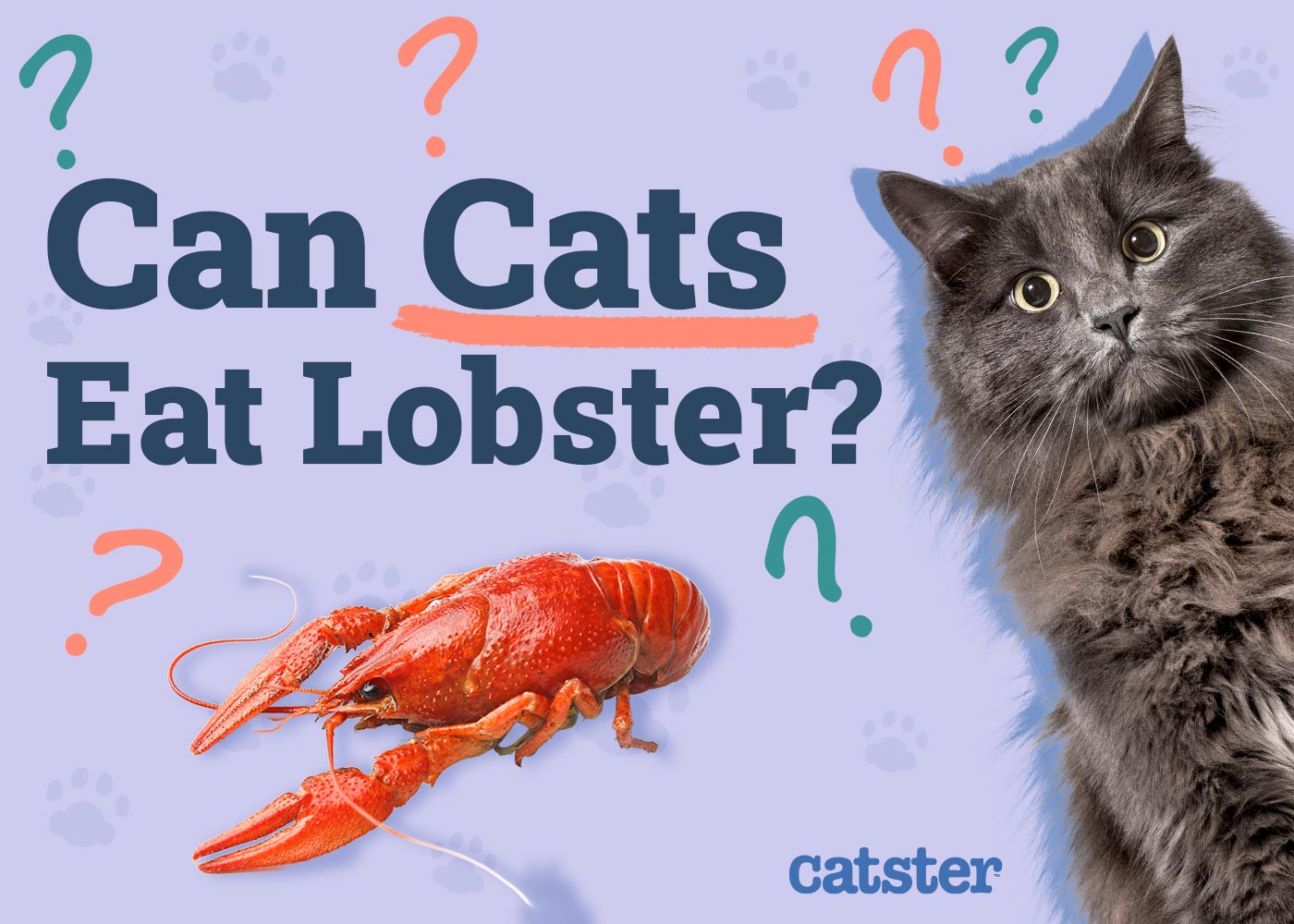
Crawfish, also known as crayfish or crawdads, are small crustaceans similar to lobsters. Cats shouldn’t have crawfish much, or at all, in their diet. It doesn’t provide sufficient nutrients necessary to keep your cat healthy. Plus, the risks usually outweigh the benefits.
Raw crawfish can carry lung flukes and bacteria that can make your cat extremely sick. Even cooked crawfish can carry risks of transmitting bacteria, and the shells are a serious hazard to the digestive tract.
Even though crawfish are aromatic and appealing to most cats, they should avoid them. If they have already consumed a large portion of crawfish, or you notice any unusual signs after they ate a small amount, call a veterinarian for further guidance. They might have you monitor your cat for several hours or days or request you come in.

Risks of Eating Crawfish
Crawfish might sound cat-friendly, but the risks should convince you otherwise. Here are some to consider before letting your cat sample your crawfish boil.
1. Food Poisoning
Raw or spoiled crawfish can carry harmful bacteria, but consuming it hours after it's been sitting out can also lead to problems. Crawfish can carry the risk of foodborne bacteria, such as E. coli, listeria, salmonella, and vibrio. This is very rare for processed crawfish, but it can occur. Your cat can get incredibly sick from these infections.
Signs of food poisoning include:
2. Choking Hazards
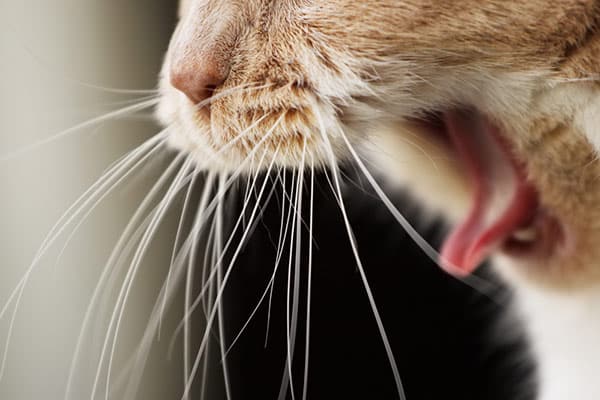
Because the crawfish's shell is sharp, rough, and indigestible, it can easily lodge in your cat’s throat. If it blocks their airway, it can be life-threatening.
Signs of choking include:
If a piece of crawfish is stuck in your cat's throat, get them to the vet as quickly as possible.
3. Intestinal Blockages
Crawfish have very tough exteriors that serve as protective armor in the wild. When cooked, the layer stays firm and will not break down easily. If your cat swallows the pieces, they can obstruct the intestines.
Signs of intestinal blockages include:
Gastrointestinal obstruction is an emergency and requires immediate intervention and usually surgery.
4. Cats Consuming Dead Crawfish
If you live in an area where cats can access wild crawfish, your cat could eat a dead, raw crawfish and run the risk of developing severe health problems.
As well as digestive issues and stomach pains, dead crawfish increase the risk of bacterial infections, including botulism. Although cats are more resistant to the botulism toxin when ingested, it can cause paralysis.
Signs can develop hours to days after ingesting contaminated food, they include:
Most cats recover from botulism with supportive care. An antitoxin is available, but it is unfortunately not effective once the signs of paralysis have developed. In very severe cases, the toxin can affect a cat’s ability to breathe and can even be fatal.

5. Seafood Allergies in Cats
Cats can suffer from food allergies, usually to more common protein sources such as chicken and beef. Seafood allergies, while rare, are possible. The signs of seafood allergies are similar to any other food allergy.
These signs include:
Speak to a vet if you are concerned your cat may be showing signs of a food allergy. They may discuss an elimination diet trial with you, but in the meantime, remove seafood from your cat's menu.
Health Benefits of Crawfish for Cats
Now that you know all the risks of cats eating crawfish, are there any positives? Your cat can get nothing from crawfish meat that they cannot get from their standard diet. However, they might enjoy the taste, and it has a few perks.
Crawfish contains a substantial amount of protein, omega fatty acids, B vitamins, calcium, magnesium, iron, zinc, and phosphorus. If you want to give your cat a cooked meat source to amp up the protein content in their diet, try boiled, unseasoned meat selections like chicken, turkey, and beef.

Do Cats Like Crawfish?
Because crawfish is a source of animal protein, your cat will probably be very attracted to it. If you're eating crawfish, they might come around to see if they can sample a few bites.
If your cat lived in the wild, they wouldn't touch a live crawfish since it's not a part of their diet. Naturally, some cats don't show much of an interest in it. But overall, it is an appetizing dish that will get most cats’ attention.

Throwing Away Crawfish Leftovers
If you had a meal with crawfish, it is essential to dispose of it properly. If you throw away crawfish shells, your cat might be tempted to dive in the trash. Therefore, taking the trash out shortly after pitching the leftovers is best. If your cat gets ahold of the crawfish, they can eat pieces of the shell, causing choking and blockages, as we mentioned above.
Meat sitting out can also spoil quickly, leading to foodborne illness. Properly disposing of the contents can easily prevent those issues. The best way to prevent your cat from getting into this is to remove it from the home or make it inaccessible overnight to avoid the situation altogether.
Conclusion
Due to the risks, crawfish is far from an ideal treat for your cat. However, if you give your cat a small taste, ensure all exoskeleton pieces are fully removed, and the crawfish is thoroughly cooked.
Your cat can get most of their nutrients from cat food sources, and although crawfish contains protein and other nutrients, is not a natural part of a feline’s diet. There are plenty of other alternatives that can provide essential nutrients for your feline companion.
Featured Image Credit: Si Vo, Shutterstock

Expert cat care, straight to your inbox
Vet-reviewed advice, behavior tips, and the best of Catster. Free, and you can unsubscribe anytime.
By signing up, you agree to our Terms & Conditions and Privacy & Cookies Policy.
Lindsey and her husband enjoy traveling the US with their kids and photographing wildlife. Her passion is to educate others on the importance of proper animal care, with an emphasis on reptiles and exotics since their care requirements can be much more complex. She is also a huge advocate for bully breeds. She feels most at home in the forest either on horseback or in hiking boots.
Join the conversation
Ask a question, share your story, or send private feedback.