Can A Cat And A Newborn Interact Safely? How to Prepare & Safety Risks

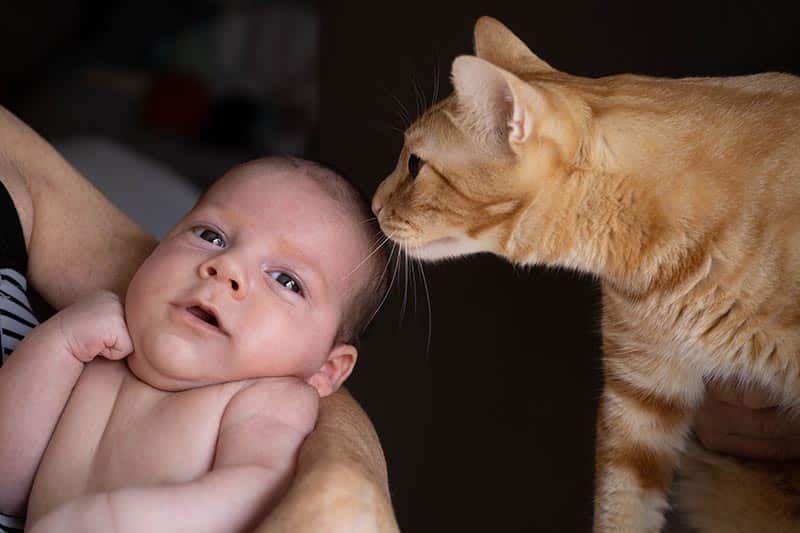
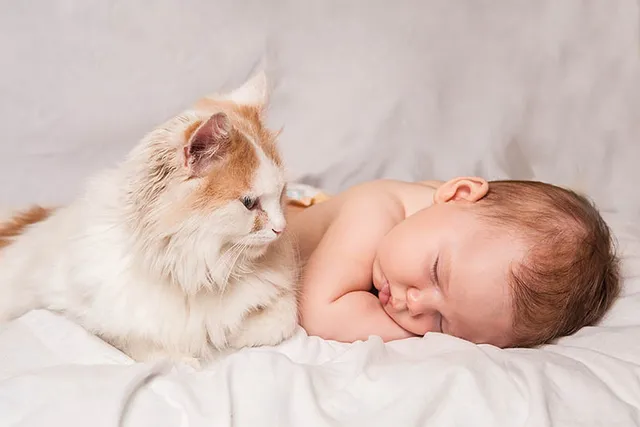
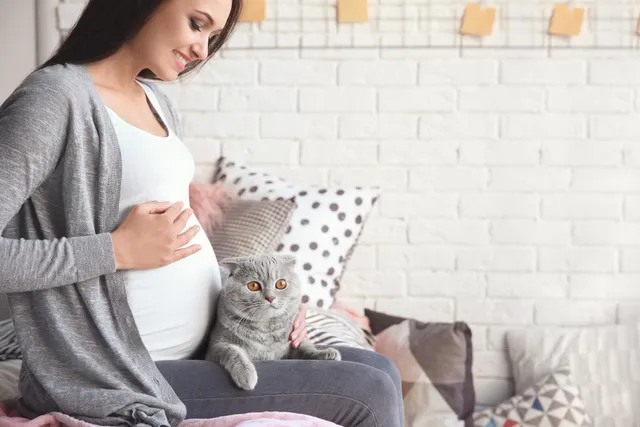
If you have a cat and are expecting a baby, you might wonder whether it’s safe for your pet and your newborn to spend time together. While brief, gentle interactions can be safe, they should always be closely supervised. It’s important never to leave a cat and a newborn alone, even for a short time. Babies’ natural tendency to explore with their hands can easily startle or stress a cat, and even the gentlest pet may react defensively if they feel threatened.
And a calm, well-meaning cat can accidentally injure a napping baby who is too young to move their body. Cats’ preferences for routine and habit mean that they may not cope well with changes, and a newborn can cause some form of feline distress. But there are things you can do to create a safe environment for your new baby and help your cat stay relaxed through the changes in the coming months.
Read on for a few suggestions on how to get the feline-newborn relationship moving in the right direction.

Avoid the Absolute No-Nos
Cats shouldn't be allowed to sleep in the same room with too young babies, as it poses a risk of suffocation. While it is okay for cats to investigate and cuddle up with babies while supervised, cats and newborns should only be allowed to interact when an adult is keeping an eye on everyone.
Children shouldn't be left alone with the cat until they are old enough to understand how to interact properly with animals, as children's natural tendency to chase and touch can become stressful for some pets.

Prepare Ahead of Time to Minimize Feline Stress
Cats often become stressed out when a new baby arrives. Many cats react badly to environmental changes, such as a new guest in the house. Stressed cats may stop eating, urinate outside of the litter box 1, groom excessively, and hide. Other behaviors that sometimes point to an anxious kitty include excessive vocalization, hypervigilance, or destructive behaviors.
Getting your cat used to the sights and smells of your new baby’s items ahead of time can go a long way toward reducing your pet’s stress and keeping them happy once the big day arrives. Here are a few specific things to take care of to prepare your cat for your baby’s arrival.
Move the Litter Box
If your cat’s litter box is currently in the room that will become the nursery, move it to a different area well before your baby arrives. To help your cat feel comfortable, place several litter boxes in quiet spots around the home, especially if you have multiple cats or a large space. This helps reduce stress and prevent accidents during the adjustment period.
Set Up the Nursery
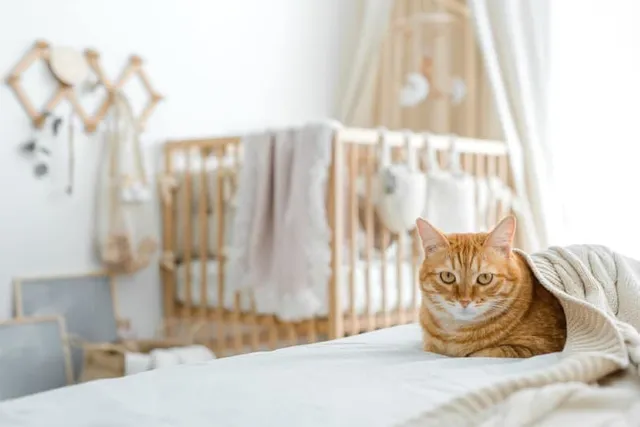
Prepare the nursery several weeks in advance so your cat can explore and get used to the new space. About a month before your due date, start keeping the nursery door closed so your cat learns that it’s no longer an accessible area. This gentle change will help prevent confusion or frustration once the baby arrives.
Get Your Cat Used to the Sights, Sounds, and Smells
You can purchase baby products, like lotion and shampoo, ahead of time and use them every once in a while instead of your usual products so your cat begins associating baby smells with something warm and familiar.
You can assemble products like electronic swings ahead of time and consider running them for a few minutes every few days to acclimatize your pet to new noise makers. Also, you can play recordings of crying babies while your cat is around to prepare them for what’s coming; this can go a long way toward keeping your pet calm when your baby starts to cry.

Make Routine Changes Early
Make any changes to your pet's routine at least a month before your baby comes home to give your cat time to adjust. Cats are particularly sensitive to changes involving food, grooming, and activities they are accustomed to doing with their favorite human.
If you're usually the one who feeds the cat and don't expect to be able to do so regularly after the baby arrives, have whoever will be taking responsibility for your pet's meals begin doing so about a month ahead of your baby’s anticipated arrival. Starting these transitions early gives you time to identify any problems with the new routine and rectify them in time for the big day.
Create a Safe Space for Your Cat
Provide your cat with a quiet, secure area where they can retreat if they become anxious or overwhelmed. Ideally, choose a spot away from the baby’s room, since cats’ exceptional hearing can make the sound of a crying baby particularly stressful.
Equip your cat’s hideaway with a comfortable bed, an enclosed space where they can tuck themselves away, and at least one elevated perch or shelf that allows them to observe their surroundings from a safe distance. This helps them feel secure and in control. You can also sprinkle a bit of catnip or use a familiar blanket to make the area more inviting and relaxing.
Introduce Your Cat to Your Baby Slowly
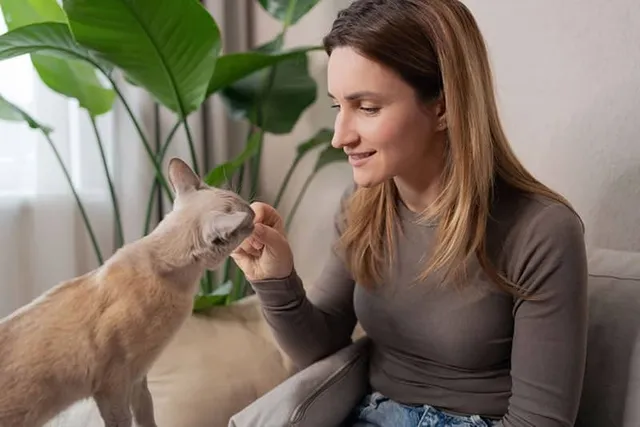
Cats rely heavily on smell to identify family members. Before leaving the hospital, set aside a blanket your baby has napped in or something they've worn for your cat to take a few introductory sniffs of after you've reconnected. Spend time with your cat as soon as you come home without the baby. Give your buddy lots of love and ensure they feel secure.
Once your cat feels good, introduce them to the object that smells like the baby. If everything seems to be progressing well, allow your cat to investigate your baby while you look on. After getting your baby settled in the nursery, spend more time with your cat. If you can manage a few minutes of dedicated cuddle or playtime, it will establish a foundation of trust and love between you and your feline companion.
Don't forget to take a few precautions to ensure your cat and baby remain healthy. Wash your hands after handling your cat, and ensure your baby's little fingers and hands get cleaned if they've touched the cat.

Conclusion
Cats and newborns can interact safely if you plan and take a few precautions. Cats and babies should never be left alone since some kitties find interacting with children stressful, and cats shouldn't be allowed to nap with babies to prevent suffocation or accidental injuries.
Because cats sometimes struggle with environmental changes, it often helps to introduce the baby’s clothes to your pet before they come home to reduce the stress your cat may feel about its new roommate.
Next on your reading list:
Featured Image Credit: Julieta Fotografia, Shutterstock
Expert cat care, straight to your inbox
News, insights, and useful advice, delivered to you.

No spam — unsubscribe anytime.
By signing up, you agree to our Terms & Conditions and Privacy & Cookies Policy.
How useful was this post?
Click a star to rate. You can leave written feedback afterwards. (We read all feedback.)
Lorre Luther is a writer who is firmly convinced that cats are smarter than humans. She left her law career in the United States and moved to the Netherlands to follow her dream of becoming a writer. Lorre currently lives in Rotterdam, she enjoys traveling and greatly appreciates the beauty of nature. Lorre has a spot for animals and admires the intelligence of cats.