Can a Cat Take Baby Aspirin? Vet-Approved Facts & Safety Tips


In this article
No one wants to think about their beloved pet in pain, so it can be tempting to give your cat some relief from your medicine cabinet. If you suspect your cat is hurting, you might wonder if a cat can take baby aspirin to feel better. You should never give baby aspirin to your cat without a vet prescription since aspirin poisoning is very dangerous and can even be fatal for your cat.
Keep reading to learn more about why it is not safe for you to give aspirin to your cat without veterinary supervision, as well as when your vet might prescribe this medication to your kitty. We will also cover the signs of aspirin poisoning in cats and what to do if you notice them.

Baby Aspirin and Cats
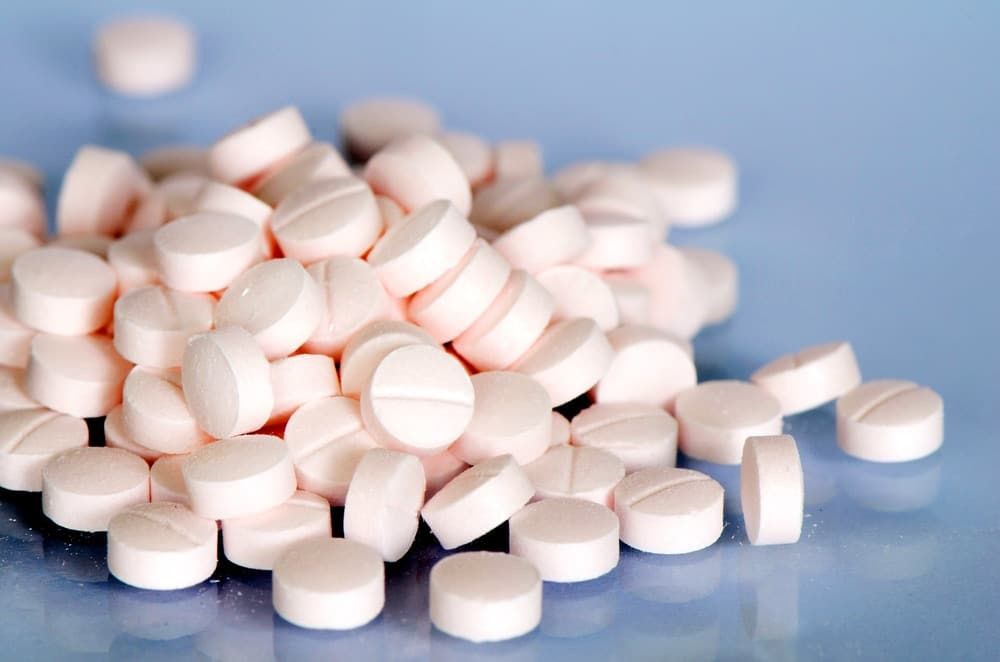
Baby aspirin is a non-steroidal anti-inflammatory medication available over the counter. In humans, it’s used to lower fevers, relieve pain, and help prevent blood clots. Aspirin is from a class of chemicals called salicylates, which are potentially toxic to cats when used incorrectly.
By far, the most common reason that baby aspirin is prescribed in cats is for conditions that may cause blood clots. Baby aspirin helps to prevent the formation of clots. It is very rarely used for pain because there are better options for cats with fewer potential side effects and dangers.

The Dangers of Baby Aspirin for Cats
Baby aspirin decreases inflammation by blocking chemical processes in the body that produce this response. However, the delicate balance is that those same processes are also necessary for proper kidney, liver, and blood clotting functions.
Cats are different from humans and dogs in the way that they break down and eliminate certain drugs, including aspirin, from the body. They can’t do this as effectively as other animals, and it takes longer to remove the drug from their systems. Because of this, baby aspirin can reach a toxic level in cats from a single high dose.
Signs of Aspirin Poisoning
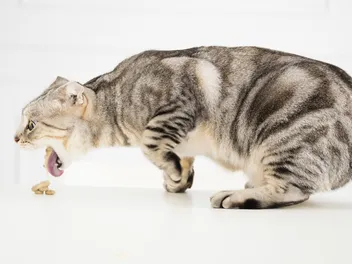
If your cat is suffering side effects or aspirin poisoning, you may notice some specific signs. The most common and usually earliest signs are from the cat’s digestive system.
- Vomiting
- Diarrhea
- Belly pain
- Decreased appetite
- Dark stools
Too much aspirin can also cause kidney and liver damage in cats, either with long-term use or just one high dose. Signs that your cat is suffering more severe complications from aspirin poisoning include:
- Faster breathing
- High temperature
- Bruising and bleeding
- Tremors
- Wobbly gait
- Seizures
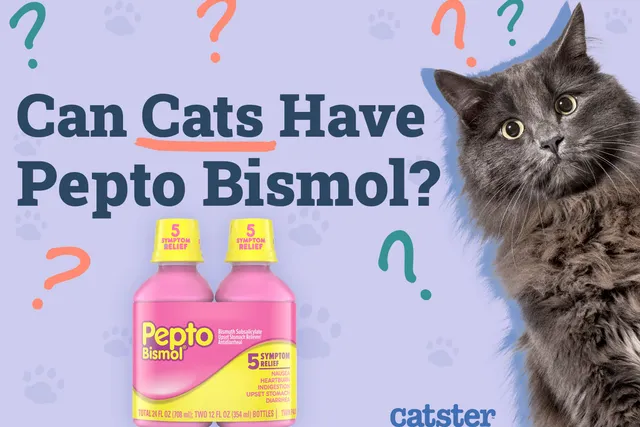
If you notice these signs in your cat, take them to your veterinarian as soon as possible. Be honest with your vet if you know your cat was given a baby aspirin or ingested another medication with aspirin in it, like Pepto-Bismol. Aspirin poisoning is treated with supportive care, as there is no specific antidote.
If you notice that your cat accidentally had aspirin, you should take them to the vet immediately for treatment. If that is the case, inducing vomiting or pumping the stomach (gastric lavage) will help to eliminate some of the drug.
Depending on your cat’s clinical signs, your vet may recommend hospitalization, activated charcoal, fluids, and medications to protect the body from the damage.
Keeping Your Cat Safe
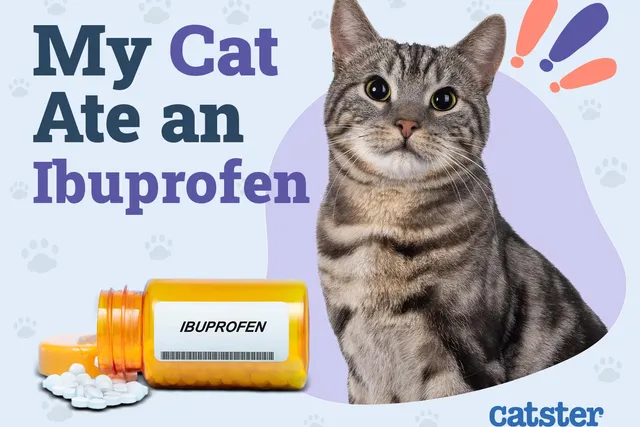
Never give your cat a baby aspirin or any medicine containing aspirin unless your vet has prescribed it for them. Aspirin side effects can even be seen after giving your cat the dose recommended by your vet, so it is very important to monitor your cat for any digestive problems or changes in demeanor if they are taking aspirin. Keep all medications safely locked away where pets (or kids) can’t access them. Be aware of other items in your house that contain salicylates and keep them away from your cat.
Wintergreen oil, Pepto-Bismol, pain creams, and many hair and skin products contain some type of salicylate. Ingesting these could put your cat at risk for aspirin poisoning, especially if they’re already taking the drug as prescribed by a veterinarian.
Conclusion
While some human medications, including baby aspirin, are technically safe for cats when given at the correct dose, you should never medicate your kitty on your own. As we learned, cats don’t process drugs the same way humans do, and a safe feline dose will be much lower than for humans. In addition, if your cat is dealing with pain, you’ll want to see your vet to diagnose the root of the problem rather than trying to treat the signs with over-the-counter medicine like baby aspirin which can be potentially fatal to them. Do not take chances with your kitty’s health, and take the time to get them the care they need.
Sources
Featured Image Credit: Kwangmoozaa, Shutterstock
Expert cat care, straight to your inbox
News, insights, and useful advice, delivered to you.

No spam — unsubscribe anytime.
By signing up, you agree to our Terms & Conditions and Privacy & Cookies Policy.
How useful was this post?
Click a star to rate. You can leave written feedback afterwards. (We read all feedback.)
Elizabeth Gray is a lifelong lover of all creatures great and small. She got her first cat at 5 years old and at 14, she started working for her local veterinarian. Elizabeth spent more than 20 years working as a veterinary nurse before stepping away to become a stay-at-home mom to her daughter. Now, she is excited to share her hard-earned knowledge (literally--she has scars) with our readers. Elizabeth lives in Iowa with her family, including her two fur kids, Linnard, a husky mix and Algernon, the worldʻs most patient cat. When not writing, she enjoys reading, watching all sports, and spending time outdoors with her family.