Why Is My Cat Shaking? Our Vet Explains

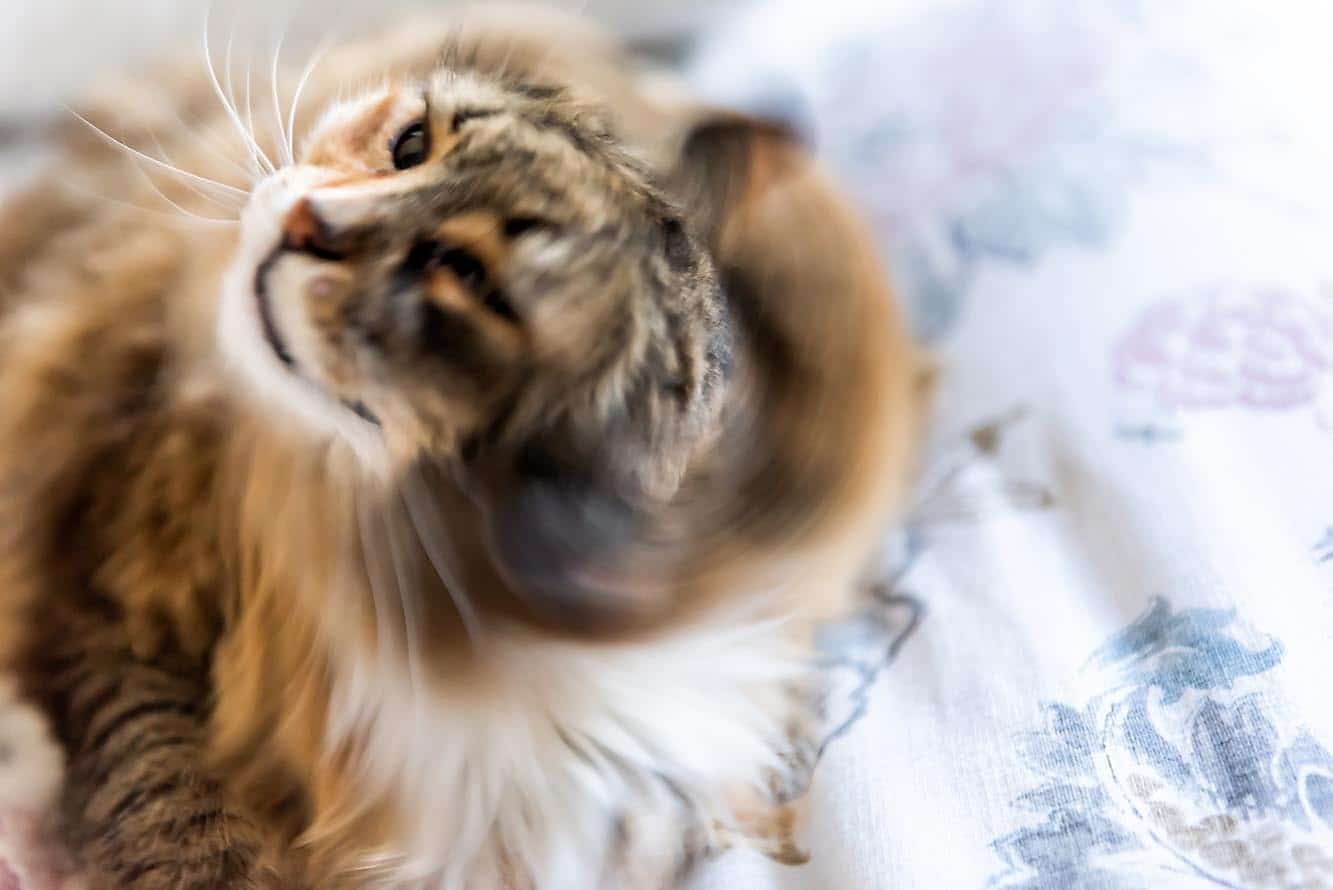
Seeing your cat shaking is alarming for any pet parent and shouldn’t be ignored. If your cat has suddenly started shaking, the first thing you should do is speak to a veterinarian! This is an important step, as it can be difficult to determine why your cat is shaking without their help. They will talk through your cat's signs with you and provide reassurance about what to do next. They can also decide if your cat needs veterinary care urgently.
Your cat may be shaking all over or just part of their body like their ears, head, paws, or tail. Shaking might also be described as twitching, tremors, seizures, or any abnormal movement that appears involuntary.
If you can, take a video of your cat's behavior, as it is easier for the vet to see what your cat is doing than for you to have to explain it.

What Causes Shaking in Cats?
Unless your cat has other signs, it can be challenging to know what is causing your cat’s shaking without a veterinary exam. A veterinarian will use their expertise to identify the likely cause and start the treatment your cat needs.
As well as examining your cat, the veterinarian may ask you questions about your cat’s lifestyle to narrow down the possible causes.
Questions a vet may ask:
Your cat’s age and condition can also give helpful clues as to the cause of their shaking.
Some common reasons why your cat might be shaking are:
Low Body Temperature
Your cat might have a low body temperature if they have been outdoors in very cold or wet conditions for too long. If this is extreme, we call it hypothermia. Kittens or cats that are very thin are particularly at risk of becoming hypothermic in harsh weather. Other signs of hypothermia are lethargy, slow reactions, or loss of consciousness.
Other causes of a low temperature could be shock, blood loss, toxins, poor circulation, or if your cat has been unwell and inactive for several days.
If you think your cat has got too cold, warm them up slowly and dry their fur if they are wet. You should call a veterinarian for advice if your cat is still unwell after doing this.
High Body Temperature
If your cat has a high body temperature, it can also make them shake. The most common cause is if your cat has a fever. Cats with fevers are often lethargic, off their food, or just not themselves. Feeling the tips of your cat’s ears is a helpful way of estimating if they are hotter than usual. If you think your cat has a fever, you should get them checked by a veterinarian, especially if they are not eating.
Cats can also get heat stroke which causes a high body temperature, called hyperthermia. Hyperthermia is more extreme than a high body temperature caused by fever. Heat stroke is not seen as often in cats as dogs, possibly because most cats are indoors during the hottest parts of the day. However, it is still possible, so take caution on hot days. Other signs to watch out for are panting, dribbling, pacing, rapid breathing, tremors, or loss of consciousness. You will need to call a veterinarian as soon as possible if you think your cat has heat stroke.
Placing cool, damp towels over or under your cat can reduce their temperature or make them feel more comfortable until you have seen a veterinarian.

Image By: Pet-Temp Instant Pet Ear Thermometer, Chewy
Anxiety or Pain
Cats that are shaking because they are frightened or nervous can look similar to those that are in pain. Unless they have obvious signs of pain, such as limping or a wound, it could be difficult to determine which they have. Anxiety or pain can cause your cat to have involuntary full-body tremors. Usually, they are random, and your cat might just tremble for a short time, stop, and then tremble again.
You may have noticed other signs, such as poor appetite, reduced play, and excessive or lack of grooming. An anxious or painful cat will often hide, and they may hiss or spit if you approach them. Any of these signs seen in your cat indicate that you should seek veterinary advice.
If your cat is in pain, the veterinarian will help to locate the cause and prescribe pain relief if needed. If anxiety is causing your cats to shake, you may need to make some changes at home to create a more stress-free environment. A veterinarian can advise you.
Illness
Your cat could be shaking because they have an illness that is making them feel unwell.
Some ailments that cause cats to shake are:
Low Blood Sugar
Healthy cats can control their blood sugar, so it is not too high or too low. Some cats, such as those with diabetes or kittens, are at greater risk of having low blood sugar, called hypoglycemia. A cat that has been not eating or vomiting can also suffer from low blood sugar. One of the signs of hypoglycemia in your cat is twitching or tremors. They can also be lethargic, anxious, or weak, and if left untreated, hypoglycemia can cause seizures and be fatal.
If you think your cat has low blood sugar and is awake, you can feed them a small amount of food or a glucose solution. You should always call a veterinarian in this scenario, who can check your cat’s glucose levels and give the correct treatment. If your cat is having a seizure or is unconscious, they will need to see a veterinarian as soon as possible, as this is an emergency.
Infections
Infections can cause your cat to shake or tremble all over. This is likely if your cat has a fever, pain, or nausea. Poorly cats may feel anxious too, which could make them tremble.
Sometimes your cat will only shake the area where there is an infection because of pain or discomfort. Common sites for infections in cats are the ears, paws, mouth, eyes, and nose. Cats with cat flu can shake their head in an attempt to clear mucus from their nose.
You may notice other signs, such as a strong smell in the infected area, poor appetite, or lethargy.
If your cat seems unwell, you should take them to see a veterinarian, as infections that are left untreated can cause complications and are sometimes fatal.
Toxins
Toxins that cause your cat to shake or twitch are called neurotoxins. Cats that go outdoors are at a greater risk of accessing toxins, such as slug pellets, moldy food, rodenticides, and lead. So, it's always worth checking your garden for these hazards.
We, as pet parents, can also put our cats at risk from household hazards. Tremors are a common sign of chocolate, caffeine, or essential oil exposure.
Another common toxicity in cats is permethrin exposure. Permethrin is sometimes found in flea preparations that are intended for dogs, and cats can have permethrin applied accidentally or be exposed through close contact with dogs. One of the major signs of permethrin toxicity in cats is shaking or twitching, followed by staggering, breathing problems, seizures, and sometimes death.
Signs of toxicity in cats usually appear rapidly and can progress quickly. If you think your cat has been exposed to toxins, you should call a veterinarian urgently. The outcome will be better the sooner treatment is started.
Tumors
Older cats are at greater risk of developing tumors that can cause shaking. Growths or cancers that occur in your cat's nerves or brain can also cause changes in their behavior. Your cat may have jerky movements, twitching, increased sensitivity to touch or light, or they can have seizures. Any of these signs should be investigated if you see them in your cat.
Tumors of the nervous system are challenging to diagnose. First, a veterinarian will need to control the worst signs, such as seizures. Your cat may need a brain scan to look for a tumor, which sometimes means referring your cat to a specialist center.
Skin Issues
Your cat’s skin may twitch if they have a skin problem. The most common of these are flea infestations but also allergies and infections. Fleas will irritate your cat and often cause involuntary skin spasms. Some cats may react badly to flea saliva, causing intensely itchy, crusty spots all over their back. Your cat will need flea prevention and treatment for their skin, which a veterinarian can help with.

Image By: Maja Marjanovic, Shutterstock
Side Effects of Medication
Some cats can suffer side effects from taking medication. Tremors are a potential side effect in cats taking appetite stimulants, worming treatment, pain medication, seizure medication, antibiotics, or antihistamines. It’s not common for cats to suffer these side effects, so speak to a veterinarian if you are concerned about your cat after they have taken their medication. Always take the veterinarian's advice when your cat has been prescribed treatment.
What Should I Do if My Cat Is Having a Seizure?
What to do:
So, Should I Act if My Cat Is Shaking?
The causes of shaking in cats are numerous and often difficult to diagnose without further investigation. Your cat's shaking is likely to be treatable, and you shouldn’t wait for your cat’s symptoms to get worse. The sooner your cat gets their diagnosis and starts treatment, the better the outcome is likely to be. The best thing you can do is call and speak to a veterinarian to discuss your concerns.
Featured Image Credit: Kristi Blokhin, Shutterstock
Expert cat care, straight to your inbox
News, insights, and useful advice, delivered to you.

No spam — unsubscribe anytime.
By signing up, you agree to our Terms & Conditions and Privacy & Cookies Policy.
How useful was this post?
Click a star to rate. You can leave written feedback afterwards. (We read all feedback.)
Dr. Joanna Woodnutt BVM BVS (Veterinarian)
Joanna is an experienced veterinarian working in the UK. She has written about pets and their health for many blogs, pet magazines and pet websites and loves to help readers understand their pets through her writing.
She has started her own freelance company so she can help more pet parents than just the one standing in front of her in a consultation room.
She enjoys teaching and educating clients, so a career in writing, public education and pet health is the perfect combination for her.