Botflies in Cats: Signs, Causes & Care (Vet Verified)


In this article
A botfly larva doesn’t intend to find its way onto your cat, but it could cause a problem if it does. Once there, it will burrow and make your cat its host for the next month. Skin lesions often look much more severe than they are but require consistent care to heal over time.
However, if an egg or larvae finds its way into your pet’s eye or nose or burrows deep into its skin, it may cause more severe complications. Pet owners with cats who spend time outdoors should know the signs of Cuterebriasis to treat it as soon as possible. Keep reading to learn more about botflies in cats.

What Are Botflies in Cats?

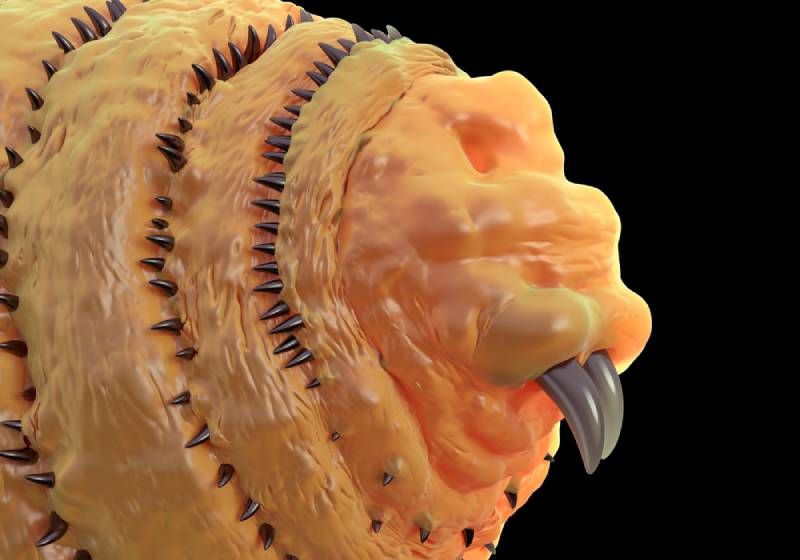
Botflies are a family of 40 or more species of flies that appear bee-like and are quite large. Those that are most dangerous to cats and other small mammals like dogs and rodents are the Cuterebra. These botflies reproduce with parasitic larvae that typically grow inside the flesh of wild rodents. However, they are not against infecting a cat who happens to pick up eggs as they pass by. Female botflies lay their eggs along rodent burrows on low-lying vegetation or nearby rocks where they are most likely to find a host. Outdoor cats who hunt rodents are especially vulnerable.

What Are the Signs of Botflies in Cats?

Adult botflies typically lay eggs in the late summer and early fall, which is when pet owners should be most vigilant about looking for signs of warbles. This is especially true for cats that spend time outdoors and live in tropical climates, although botflies are found throughout most of North America.
Cutaneous Manifestation
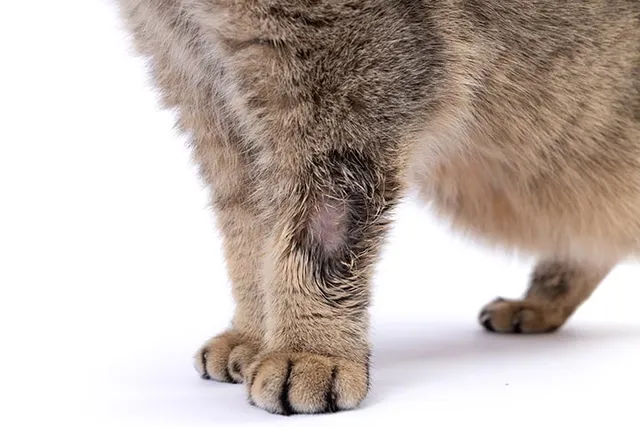
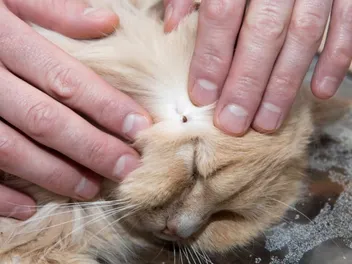
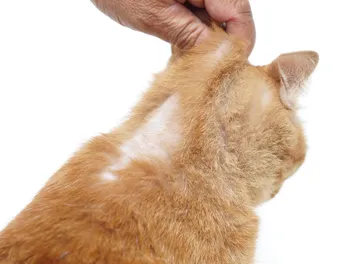
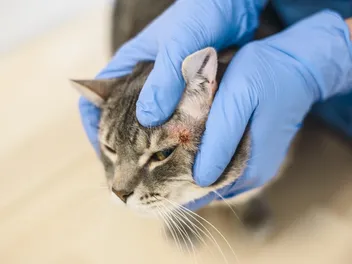
Most cases of botflies in cats are subcutaneous infestations. Botflies will normally form warbles, which are located in the skin, usually around the head and neck. A large “lump” in the skin with a well-defined pore in the center may have a clear, serum-like discharge. The size of the lump and pore depends on the lifecycle of the larvae at the time it’s discovered. You may see the larvae moving beneath the skin, but warbles rarely cause infection until after the botfly larvae leave the warble and there is an open wound.
Warble
Other Locations & Signs
Not all Cuterebra larvae stay in the skin to form a warble. While rare, some may migrate through the skin to damage structures or organs underneath, such as the nerves or spinal cord. In that case, a botfly can develop near or inside the brain, causing permanent neurological symptoms like dementia, circling, and blindness.
When a larva burrows into the eye, the signs may be immediately apparent, but not so if it were to burrow into the nose. The signs will depend on the affected location; if the larva is in the eyes, it could result in blindness, but if it is in the nose, the signs can range from unilateral swelling to respiratory problems.

What Are the Causes of Botflies in Cats?
Botflies are commonly found in tropical climates, like the southern US, but can be anywhere from southern Canada to northern Mexico. Because they are native to such a large area, all cats may be at risk of Cutebriasis, even if they are relatively rare.
Because cats are not the intended target of Cuterebra botfly larvae, they are considered an opportunistic host. Once attached, the host’s body heat triggers the egg to hatch. Then, it will burrow into the body, whether the skin, an open wound, or an orifice like the nose or mouth. Once buried in the skin, the larvae are more commonly called warbles. The location and how the larvae develop depends on chance and the particular species.
In the cutaneous manifestation, after approximately 3–7 weeks, the larvae will have completed their lifecycle within the host and will exit the skin to enter their next phase of growth. The exact time needed will depend on the species, time of year, and other factors. The treatment required will also vary depending on when the botfly is discovered and how many are present. Because botflies lay up to 15 eggs at one location, it’s not uncommon for a cat to experience several of them.
How Do I Care for a Cat With Botflies
If you’ve spotted a botfly in your cat, your vet must care for them, as your vet is more experienced in removing the botfly and caring for the warble to prevent infection. If possible, the larvae should be removed gently and in one piece. Squeezing the warble will only cause it to retreat further and may cause it to rupture, which may cause infections or even anaphylaxis, a severe and sometimes deadly allergic reaction. In serious cases with respiratory or neurological signs, a CT scan or other diagnostic tests could help determine the extent of the infestation.
If the larvae are in the skin, the vet will carefully remove them and provide home-care instructions to keep the wound clean and prevent secondary infections. This will likely include oral antibiotics and wound coverings that may need to be changed daily.
In minor cases where the infestation was caught early, long-acting antibiotic injections may be effective. The Companion Animal Parasite Council suggests using Ivermectin, an anti-parasitic medication, and corticosteroids in some cases where neurological signs aren’t present. Your veterinarian will determine the best treatment for your cat and discuss these with you.
Warbles tend to heal slowly, so treatment could take some time, but the prognosis is usually good. Your cat will depend on you for daily care for quite some time to prevent infection and must stay indoors as they recover.
Frequently Asked Questions (FAQ)
Can you prevent botflies in cats?
Outdoor cats will likely hunt small rodents, either for fun or food. Rodents’ habitats are the most likely locations for botfly eggs, so preventing botflies may be impossible for those cats who enjoy hunting. If your cat must go outside, pet parents should know the physical signs of warbles and check for them often. While rare, you should also be aware of the neurological signs so treatment can begin as soon as possible should there be a more complex Cuterebra infestation.
Can botflies infect humans, too?
Because humans rarely burrow around rodent nests or dens, it is incredibly rare for a botfly to infect a human. It’s also much easier to spot a developing warble on a human. A botfly will not infect a human or another animal after it’s left or been removed from a cat. Humans typically do not have to worry about botflies.
Can you remove a botfly yourself?
No! You should never attempt to remove a botfly at home for several reasons. First, your cat should have a numbing cream or injection to make them more comfortable, and your vet will have the proper medication for that.
The larvae should also be removed in one piece. If you don’t have the right tools or experience, you may damage or rupture the larvae, inadvertently causing an allergic reaction or infection with the fluids and chemicals released into your cat’s body. Never try to squeeze a warble to force a larva out of the pore. It will cause it to retreat further.
Conclusion
Botflies in cats are more common than you think, and most cases can be treated relatively easily at your vet’s office. If your cat has swelling or a skin lesion, it’s time to take them to the vet for evaluation. Remember, botflies should be carefully extracted and treated with medication. Never try to remove one yourself. A pet should always see their vet for respiratory or neurological symptoms since they can be signs of a number of illnesses.
Sources
https://www.sciencedirect.com/topics/agricultural-and-biological-sciences/cuterebra
https://www.mspca.org/angell_services/anaphylaxis-in-dogs-and-cats/
https://www.ama-assn.org/delivering-care/public-health/what-ivermectin
https://todaysveterinarypractice.com/parasitology/cuterebriasis-in-dogs-and-cats/
Featured Image Credit: Peddalanka Ramesh Babu, Shutterstock
Expert cat care, straight to your inbox
News, insights, and useful advice, delivered to you.

No spam — unsubscribe anytime.
By signing up, you agree to our Terms & Conditions and Privacy & Cookies Policy.
How useful was this post?
Click a star to rate. You can leave written feedback afterwards. (We read all feedback.)
Krysha is the owner of a chatty Tortie cat named Shelly, whom she rescued and cares for. Through her experiences caring for various animals such as dogs, cats, turtles, lizards, hamsters, and fish, Krysha has been motivated to promote awareness about local animal shelters and advocate for simple ways to assist them.