American Shorthair Cat Health Problems: 10 Common Issues


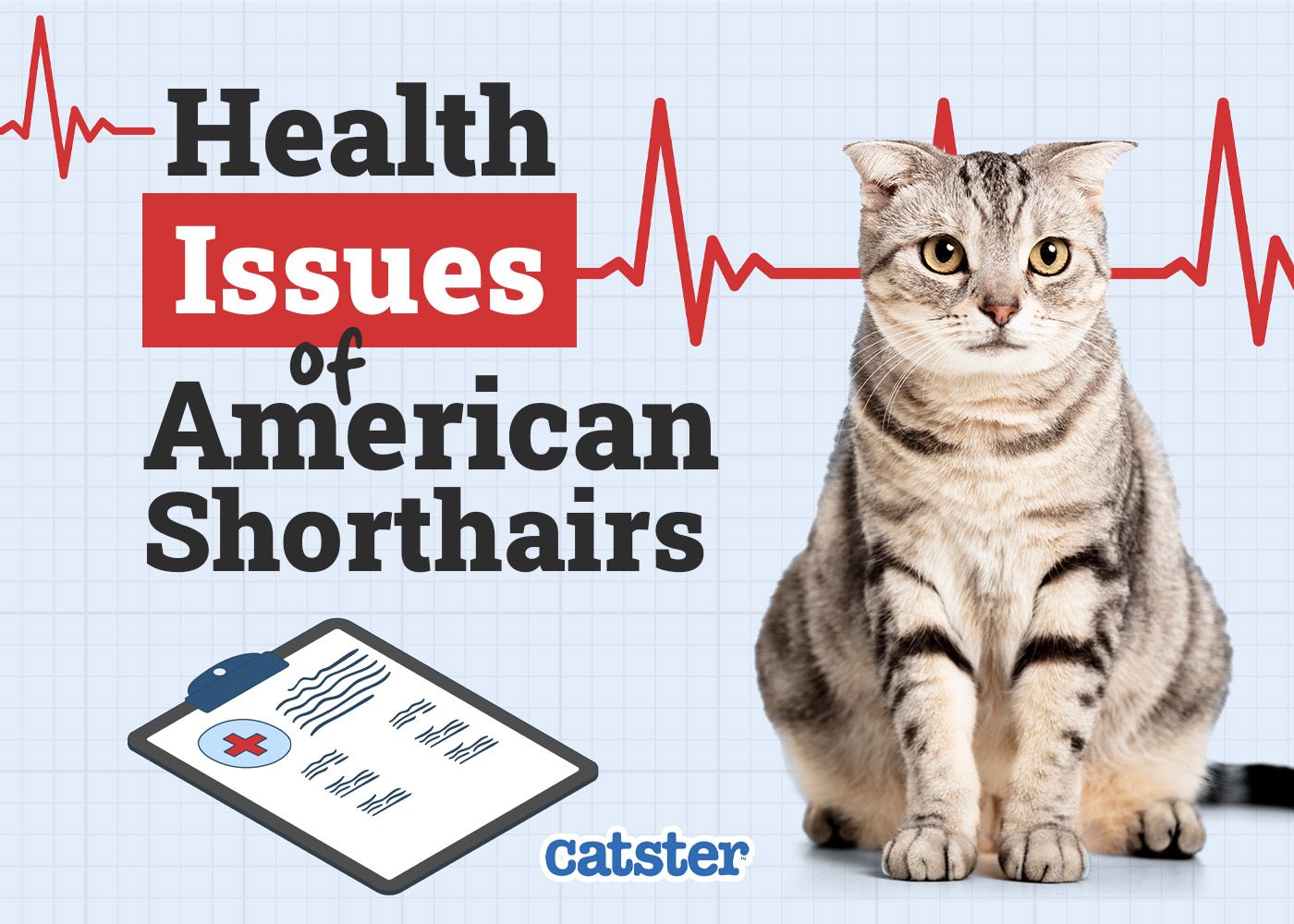
The American Shorthair is a beautiful, affectionate breed of cat that makes a great companion for any family. However, like all breeds of cats, they are susceptible to certain health problems.
By knowing what to watch for, you can ensure that your cat receives prompt treatment if any health issues arise. This post will discuss 10 of the most common health problems experienced by American shorthair cats, and we will also provide tips on preventing these health problems and what to do if your cat does develop one.

The 10 American Shorthair Cat Health Problems
1. Obesity
One of the most common health problems in American shorthair cats is obesity. Obesity can cause many other health problems, so keeping your cat at a healthy weight is crucial. A cat is considered overweight when it is 10–20% over its ideal body weight and obese when it is 20% or more over.

Obesity is a serious issue. Overweight adult cats experience almost three times the risk of mortality than lean individuals. If you are not able to get your cat’s weight under control, obesity can lead to health problems such as:
- Arthritis
- Diabetes
- Respiratory problems
- Heart disease
- Liver disease
- Joint pain
Signs
Signs that your cat may be obese include being overweight, having a large waist, and carrying excess fat around the neck and legs. Other signs include:
- Excessive eating
- Lack of energy
- Difficulty moving
- Breathing problems
- Difficulty grooming
Treatment
Treating obesity in cats often involves a combination of diet and exercise. The veterinarian can help you create a diet and exercise plan tailored to your cat’s individual needs. To help prevent obesity in your American shorthair cat, make sure to feed them a high-quality diet and provide plenty of opportunities for exercise.
Here are some tips for exercising your cat:
- Invest in some toy balls or other toys that will encourage your cat to move around
- Set up a scratching post or cat tree for them to climb
- Take them on walks with a harness and leash (this is especially good for indoor cats)
- Have set meal times (don’t “free-fed”)
- Change to canned food from kibble
- Consider a weight management diet
2. Diabetes
As mentioned above, diabetes can come secondary to weight issues. It can also be an inherited disease. It occurs when the body does not produce enough insulin, or the cells stop responding to insulin. This can cause an increase in blood sugar levels, which can lead to a host of health problems.
Signs
Some of the signs that your cat may have diabetes include:
- Increased thirst
- Increased urination
- Increased appetite
- Weight loss
- Lethargy
- Poor coat condition
Treatment
If you think your cat may have diabetes, it is important to take them to the veterinarian right away. Diabetes is a serious condition that can be fatal if left untreated. Diabetes treatment usually involves insulin injections and close monitoring.
Here are some tips for managing diabetes in cats:
3. Hypertension
Hypertension, or high blood pressure, is another common health problem in American shorthair cats. High blood pressure can lead to various health problems, including heart disease and stroke.
Hypertension is often secondary to another underlying health condition, such as kidney disease or diabetes. Unlike in humans, stress has not been linked to feline hypertension.
Signs
- Increased urination
- Increased thirst
- Restlessness
- Weight loss
- Panting
- Eye issues
- Blindness
- Disorientation
Treatment
With proper treatment, hypertension can be managed, and your cat can live a long and healthy life.
Here are some tips for managing hypertension in cats:
4. Heart Disease
Heart disease can be caused by various factors, including genetics, obesity, and hypertension. It can also be congenital, meaning it was present at birth and inherited from the parents. The most common heart disease is hypertrophic cardiomyopathy (enlarging of the heart muscle). Heart disease can cause serious problems, including heart failure and cardiac arrest.

Signs
- Breathlessness
- Coughing
- Exercise intolerance
- Lethargy
- Weight loss
- Stunted growth in kittens
- Hind leg paralysis
Treatment
Here are some tips for managing heart disease in cats:
5. Respiratory Problems
Respiratory problems in cats can be caused by a variety of things, including allergies, infections, and tumors. Allergies are the most common cause of respiratory problems in cats, and infections can also cause respiratory problems in cats and lead to worsening health problems, such as pneumonia.
Signs
- Sneezing
- Coughing
- Wheezing
- Difficulty breathing
- Gagging/drooling
- Runny nose
Treatment
Treatment for respiratory problems depends on the underlying cause. Allergies are often treated with medication, while infections are treated with antibiotics. If your cat has a respiratory problem, it is essential to take them to the veterinarian to receive proper treatment.
Here are some tips for managing respiratory problems in cats:
6. Eye Problems
Eye problems in cats can be caused by a variety of things, including infections, trauma, and tumors. Infections are the most common cause of eye problems in cats and can lead to some severe health problems, including blindness. Trauma to the eye can also lead to several ongoing issues and should be treated immediately.

Signs
- Swelling
- Redness
- Discharge
- Rubbing of the eyes
- Loss of fur around the eyes
- Cloudiness
Treatment
Treatment for eye problems depends on the underlying cause. Infections are often treated with antibiotics, eye ointments, and regular cleaning, while trauma may be treated with surgery.
Here are some tips for managing eye problems in cats:
7. Urinary Tract Infections
Urinary tract infections (UTIs) are common in American shorthairs and can lead to kidney disease if left untreated. UTIs are most often caused by bacteria that enter the urinary tract through the urethra. Other factors such as spinal injuries, stress, and incontinence may increase the risk of UTIs.
Signs
- Increased urination
- Bloody urine
- Straining to urinate
- Urinating outside the litter box
- Lethargy
- Decreased appetite
Treatment
UTIs are treated with antibiotics. It’s rare for UTIs to go away on their own, so suspected UTIs should be referred to the vet. Many UTI symptoms correlate with lower tract infections, which may be more life-threatening. Proper diagnosis is a must.
Here are some tips for preventing UTIs in cats:
8. Skin Allergies and Skin Conditions
Allergies are the most common cause of skin problems in cats and can cause hair loss, infections, and hot spots. Skin conditions can also be caused by a number of things, including parasites, infections, and tumors.
The occurrence of allegories depends on your cat's predisposition and exposure to allergens.

Signs
- Hair loss
- Itching
- Sores
- Scaling
- Inflammation
Treatment
Treatment for skin problems depends on the cause. Allergies are often treated with medication, while infections are treated with antibiotics.
Here are some tips for managing skin problems in cats:
9. Ear Infections
Ear infections are caused by bacteria or allergies but can also be due to many other causes such as tumors, diabetes, foreign bodies, wax build-up, and immune system diseases. Complications can be severe and increase deafness and facial paralysis. Luckily, ear infections are uncommon in cats.
Signs
- Shaking their head
- Scratching their ears
- Holding their head tilted to one side
- Discharge from their ears
- Bad odor
- Hair loss around their ears
Treatment
Treating a cat ear infection will generally be done using antibiotics or antibacterial medicine. Your vet will inspect the ear to identify the cause of the infection for further treatment.
In the rare case of chronic ear infections, surgery may be required to remove tissue blocking the ear canal.
Here are some tips for managing ear infections in cats:
10. Dental Problems
Dental problems include a number of issues such as infections, tooth loss, and gum disease. Dental problems are most often caused by plaque and tartar build-up on the teeth. Dental-related issues are super common, with studies showing that 50–90% of cats will suffer from dental disease in their lives.
Most are preventable and easily treatable, but they can cause a degree of pain and discomfort (we’ve all been there, right!)

Signs
- Bad breath
- Drooling
- Pawing at their mouth
- Difficulty eating
Treatment
Dental problems are treated by cleaning the teeth and removing any plaque or tartar build-up. Your veterinarian may also recommend dental surgery to remove any damaged teeth.
Here are some tips for preventing dental problems in cats:
Final Thoughts
American Shorthair cats are generally a healthy breed, but there are a few health problems that they are more susceptible to. If you think your cat may be ill, it is important to take them to the veterinarian to receive proper treatment.
Keep your cat healthy by feeding them a high-quality diet, encouraging activity, and regular check-ups at the vet. American Shorthair cats are a great addition to any family, and with proper care, they will bring you years of joy and companionship.
You might also like:
Vestibular Disease vs. Stroke in Cats: What’s The Difference?
Are American Shorthair Cats Hypoallergenic? Vet-Reviewed Facts & Tips for Allergies
Sources
Obesity
Diabetes
Hypertension
Heart Disease
Respiratory problems
Eye issues
UTIs
Skin allergies
Ear infections
Featured Image Credit: Bruno Passigatti, Shutterstock
Expert cat care, straight to your inbox
News, insights, and useful advice, delivered to you.

No spam — unsubscribe anytime.
By signing up, you agree to our Terms & Conditions and Privacy & Cookies Policy.
How useful was this post?
Click a star to rate. You can leave written feedback afterwards. (We read all feedback.)
With an early start in the veterinary industry and as a conservation educator at Disney’s Animal Kingdom in Florida, Sophie has since been a successful Zookeeper and Conservationist, specializing in native New Zealand species. When she’s not bird watching in native forests or crawling through the underbrush at midnight searching for rare frog species, she can be found with her farmer husband on their sheep and beef station, far from civilization. Alongside them, they have 2 cats, 9 chickens, and 11 dogs (most notably, her sidekick, a black Labrador aptly named Jellybean). Sophie enjoys her writing career as it provides opportunities to help and support pet owners of all kinds to give animals the best welfare possible. The only downside is the long list of strange searches in her internet history!