Get

In Your Inbox

Catster is reader-supported. When you buy via links on our site, we may earn an affiliate commission at no cost to you. Learn more.

Moving with Cats: Ivy’s Tips for Stress-Free Relocation

Share

Moving is exhausting!

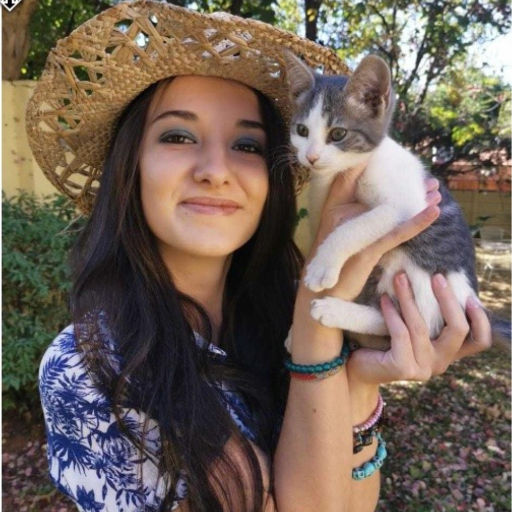
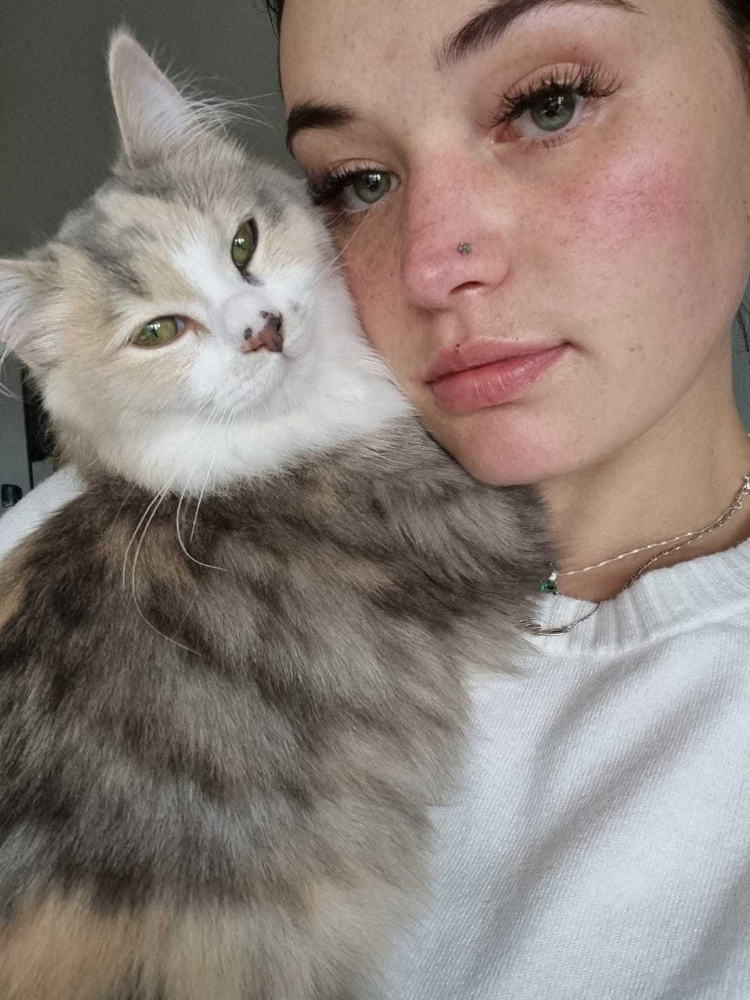
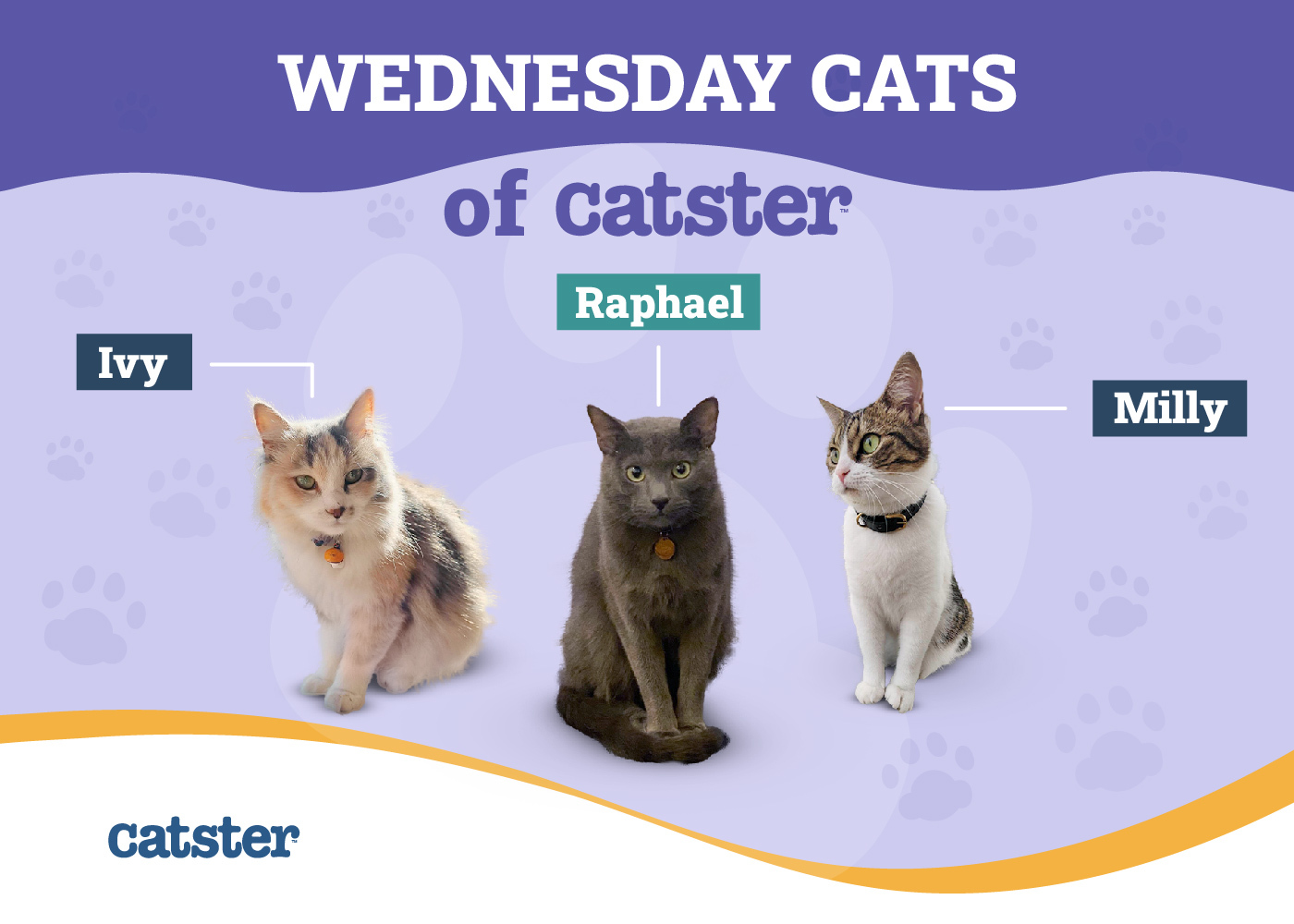
Welcome to the Wednesday Cats of Catster! Every week, we share a story from one of our cat-loving Catsters. This week is about Crystal and her soul cat, Ivy.

Hi Catsters!

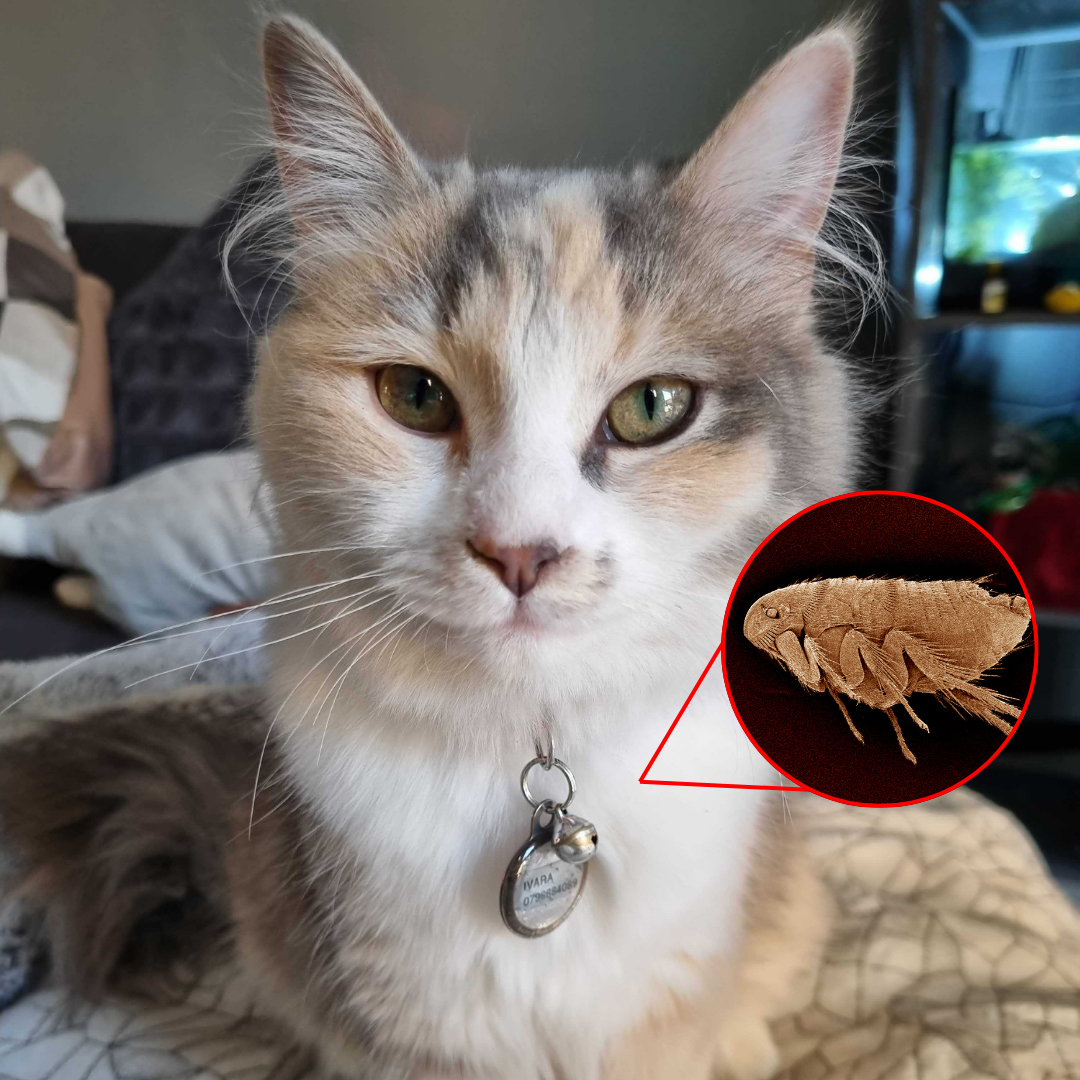
The last time we spoke, I touched on the dreaded F-word: Fleas! I sincerely hope that everyone who read that story checked their cat for fleas after that, or was at least reminded of the importance of being consistent with flea medication.

This week, we’re talking about moving! I’ll be sharing a couple of things that really helped Ivy – and me.

After about a year of living in our first complex, we decided it was time to move. After a LOT of searching, calling, and emailing with agents, we finally found the perfect fit! A little hidden gem of a complex, surrounded by greenery, gardens, and trees.

The moving preparation was in full swing, and moving day arrived quicker than I thought it would. I was extremely nervous about how Ivy would handle the move – it was my first time moving with her and to be honest, I didn’t really know what to do or where to start to make sure the transition would be as easy as possible for her.

Luckily, Catster has a ton of resources with tips for moving with your cat, and they really helped when it came to preparing and setting my mind at ease.

There were a few things that we did that I think made a big difference in keeping her calm and making the situation the best we could.

1. Keeping ourselves calm

Let’s face it: moving is stressful. And wow, I was stressed! I was stressed out about the moving preparation, the actual moving, and the aftermath of the moving. However, I tried my best to stay calm, stick to our regular routine, and act like it was no big deal that basically all of our things were in boxes ready to be moved to their new destination. I think I did a good job at staying calm – don’t ask anyone else, though!
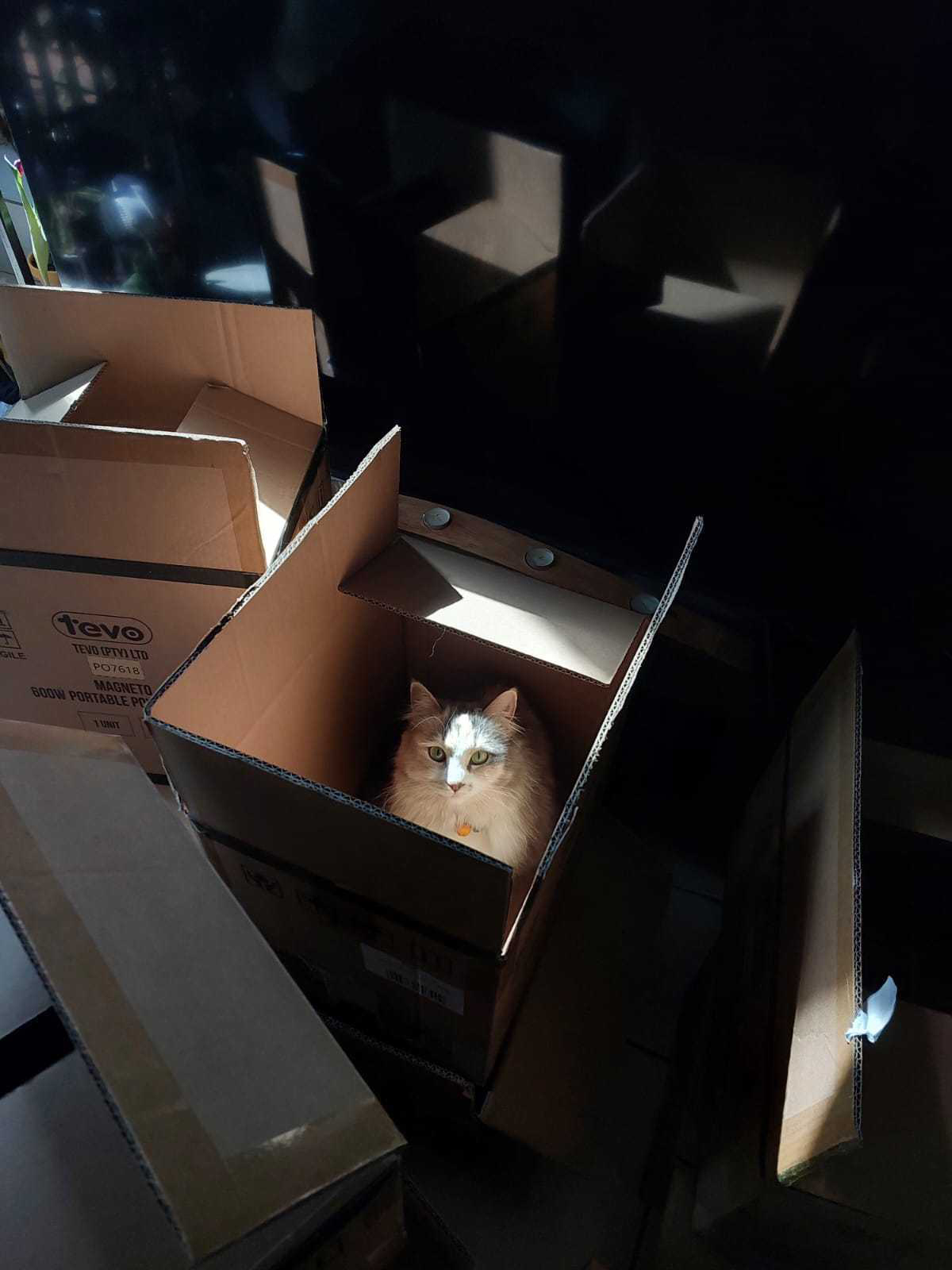
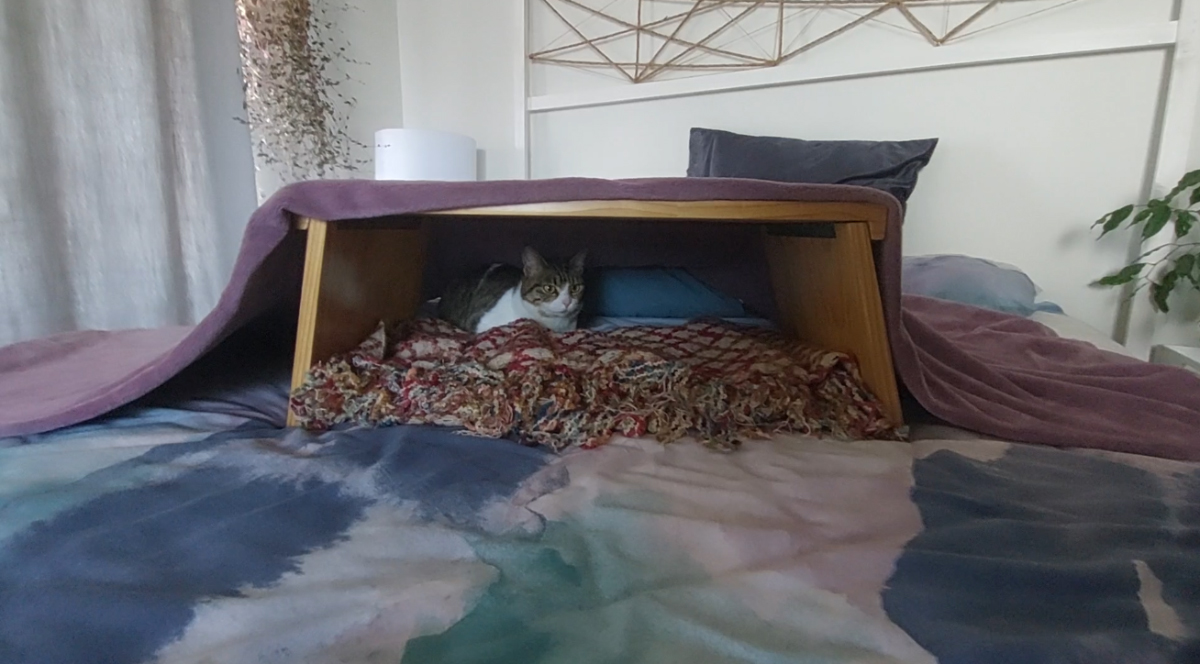
All of these boxes…for me?!

2. The calming collar

I was very skeptical of calming collars – for no real reason, I just was! However, I decided to purchase one anyway. There’s no real way to tell for sure, but I think the calming collar did make a difference. I put the calming collar on a few days before the move when we started packing.

As we all know, most cats can sense when change is coming, and with basically our entire house being packed into boxes, I for sure thought she would know something was up. With the collar on, it seemed like she didn’t have a care in the world, and of course, she loved all of the boxes!

The calming collar also helped with the actual moving. Usually, she hates being in a carrier, and being in a car, since that usually means she’s going to the dreaded veterinarian. But she was surprisingly chilled being subjected to both of those things – luckily, it was only a short 30-minute drive.
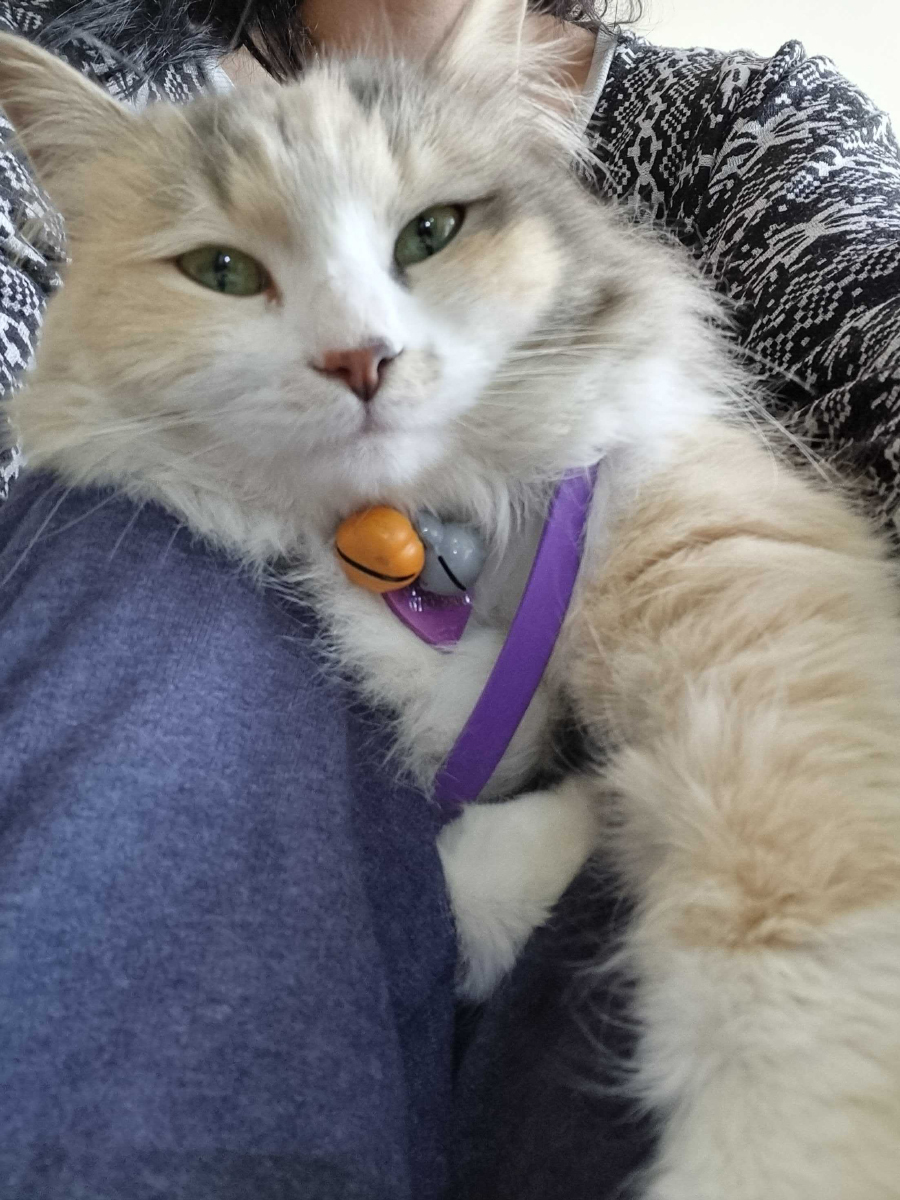
With her calming collar

3. Creating a safe room

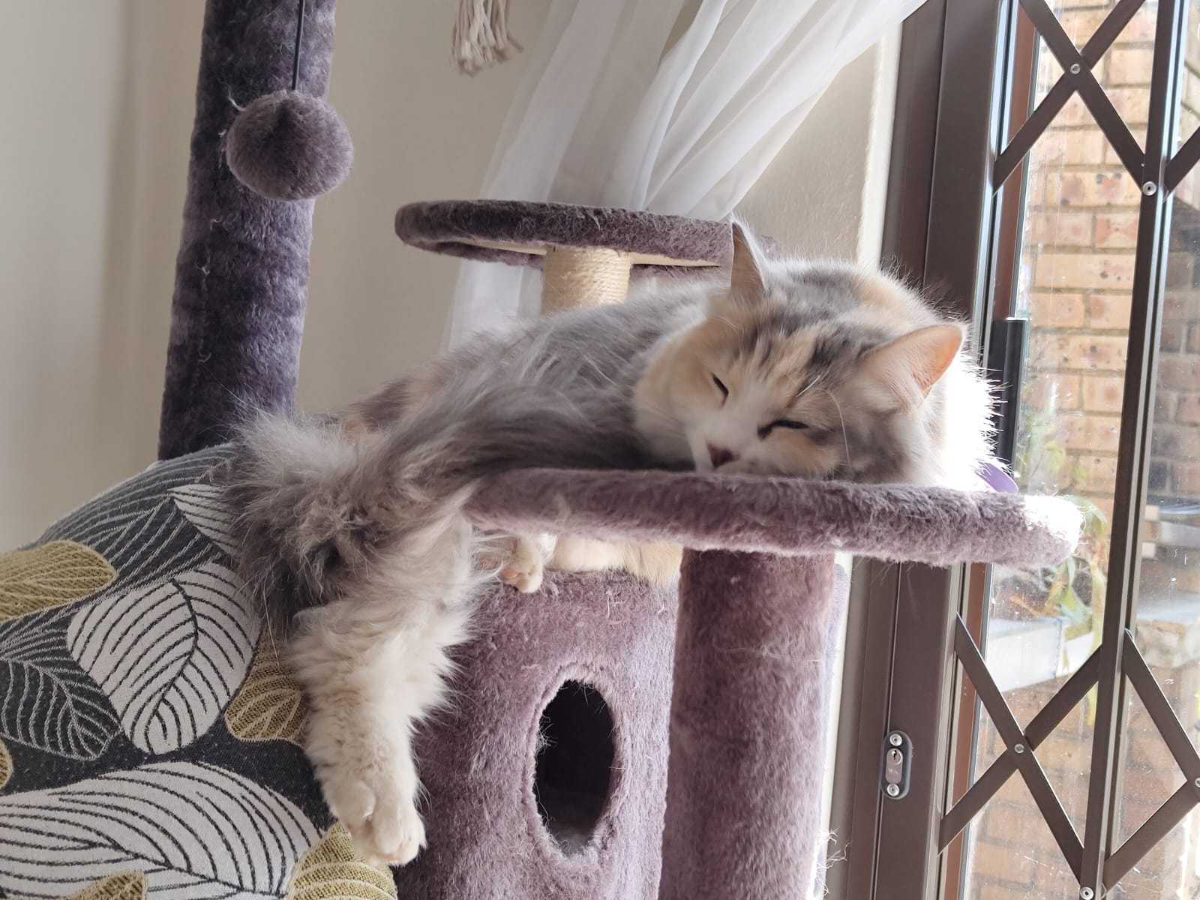
Our new townhouse had two bedrooms, and we made her a comfy, safe spot in one of the rooms with all of her things. Her cat tree, litter boxes, toys, food bowls, and scratchers were all placed in the room before her arrival. We kept her in the room until all of our things were in the house and all of the strangers were out of the house!


4. Allowing her to explore

When the extremely long moving day finally came to an end, it was time for her to explore her new space! Her curiosity was at an all-time high, with new nooks and crannies and rooms to explore. I wondered what she was thinking. The views from the windows were different, the layout of the house was different, well, everything was different! After a couple of days, we moved her things to their new designated spots. We also made sure to put an item with her scent in each room. In my mind, this would make her feel like she’s been there before.


5. Sticking to the regular routine

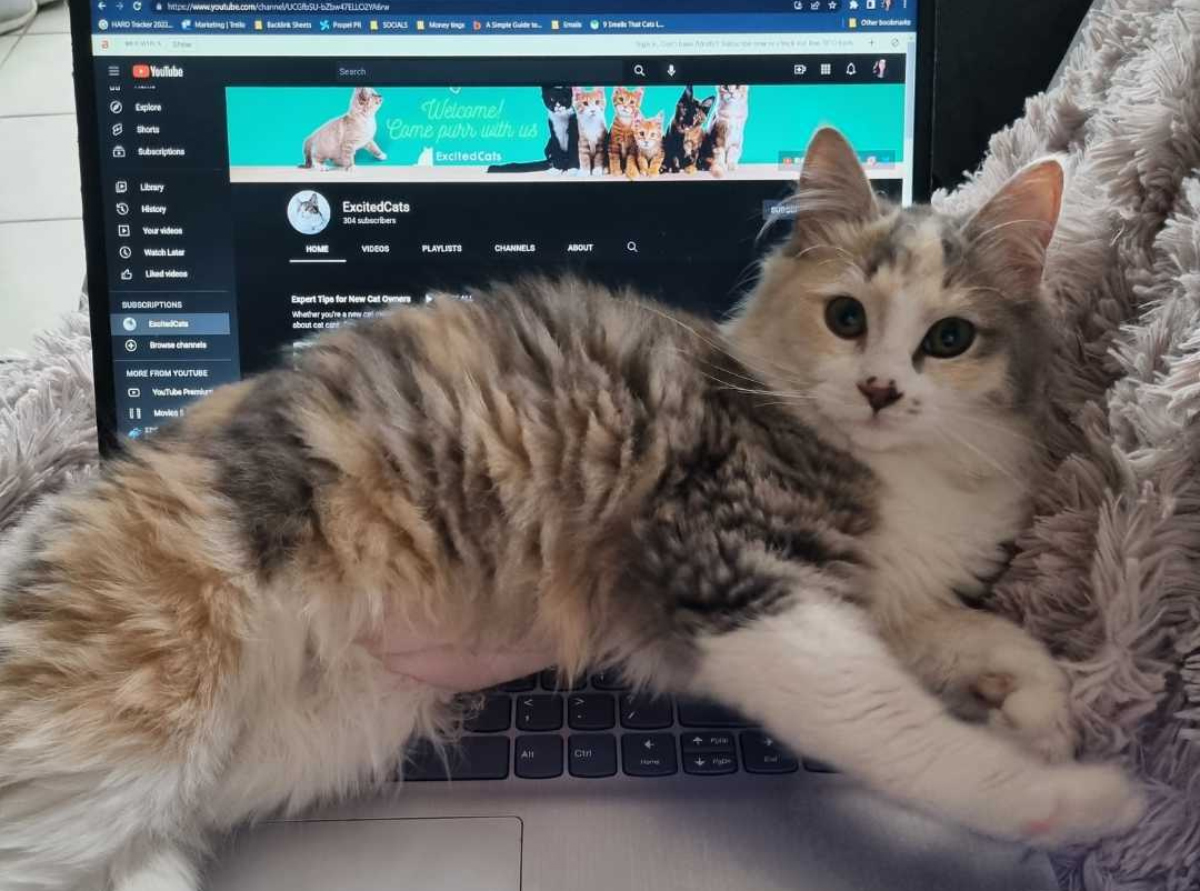
We made sure that she still got fed at the same time and got treats on her cat tree perch each morning. What made this process even easier, I think, was the fact that I get to work from home. In essence, nothing changed except the space we were in.
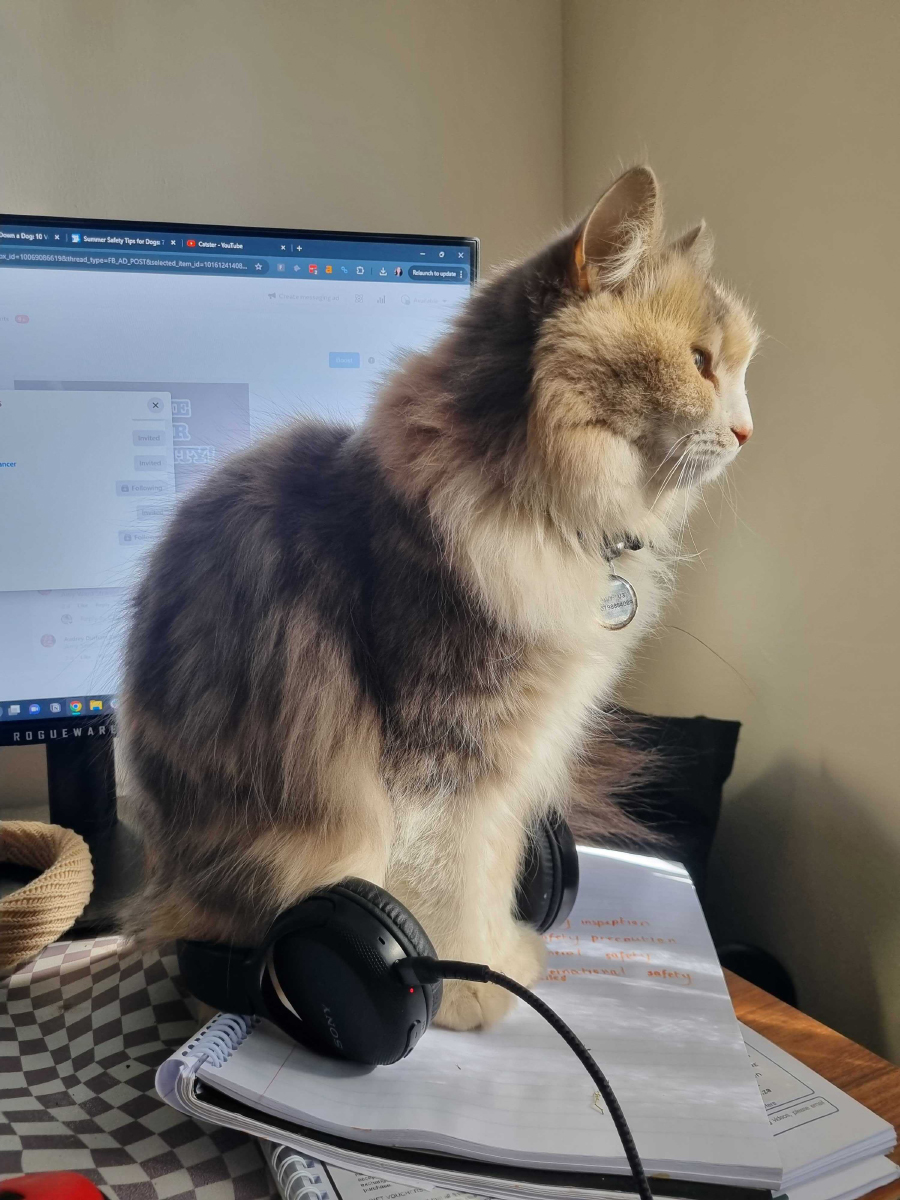
Still coworking!
Still coworking!

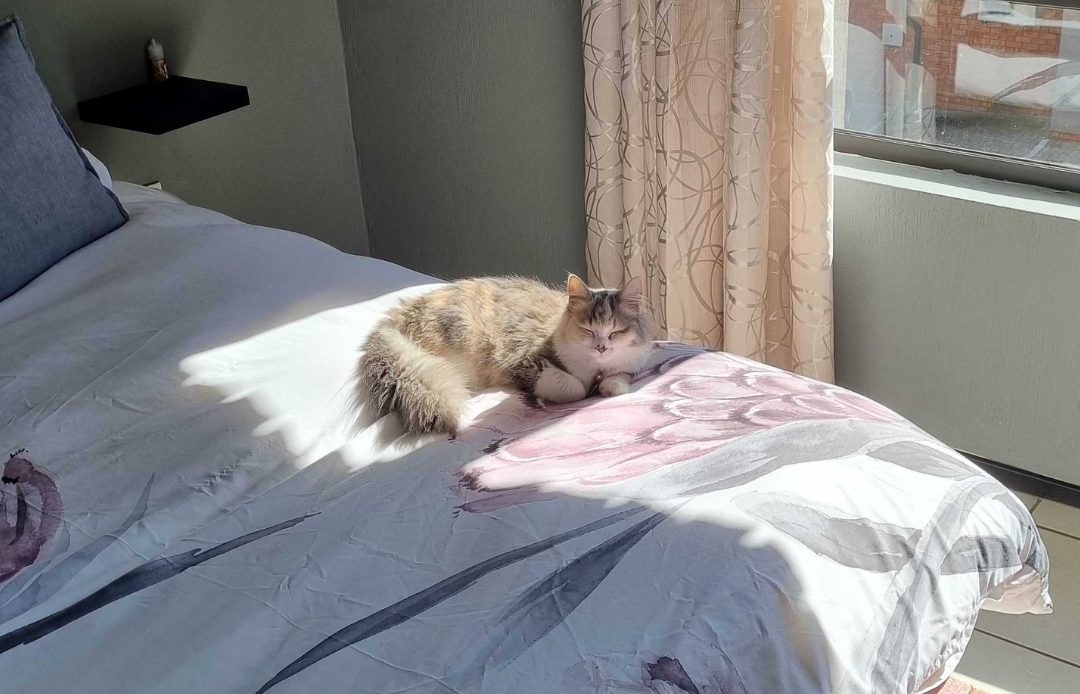
Although these things helped Ivy and us a lot, I also think that she is a very adaptable kitty. She wasn’t hiding, or skittish, or unsure of herself. She was her normal, confident self. Within a few days, she was running around the house like she owned the place, and it seemed as though she had lived there her entire life.
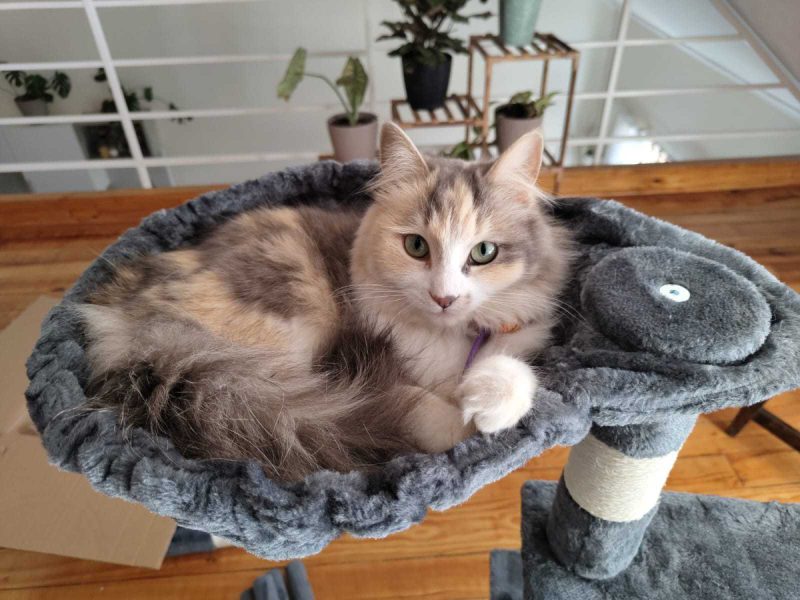
All settled in!
All settled in!

Ivy really amazed me and honestly made me think to myself, if she can have her entire little life uprooted, moved, and settle in within a matter of days, why can’t I? Instead of me helping her through the move and adjustment period, she ended up helping me even more.

Our moving experience isn’t nearly as stressful as some others I’ve read or heard about, and for that, I am extremely grateful!

I’m curious to know: If you could give someone one piece of advice about moving with a cat, what would it be?

Thanks for reading, Catsters! Until next time.

This article features Crystal and Ivy in our Wednesday Cats of Catster series.

Want content like this delivered to you?

Sign Up For Our Newsletter

News, insights, expert advice, and everything cat

* By submitting, you agree to our Terms & Conditions and Privacy & Cookies Policy.


How useful was this post?

Click on a star to rate (you can leave written feedback after clicking submit)

Help us improve Catster for pet parents!

Your feedback really matters.

What did you like about this post? Also how can we improve it?

Join the conversation

Leave a Reply

You’re very welcome to leave a comment or question. Please know that all comments must meet our community guidelines, and your email address will NOT be published. Let’s have a positive and constructive conversation.


Talk With A Vet Online

Peace of mind,
anywhere, anytime

Affordable vet advice

Ask Dr. Paola – Help! My Male Cat Gets Into Fights! (March 9, 2026)

Welcome to our “Ask Dr. Paola” series, where every Monday we bring expert advice straight from Dr. Paola Cuevas (MVZ) to help our...

Why Your Cat’s Poop Smells Like a Biohazard

Nobody enjoys litter box duty, but sometimes it gets unbearable. The smell hits you from across the room. You’re scooping faster, lighting candles,...

RIP Your Furniture? Not With This Guide to Cat Scratch Damage Control

Your couch looks like it survived a minor apocalypse. The curtains have mysterious vertical shreds. That new rug you splurged on is already...

Celebrating 15 Years as the Most Popular Resident of No. 10 Downing Street

For almost 300 years, a rather unassuming Georgian building of black bricks with a shiny black door has been the official residence and...

More related

240+ Unisex & Gender Neutral Cat Names: Distinctive Options

Cats are interesting creatures. They are curious, independent, loving, aloof, and many other things that cat owners can’t even begin to understand. If...

Love, Nala Cat Food Review 2026: A Detailed Look

If you’re like me (and so many other obsessive cat owners) and spend too much time on Instagram stalking adorable kitties, then you...

8 Best Cat Brushes in the UK in 2026: Reviews & Top Picks

A cat brush can be used to keep your cat’s hair in good shape. It can also remove mats of hair that are...

Are Jute Rope Scratching Posts Safe for Cats? (Common Materials Explained)

Being a cat owner means stocking up on all kinds of scratching posts, especially if you don’t want your furniture clawed up! Whether...

Keep reading

Garlic Toxicity in Cats: Vet-Approved Signs, Care Tips & FAQ

Did you know that most bulbed plants are toxic to cats?1 Many of the flowers in your garden, including lilies, are toxic to pets. Your spice rack is also a danger zone for your curious kitty because of garlic and...

Cloves of garlic

Cat Dingleberries: Vet Reviewed Causes & Prevention Tips

Dingleberries (singular dingleberry) is a slang term for dried feces stuck onto a cat’s fur around the anal area and back end. While it’s not a pleasant topic, and many cat parents may wish to leave that area alone, it’s...

cat licking its butt

My Cat Killed a Bird: What to Do & Prevention Tips (Vet-Verified)

If you have an outdoor cat, chances are there will be a time that they bring you a dead bird. This experience is unpleasant and certainly not something you would like to repeat. So, what do you do now? First,...

cat and bird

7 Best Glucose Meters for Cats in 2026 – Reviews & Top Picks

It can be stressful learning that your cat has diabetes, and the thought of poking them with a needle to draw blood can seem overwhelming. The last thing you want is for your cat to be ill, and as a...

Cat's owner measuring the blood sugar values of his feline using glucometer

My Cat Ate Cheese: Vet Approved Advice on What to Do

Cats are curious creatures that love to explore their environment. They often stumble upon various human foods on their adventures, which will likely result in tasting them. However, certain foods could be toxic or dangerous to cats. One common human...

My Cat Ate Cheese

How Much Exercise Does My Cat Need? Vet-Approved Advice & Methods

Cats are generally curious and playful pets that require a certain amount of daily exercise. The amount of exercise will vary depending on your cat’s age, breed, and health condition. In general, cats require at least 30 minutes of exercise...

blue tabby maine coon cat running outdoors

Why Vets See So Many Cats Who Ate Rubber Bands

The rubber band hits the floor with a soft snap, and before you can blink, your cat is batting it across the kitchen as they’ve just caught the world’s bounciest mouse. It stretches, it wiggles, it moves exactly like prey....

red-leopard-bengal-cat-plays-with-rubber-bands-ketlit-Shutterstock-e1677768462532

My Cat Purses Their Lips When They Poop, What’s Going On? Vet-Verified Reasons (With Infographics)

Cats express how they’re feeling in subtle ways, which can be difficult for humans to pick up on. Sorting out signs of illness and discomfort in cats can be difficult, partly because they’re evolutionarily programmed to hide indications they’re not...

cat pooping in a yellow litter box

Love Cats? So Do We! Join the Catster Community

Stay informed with expert pet care insights delivered straight to your inbox! Discover professional guidance on animal behavior, feeding tips, trusted product picks, and much more.


Sign up for the Catster Email Newsletter

Stay informed with expert pet care insights delivered straight to your inbox! Discover professional guidance on animal behavior, feeding tips, trusted product picks, and much more.