Milly's First Days In Cape Town: Helping a Cat Settle Into a New Home
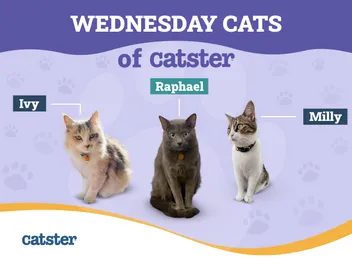
Welcome to the Wednesday Cats of Catster! Every week, we share a story from one of our cat-loving Catsters. This week is about Isabel and her sassy rescue, Milly.
Dearest Catsters. I must apologize, I did everyone dirty and left you on a cliffhanger last month… Milly demanded my immediate attention as I missed dinner time by 33 seconds – a staggering new record. She was appalled, and I had to cut the story short. Forgive me.
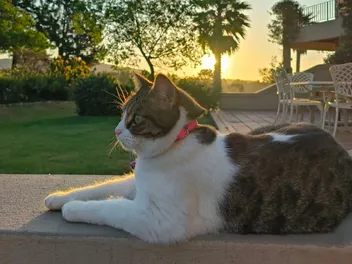
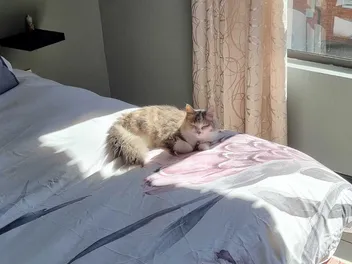
Good news – I fed Milly on time today! She’s bathing in the sun, all fat and sassy, so I can continue sharing the story of my 10-stage, panic-infused travel journey with Milly from Johannesburg to Cape Town and how I helped her to settle into her new home.
If you missed the previous article, you’ll need to follow us on Instagram so you don’t miss another wild adventure story of me cat-parenting Milly, the cutest, sassiest cat in the southern hemisphere! You can also read it here.
As I Was Saying, Panic Mode 10 Ensued…
The flight was intense. For me, this was because I worried myself sick about Milly and ugly cried almost the entire duration of the flight. For her, this was because she was in the cargo hold of the plane and had no clue what was going on, where she was headed, how long the journey would be, or if she’d ever see the light of day again for 2 straight hours. That’s rough.
When I landed in Cape Town, we had a bit of a struggle to find the cargo department as it was outside the regular terminal and you needed to drive in between what felt like the underbelly of the airport. It made my anxiety worse because I kept thinking, “Milly is here somewhere! What?!”
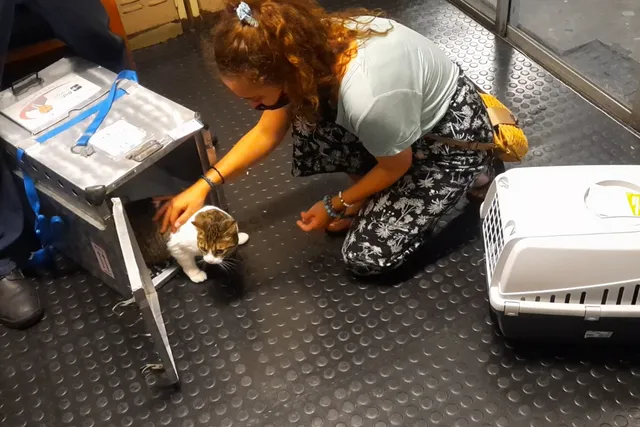
Nonetheless, we found her, safe and sound. Someone from Global Paws took us to a back room that closed completely so we could transfer her to her other carrier safely. As expected, she was scared, confused, and a little hesitant to climb out once we opened the metal door of the airline carrier. She even seemed a bit lethargic, which indicated to me that she really didn’t have a nice time.
I felt extremely guilty and angry with myself for being the facilitator of this uncomfortable experience she had to endure. But at the end of the day, it was the right thing to do.

Mily’s First Few Days in Cape Town
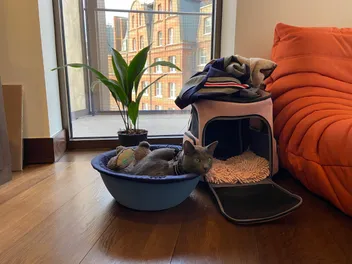
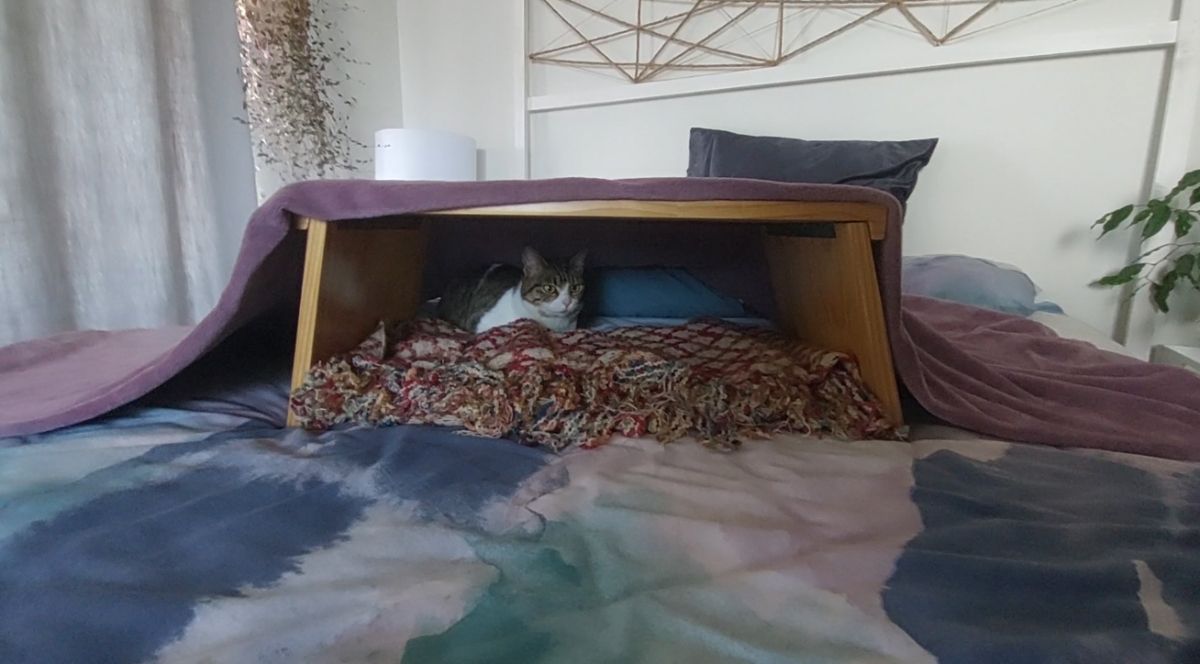
Once we arrived home, we immediately took her to the dedicated nesting room (our bedroom), closed all the doors and windows, and shut the curtains so it was nice and dark. Milly’s dad lovingly prepared the room before our arrival so it was stocked with the Cat 101 necessities. I only realized a couple of days later that plastic bowls aren’t ideal as they harbor bacteria, and the litterbox was a tad too small at first, which deterred her from using it. So, make sure you get the right gear for your cat. Catster can help you with that!
The first day, she spent most of the time under the bed or in the cupboard; this is normal. Cats like dark, confined spaces as it makes them feel calm and secure. She didn’t eat or use the litterbox at all in the first 24 hours. She did, however, bake biscuits on our bed when we went to sleep, but then retreated back to the closet and slept in there. Which was totally okay, we just let her do her thing.

The next couple of days, we slowly introduced her to the rest of the house, letting her navigate the journey, moving at her own pace and what she felt comfortable with. We always kept the nesting room’s door open for her to retreat to when she heard something or got overwhelmed.
I’d say it took about 3 weeks for her to settle into the new space completely. There were many ups and downs and lots of learning throughout this whole process. I made a whole 21-day vlog if you’re curious to learn more and see how Milly settled in day by day. (Spoiler alert, everything worked out beautifully and she’s happier and healthier than ever before!)
Tips to Help Your Cat Settle Into Their New Space
Here are some quick tips on how to make the moving and settling-in process as comfortable for your cat as you can:
Always Allocate a Safe Space
Put yourself in your cat’s shoes and picture moving from their point of view. The unfamiliar smells, the new rooms, the sheer audacity of it all. Cats find change to be really hard and unsettling. Cats need a small, safe space to process the whole experience before they can really get comfortable and feel safe enough to explore the new home fully.
A safe space in a quiet area of the house is crucial. Make sure to stock it with all their basic needs and anything else that would help them feel at ease. Please be 100% sure that all points of entry are closed at all times in this room and be very careful when entering and exiting yourself (or other household members).

Let Your Cat Explore at Their Own Pace
Cats need to feel that they are in charge of their decisions and movements; it’s just part of their nature. They’ll tell you when they’re ready to explore beyond the borders of their safe nesting room by sitting in front of the door, being vocal in front of the door, following you to the door when you aim to pop out, etc.
Milly sat in front of the door nearing the end of the second day, so we decided to pick her up, open the door, and show her a brief peek into the living room. She looked with big, curious eyes and demanded to be put down at once. She wanted to explore on her terms.
She walked around a bit, peeped out the window, sniffed around the kitchen, and abruptly ran to her nesting room when a couple of kids ran up the stairs outside, and she got a fright. I know, how rude. Nonetheless, it was a successful first step outside. Well, inside, but, outside her safe room.

Give Your Cat Plenty of Attention (But Not Too Much)
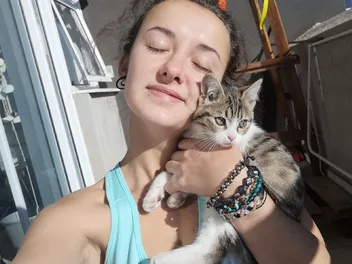
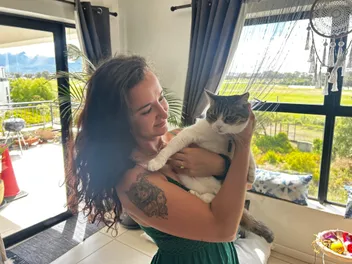
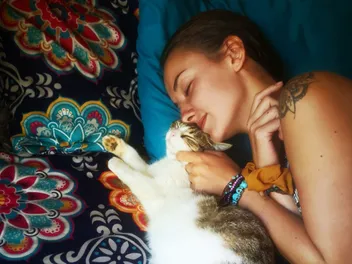
Milly loves attention, but she’s also a master of the art of “don’t touch me unless I ask for it.” So, I had to find the balance—giving her affection without overwhelming her.
I gave her a lot of love—when she wanted it. When Milly was seeking attention, I’d gladly offer pets, scratches behind the ears, some quality lap time, and of course, bum pats. But when she gave me “the look” or hid under the bed (her dramatic “leave me alone” signal), I respected her space.
Go with your cat’s flow – don’t be pushy!

Keep Their Routine as Normal as Possible
One of the most important things I learned was to keep Milly’s routine as consistent as possible. Cats thrive on routine, and Milly’s regular feeding schedule was not to be messed with. I didn’t change anything about her regular routine, even though everything else was new. I kept feeding her at the same times, and I made sure to spend time playing with her every evening. This consistency made Milly feel like at least *some* things in her world felt familiar.
Patience is Your Best Friend
This is the hardest one to admit: patience is key. The transition wasn’t instant. It took time. And Milly, being the queen she is, wasn’t in any rush to adjust. But slowly, I could see her becoming more comfortable. And that’s the thing—there’s no magic formula, just a lot of time and understanding.
I let Milly adjust at her own pace. I didn’t force her to explore, I didn’t push her to interact, and I definitely didn’t rush her into things. The best thing you can do is wait for your cat to feel ready.

Moving is tough, especially when you’re trying to make sure your cat feels comfortable during this process. Just remember, your cat will adjust in their own time. So, go ahead—give them their space, stick to their routine, and most importantly, *don’t mess with their dinner time.* Eventually, they’ll come around… and when they do, you’ll both be able to enjoy your new life together.
I hope this brings a smile and a bit of insight into your own moving adventures with your cat!
Catch me and Milly next month with another exhilarating cat parenthood story. Next up, everything you need to know about getting a tattoo of your cat! Yup, you read that right.
Cheers vir eers!
(cheers for now)
This article features Isabel and Milly in our Wednesday Cats of Catster series.
Expert cat care, straight to your inbox
News, insights, and useful advice, delivered to you.

No spam — unsubscribe anytime.
By signing up, you agree to our Terms & Conditions and Privacy & Cookies Policy.
How useful was this post?
Click a star to rate. You can leave written feedback afterwards. (We read all feedback.)

Before moving to Cape Town, Isabel shared a home with 9 cats and her sister, Nadia. They like to think that they operated an informal cat sanctuary. Although she has a strong passion for psychology and helping people discover themselves, her first love will always be animals.
Currently, her main focus is on marketing, brand awareness, and PR efforts for various publications in the pet space, but Isabel also makes time to volunteer at animal shelters, attend wildlife programs, and take long walks by the ocean in search of any beached animal in need of a helping hand.
She also runs the Catster YouTube channel, dedicated to helping cat owners learn everything they need to know about cats.
She is very passionate about animal rights and advocating for animals in the seafood, factory farm and exotic animal trade industry and hopes that one day the world will be more open to a plant-based diet for the sake of the environment and the animals we share this planet with.