Get

In Your Inbox

Catster is reader-supported. When you buy via links on our site, we may earn an affiliate commission at no cost to you. Learn more.

Cage Rest for Cats: 6 Vet Approved Tips to Get Your Cats to Take Bed Rest Seriously


Share

brumilla-cat-sleeping-inside-the-cage

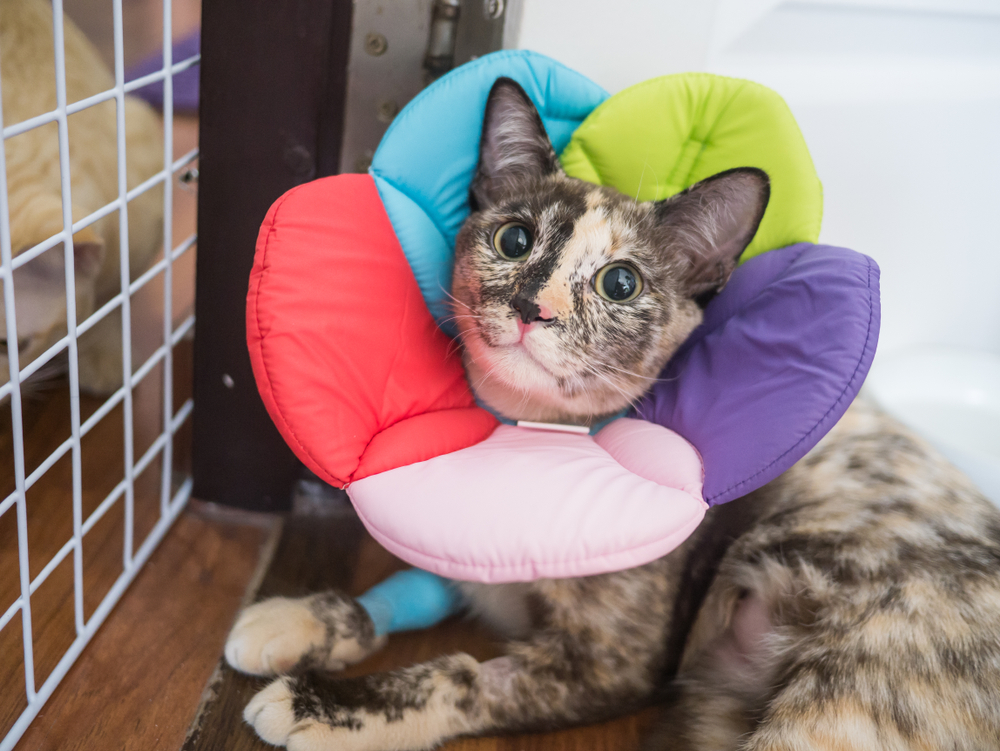
At one point or another, some cat parents find themselves in a scenario where the vet tells them that their pet needs cage rest. Whether they had an operation, an accident, an injury, or a bout of illness, sometimes strict rest to avoid too much movement and jumping is required. But felines, given their mysterious, independent, and curious natures, are not the best creatures for resting. So, how exactly can you encourage this and reduce boredom and stress? We have six tips to help you get through this challenging time.

divider cat paws oct 2024

The 6 Tips to Get Your Cats to Take Bed Rest Seriously
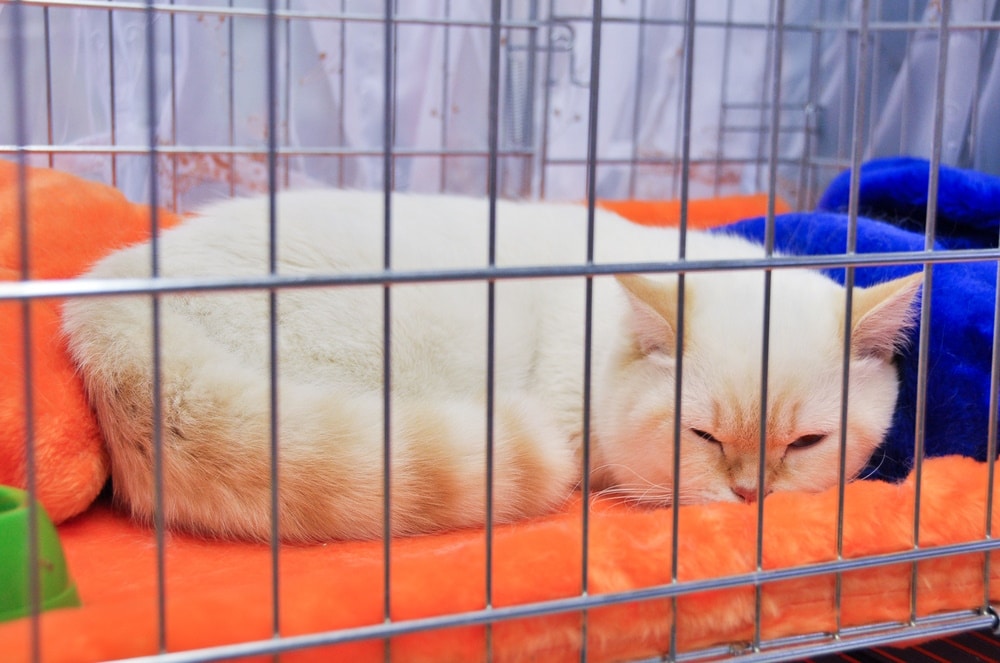
If your cat has suffered an accident, injury, or illness and needs cage rest, it’s important to create an environment conducive to this to give you the best shot of your cat cooperating and to ensure they have the adequate rest they require to promote healing. Below are several tips to follow the vet’s orders and help your cat recover as quickly as possible.

1. Find the Appropriate Cage Size

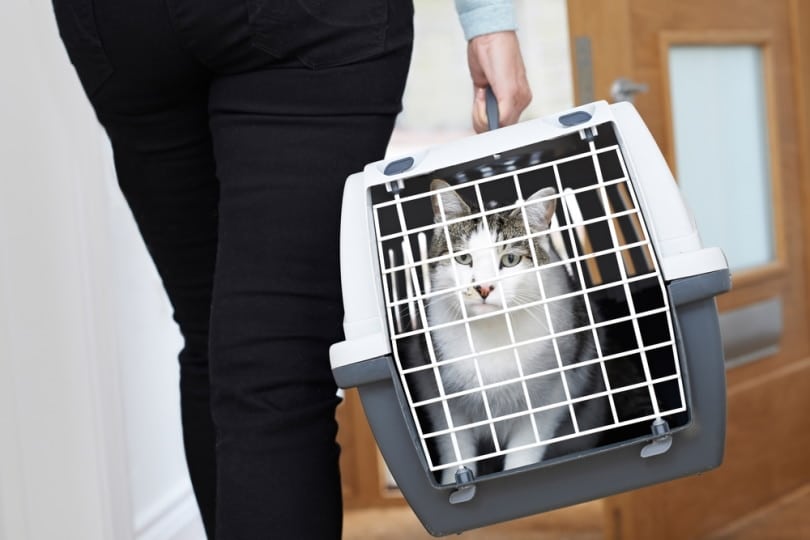
The most important part of ensuring your cat is comfortable while on cage rest is to purchase or borrow a crate (usually a puppy or dog crate) that is big enough to accommodate their size and needs. It needs to be large enough that your cat can not only sit, stand, turn around, and lay down comfortably, but it should also be able to comfortably fit their food and water bowls, a litter tray, and an area for comfortable bedding materials. Make sure the crate also has a secure roof so that they can’t injure themselves by trying to escape.

black-and-white-cat-inside-cage
Image Credit: W_NAMKET, Shutterstock

2. Cage Location

It’s best to put the cage in a location that is quiet and calm but also where your cat can get plenty of attention. If you have a shy or skittish cat, it might be best to put the cage in a spare room that is away from the main foot traffic of the house but where you can also easily visit them throughout the day. If your cat is a bit more outgoing and social, they might do better if it’s in a location that won’t necessarily get them worked up but where they can still see what’s going on in the house and have regular access to you.


3. Keep Their Space Clean

Cats are clean creatures, and they’re going to be a lot more comfortable staying in an area that you clean daily. That includes washing their food and water bowls daily, as well as scooping their litter box multiple times per day and doing a complete litter change once or twice a week. Ensure their bowls are sturdy enough that they don’t get knocked over and take away uneaten food after mealtime.

woman washing cat litter box
Image Credit: Oleg Opryshko, Shutterstock

4. Provide Mental Stimulation

Even though physical activity should be limited, providing mental stimulation through brushing/combing, toys, puzzle feeders, or gentle interaction with yourself to prevent boredom is essential. Some cats will enjoy having their cage near a window so they can see what’s going on outside, for other cats this might create more stress, you know your cat best.

Consult with a vet about suitable toys and activities for them to ensure you are providing them with the correct kind of movement. Rehabilitation and physical therapy may also be needed.


5. Ensure the Room Temperature Is Comfortable

Your cat can’t get up and move if the room is too hot or too cold, so it’s essential to keep it at a temperature that lies somewhere in the middle. Make sure the cage is not located in a draft or direct sunlight.

kittens in a cage of a shelter for homeless animals
Image Credit: Okssi, Shutterstock

6. Comforting Your Kitty

Keeping your cat relaxed and comfy while on cage rest is going to make the process a whole lot easier. Offer them a comfy bed and blanket, as well as something that smells like you, like an old T-shirt, so that they feel comforted by your scent. Calming cat pheromones such as Feliway spray can also help reduce stress during the recovery period.  You should also be visiting them regularly throughout the day and offering lots of pets, praise, and attention—maybe with a few tasty treats if it’s been cleared by a vet. Ask a vet when limited time outside the cage for gentle play or interaction is possible to reduce boredom.

If you need to speak with a vet but can't get to one, head over to PangoVet. It's an online service where you can talk to a vet online and get the advice you need for your pet — all at an affordable price!

PangoVet_Mention-in-Content for PangoVet2 save money

divider cat paws oct 2024

Conclusion

In some situations, cage rest is a necessary evil to allow a cat to recover and heal from an injury or surgery, and get back to their normal fit and active selves. Although it’s not without its challenges, you can make the entire process go quicker and smoother if you use some of our tips from above.

Of course, always follow the advice and recommendations of a veterinarian, as they have the best understanding of your cat’s condition and the appropriate course of action for their recovery.


Featured Image Credit: Zanna Pesnina, Shutterstock

Want content like this delivered to you?

Sign Up For Our Newsletter

News, insights, expert advice, and everything cat

* By submitting, you agree to our Terms & Conditions and Privacy & Cookies Policy.


How useful was this post?

Click on a star to rate (you can leave written feedback after clicking submit)

Help us improve Catster for pet parents!

Your feedback really matters.

What did you like about this post? Also how can we improve it?

Join the conversation

Leave a Reply

You’re very welcome to leave a comment or question. Please know that all comments must meet our community guidelines, and your email address will NOT be published. Let’s have a positive and constructive conversation.


Talk With A Vet Online

Peace of mind,
anywhere, anytime

Affordable vet advice

Why Healthy Cats Still Vomit Sometimes (And How to Respond)

A cat that just vomited needs a specific kind of care, and the feeding decisions you make in the next few hours actually...

Scientists May Have Found the Missing Piece in Feline Kidney Disease

One of the most upsetting parts of caring for an elderly cat is the knowledge that there is a very high chance that...

Ask Dr. Paola – Help! I Am Worried My Cat Isn’t Getting Enough Water! (April 6, 2026)

Welcome to our “Ask Dr. Paola” series, where every Monday we bring expert advice straight from Dr. Paola Cuevas (MVZ) to help our...

The 10 Common Causes of Sudden Death in Cats (And Which Ones Are Preventable)

Most cat owners don’t think much about heart disease, internal hemorrhage, or viral infections until they’re staring at an empty bed. Sudden death...

More related

Tortie Ragdoll Cat Breed: Info, Pictures, Temperament & More

The Tortie Ragdoll has tortoiseshell markings and was first developed in California when Ann Baker bred a white stray female with other stray...

Are White Cats Deaf? Genetic Explanations for Deafness (Vet-Approved)

There’s no denying white cats are beautiful and striking. But, the same gene, known as the W gene or White gene, that gives...

10 Types of Veterinary Specialists & What They Do: Vet Approved Guide

Many cat parents may think their local veterinarian is the only option for their cat’s well-being and health, but this is not the...

Moving with Cats: Ivy’s Tips for Stress-Free Relocation

Welcome to the Wednesday Cats of Catster! Every week, we share a story from one of our cat-loving Catsters. This week is about...

Keep reading

Why Is My Cat Drinking a Lot of Water Suddenly? 6 Vet-Reviewed Reasons

Cats, due to their nature and small size, don’t drink large amounts of water. The typical, healthy house cat will drink about 5 ounces of water daily, just over half a cup. Many cats drink less water, however, depending on...

cat drinking water

How Bad Are Fleas in Washington State? Vet-Verified Facts & Considerations

If you live in Washington State with a cat that loves the outdoors, you must educate yourself about fleas. The milder weather throughout much of Washington can make fleas a year-round problem, so much so that even your indoor cat...

Cat with fleas

Will a Cat Eat Rat Poison? How to Use It Safely Around Them

Everyone has heard the old adage that curiosity killed the cat, but anyone who’s spent time around cats knows just how dangerously curious they can be. Cats lack the same type of self-preservation that humans have, which often leads them...

Poison for mice in a cardboard box

Polypropylene Glycol and Cats: Vet-Reviewed Facts & Safety Advice

Their independent nature and selective food preferences limit the number of poisoning cases involving cats. Dogs are four times more likely1 to experience this health issue. Glycols are some of the most common toxic agents affecting pets. One of the...

a cat that feels sick and seems to vomit

Are Catnip Sticks Safe for Cats? Vet-Reviewed Health & Safety Explored

Catnip is a minty herb that has light-green foliage and lavender-colored flowers. Catnip has unique effects on many cats, and while some become affectionate and playful, others become more vocal, start drooling or relax, and may develop dilated pupils. These...

Catster_Are Catnip Sticks Safe for Cats

Can Cats Eat Cheetos? Vet Approved Nutrition Facts & FAQ

We’ve all seen the Cheetos commercials with a cartoon jaguar. He’s technically a cat, so can cats eat Cheetos? Truthfully, even humans probably shouldn’t even eat Cheetos. They are chock-full of preservatives, artificial dyes, and harmful additives. The same sentiment...

Can Cats Eat Cheetos

Is Your Cat Your Bathroom Buddy? 7 Vet-Reviewed Reasons Why Cats Sit At Your Feet

If you’re a cat owner, you know how much your feline loves to join you in the bathroom. Your cat often interrupts what feels like a private and quiet time, leaving you with the question, “Why does my cat sit...

light grey cat with rubber ducky bath bathroom shampoo

Can Cats Eat Persimmons? Vet-Approved Advice & Benefits

Have you ever considered feeding your cat some exotic fruit? Perhaps you have some persimmons in your fridge and want to give your cat a taste. Filled with nutritional benefits, persimmons aren’t toxic to cats. In small amounts and infrequent...

Can Cats Eat Persimmons

Love Cats? So Do We! Join the Catster Community

Stay informed with expert pet care insights delivered straight to your inbox! Discover professional guidance on animal behavior, feeding tips, trusted product picks, and much more.


Sign up for the Catster Email Newsletter

Stay informed with expert pet care insights delivered straight to your inbox! Discover professional guidance on animal behavior, feeding tips, trusted product picks, and much more.