10 Types of Tabby Cat Colors & Patterns (With Pictures)


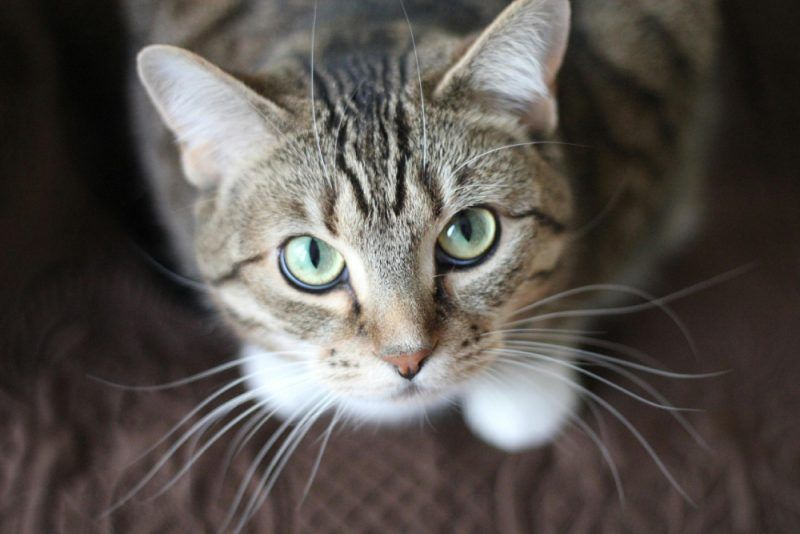
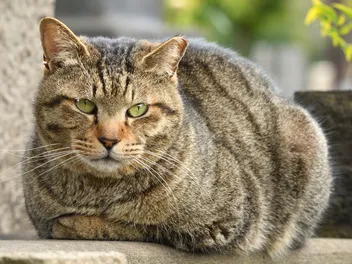
Tabby cats are among the most popular felines. They're known for their distinctive patterns capped by M-shaped stripes on their foreheads. The Tabby is not a breed of cat but a set of distinguishing characteristics that can appear in many breeds and colors. All Tabbies have the same forehead markings. They also have what are called agouti hairs—these hairs have alternating light and dark segments, which are the second defining characteristic of a tabby.
If you’ve ever pulled a shed Tabby hair from your shirt, you’ll likely have noticed that each individual hair has several colors on it, which are the agouti hairs.
There are quite a few possible patterns and colors and many anecdotal interpretations and definitions of them, so it can easily become confusing to make sense of it all, so here are just some of the more common colors and patterns described in literature and recognized by the Cat Fanciers’ Association.

The 10 Common Tabby Cat Colors & Patterns

1. Classic Tabby

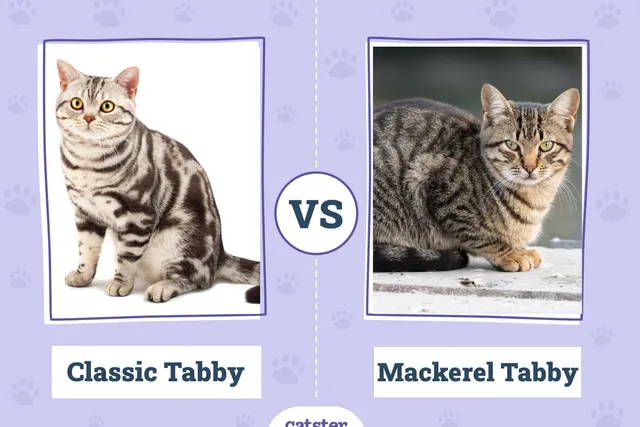
The Classic Tabby has a pattern on the shoulder resembling a butterfly, leading into darker lines towards the back, with swirling patterns and a circle on the side, forming a distinctive marbled look. This pattern is more random compared to others, making each Classic Tabby’s coat unique, almost like a fingerprint.
2. Mackerel Tabby

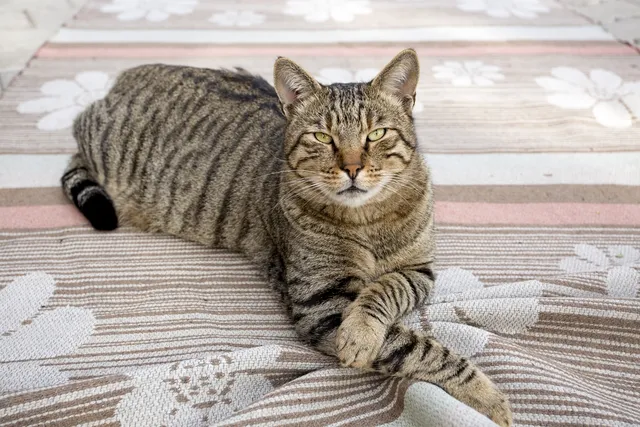
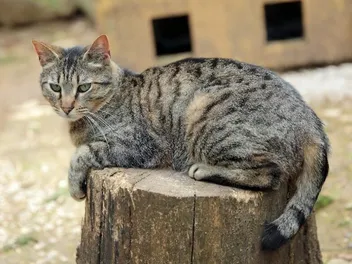
Frequently nicknamed the tiger Tabby, Mackerel Tabbies have a linear pattern with one solid dark stripe running along their spine, with thinner stripes branching off down the sides of the body. This pattern resembles the skeleton of a fish, hence the name. The stripes are generally uniform, giving these tabbies their sleek and athletic look. Mackerel Tabbies may also have spots on their belly, adding a playful touch to their otherwise streamlined pattern.
3. Spotted Tabby

A Spotted Tabby is a fun variation of the Classic Tabby with spots scattered across their coat instead of stripes and swirls. The spots can range from round to oval shapes that can appear as broken stripes or more defined markings like that of a cheetah. This exotic pattern is similar to the appearance of breeds like Ocicats.
4. Ticked Tabby

Often called Abyssinian or Agouti Tabbies, these cats look the least like stereotypical Tabbies. They have subtly sophisticated solid-looking coats, although up close the hairs on the Ticked Tabby actually have two or more bands of alternating light and dark shades of color. These Tabbies have the standard forehead markings and may have stripes on their faces, but lack the bold stripes or spots seen in other tabby coats.
5. Patched Tabby

All of the tabby patterns may combine with red or cream colors and create a patched tabby pattern. These cats can have random patches or splotches of red or cream, alongside the tabby pattern.
6. Tortoiseshell

Tortoiseshell Tabbies, or "Torbies," uniquely combine the splotchy mix of black, brown and red patches of a Tortoiseshell cat with Tabby stripes usually most visible on the face, legs and tail. However, the tabby markings can sometimes be obscured by the patchy mix of colors from the Tortoiseshell pattern.
7. Brown Tabby

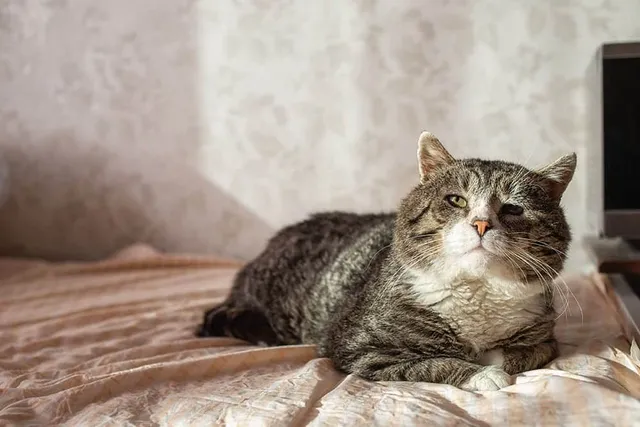
Brown Tabbies are what most people think of when they envision a Tabby. These cats have warm tones with dark stripes over a tawny, beige, caramel or cream base. The combination of their rich markings typically produces a classic earthy look. They may have solid, dark brown fur on their ears and paws.
8. Red or Orange Tabby

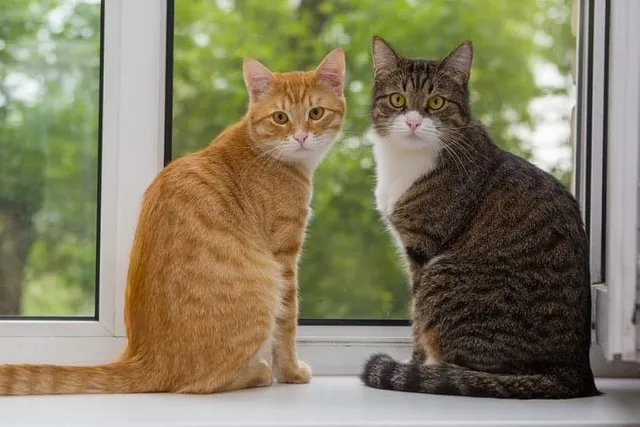
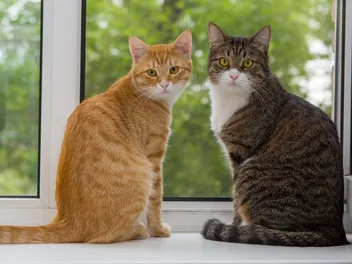
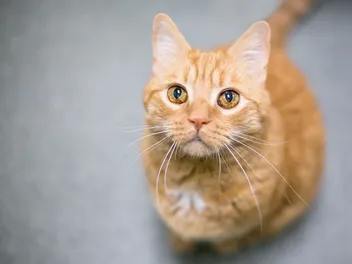
Red or orange Tabby coats can range from pastel ginger to a more fiery and vibrant auburn with darker stripes that add depth. All orange cats are technically Tabbies because the gene responsible for this coloration is innately linked to the Tabby pattern. Garfield is a well-known and classic example of the red or orange tabby and represents the bold nature that is often associated with red or orange Tabbies in a fun and playful way.
Might Also Interest You: Fascinating Facts About Red Tabby Cats
9. Silver Tabby

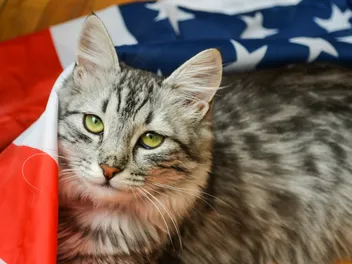
Silver Tabbies, sometimes called white tabby cats, bring a cool, sleek vibe to the Tabby world. Their coats include a mix of different shades of gray, giving them an almost metallic look. This pattern can vary quite a bit, ranging from a contrasting combination of dark gray or black stripes and swirls over a light base to markings in a more subtle gray gradient.
10. Calico Tabby

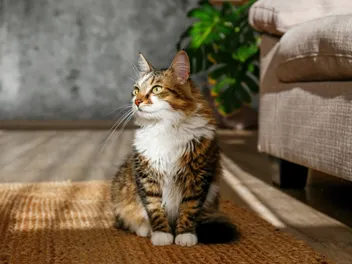
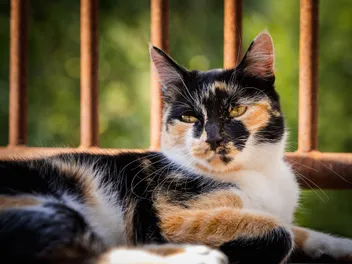
The term Calico, much like Tabby, refers to a pattern of colors rather than a breed. These tabbies blend the three colors of the Calico, white, orange, and black, with the distinctive Tabby markings, i.e. the signature “M” on the forehead. They typically have Tabby stripes visible in between the Calico patches, giving their coats an artistic mix of bold patterns and colors.

Conclusion
Tabby cats are some of the most common cats in the world. Many cat breeds have Tabby pattern, as well as Domestic Shorthairs, the most common of non-pedigreed housecats.
Related reads:
Sources
Featured Image Credit: Krysten Merriman, Pexels
Expert cat care, straight to your inbox
News, insights, and useful advice, delivered to you.

No spam — unsubscribe anytime.
By signing up, you agree to our Terms & Conditions and Privacy & Cookies Policy.
How useful was this post?
Click a star to rate. You can leave written feedback afterwards. (We read all feedback.)
Christian started writing for a local newspaper as a teenager, and he's been involved in the publishing industry for most of his adult life. Combining his love of writing with a passion for animals, he is currently the Director of Editorial at Pangolia and the Editor-in-Chief at Catster.
Christian lives in the Philippines with his wife, son, and four rescue cats: Trixie, Chloe, Sparky, and Chopper.