Why Is My Cat’s Stomach Gurgling? 8 Vet-Reviewed Reasons


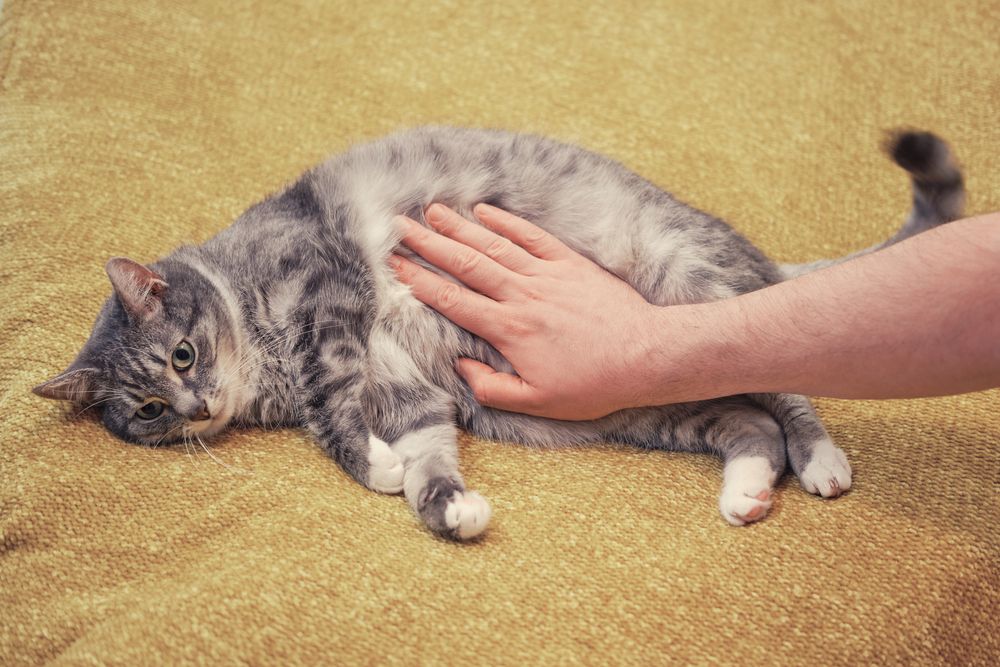
If your cat’s stomach is making odd noises, you may be wondering what’s going on and what causes it. Cat stomach gurgles are often totally normal — they’re often just the sounds caused by everyday feline digestive processes, but these noises can also be an indication that something more serious is going on, particularly when accompanied by other signs of illness such as lack of appetite, lethargy or vomiting.
Cats that appear to be feeling under the weather and who have gurgling stomachs should always be seen by a veterinarian sooner rather than later, and reach out to your veterinarian if your cat doesn't eat for more than a day or so. Keep reading to learn more about eight possible reasons why your cat’s stomach is gurgling.

The 8 Possible Reasons Why Your Cat’s Stomach is Gurgling
1. Normal Digestion
Veterinarians call these tummy rumbles borborygmi. They’re often normal and just part of how cats digest food. Stomach gurgling is the sound associated with fluids and gasses passing through the digestive system. These sounds usually appear within a few hours of the pets’ last meals.
Probiotics and prebiotics may help cats with digestive issues, and commercial diets are available for cats with sensitive stomachs. Speak with a veterinarian before changing what your cat eats or adding any supplements to their diet.
2. Food Allergies
Food allergies can occur in cats, and when they occur, signs often include itchy skin, excessive ear wax, and stomach problems. Proteins such as beef, chicken, and fish are common triggers.
There may be a genetic component to allergies, as many cats who suffer from food sensitivities also react to environmental triggers. Ultimately, veterinarians aren’t entirely sure what determines which cats will have allergies. However, elimination diets are used to identify what causes the allergy.
3. Gastrointestinal Cancer
Gastrointestinal cancers can occur in cats in all parts of the gastrointestinal tract. Most of these have complex causes and risk factors that are not fully understood. Cancer of the gastrointestinal tract can lead to digestive upset, vomiting, diarrhea, and increased borborygmus as cats digest food.

4. Pancreatitis
The pancreas makes enzymes that help cats digest food and manage blood sugar levels. Pancreatitis is an inflammatory condition that can occur suddenly or develop over time. Signs of acute pancreatitis include loss of appetite, stomach pain, vomiting, and diarrhea. Signs often come and go when cats are dealing with chronic pancreatic problems.
5. Hyperthyroidism
Hyperthyroidism occurs when cats' bodies produce too much thyroid hormone and is generally caused by benign tumors. The condition could be linked to dietary issues or chemical exposure, and it’s generally seen in older cats.
Signs can include weight loss, vomiting, diarrhea, and increased appetite. Diagnosis usually involves a physical exam and blood tests. Treatment options are varied but radioactive iodine therapy tends to be quite successful.

6. Foreign Body Ingestion
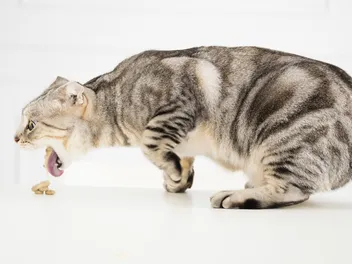
Non-food items that cats get into and eat can sometimes get stuck in their digestive tracts, which can lead to gastrointestinal blockages. The most common signs include not eating, vomiting, and withdrawal. These blockages can lead to life-threatening obstructions if they’re not removed by a veterinarian.
7. Hairballs
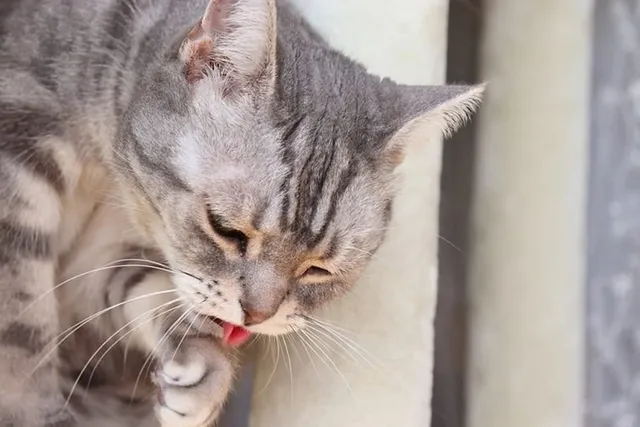
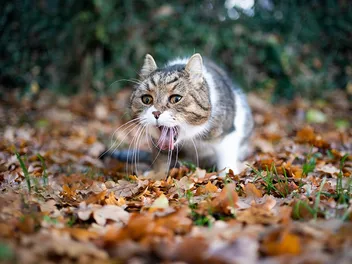
Hairballs are formed when the fur ingested during grooming gets stuck in their digestive tracts instead of passing along as poop. Hairballs often look like tubes of wet fur, and mucus sometimes surrounds them. It’s often more of a problem with longhaired cats, though pets that overgroom due to stress or allergies can end up with their fair share of hairballs. Frequent hairballs should be discussed with your cat’s veterinarian.
8. Upset Tummy
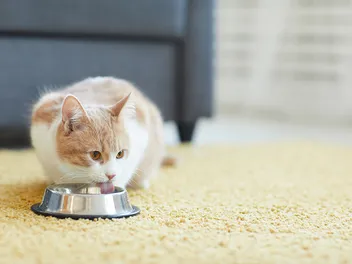
Sometimes, cats manage to get into things that don’t agree with them, which can lead to tummy problems. Cats that eat a new food brand can sometimes have difficulty with a particular ingredient. Eating food that’s started to spoil can also cause cats to have tummy problems.
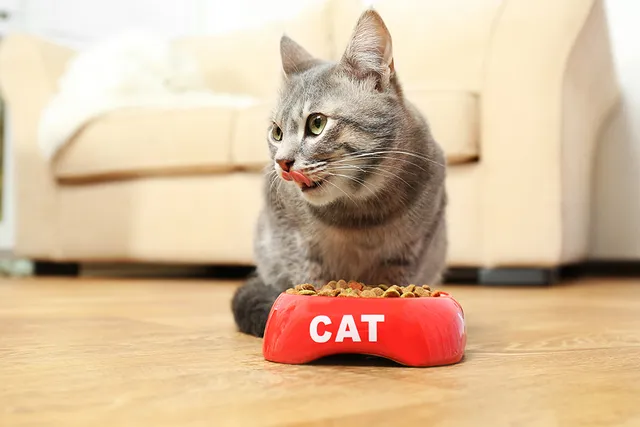
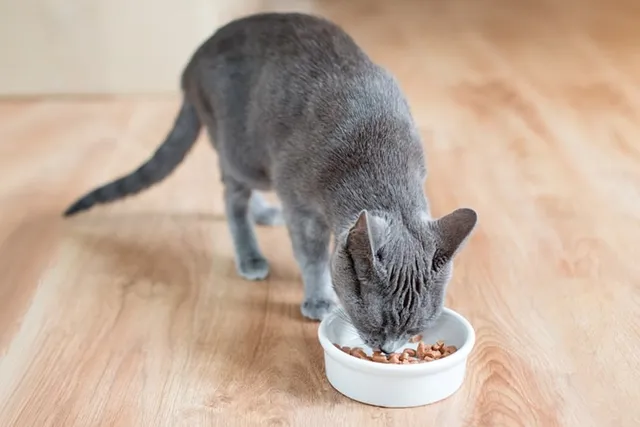
Leftover food should be disposed of to prevent those sorts of issues. Dry food can remain in the bowl longer, but wet food should be removed after an hour at room temperature. Food bowls should be washed after every use, and water bowls should be cleaned daily. Parasites can also cause cats to have stomach issues.
Conclusion
Cats’ stomachs can gurgle for several reasons, from normal digestion to serious illness, but it's often part of cats’ normal digestion. Cats showing signs of illness, such as lethargy and lack of appetite, should always be seen by a veterinarian, as they often hide indications of illness, making it critical to follow up on these general indicators that they may not be feeling well. Probiotics and food formulated for cats with sensitive stomachs may help minimize stomach gurgling in some cats.
Sources
Featured Image Credit: Zhuravlev Andrey, Shutterstock
Expert cat care, straight to your inbox
News, insights, and useful advice, delivered to you.

No spam — unsubscribe anytime.
By signing up, you agree to our Terms & Conditions and Privacy & Cookies Policy.
How useful was this post?
Click a star to rate. You can leave written feedback afterwards. (We read all feedback.)
Lorre Luther is a writer who is firmly convinced that cats are smarter than humans. She left her law career in the United States and moved to the Netherlands to follow her dream of becoming a writer. Lorre currently lives in Rotterdam, she enjoys traveling and greatly appreciates the beauty of nature. Lorre has a spot for animals and admires the intelligence of cats.