Why Do I Need to Clean My Cat's Litter Box? 10 Vet Reviewed Reasons & Cleaning Tips


In this article
As a cat owner, you know that cleaning the litter box is definitely the least pleasant chore associated with caring for your feline friend. However, keeping your cat's litter box clean is also one of the most important things you can do to ensure their good health and well-being. In this article, we'll explore 10 compelling reasons why cleaning your cat's litter box is crucial and provide you with tips on how to do it effectively and efficiently.

The 10 Reasons Why You Should Clean Your Cat's Litter Box
1. Reduce Odor and Air Quality Concerns
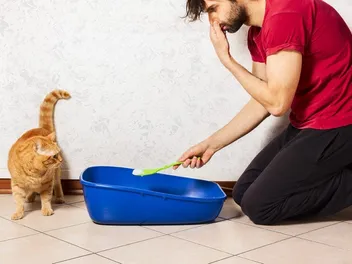
When you don't clean your cat's litter box regularly, it can start to smell, making your home less pleasant to be in. The ammonia from urine in the litter box can also irritate your eyes and respiratory system, impacting your indoor air quality. A clean litter box promotes overall cleanliness in your home, allowing you to keep up with other cleaning tasks more efficiently.
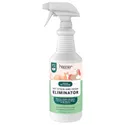
Combating tough cat litter smells is an ongoing battle for pet parents but luckily, there are products out there designed to help! Two products that significantly reduce odors are the Hepper Litter Additive and the Hepper Enzyme Spray.
| Image | Product | Details | |
|---|---|---|---|
|
Hepper Advanced Bio-Enzyme Pet Stain & Odor Eliminator Spray |
|
Check Price |

|
Advanced Bio-Enzyme Cat Litter Deodorizer |
|
Check Price |
At Catster, we’ve admired Hepper for many years and decided to take a controlling ownership interest so that we could benefit from the outstanding designs of this cool cat company!
2. Prevent Bacterial Growth
A dirty litter box is a breeding ground for harmful bacteria that can cause UTIs (urinary tract infections) and other health issues in cats. Regular cleaning of the litter box inhibits the growth of these dangerous bacteria.
3. Control Parasites
Dirty litter boxes can contain fleas, ticks, and other parasites, especially if your cat spends a lot of time outdoors. Regular cleaning of the box can help prevent these pests from infesting your home and your cat. A dirty litter box can also spread disease to other pets in the home or even to humans.
4. Encourage Proper Litter Box Use
Cats are known for their fastidious nature. Therefore, a dirty litter box can discourage your cat from using it, leading to inappropriate elimination issues. If your cat is eliminating in places around the house besides the litter box, it could be an indicator that the litter box needs to be cleaned anyway.

5. Prevent Urine Scald
When a cat's fur comes into contact with wet litter or urine, it can lead to skin irritation and even urine scald. Regular cleaning of the litter box can prevent your cat from developing these unpleasant conditions.
6. Keep Your Cat Healthy
A dirty litter box can actually cause a range of physical ailments in cats, including bladder infections, diarrhea, and other gastrointestinal issues.
7. Improve Cat Behavior
Cats can become stressed if their litter box is not clean, leading to behavior issues like aggression and destructive behavior. And as we’ve mentioned, cats that are not using their litter box due to it being dirty may opt to eliminate it in other areas of your home, leading to house soiling.
8. Detect Health Issues
One of the most significant benefits of regularly cleaning your cat's litter box is that it can help you detect health issues early. Changes in your cat's litter box habits or the appearance of their waste can signal health issues that require medical attention.
9. Extend Litter Life
Cleaning the litter box regularly can help extend the life of your cat's litter. By removing waste promptly, you can keep the litter fresher for longer. This can also save you money on litter, since you aren’t going through as much.
10. Save Time and Money
Speaking of saving money, cleaning your cat's litter box regularly may seem tedious, but it can actually save you time and money in the long run. You can avoid costly vet bills and property damage by avoiding cat health issues and preventing house soiling.

How to Clean Your Cat's Litter Box
Please Note
Now that you know why cleaning your cat's litter box is important, it's essential to know how to do it correctly.
- Use a scoop or scoop-free litter box to make cleaning easier.
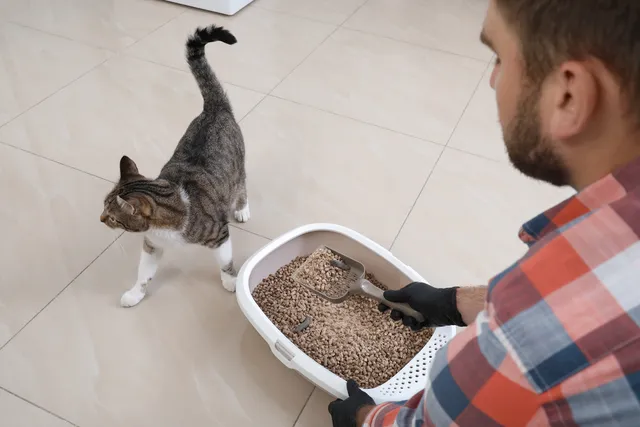
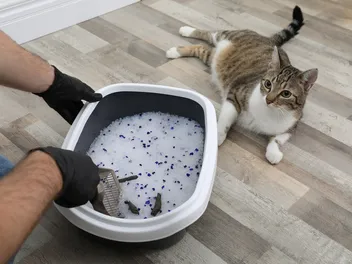
- Wear gloves and a mask, especially if pregnant, to protect yourself from bacteria and dust.
- Scoop all the waste out of the litter box at least once a day.
- Wash out the litter box with soap and water weekly or bi-weekly and dry it thoroughly.
- Replace the litter, even the 'clean' litter, entirely, once or twice a month (or even more often if you have multiple cats).
Additional Products to Help with Litter Box Cleaning
Several litter box cleaning products can make the process more efficient and effective.
Here are a few to consider:
About Self-Cleaning Litter Boxes
A newer option on the market is the self-cleaning litter box. These automated boxes use sensors to detect when your cat has used it and then automatically rake through the litter, scooping up waste and depositing it into a receptacle that can be easily removed and replaced. They also come with special filters that help reduce odors and keep the area smelling fresh.
Self-cleaning litter boxes are a convenient way to keep your cat's litter box clean with minimal effort. However, they should still be checked and cleaned regularly. Many self-cleaning models come equipped with sensors that will alert you when it's time for maintenance or replacement of the filter.
Frequently Asked Questions
How many litter boxes should I have per cat?
One litter box per cat and one extra is recommended. This will ensure that each cat has their own designated space, which will help reduce the likelihood of house soiling.
How often should I aim to clean my cat's litter box?
You should scoop out the waste at least once a day and clean the litter box with soap and water weekly or bi-weekly. You should also replace the litter entirely at least once per month (sometimes more often if you have multiple cats). Additionally, you can use odor-eliminating sprays in between cleanings to help keep the area smelling fresh.

Are self-cleaning litter boxes a good option?
Self-cleaning litter boxes are a convenient way to keep your cat's litter box clean with minimal effort. However, they should still be checked and cleaned regularly to make sure that they are working properly.
What health and safety measures should I take when cleaning my cat's litter box?
It's important to wear gloves and a mask to protect yourself from bacteria and dust when cleaning the litter box. Additionally, you should ensure that the area is well-ventilated since some litter can produce dust particles that may cause respiratory irritation.
What should I do if suddenly my cat is not using the litter box?
If your cat is not using the litter box, it could be due to a number of factors, such as stress, illness, or an unclean litter box. It's important to make sure there isn't an underlying medical problem by taking your cat to the vet. Next, make sure the litter box is cleaned regularly and check to see if there are any potential stressors in the environment, such as a new pet or loud noises. Finally, you may need to experiment with different types of litter or litter boxes to find one that your cat prefers.
Can I use a regular trash can for my cat's litter box?
While a regular trash can could work as a makeshift litter box, it is not recommended. Traditional litter boxes are designed to provide cats with enough space and privacy, so the size of a trash can may not be ideal for them. Additionally, many self-cleaning models come with special filters that help reduce odors and keep the area smelling fresh, which is something that a regular trash can cannot provide. It's best to stick with a traditional litter box for the best results.
Conclusion
By following these tips and utilizing additional products, you can ensure your cat's litter box is always clean and safe for them to use. Cleaning your cat's litter box regularly is one of the best ways to keep them happy and healthy and prevent messes in your home. So, don't forget to make it part of your routine!
Featured Image Credit: Africa Studio, Shutterstock
Expert cat care, straight to your inbox
News, insights, and useful advice, delivered to you.

No spam — unsubscribe anytime.
By signing up, you agree to our Terms & Conditions and Privacy & Cookies Policy.
How useful was this post?
Click a star to rate. You can leave written feedback afterwards. (We read all feedback.)
Christian started writing for a local newspaper as a teenager, and he's been involved in the publishing industry for most of his adult life. Combining his love of writing with a passion for animals, he is currently the Director of Editorial at Pangolia and the Editor-in-Chief at Catster.
Christian lives in the Philippines with his wife, son, and four rescue cats: Trixie, Chloe, Sparky, and Chopper.