Supplements for Cats: Needs, Uses & Complete Guide (Vet Answer)
In this article
Supplements are a hot topic in human health. You can find a formulation to cure seemingly anything that you think may be ailing you. As with most things in human medicine, veterinary medicine isn’t far behind, as we all want to do what is best for our furry friends. So, how do supplements relate to feline health? The fact of the matter is that some cats may need them and others don’t.
If you’re thinking of giving a supplement to your cat, be sure to talk to a veterinarian first to determine if the product is necessary and safe. Never give human supplements to your pet unless advised by a vet.

What Are Supplements for Cats?
Supplements are vitamins, minerals, or other products that can be given to cats to boost their health in some way. They are meant to be given in addition to a healthy diet and potentially alongside other environmental changes. That said, most healthy cats that don’t have any health conditions and that are eating high-quality cat food don’t need supplements. They get everything that they need from their diet.
However, kitties with certain health conditions may benefit from supplements. That determination should only be made by a veterinarian, though.
Possible reasons for supplementation may include:
- Osteoarthritis
- Digestive issues
- Skin conditions
- Kidney disease
- Stress/anxiety
- Immune dysfunction

What Are Examples of Supplements for Cats?
If you’re curious about what supplements may benefit your cat, here are a few of the most commonly recommended ones.
How Are Supplements for Cats Given?
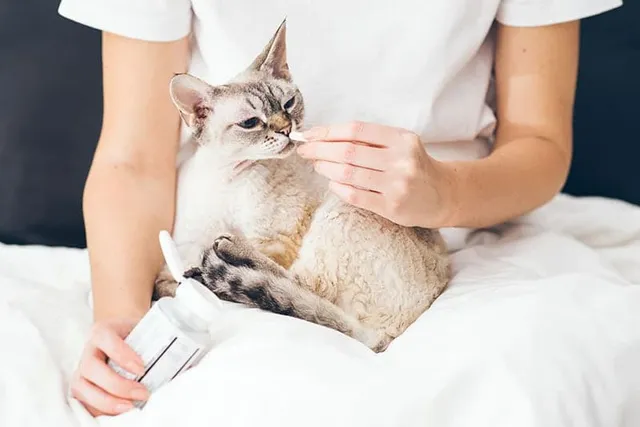
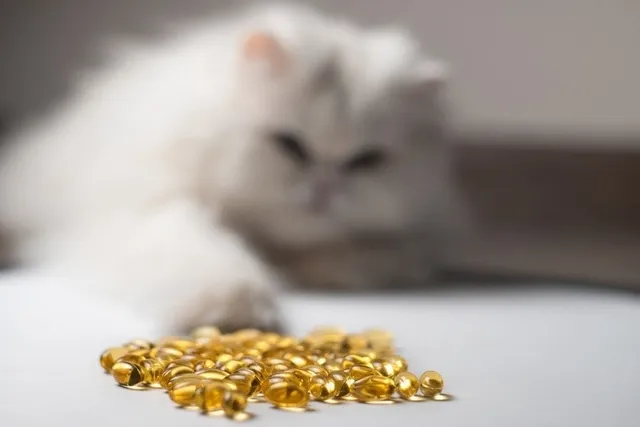
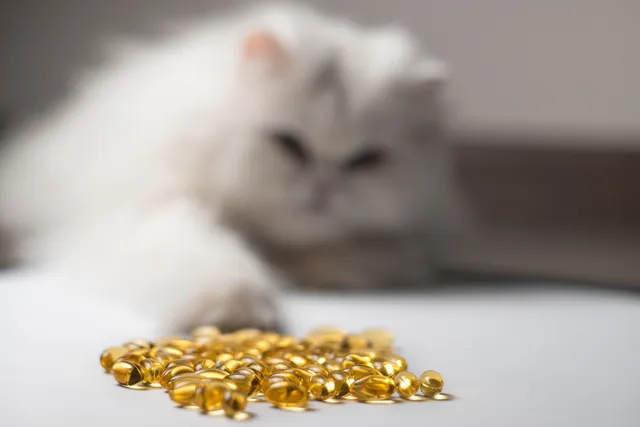
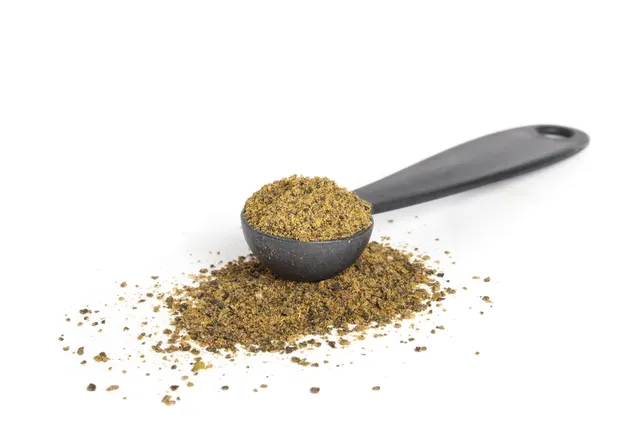
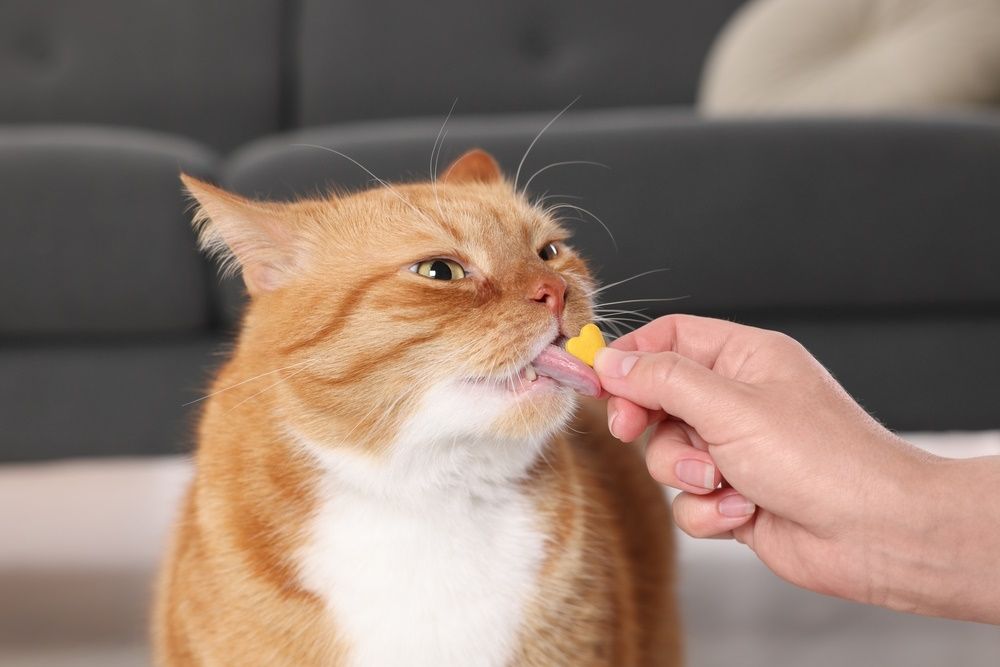
Most supplements for cats are given orally. They may be in a pill or chewable tablet form or a powder or liquid that you can add to their food. Some are in a gel or paste form that kitties can lick up. Since these products are meant to be given orally, they will likely be tasty, so be sure to store them in a safe place where your kitty can’t get to them, to prevent them from helping themselves and potentially creating serious issues.
On that same note, be sure you’re not over-supplementing your kitty. Something being too much of a good thing is also true when it comes to supplements. Stick to the recommended dosage provided by a veterinarian.
What Happens If You Miss a Dose of a Cat Supplement?
Supplements aren’t medications, so their administration isn’t usually as strict, but that doesn’t mean you can give it haphazardly. If you forget to give your kitty their vitamins/amino acids/etc. one day, just give them the dose as soon as you think of it, and continue with your regular schedule. Don’t double up on a dose or withhold it unless advised to do so by a vet.

Potential Side Effects of Supplements for Cats
The biggest downside of cat supplements is that they aren’t as highly regulated as things like antibiotics, anti-inflammatories, or other medications. That means they don’t have to meet a certain standard of quality and efficacy. So, while some supplements may be just what the doctor ordered, others may be less helpful and even unsafe.
To help avoid potential issues, see if the supplement that you choose is approved by the National Animal Supplement Council to ensure that it’s safe, and then get a proper dose from a veterinarian. They may also have recommendations for products that they view as safe and effective.
Other side effects may show up if your kitty doesn’t need the supplement. For example, a cat that isn’t suffering from an iron deficiency can actually experience iron toxicity if they get too much from a supplement. The same goes for other vitamins and minerals. Keep in mind that your cat will likely need to ingest a large amount of the supplement to create issues, but it can still happen. That’s why it’s so important that you don’t self-prescribe supplements for your cat just because it feels right. You should have a veterinarian’s signoff before giving them anything.

Frequently Asked Questions
Should Cats Take Supplements?
The quick and easy answer is that it depends. Most healthy kitties on a good diet aren’t going to need anything additional. However, some kitties that are experiencing certain health issues may thrive with supplementation. Those beneficial additions should be determined by a vet, though.
What Is the Most Important Supplement for Cats?
No one supplement is the best for every cat out there. Instead, some are better than others, depending on the cat’s age and health status. For example, older kitties may benefit from supplements of glucosamine, chondroitin, omega fatty acids, and antioxidants to help with healthy aging, while a long-haired kitty may benefit from pro- and prebiotics to help move hairballs through. It all depends on the individual and what a veterinarian deems best.
How Do I Add Supplements to My Cat’s Food?
Supplements are designed with ease of administration in mind. No one likes to give a cat a pill, so most will be flavored to entice a cat to eat them willingly or to easily add them to your cat’s food. If you’re having trouble getting your pet to take their supplement, speak to a vet about alternatives.
Conclusion
Supplements have their place in veterinary medicine, but they aren’t necessary for every kitty. If you think that your cat may benefit from supplementation, talk to your veterinarian first. They will be able to determine if your cat can use the supplement and recommend safe and effective products. Never give your kitty anything without first talking to your vet.
See also:
Featured Image Credit: New Africa, Shutterstock

Expert cat care, straight to your inbox
Vet-reviewed advice, behavior tips, and the best of Catster. Free, and you can unsubscribe anytime.
By signing up, you agree to our Terms & Conditions and Privacy & Cookies Policy.
Dr. Chyrle Bonk DVM (Veterinarian)
On top of healing animals and writing for veterinary publications, Dr. Chyrle Bonk owns a small cattle herd! When she’s not busy with those things, she can be found somewhere in the Idaho outdoors with her husband and two kids.
Chyrle has practiced in a mixed animal clinic for over 10 years. She also writes for various veterinary websites and magazines, like Catster!
Dr. Chyrle Bonk received her Doctor of Veterinary Medicine (DVM) from Oregon State University in 2010.
Join the conversation
Ask a question, share your story, or send private feedback.