Prednisone & Prednisolone for Cats: Usage, Safety, Side Effects & FAQ

In this article
A common medication to go out the veterinary door is prednisone. It can be prescribed for nearly every ailment in nearly every animal (including humans!). So, while most cat owners have heard of prednisone or prednisolone, they may not have a complete understanding of these medications. So, read on to find out more about prednisone and prednisolone in cats, including what it’s used for, how it’s given, and potential side effects.

What Are Prednisone and Prednisolone?
Prednisone and prednisolone are two different medications, but they are basically the same thing. They are both synthetic glucocorticoids, or steroids, that are produced in the adrenal glands that have an effect on nearly every tissue in the body. Prednisone is converted into prednisolone in the liver quickly and efficiently in most animals. This is the form that does all the work. Cats don’t fall under the “most animals” category in this case, though. Instead, they have a difficult time converting prednisone and do better when given prednisolone to start with. From here on out, we refer to the use of prednisolone in cats with this understanding.
What Are Prednisone/Prednisolone Used for in Cats?
It was only a slight exaggeration to say that prednisone is prescribed for nearly every ailment, as the uses of prednisone and prednisolone make up a wide and inclusive group.
That said, the three main uses of prednisolone in cats are as follows:
How Is Prednisone/Prednisolone Given to Cats?
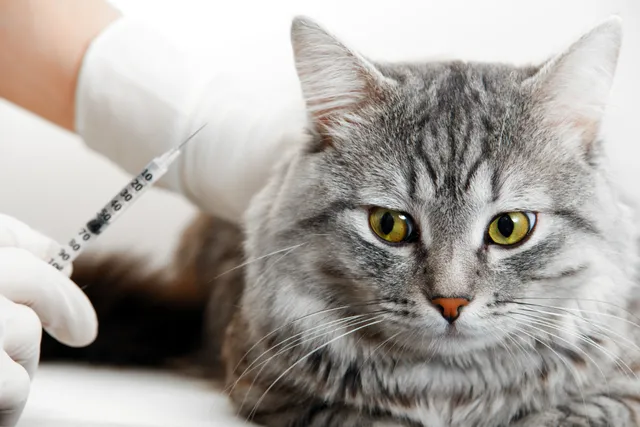
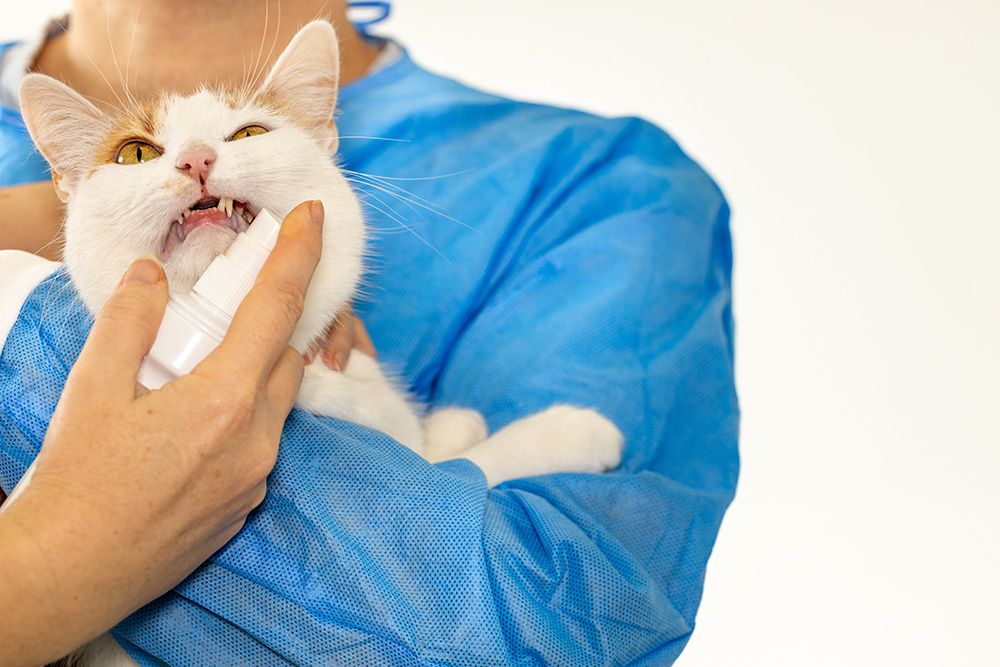
Prednisolone can be found in tablets and oral liquids, as injections, or even in eye drops. Vets will likely give injections when at the clinic but send you home with tablets or the liquid to continue treatment. Depending on the condition that your kitty is looking to get relief from, the dose may need to be given once or twice a day or every other day. If you only need to dose your cat once a day, the vet may recommend giving it in the evening to better coincide with your cat’s natural glucocorticoid rhythms.
Since high doses and long-term use of prednisolone are associated with more side effects, the vet will try to stick with the lowest dose and shortest duration possible. They may direct you to give a high dose for a few days and then either reduce it to a smaller amount or give it less frequently. As you start to come to the end of your cat’s treatment, you’ll also be asked to taper the dose so you’re not stopping it abruptly.
As you can see, giving prednisolone to your pet can be a bit tricky, so be sure to follow the instructions that the vet gives you carefully.

What Happens If You Miss a Dose of Prednisolone?
Your kitty’s treatment for any of the issues that prednisolone may help with can be overwhelming to take in, so don’t worry if you forget a dose. Instead, you should give it as soon as you remember. However, if you are nearing the time of the next dose, wait and give it as you would normally. Don’t double up on doses or give two within a short amount of time.
You also don’t want to suddenly stop giving prednisolone to your cat, as this can throw off their natural glucocorticoid production. Instead, the vet will recommend tapering the dose over a week or so to gradually wean your cat off of the medication. If you have any questions, ask a veterinarian.
Potential Side Effects of Prednisolone in Cats
It’s not uncommon for a cat taking prednisolone to have a few side effects.
If your cat starts showing signs of not eating, bloody stools, change in coat, aggression, or anything else out of the ordinary, see a veterinarian immediately. Vets will try to minimize these side effects by giving the lowest dose and duration possible.
Frequently Asked Questions
Can Cats Safely Take Prednisone?
Prednisone isn’t bad for cats, even though some people have claimed that “prednisone killed my cat.” It’s just not that effective because felines have a hard time converting it into the useful form of prednisolone. For this reason, vets will always try to give prednisolone to cats when possible.
How Long Can My Cat Stay on Prednisolone?
A vet will try to treat your cat with the shortest course of prednisolone or other steroids as possible. Generally speaking, any condition that requires more than 2–3 months of prednisolone treatment should be rechecked to make sure this medication is the best option.

Does Prednisolone Change Cats’ Behavior?
Some cats that take prednisolone may become more aggressive or irritable. Others may be more restless and eat and drink more. These changes are usually more common with high doses or long-term use. If you notice any of these signs in your cat and they are hard to live with, consult a veterinarian.
Conclusion
Prednisolone/prednisone is a fairly commonly used medication in cats, especially to treat inflammatory issues like bronchitis, skin issues, or gingivitis. Its use can have side effects, most of which are short lived but can increase in severity with high doses or lengthy use. Be sure to follow the veterinarian’s instructions when using prednisolone in cats to ensure that they get the most benefit with the least amount of medication.
Sources
Featured Image Credit: Andrzej Rostek, Shutterstock
Expert cat care, straight to your inbox
News, insights, and useful advice, delivered to you.

No spam — unsubscribe anytime.
By signing up, you agree to our Terms & Conditions and Privacy & Cookies Policy.
How useful was this post?
Click a star to rate. You can leave written feedback afterwards. (We read all feedback.)
Dr. Chyrle Bonk DVM (Veterinarian)
On top of healing animals and writing for veterinary publications, Dr. Chyrle Bonk owns a small cattle herd! When she’s not busy with those things, she can be found somewhere in the Idaho outdoors with her husband and two kids.
Chyrle has practiced in a mixed animal clinic for over 10 years. She also writes for various veterinary websites and magazines, like Catster!
Dr. Chyrle Bonk received her Doctor of Veterinary Medicine (DVM) from Oregon State University in 2010.