What are the Side Effects of Prednisolone & Prednisone? Our Vet Explains


In this article
Glucocorticoids like prednisone and prednisolone have many useful functions in veterinary medicine. In fact, they have been prescribed as a treatment for nearly every issue that you can think of. While these medications may be a helpful part of your cat’s treatment regime, you should know that they have potential side effects. In this article, we examine these possible side effects so you know what to look for if your cat is taking these medications.

What Are Prednisone and Prednisolone?
Prednisone and prednisolone are glucocorticoids, which are natural hormones made by a body’s adrenal glands. Their main function is to break down fat and sugar stores to be used for energy during times of high need (e.g., running from a predator).
In veterinary medicine, it’s not typically necessary to boost a cat’s fight-or-flight response. Instead, glucocorticoids are used for their secondary functions: fighting inflammation and suppressing the immune system. They can also be given for diseases where there is a glucocorticoid deficiency, such as hypoadrenocorticism, and as part of certain cancer treatment protocols. They are used for both short- and long-term treatment.
To be clear, in basic terms, prednisone and prednisolone are the same thing. In most mammals, prednisone is converted to prednisolone in the liver. However, cats (and animals with liver failure) can’t efficiently perform this process, so it’s more common to just prescribe prednisolone instead of prednisone so that the conversion is already done, providing them with a usable form of the glucocorticoid.
Therefore, these two products have similar actions and side effects. From this point on, we refer to prednisolone use in cats, with the understanding that if your cat were to take prednisone instead, the side effects would likely be the same.

What Are Prednisone and Prednisolone Used for in Cats?
The most common use for prednisolone in cats is as an anti-inflammatory agent. Felines with chronic asthma or other respiratory issues, inflammatory bowel disease, skin issues, joint pain, and dental disease may all benefit from prednisolone’s inflammation-fighting capabilities.
There’s also cross-over use as an immunosuppressant with these issues and auto-immune diseases, including lupus. Cats with glucocorticoid deficiency, such as those with hypoadrenocorticism or damage to the adrenal glands, will need glucocorticoid therapy to replace those missing hormones. Prednisolone is also partly used as a treatment for cancers like lymphoma, leukemia, and mast cell tumors.
It can be a helpful medication, but it’s not one to be given lightly. The use of prednisolone, especially for the long term, has been associated with various side effects.
What Are the Side Effects of Prednisone and Prednisolone in Cats?

No medication is without potential side effects. Fortunately for our feline friends, they seem to suffer fewer side effects from prednisone or prednisolone administration than their canine counterparts. The side effects that are seen tend to be more prevalent in kitties taking high doses for long periods of time.
With that in mind, the most commonly seen side effects of prednisone and prednisolone in cats are as follows.
Short-Term Side Effects
- Increased Thirst and Urination: These are scientifically called polydipsia and polyuria. Essentially, prednisolone tells the kidneys to conserve more salt, which makes the body want to consume more water to maintain a healthy balance. The more a body drinks, the more it pees.
- Increased Appetite: Prednisolone may increase your cat’s desire for food by triggering the hunger center in the brain. Cats may be ravenous and beg for food constantly.
- Vomiting /or Diarrhea: Glucocorticoid treatment, especially in the early stages, can cause some digestive upset.
Long-Term Side Effects
- Weight Gain: A bigger appetite often leads to a bigger kitty. If you give in to your cat’s cravings for food, they may put on extra pounds.
- Lethargy or Depression: You may notice that your kitty doesn’t have the spring in their step that they used to with longer courses of prednisolone.
- Increased Risk of Infection: Prednisolone is an immunosuppressant, so using this medication for the long term could put your cat at risk for infections, mainly urinary tract and skin infections, along with decreased wound healing.
- Increased Risk of Diabetes: Long-term and high-dose glucocorticoid administration can increase the risk of insulin resistance in the body tissues, leading to a diabetic situation.
- Cushingoid Effects: These are signs that look like Cushing’s disease. It mainly happens with high doses given for a long period and can present with thinned hair and skin, a potbellied appearance, and recurrent ear, skin, and urinary tract infections.
If your pet is showing these signs, we suggest you speak to a vet.
How to Minimize Prednisone and Prednisolone Side Effects in Cats

A veterinarian is aware of the potential for these side effects to show up in your cat, and the possibility of your kitty developing these is closely weighed with the benefits that they will receive from the medication. Vets also take care to prescribe dosing guidelines that you should tightly adhere to. Their goal is to use the smallest dose possible for the shortest amount of time in order to get your cat the greatest benefit.
Therefore, felines are usually started at a dose high enough to achieve relief from clinical signs. Once that relief is achieved, the vet will try to decrease the prednisolone dose to a lower maintenance level. This often means every-other-day administration. From there, depending on the issue that your cat needs treating, prednisolone use will be further tapered off until it can be stopped completely, or your cat will be maintained on the lowest dose possible.
If you notice any of these side effects in your cat or anything else abnormal, contact a vet. They may be able to adjust the dose or prescribe a different medication. Prednisolone isn’t the only option out there, and your cat may be better suited for a different course of treatment.
Frequently Asked Questions
How Are Prednisone and Prednisolone Administered to Cats?
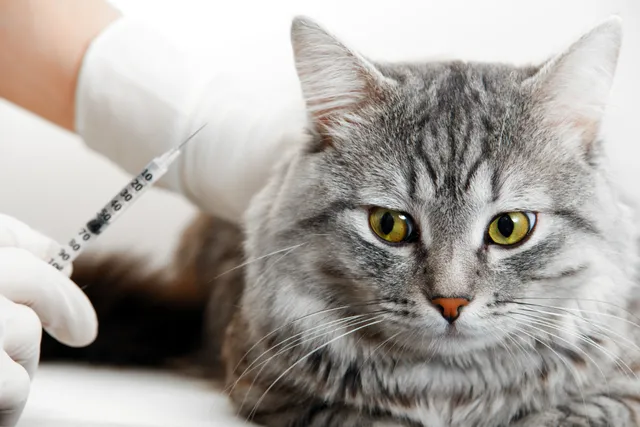
Prednisolone is available as an injectable or a tablet. The vet may use the injectable form in the clinic, but at-home administration is nearly always a tablet. If you’ve never given a cat a pill, be well-prepared beforehand, as cats can be quite particular about this process.

What Happens If I Suddenly Stop Giving Prednisolone to My Cat?
Besides the desire to decrease the dose of prednisolone to the smallest amount necessary, the vet will have you taper the dose near the end of administration to help avoid issues. When a cat takes prednisolone, especially for the long term, their body may reduce the amount of prednisone that it normally produces. Then, if you suddenly stop giving the medication, their body no longer has enough for normal function, and your cat may become quite ill. Tapering the dose enables the body to gradually adjust its normal production to fit its needs.
Conclusion
Prednisone and prednisolone are useful medications in veterinary medicine. They can treat many health issues and make a significant difference in the way that a cat feels. However, they are not miracle drugs, and administration should be closely monitored by you and a vet. Many potential side effects may also pop up, so be sure to talk to a veterinarian any time you have questions about your cat’s prednisolone regime.
Featured Image Credit: Alexander Khoruzhenko, Shutterstock
Expert cat care, straight to your inbox
News, insights, and useful advice, delivered to you.

No spam — unsubscribe anytime.
By signing up, you agree to our Terms & Conditions and Privacy & Cookies Policy.
How useful was this post?
Click a star to rate. You can leave written feedback afterwards. (We read all feedback.)
Dr. Chyrle Bonk DVM (Veterinarian)
On top of healing animals and writing for veterinary publications, Dr. Chyrle Bonk owns a small cattle herd! When she’s not busy with those things, she can be found somewhere in the Idaho outdoors with her husband and two kids.
Chyrle has practiced in a mixed animal clinic for over 10 years. She also writes for various veterinary websites and magazines, like Catster!
Dr. Chyrle Bonk received her Doctor of Veterinary Medicine (DVM) from Oregon State University in 2010.