Lethargy in Cats: Symptoms, Causes & Treatments (Vet Answer)


In this article
Cats are well known for being stoic. They are also a predator-prey species. This means that, as much as they enjoy hunting mice, they are also wary of being preyed on themselves. This has led to a great ability to hide pain and illness, even from their pet parents.
So, while it is often quite obvious when dogs are unwell, cat parents have to be more savvy. Signs of pain or illness in cats are often very subtle.

What Is Lethargy in Cats?
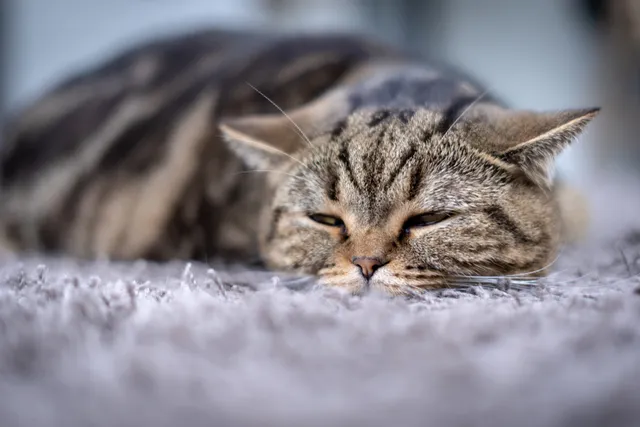
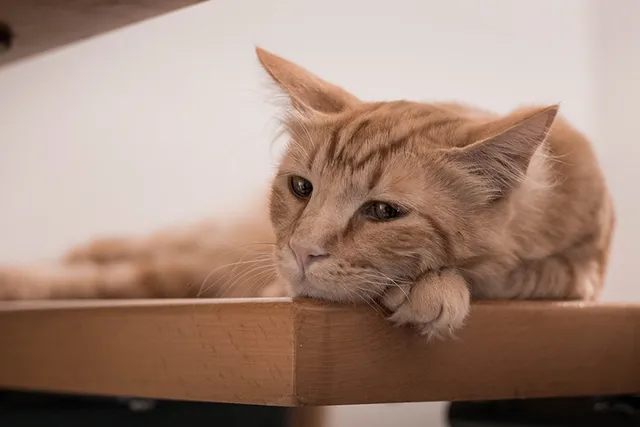
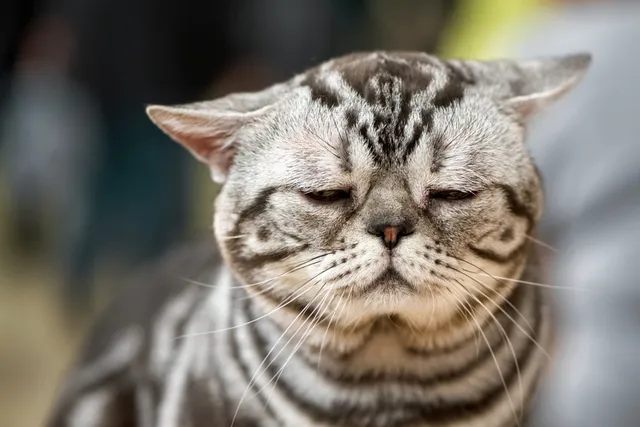
Lethargy is a symptom rather than a disease. Lethargy is defined in the dictionary as "a lack of energy and enthusiasm." In medical terms, lethargy is a state of inactivity or sleepiness brought on by illness, pain, or disease. Cats with lethargy may be quieter than usual or sleep more than normal, among other signs. There are many potential causes of lethargy in cats.

What Are the Signs of Lethargy in Cats?
Lethargy itself is a sign of an underlying problem.
If your cat is lethargic, you may notice:
Since lethargy is a sign of an underlying problem, rather than a disease itself, it is often accompanied by other symptoms.
There are a great number of other symptoms which may accompany lethargy in cats. It is commonly found alongside:
If you think your cat is lethargic it’s a good idea to try to determine if any of these other signs are present, which could help a vet to determine the problem.
What Causes a Lethargic Cat?
Lethargy in cats is quite a vague sign, with many potential causes, some more serious than others. Here are some of the most common causes of lethargy in our feline friends.
1. Obesity
There are some relatively simple causes of lethargy in cats, such as obesity or lack of fitness. However, it is important to note that if your cat is overweight but normally pretty active, a sudden decrease in activity is not likely to be caused by their weight.
Any sudden change in activity levels or behavior needs to be investigated by a veterinarian. If a veterinarian suspects that your pet is less active due to weight gain, it is time for a diet! Obesity is a growing problem in cats and can lead to a multitude of health conditions.
2. Fur Balls

Another common cause is fur balls. Long-haired cats are especially prone. Fur balls can be pretty uncomfortable, causing your cat to feel groggy. This lethargy is usually short-lived, lasting only until your cat manages to bring up the offending fur. Sometimes, cats need a little help to pass fur balls—a veterinary clinic can advise you of the best options for your cat.
3. Stress, Anxiety & Depression
Stress or depression can also cause lethargy. You may have had builders in, a new baby, or a house move. You may have introduced a new animal to the house, or your new neighbors have a cat who is a bully. All these types of events can cause stress in cats, and this can make them hide away and feel lethargic.
However, cat emotions are not to be compared with human emotions. If you are worried that your cat is stressed or depressed, you should always contact a veterinary clinic for advice. There may well be an underlying cause that needs addressing.
4. Medications & Sedation
Lethargy can also be seen as a side effect of some medications. It is particularly common in kittens, following their first vaccination. If the vaccination is the cause of the lethargy, then they may be drowsy for 24–48 hours. However, they should still want to eat, drink, and toilet. If they don’t, contact a veterinary clinic for advice. If your cat has had a sedation or anesthetic, such as for surgery, then they may be lethargic until the drugs wear off.
5. Anemia
Anemia is a lack of red blood cells, which carry oxygen around the body. Any illness involving anemia can cause lethargy as cats struggle to get the oxygen they need.
Cats can become anemic from many conditions, including:
6. Parasites
Some parasites in cats can cause lethargy, especially heartworm. It is also possible for a cat to become anemic from a very heavy flea or worm burden. This is especially true in young kittens.

7. Pain
Pain is a common cause of lethargy in cats. We don’t always know when our cats have been injured, especially with outdoor cats. This could be pain from a wound (which can be surprisingly hard to find in cats), a muscular injury, or any trauma.
In older cats, arthritis is a common source of pain, and therefore lethargy. Some illnesses, such as pancreatitis (inflammation of the pancreas), are very painful.
Urine infections can be very painful too. Sometimes cats can get a blocked bladder, where a urinary stone blocks the tube carrying urine from the bladder. This means the bladder keeps filling and becomes very distended. This is an extremely painful and potentially life-threatening condition.
8. Fever
Fever and lethargy in cats are a common pair. Cat bite abscesses are one of the most common causes of fever in cats. They can form when a fight injury gets infected with bacteria. Many infections can cause a fever, as can pain and inflammation in the body. Some auto-immune diseases can also cause a cat’s temperature to spike.

9. Gastroenteritis & Gut Conditions
Any condition affecting the gut can cause cats to feel pretty rotten, likely from a combination of nausea and discomfort. This means that lethargy and sickness or diarrhea are frequently seen together.
A foreign body lodged in the back of the throat, stomach, or intestines is particularly painful and would usually cause marked lethargy. Blades of grass lodged in the throat and pieces of string stuck in the intestine are common ones in cats.
Other Causes of Lethargy in Cats
Regardless of temperature, any infection can cause lethargy. Cat flu and urinary tract infections are common ones. Urinary tract infections can be particularly painful too. Endocrine (hormone-related) disorders can cause a cat to become lethargic. Common examples in cats include hyperthyroidism and diabetes mellitus.
Other conditions that can cause lethargy include heart or lung disease, poisoning, cancer, and kidney or liver disease.
When Is Lethargy in Cats an Emergency?
With some conditions, your cat may feel rotten for a couple of days before turning a corner and feeling better on their own. An example could be a sickness bug or a bout of diarrhea. Other times your cat may need veterinary treatment, such as a cat bite abscess. Then there are some causes of lethargy that are a medical emergency, and potentially life-threatening. So, how do you tell the difference?
You should call a veterinary clinic for advice if:
If your cat has any of the following signs alongside lethargy, you should treat it as an emergency and call a veterinary clinic straight away:
These are signs that the lethargy is a symptom of something serious that needs immediate veterinary treatment.

How Is Lethargy in Cats Diagnosed?
A veterinarian will want to discover the cause of your cat’s lethargy. As you can see, there are many potential causes of lethargy in cats, so this can be time-consuming.
The veterinarian may:
A vet may not need to do all of these tests, and the results of one test might indicate which tests can be skipped. However, because lethargy can be caused by so many things it can take a while to find the cause.
The vet should keep you appraised of which tests they need to do, and the results. If costs are an issue, try to bring this up with a vet as soon as possible so they can prioritize your pet’s tests.
How Is Lethargy in Cats Treated?
Treatment for lethargy in cats will depend on the cause. Some causes of lethargy will resolve themselves. Others should resolve with some simple treatment. Some conditions, however, require hospitalization. Surgery could be indicated, for example for some tumors or for a blocked bladder. Sadly, some cases cannot be cured.
Treatment for lethargy in cats could involve:
The vet will talk you through the necessary treatments. Sometimes, treatment will be on a trial basis to see if your pet responds, especially if the tests haven’t been conclusive as to the cause of the lethargy.

What Is the Prognosis for Lethargy in Cats?
Lethargy in cats carries a wide-ranging prognosis; from an excellent chance of recovery to potentially fatal. This will depend on several factors, including the underlying cause of the lethargy, your cat’s overall health, and your cat’s age.
Conclusion
We all know that cats love to sleep! Just as in humans, some cats sleep more than others. It is important to be aware of your cat’s normal sleeping patterns, so that you can tell when their activity levels change.
Cats are stoic creatures, so unfortunately are often quite ill by the time they allow any signs to show. We need to keep this in mind when our feline friends are poorly since it means that we should take all symptoms seriously.
Lethargy is a broad symptom, with many possible causes and outcomes. If you have any concerns about your cat being lethargic, call a veterinary clinic for advice.
Featured Image Credit: eledhwen22, Pixabay

Expert cat care, straight to your inbox
Vet-reviewed advice, behavior tips, and the best of Catster. Free, and you can unsubscribe anytime.
By signing up, you agree to our Terms & Conditions and Privacy & Cookies Policy.
Dr. Joanna Woodnutt BVM BVS (Veterinarian)
Joanna is an experienced veterinarian working in the UK. She has written about pets and their health for many blogs, pet magazines and pet websites and loves to help readers understand their pets through her writing.
She has started her own freelance company so she can help more pet parents than just the one standing in front of her in a consultation room.
She enjoys teaching and educating clients, so a career in writing, public education and pet health is the perfect combination for her.
Join the conversation
Ask a question, share your story, or send private feedback.