How to Tell If You're Allergic to Cats: 7 Signs to Look For

As pet parents, we adore our feline friends, and owning a cat is a truly wonderful experience. Even though cats can be aloof, moody, and have a habit of doing whatever they please, they can also be loving, cuddly, sweet, and adorable too.
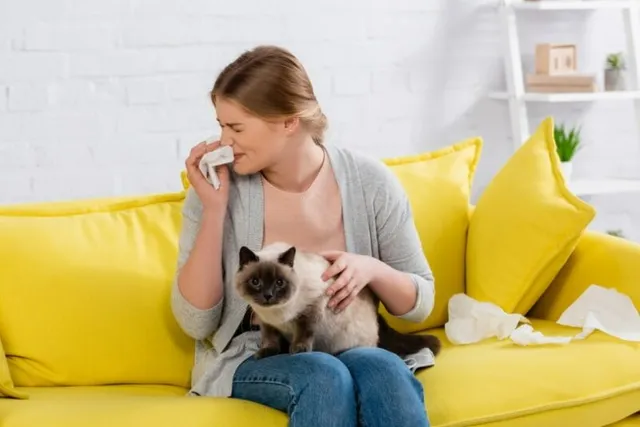
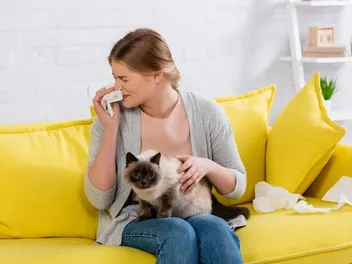
Of course, that’s only if you’re not allergic to cats. While you’ll still be smiling and fawning over your cat, you’ll also be sniffling, sneezing, and in some cases, downright miserable! While over 25% of households in America own at least one cat 1, many people are also allergic to felines.
If you love cats but seem to get sick whenever you’re around one, you might very well be one of those unfortunate people.
So, how do you tell if you’re allergic to your cat? We’ll give you a few signs to look out for in our guide below.

Important
The 7 Signs You Are Allergic to Cats
1. Itchy, Watery Eyes
Red, watery, itchy, and sometimes even dry eyes are a sign that you’re having an allergic reaction to your cat. While these same symptoms could be associated with seasonal allergies, if it’s happening when you hold or pet your cat, that might very well be the problem.

2. Exhaustion
Many allergy sufferers don’t realize that an allergy to cats can cause you to feel exhausted all the time. Allergies can cause fatigue indirectly by hampering your ability to sleep. In turn, this can lead to exhaustion. A blocked nose or mild wheezing can prevent you from falling asleep, or you might startle awake with coughing fits. A stuffy nose or congestion on your upper airways can hamper your ability to breathe with a sense of relaxation, which can also prove taxing.
3. Sore Throat with Sinus Discomfort
Sometimes it’s hard to determine whether you have a cold or are allergic to your cat because many allergies come with cold-like signs. A sore throat and sinus discomfort are two of those signs to watch out for.
If you’re constantly feeling stopped up or your throat is constantly itching, then it could be that you’re allergic to your cat.

4. Skin Rashes
While not quite as prevalent as the other signs of cat allergies on the list, some sufferers have developed skin rashes as a reaction. While a sudden, itchy rash may possibly mean you’re allergic to something, you should also watch for signs of a general redness on your skin.
This redness may also show up on the areas of your skin that come in contact with your cat. It is possible that you’ll only have this redness show up on your skin after coming in contact with a cat, so you need to watch carefully for general redness just to be sure.

5. Asthma
In most cases, pet allergies are just annoying to deal with. However, in some people, the allergy can become dangerous. For example, someone who is very allergic to cats can have a severe asthma attack when around cats.
6. Shortness of Breath
Some people who are allergic to cats end up feeling short of breath when they’re around them. This is because of the pet dander floating in the air, which gets into your nasal passages.
There have been reports of cat allergy sufferers starting to gag, choke, and cough from shortness of breath within 30 minutes of being exposed to cat dander in a room they are in. It’s important to keep in mind that dander is easily airborne; you can be exposed to dander even if there are no cats around you.

7. Swelling and Puffiness in the Face
Some cat allergy sufferers also end up with swelling and puffiness in their face when they’re exposed to cats, or sometimes even in a room a cat has been in. In most cases, this swelling is in your sinuses and your face and can cause a serious sinus headache as well.
If this swelling, puffiness, and head congestion are more intense than with a cold, you might be allergic to your cat and need to find a way to combat the allergies before they get any worse.
Humans and Cat Allergies Explained
Believe it or not, you’re not the only one who is allergic to your cat. In fact, cat allergies are among the most common for people all around the world.
This reaction is caused by one of several naturally occurring proteins that cats produce. At least ten such proteins have been identified, however, the one that is most common in terms of an allergen is known as Fel d1.
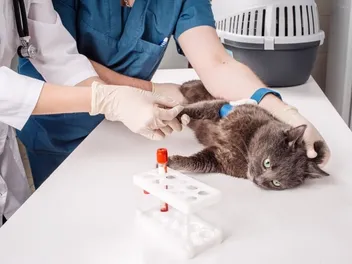
If you feel like you’re allergic to your cat, the best thing you can do is contact your doctor. Once it’s determined that you’re allergic, your doctor can hopefully help you develop a treatment plan to keep you allergy-free without having to rehome your feline.
Final Thoughts
This concludes our guide on cat allergies and what signs to look for if you think you might be allergic to your cat. Remember, while some allergies are minor and just an inconvenience, allergy sufferers can sometimes develop serious complications if they are around cats constantly, so make sure you always seek medical advice.
Sources
Featured Image: Kmpzzz, Shutterstock
Expert cat care, straight to your inbox
News, insights, and useful advice, delivered to you.

No spam — unsubscribe anytime.
By signing up, you agree to our Terms & Conditions and Privacy & Cookies Policy.
How useful was this post?
Click a star to rate. You can leave written feedback afterwards. (We read all feedback.)

Patricia is a pet writer and lifelong animal lover. She has two cats (Binx and Link) and one dog (Mystery). Binx was found as a kitten under her house and has been part of the family ever since! Patricia is also a published author under the pen name Skylar McKinzie. When she isn’t writing, Patricia enjoys volunteering at her local animal rescue.