How Hot Is Too Hot for a Cat? Vet-Approved Facts & Summer Safety Tips


In this article
We are constantly adjusting the temperatures in our home according to how hot or cold it is outside. However, most pet parents don’t think about their pets when doing this. Can cats get too hot? If so, then how hot is too hot for a cat?
The average body temperature for a cat is between 100.4 and 102.5 degrees Fahrenheit. Anything above 102.5 degrees is considered abnormal and requires veterinary intervention. If the temperature rises to 105 degrees, your cat is in severe, potentially fatal danger.
There are two ways your cat’s body temperature can increase and cause them problems. Hyperthermia means a high body temperature that occurs when cats are no longer able to self-regulate and keep their temperature at a normal level. It can occur if your cat is exposed to a high environmental temperature (for example, inside a car), or when exercising during particularly hot weather.
On the other hand, fever occurs when your cat’s body temperature rises in response to internal stimuli that can be triggered by an infection or inflammation. If the elevation in body temperature is caused by a hot environment, heat exhaustion may develop, and heatstroke is likely to follow.
Below, we’ll talk about heat stroke in cats and how you can keep your cat cool this summer, so join us.

What Are the Signs of a Heatstroke in a Cat?
In many places, summer can bring extreme heat waves and temperatures well into the 100s even without the heat index. If the heat is affecting you, you can be sure it’s affecting your cat as well. Though cats are usually careful and tend to look for shaded areas, there is a chance that they could somehow get trapped somewhere warm without ventilation, which could potentially lead to heatstroke.
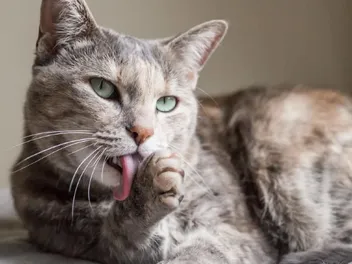
It is important to note that cats have different cooling mechanisms than dogs, and they generally don’t pant. Cats are only able to sweat through their footpads. This is a very small area of the body, so it is not a very effective cooling mechanism. They also regulate their body temperature by grooming, spreading saliva across the coat that evaporates, and cooling them down. Unlike dogs, cats will rarely pant. Therefore, if you notice your cat panting, get in touch with your veterinarian as soon as possible to get instructions on how to help them at home and how to travel safely to the clinic.
Here are the signs of heatstroke to watch out for:
If your pet displays any signs of heatstroke, it’s best to contact your vet immediately so that they can diagnose and treat the condition before it’s too late.
While every cat is at risk of heatstroke, some cats are more prone than others:
- Obese cats
- Short-nosed cats (brachycephalic breeds)
- Kittens and elderly cats
- Cats with health problems such as heart or lung disease

Should I Let My Cat Go Outside in the Summer Season?
If your cat isn’t a strictly indoor pet, you might have a hard time keeping them inside, especially when the weather is warm. A good rule of thumb is if it’s too hot for you to go outside, it’s too hot for your cat to be outside.
Keep your cat inside or limit their outdoor time to prevent overheating and heatstroke. In the following section, we’ll give you some tips on how to keep your cat cool when the heat is ramping up outside.
Tips for Keeping Your Cat Cool This Summer
Warm, sunny weather is perfect for getting out and about with your pets. However, when the temperature starts to climb, pet parents stay inside and crank up the air conditioner to stay cool. While you will keep your cat inside during the summer heatwave, there are a few tips you should know for keeping your feline as cool as possible during this time as well.
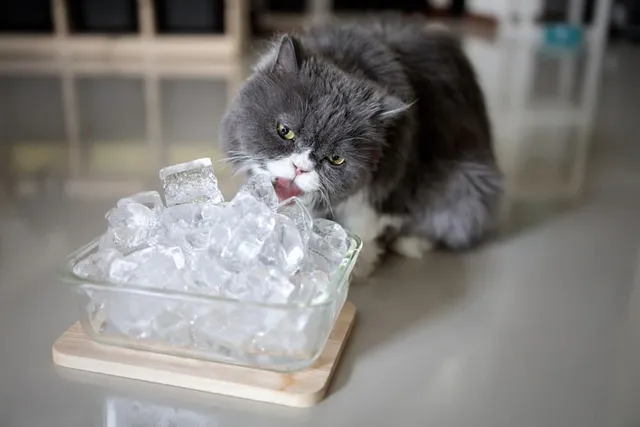
Tips for keeping your cat cool during the summer:
These are just a few of the best ways to keep your cat cool during the summer months. You don’t have to do all of them, of course, but you do want to ensure your feline doesn’t overheat, which could put them at risk of heatstroke.
Never Leave Your Cat in a Car
While leaving your cat in the car while you run to the grocery store to pick up a few things may be tempting, it’s never a good idea. Not only is it illegal to leave a pet inside of a car, even with the windows cracked, but there is also no guarantee that your cat won’t overheat in the little bit of time it takes you to shop, go through the line, and return to your vehicle.
Hot cars are referred to as glass coffins in the vet industry, as they see so many cases of heatstroke or death in pets that have been left in the car for only a few minutes. A cat left in a car that overheats is essentially boiling to death, and no one wants that for their feline pal. Instead, take your cat into the store with you, if it’s allowed in your area, or take the cat home and run back to the store afterward.
It may be inconvenient, but the alternative if your cat should overheat is even worse.
What Is the Ideal Temperature for a Cat in a House?
Most pet parents don’t think of their cats when they set the thermostat to cool down their house. However, felines have an ideal temperature at which they are most comfortable. The perfect temperature for an inside cat is between 65 and 70 degrees Fahrenheit, though it can handle the room being a bit warmer without complaint.
Healthy cats have ways to regulate their body temperature, especially if they are kept in a stable environmental temperature, and it’s usually easy to keep them comfortable and happy. However, they can get too hot and cold, so keep an eye on your cat for any signs of discomfort.

Final Thoughts
Like other animals and humans, cats can have heat strokes if they cannot cool down. If you live in an area where it’s scorching in the summertime, you should keep your cat inside as much as possible. Remember, if it’s too hot for you to be outside, it’s too hot for your beloved cat. If you suspect your cat is experiencing heatstroke, take them to the emergency vet immediately for treatment.
Featured Image Credit: Pixabay
Expert cat care, straight to your inbox
News, insights, and useful advice, delivered to you.

No spam — unsubscribe anytime.
By signing up, you agree to our Terms & Conditions and Privacy & Cookies Policy.
How useful was this post?
Click a star to rate. You can leave written feedback afterwards. (We read all feedback.)
Patricia is a pet writer and lifelong animal lover. She has two cats (Binx and Link) and one dog (Mystery). Binx was found as a kitten under her house and has been part of the family ever since! Patricia is also a published author under the pen name Skylar McKinzie. When she isn’t writing, Patricia enjoys volunteering at her local animal rescue.