How Does Frontline Work on Cats? Vet Reviewed Facts & FAQ


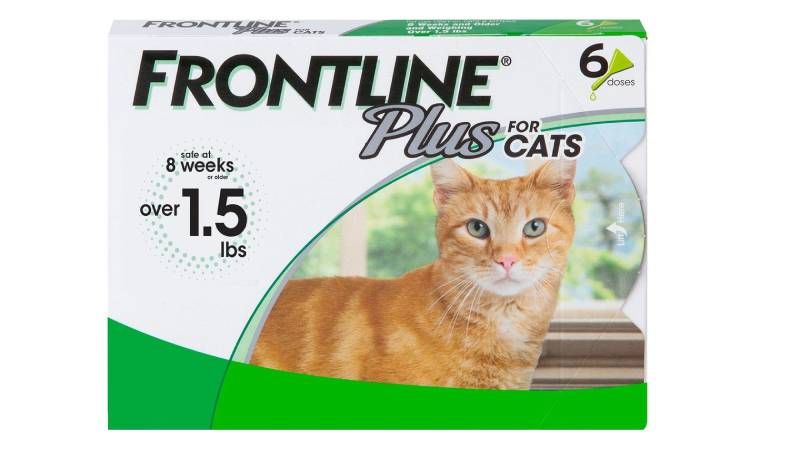
Frontline is a popular spot-on flea treatment used to help keep pets pest-free. It is safe and effective, with two options to choose from, depending on your needs. But how does this medication kill and prevent fleas, ticks, and chewing lice? Several active ingredients work together to attack pests without negatively affecting your precious pet. Let’s look at these ingredients a bit closer and what you can expect when using Frontline.

How Does It Work?
Frontline and other spot-on flea treatments kill insects by affecting their central nervous system. It is effective against all stages of the flea lifecycle, from larvae to mature fleas, and will help prevent new infestations. Your cat will be protected against ticks and chewing lice similarly. They are waterproof once dry and approved for kittens as young as 8 weeks.
Fipronil is the main active ingredient in Frontline. It kills adult pests by affecting their central nervous systems. Fipronil kills fleas within 24 hours and ticks and lice within 48 hours. Fipronil primarily stays on the skin’s surface, where it is most effective. The product dries within 24–48 hours and is effective for 4–6 weeks.
Frontline contains a second active ingredient, Methoprene, an insect growth regulator. It prevents immature fleas from developing into adult fleas capable of reproducing, effectively stopping another generation of insects. A study published in France proved the effectiveness of fipronil and Methoprene combined.1

What Are the Different Types of Frontline?
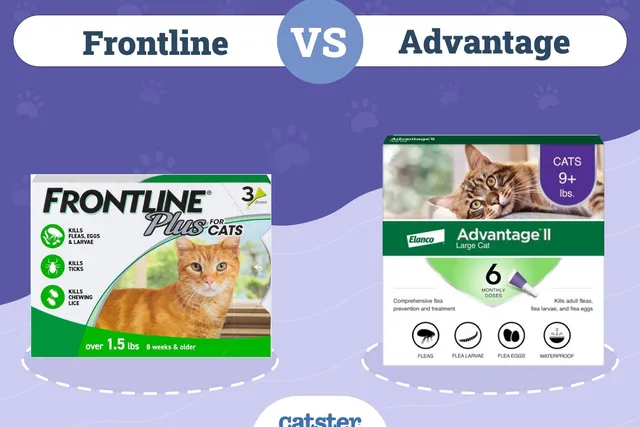
Both Frontline products formulated for cats are spot-on topical treatments that offer waterproof protection for 30 days. Unlike some spot-on flea medications, Frontline for cats does not have different products designed for additional weights. Frontline Plus and Frontline Gold are designed for any cat over 1.5 pounds. They have the same two active ingredients, although Frontline Gold has a third one, pyriproxyfen.
Pyriproxyfen is another insect growth regulator that affects the flea growth cycle (mostly immature forms and eggs). Together, the three active ingredients work much faster, making this the ideal choice if your cat already has a bad case of fleas. If you have more than one cat infested with fleas, Frontline Gold may help you get it under control a little quicker. You may switch to Frontline Plus once the fleas are gone, strictly for preventative reasons.
How Is Frontline Applied?
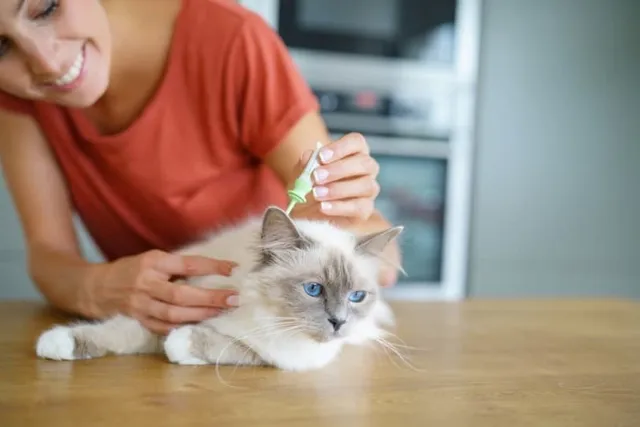
As a topical pesticide, you'll apply the contents of a pre-filled pipette to your cat's skin. To ensure that it soaks into the skin effectively, you must part their fur to access the skin directly and apply it at the base of the neck or between the shoulder blades where they are least likely to reach it while grooming.
With their fur parted, place the tip of the pipette against their skin and add a few drops of liquid at a time until you see them dissolve away. Waiting a few moments between drops will keep the product from flowing down and over its coat.
Don't forget to give your cat a few treats or a new toy for their time and good behavior while you apply their Frontline flea and tick treatment. This will help make it easier for you to use it each month, especially if they don't particularly care for the experience.
Precautions
Be sure to avoid contact with your skin and eyes. You should wear gloves and wash your hands after applying the product. You should also avoid physical contact with your pet until the drops are thoroughly dry. Do not bathe your cat within 48 hours of using Frontline.
Advantages of Frontline
Flea and tick prevention has several benefits, like avoiding skin problems and specific diseases spread by these pests. Fleas can carry tapeworm larvae and different bacteria such as Bartonella, Rickettsia, and Wolbachia. Ticks can transmit diseases like tularemia, Lyme disease, and anaplasmosis, among others. It’s essential to choose a quality prevention medication that you can rely on to keep your cat healthy year-round, no matter what pests are native to your area.
Why should you choose Frontline?

Disadvantages of Frontline
While fipronil side effects are rare, they are possible, especially if accidentally ingested. You should be aware of these side effects and monitor closely after the first dose to confirm that your cat isn't allergic to the product and that you've applied it correctly.
Side effects may include:
Overdose
A Frontline overdose in cats is extremely rare, but applying or ingesting too much product will likely produce many of the side effects listed above. Still, if you know that your cat has been exposed to more than the prescribed dose of fipronil and is experiencing side effects, you should take them to a veterinarian as soon as possible for evaluation.
Frequently Asked Questions (FAQ)
What if I Forget to Give My Cat Their Flea Medication?
You should apply Frontline as soon as you remember to and follow the recommended time between doses for the next one. Don't apply multiple doses at one time or attempt to speed up doses to get them back on their previous schedule, as this may lead to side effects or the possibility of an overdose.
How Do I Store Frontline Before Use?
Always store Frontline away from children and pets when not actively applying the medication. Always keep it in the original child-resistant container and outer box, as these maintain safety and provide important information about the product. It should be kept at room temperature and away from heat or sunlight.
Are There Alternatives to Frontline?
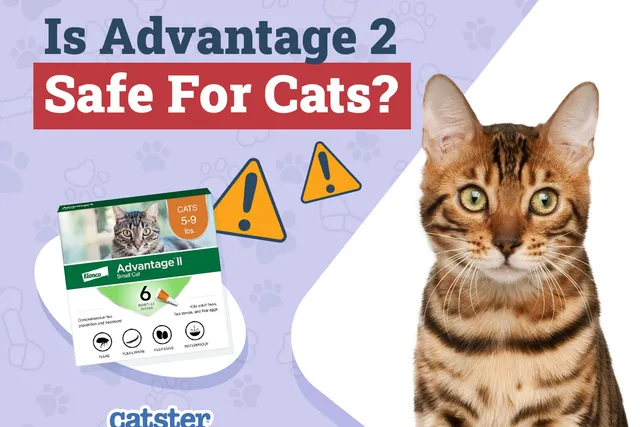
Frontline is an effective and popular flea and tick prevention medication for cats. However, there are other options that you may consider should your cat experience side effects or based on availability. Each product has a different active ingredient that works somewhat differently but with the same goal of keeping your pet healthy and pest-free. Revolution, Advantage, Seresto, and Cheristin are all available as effective topical pesticides.
Can I Continue to Cuddle My Pet if Using Frontline?
Yes! You must wait 24–48 hours for the product to dry thoroughly, but you can handle your cat as usual once it does. However, you should not touch, stroke, or cuddle them prior. This is especially true for children. Wear gloves and wash your hands if your pet wants attention or you need to handle them for any reason, such as giving medication, during this time.
Can Frontline Be Used on Kittens Younger Than 8 Weeks?
The US Environmental Protection Agency states that Frontline can be used in puppies and kittens 8 weeks of age and older.
Your veterinarian will most likely recommend starting Frontline at this age and, if needed, a different flea treatment option for kittens younger than 8 weeks. Always ask your veterinarian when and how to use approved flea and tick prevention medication.
Conclusion
Whether your cat has fleas and you need to get them under control before continuing a monthly regimen to keep pests from returning, or you need an effective treatment to keep pesky pests at bay, Frontline is a great option. Choose Frontline Plus or Frontline Gold, but either way, you are getting a quality and proven medication that is safe and effective for cats and their human families. Contact a veterinarian for guidance if you ever have concerns about treating your cat for lice, fleas, ticks, or other pests.
Sources
Featured Photo Credit: Chewy
Expert cat care, straight to your inbox
News, insights, and useful advice, delivered to you.

No spam — unsubscribe anytime.
By signing up, you agree to our Terms & Conditions and Privacy & Cookies Policy.
How useful was this post?
Click a star to rate. You can leave written feedback afterwards. (We read all feedback.)
Krysha is the owner of a chatty Tortie cat named Shelly, whom she rescued and cares for. Through her experiences caring for various animals such as dogs, cats, turtles, lizards, hamsters, and fish, Krysha has been motivated to promote awareness about local animal shelters and advocate for simple ways to assist them.