Can Cats Share a Litter Box? Vet-Reviewed FAQ & Tips


In this article
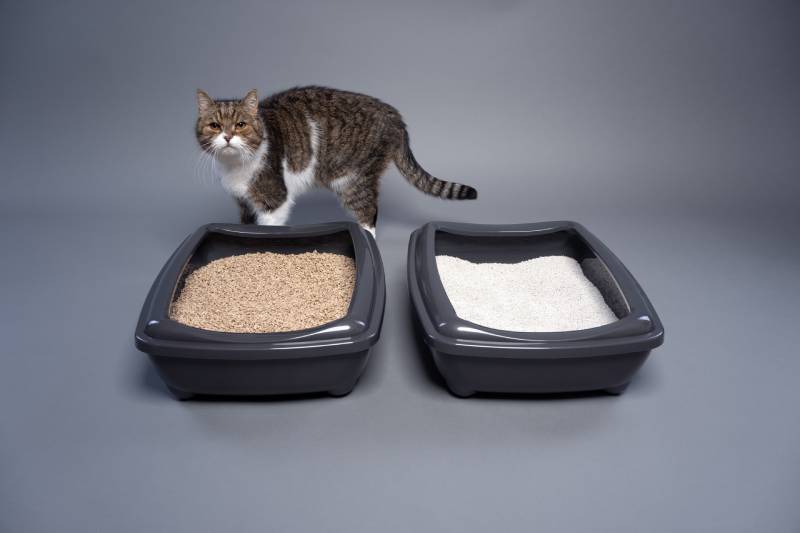
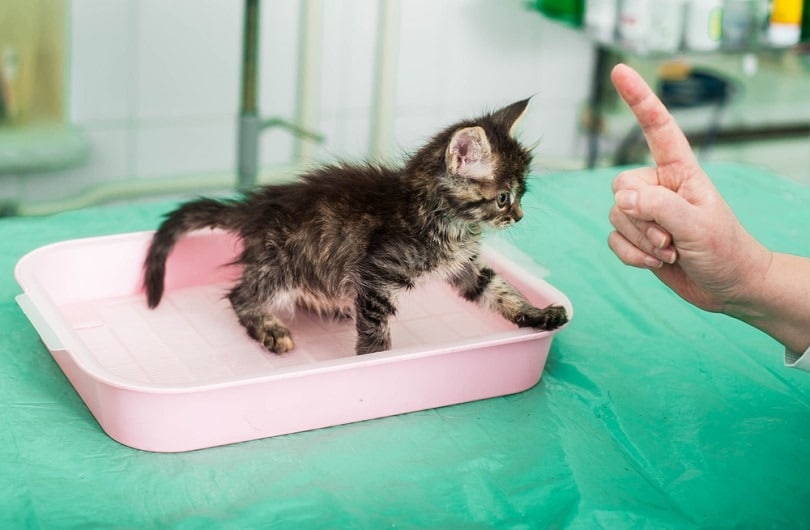
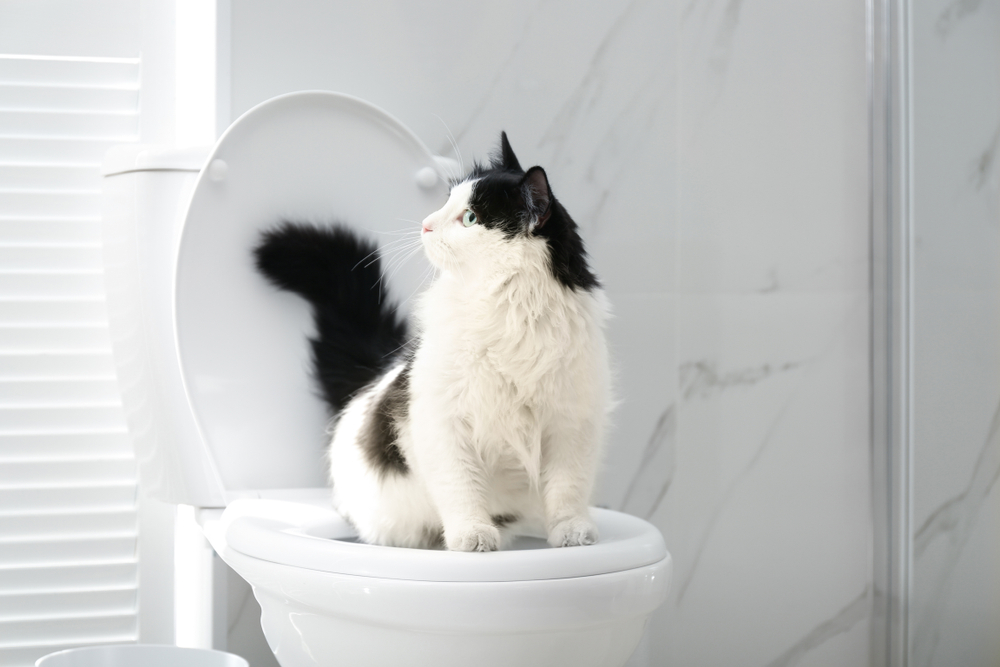
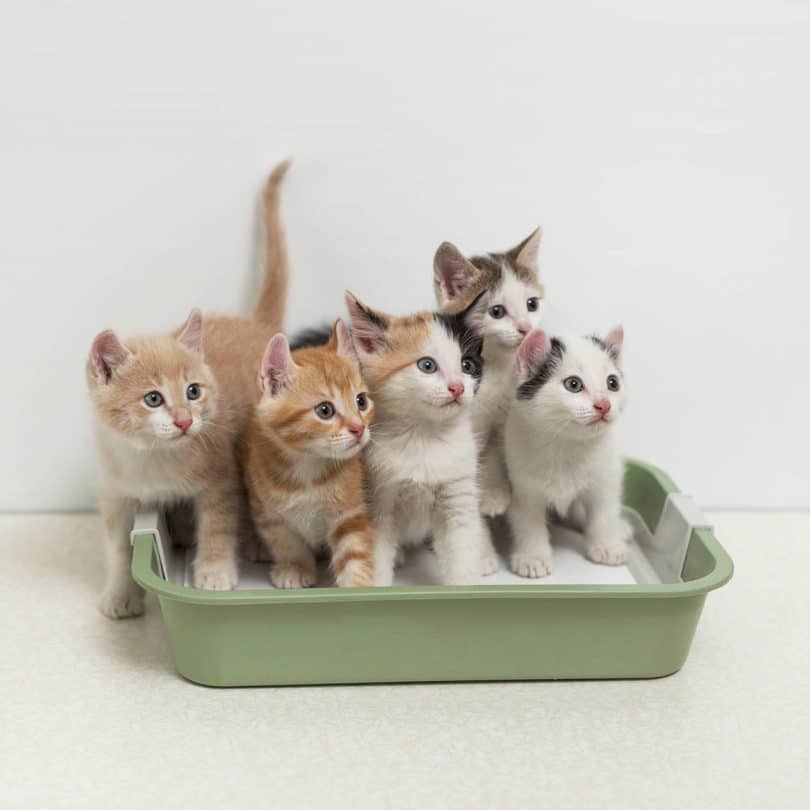
Although cat litter trays are an unglamorous side of cat parenting, these items are more than just a bathroom for cats, as they also act as sacred spots and private retirement places for kitties. For this reason, the short answer might be a rough no. Each cat requires their own litter box, meaning that you need multiple trays if you own multiple cats.
While kitties have no problem sharing people and items, they are often adamant about sharing their litter trays. But why do cats hate sharing litter trays? Keep reading and find out why it’s not a good idea to have your cats share litter boxes.

The Cat-to-Litter Box Ratio
Cats are often picky about where they relieve themselves. Forcing them to share a litter box is among the reasons why good-behaved kitties start exhibiting inappropriate toilet behavior, like preferring other locations for toilets.
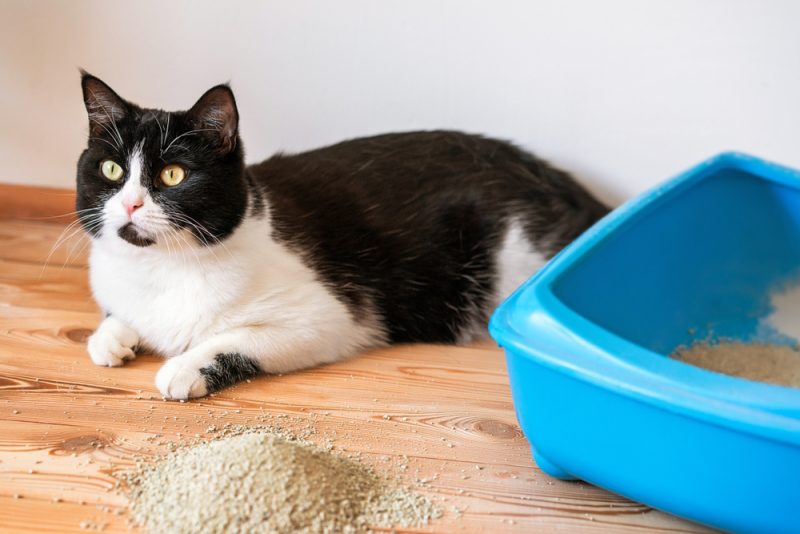
The feline's rule of thumb is one litter tray per cat, plus one for spare. So, if you have one cat, you'll need two litter boxes and three boxes for two cats. This ratio allows each cat to claim their tray since cats hate sharing litter trays.

It would be best to observe this ratio or keep an extra box around, even if your kitties don’t mind sharing. It’ll help one cat find an appropriate place for their bathroom if the other cat is using one litter box at that time.
It's equally important to put the litter boxes in different designated places, with at least one on each floor, to prevent your pets from climbing up and down the stairs to use the toilet and make it to the tray in time.

How to Prevent Litter Box Problems
Litter box elimination problems are common among felines that share a home with multiple other cats and dislike the litter tray or the litter box location. A kitty that avoids using the litter box can become problematic and develop a preference for another area, including the couch!
1. Keep the Litter Trays Clean
Prevent your cat from developing potty behavioral changes by scooping and changing the litter at least once a day. Prevent scent or odor by rinsing the litter tray with warm water, unscented soap, and baking soda every week to help absorb the smell without off-putting your kitty.
You might want to avoid using scented litter, harsh detergents, or air fresheners, as the odors in these products can be a turnoff for your feline friend.
Combating tough cat litter smells is an ongoing battle for pet parents but luckily, there are products out there designed to help! One product that significantly reduces odors is the Hepper Enzyme Spray.
| Image | Product | Details | |
|---|---|---|---|

|
Hepper Advanced Bio-Enzyme Pet Stain & Odor Eliminator Spray |
|
Check Price |
At Catster, we’ve admired Hepper for many years and decided to take a controlling ownership interest so that we could benefit from the outstanding designs of this cool cat company!
2. Provide Enough Litter Boxes
Give your kitty a choice of where to litter. Cats generally prefer their private space to conduct their business. Ensure that your cat does not have to use a dirty litter tray twice or share a litter box with other household cats.
3. Find the Correct Litter Box Size
Your cat might develop potty problems if you force them to use cramped quarters. Ensure the toilet you provide is large enough, allowing your kitty to fit inside, with some spare room comfortably.
The litter box should allow your feline friend ample moving and digging space without having to step on litter. The general rule of thumb is that the correct potty size, length, and width should be similar to the feline’s body length.

Why Cat’s Should Not Share Litter Boxes
The reasons for this behavior cover a wide range, from individual personalities, the hierarchies in their midst, and health.
1. Individual Personalities
Felines are usually territorial and need to identify with their own spaces and items. They can get along with other cats, provided that each cat feels like their needs and resources are not going to be compensated by the presence of another feline.
Some of the things cats prefer to do privately include urinating and defecating. As territorial animals, sharing a litter box can be stressful for some cats, mainly because an alpha cat can be aggressive and "bully" the beta cat with whom they share the tray. The alpha kitty can also guard their box and block the toilet's entry, locking out another cat. At other times, one cat may ambush another as they exit the litter box, causing a fight and possibly leading to a situation where the ambushed cat may opt to relieve themselves elsewhere in the future.
2. Behavior
A cat can prefer a specific box if you maintain it and it is in a more convenient location. Being territorial, cats tend to trace their places of travel and personal items. For this reason, some cats prefer to have their own litter boxes with the unique smell they identify and relate to.

3. Health
The most important reason why cats should not share toilets is health. Since the amount of litter in a tray increases proportionally to the number of felines using it, fewer litter trays make it hard for owners to stay on track and keep the boxes clean for each kitty to use when they please.
The accumulation of urine and feces lead to bacteria-build up, odor, and health complications to both you and your cats.
Note

How to Place the Litter Boxes
Now that you have separate litter trays for each cat, where or how should you place the trays?
1. Space the Trays
If you have a multi-cat home, you might want to separate your litter trays. This will allow you to offer your cats more accessibility around the house.
2. Easy Access and Exits
Ideally, quiet and easy-to-reach places are the best places to put cat litter boxes. Although you may not want to see or smell the litter tray whenever you pass, it is not wise to tuck the trays in places that cats can’t access.

Place the boxes in easily accessible places, preferably low-traffic corners, and areas for their privacy. Also, avoid putting the litter boxes near food, water bowls, or in the kitchen.
Aspects like your kitty’s character, personality, age, physical condition, and home layout should help you decide on the most suitable place for a cat’s toilet. For instance, elderly and disabled cats should have their bathrooms closer to prevent them from traveling or climbing up and down the stairs to access the litter box.
3. Favorite Hangout Places
One of the best locations for a cat's toilet is the favorite hangout place or spot. Since cats may prefer using a specific litter box over the other, use your kitty’s favorite tray as the main and place it in their favorite hangout locations. Plus, the more litter tray choices you offer your cats, the less likely they develop unhealthy potty behaviors or fight over territories.
Types of Litter Boxes
Today’s markets offer a variety of litter boxes for cats, allowing you to choose the suitable size and the best type for you and your kitty. Check out some of the most common litter tray designs.
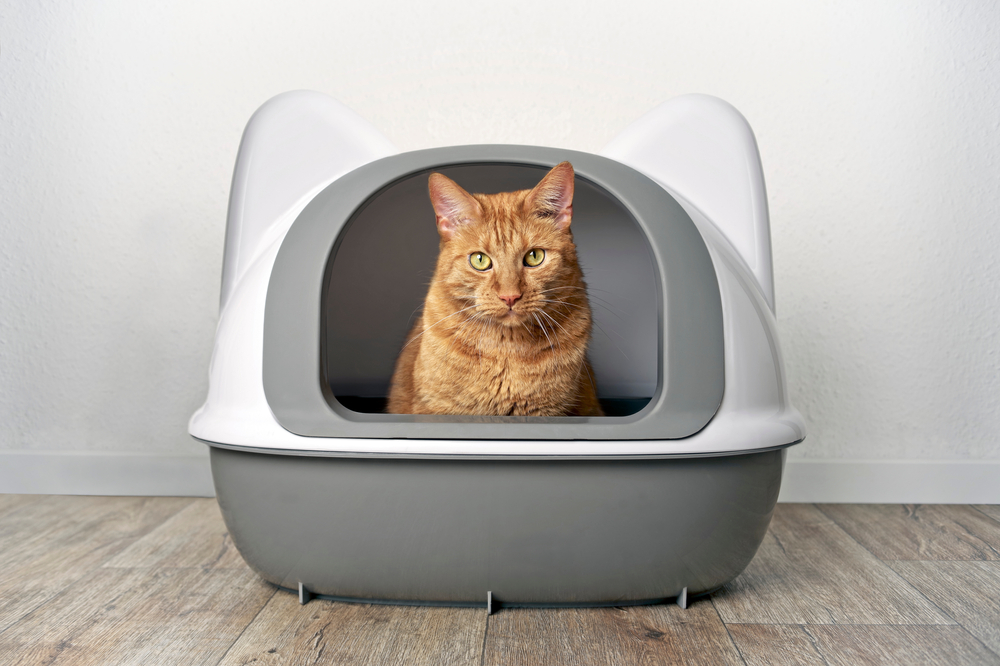
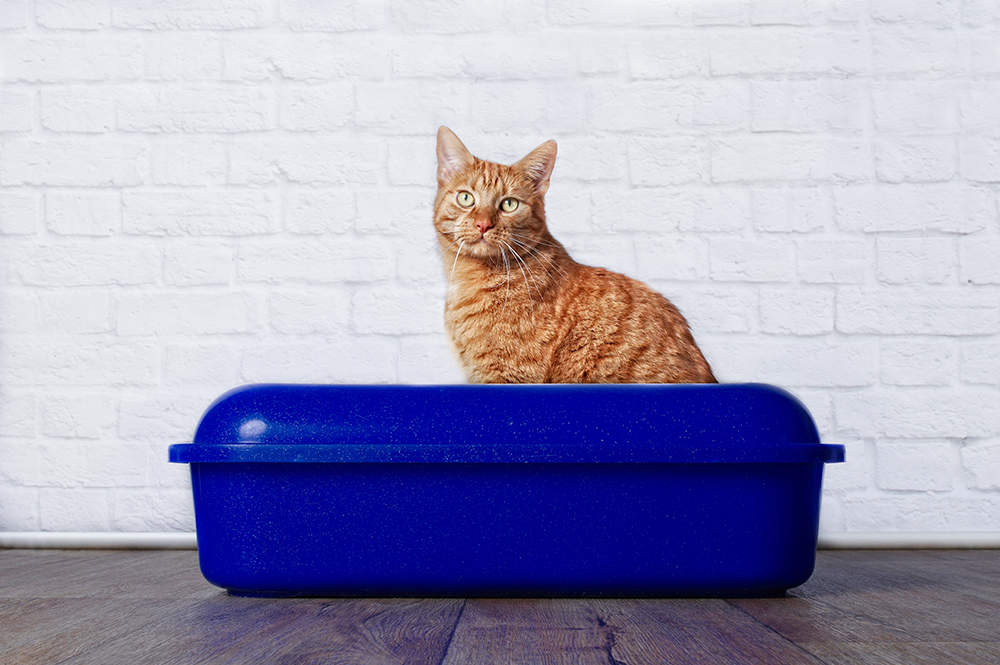
1. Litter Box With Roof
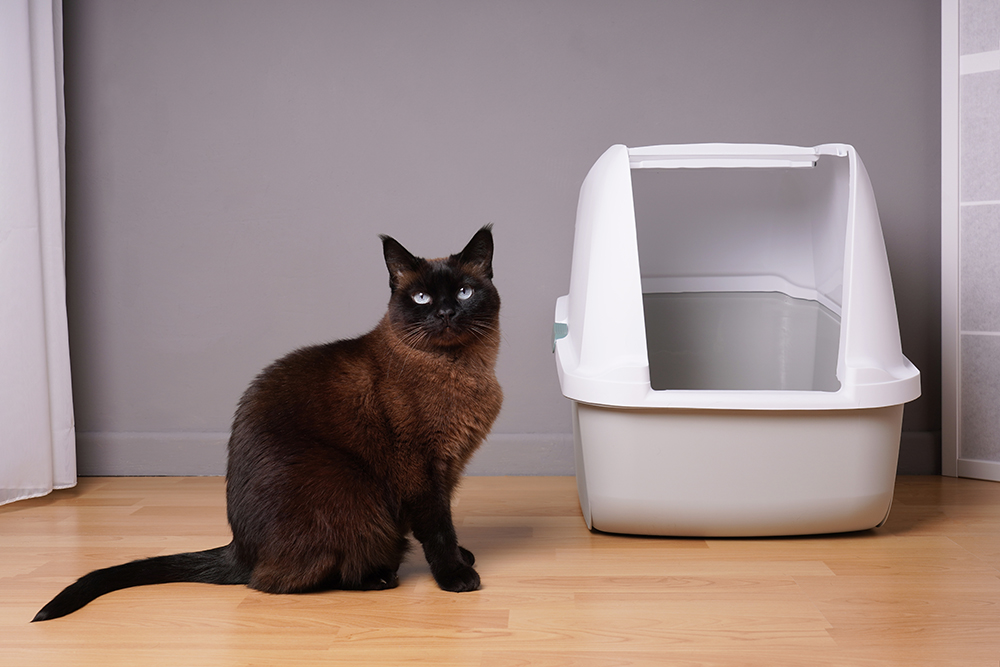
Covered litter boxes have doors that help keep the odor inside the tray. Although they are suitable for odor control, these box types require more cleaning to eliminate the potent smell and can be difficult for larger kitties to fit in and turn around.
The good thing is, that some of these litter boxes have an in-built ventilation system. Plus, they offer more privacy to cats.

2. Self-Cleaning Litter Box
Are you a busy cat owner? Automated self-cleaning litter boxes are convenient and a worthwhile investment for cat parents that spend a lot of time away from their pets.
These litter boxes’ operation involves separating waste from the litter and transferring it to a disposable bag or container. Some litter boxes also have accompanying litter trays that do the scooping for you, so you don’t have to see the waste. However, some features like the sound the box makes can prevent a feline from using it.
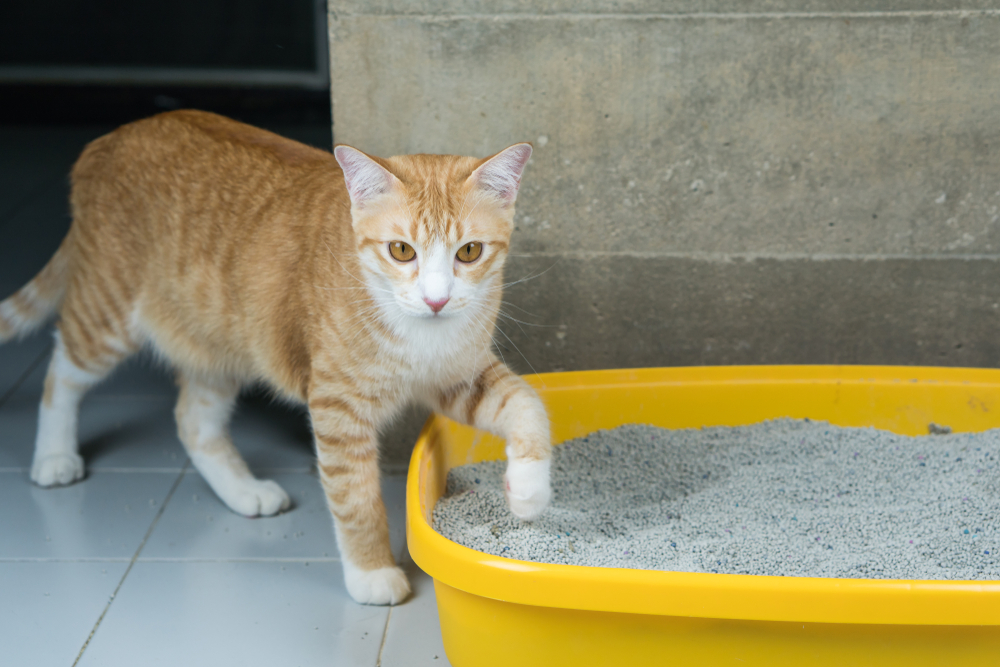
3. Open Litter Box
These litter pans have no cover top and are suitable for households whose cats have no problem sharing litter trays. They also require less space and take less time to clean.
However, since they have no barriers at the top, they do not accord cats their privacy. They also do not keep odors indoors and require more cleaning than the other litter boxes.

Summary
Although finding a permanent potty solution for a cat can be difficult, knowing the vital factors to consider can help find a long-lasting solution. The good thing about cats is that they are sometimes predictable, meaning you can observe your cat’s litter behavior to decide on giving them their preferred toilet experience.
Featured Image Credit: Albina Tiplyashina, Shutterstock

Expert cat care, straight to your inbox
Vet-reviewed advice, behavior tips, and the best of Catster. Free, and you can unsubscribe anytime.
By signing up, you agree to our Terms & Conditions and Privacy & Cookies Policy.
Christian started writing for a local newspaper as a teenager, and he's been involved in the publishing industry for most of his adult life. Combining his love of writing with a passion for animals, he is currently the Director of Editorial at Pangolia and the Editor-in-Chief at Catster.
Christian lives in the Philippines with his wife, son, and four rescue cats: Trixie, Chloe, Sparky, and Chopper.
Join the conversation
Ask a question, share your story, or send private feedback.