My Cat Purses Their Lips When They Poop, What's Going On? Vet-Verified Reasons (With Infographics)

In this article
Cats express how they're feeling in subtle ways, which can be difficult for humans to pick up on. Sorting out signs of illness and discomfort in cats can be difficult, partly because they're evolutionarily programmed to hide indications they’re not feeling well to protect themselves from predators. It can be hard to determine if cats are experiencing discomfort for similar reasons.
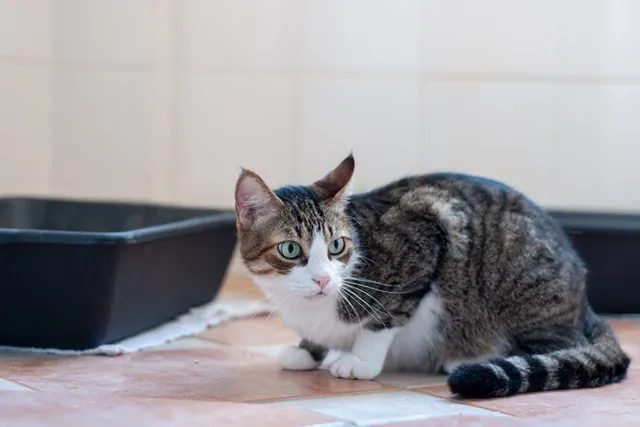
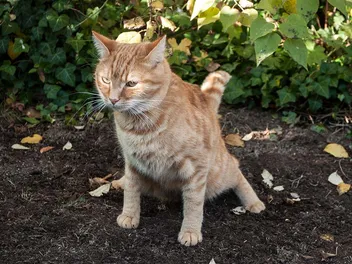
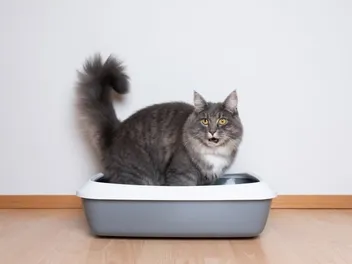
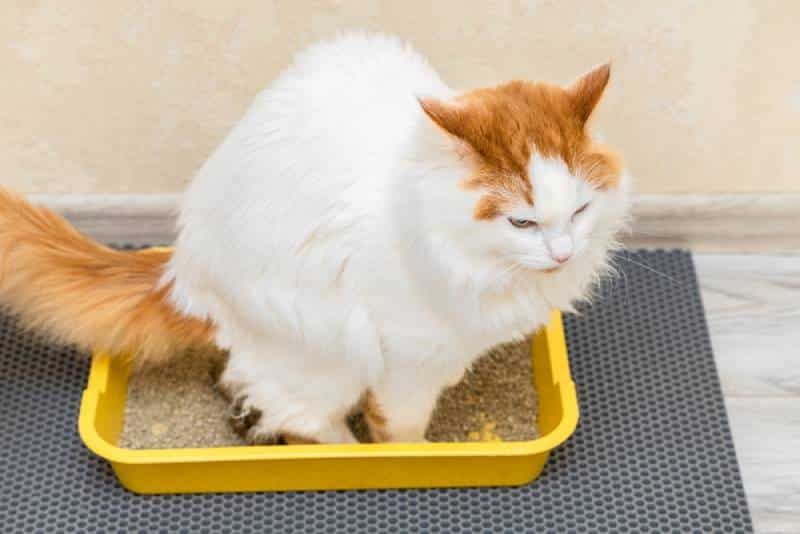
Pursed lips can sometimes indicate a cat is in pain, particularly if they are also expressing other signs of pain. Pursed lips while pooping could just be something your cat does, or it could be an indication of discomfort. Difficulty pooping can be a sign of several conditions, including constipation and various anal gland conditions. Straining when trying to go to the bathroom, lack of stool production, and pain when pooping are never normal and merit prompt veterinary action.

What Do Pursed Lips Look Like in Cats?
It can be difficult to tell pursed lips in a cat, so just to be clear, this would be a straightening of the normal curve of the lips along with a straightening of the whiskers. Their ears may flatten and their face can appear tense as well 1.
How Can You Tell if Cats Aren't Feeling Well?
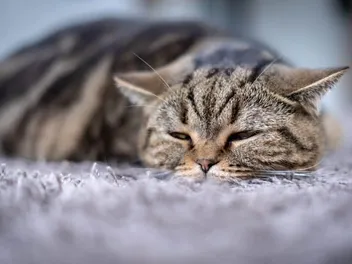
Changes in behavior, such as eating or drinking more or less, litter box avoidance, withdrawal, and lethargy, can all indicate illness in cats. Meowing and litter box issues can be common indications of pain, and cats can also show discomfort through facial expressions—flattened ears and tense muzzles are commonly seen.
Cats can be quite expressive, so lip pursing isn’t concerning if your companion has been happily doing so and pooping healthily for years. However, pets who are suddenly pursing their lips while pooping and appear to be showing signs of illness or pain require medical attention.

What Is Feline Constipation?
Constipation is difficulty defecating. Constipated cats can make less frequent litter box trips, strain or cry when defecating, become withdrawn, and sometimes lose interest in eating. It can be caused by several medical conditions.
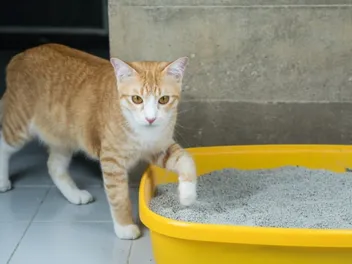
Constipation can be related to environmental factors, such as avoiding a dirty litter box. Issues can also emerge when cats are unhappy about the location or have difficulty accessing litter boxes. It can also be caused by dehydration and lack of physical activity.
Conditions such as diabetes and kidney disease can also lead to problems. Treatment depends on the cause, but dietary adjustments are frequently part of the plan. Increasing the amount of water cats consume and their physical activity can also help.
Which Anal Gland Conditions Commonly Cause Cats to Have Pain While Pooping?

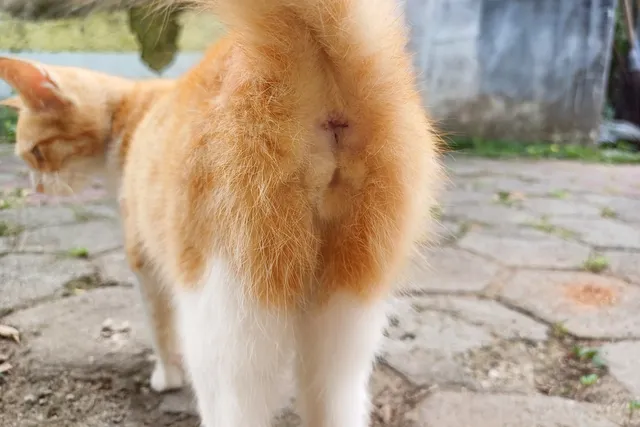
Cats have anal glands located just inside the anus that produce a dark, pungent fluid that they use to mark their territory. The liquid is typically expressed when cats poop, but anal gland impactions and infections can make it difficult for them to move feces out, and therefore, express the glands.
Anal impactions generally develop as fluid fails to move out of the glands over time, essentially building up and creating a blockage. Cats suffering from anal gland impactions may lick their bottoms and have difficulty pooping. Expressing the gland usually solves the problem and can be done in the veterinarian's office.
Infected anal glands can develop from impactions that aren't treated promptly. The accumulation of fluid makes the area a perfect breeding ground for bacteria. Signs of anal gland infections include lots of licking and biting of the area, pain when pooping or sitting, redness, and irritation. You may even see blood on their feces or from their anus. Treatment usually involves expressing the gland and antibiotics. Cats sometimes need to be sedated during the treatment as it can be painful.

Frequent Asked Questions
How Often Do Cats Usually Poop?
Most healthy adult cats have at least one bowel movement every 24 hours or so; more than 48 is too long in most cases. Cats that haven't pooped in over a day need to be seen by a veterinarian.
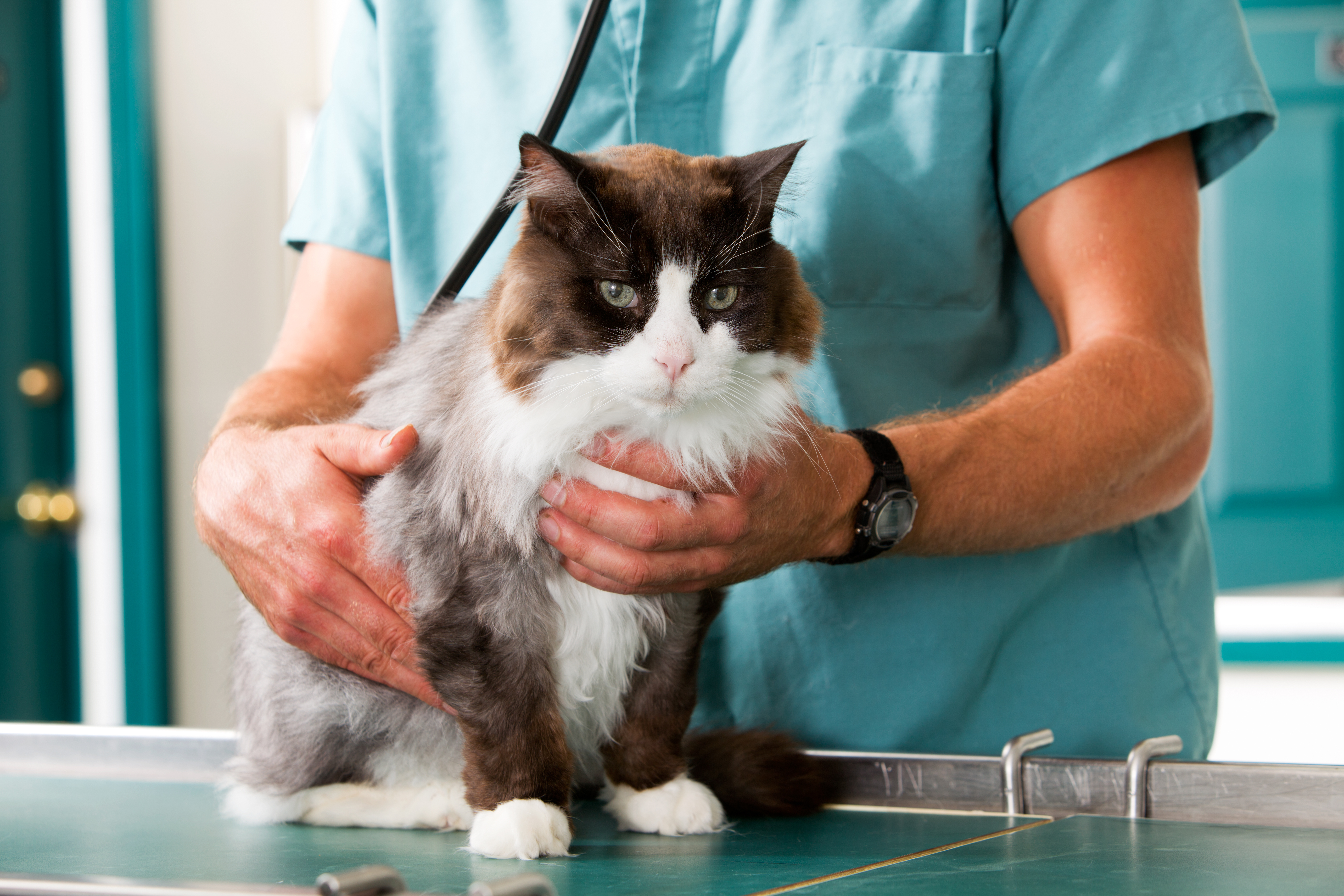
If you're concerned about your cat's health we suggest you speak to a vet.
Are There Ways to Support Feline Digestive Tract Health?
Feeding cats high-quality food that provides the right mix of nutrients in proportions designed to support nutritional needs is critical to keeping cats happy and healthy.
Weight maintenance also plays a huge role when it comes to cats' digestive health. Overweight pets can have difficulty completely emptying their anal glands. Ensuring they drink enough water and get enough exercise through playtime is also essential.
Are There Ways to Increase the Amount of Water Cats Drink?
Many cats prefer to drink fresh water, so frequently cleaning their water bowl or getting a water fountain with a filter can encourage them to drink more. Providing cats with bowls they like drinking from can also make a difference; glass, metal, and stainless-steel models are easy to clean and not as prone to holding onto smells as plastic. Regularly cleaning bowls with hot, soapy water can keep bacteria and odors away, which often encourages cats to drink more. Increasing the amount of wet food in your cat's diet is another way to improve their hydration.
How Much Play Time Do Cats Need?
Cats need at least 20 to 45 minutes of playtime every day, split up into short sessions to keep them engaged and interested. Many cats can be trained to play fetch and can get a workout going after their favorite catnip-filled plush toy.
Conclusion
Cats can show signs of discomfort through vocalization and body language, and pursed lips may indicate the presence of pain in some, but it can also just be something your cat does. Pursed lips while pooping can mean your cat is having difficulty and pain. This can be related to several medical issues or caused by environmental factors such as lack of exercise and dehydration. Give your veterinarian a call if your cat appears to be straining while attempting to poop, having difficulty going to the bathroom, or if they go for over 24 hours without having a bowel movement.
See Also:
Sources
Featured Image Credit: Oleg Opryshko, Shutterstock

Expert cat care, straight to your inbox
Vet-reviewed advice, behavior tips, and the best of Catster. Free, and you can unsubscribe anytime.
By signing up, you agree to our Terms & Conditions and Privacy & Cookies Policy.
Lorre Luther is a writer who is firmly convinced that cats are smarter than humans. She left her law career in the United States and moved to the Netherlands to follow her dream of becoming a writer. Lorre currently lives in Rotterdam, she enjoys traveling and greatly appreciates the beauty of nature. Lorre has a spot for animals and admires the intelligence of cats.
Join the conversation
Ask a question, share your story, or send private feedback.