8 Winter Cat Grooming Tips to Help Kitty Through the Cold Months
There’s something so magical about autumn. The weather turns crisp, and there are many glorious leaf colors! However, winter is just around the corner. While we do several tasks to help prepare our homes and vehicles for the cold weather, one thing that we might not consider is our cats.
We know that our cats groom themselves regularly (felines spend about 30% to 50% of their time grooming!), but they may need more help from us when the weather grows cold.
Here are tips for your cat’s unique grooming needs that should help you both during the long winter months.

The 8 Winter Cat Grooming Tips
1. Ensure That You Have the Right Brushes
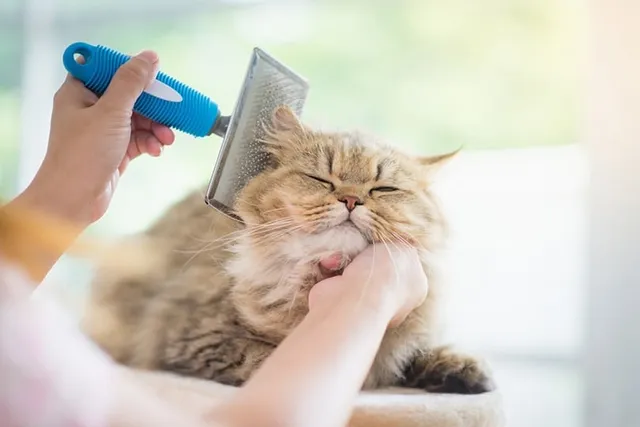
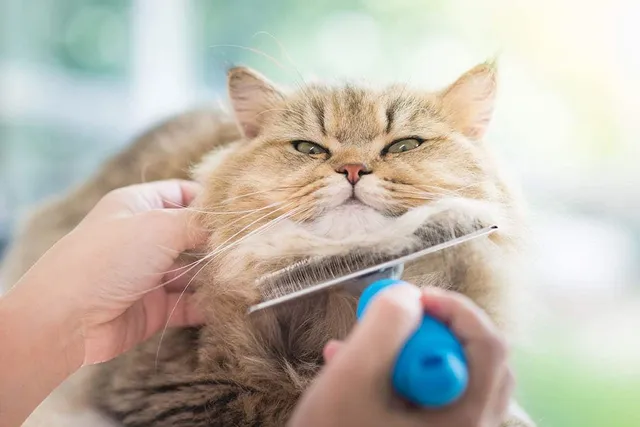
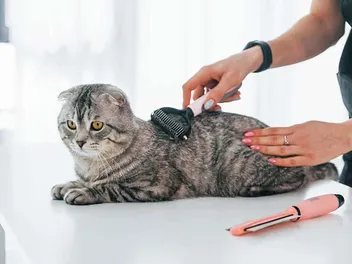
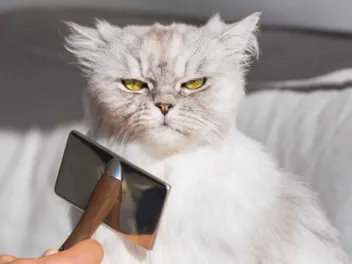
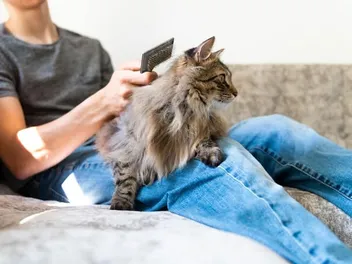
You should have the right kind of brush for your cat. Generally speaking, long-haired cats usually need a slicker brush. You will also need a metal comb if they are densely furred (like the Persian).
You can use a grooming mitt or rubber brush for short-haired cats, which helps remove loose fur and promotes healthy skin.
2. Do More Frequent Brushing
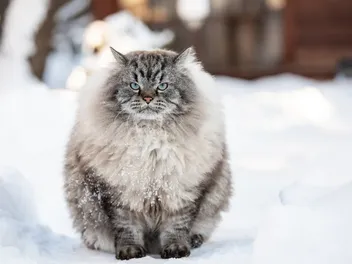
Cats start to shed more often during the fall. Their summer coat sheds to make room for a thicker and warmer winter coat, and the winter coat sheds in the spring to grow in the lighter summer coat again.
Since your cat is shedding more, you’ll need to brush them more frequently. This will help prevent mats and cut down on the amount of fur flying around your home. It can also help reduce hairballs.
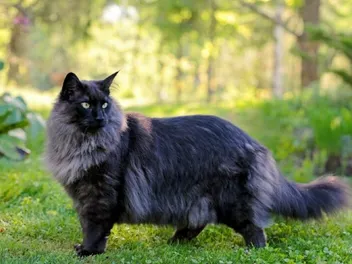
You should groom a long-haired cat daily (and year-round), and a medium- and short-haired cat can be brushed every 2 to 3 days a week.
3. Know That Your Cat’s Age and Weight Are Factors
Note that your cat’s age and/or weight can impact how often you need to groom them. This goes for all year round, not just the winter months.
Senior and obese cats can have more trouble grooming themselves, particularly around their hind ends. Mats in these areas form quite quickly and are painful for the cat because they pull on the skin. You’ll need to keep an eye on your cat and increase the amount of grooming accordingly, especially in the winter.

4. Look Out for Matted Fur
If you notice that your cat already has bad mats, you’ll need to clip them out. Some mats can be combed out if they aren’t too bad, but otherwise, a good set of clippers is the safest way to remove mats.
Don’t use scissors to cut out the mats because there’s a good chance that you might accidentally cut your cat. You can also consider having your pet professionally groomed if you’re overwhelmed with caring for their coat.
5. Check Their Paws
If your cat goes outside during the winter, you’ll need to check their paws when they come back in. You can use cat wipes to clean them and check for wounds or dry and cracked paw pads.
Wiping your cat’s paws is even more crucial if they have walked over salt, which should be wiped off before they lick it off, as it can be toxic. You should also check for things like gravel between the toes or chemical burns. Your cat probably won’t appreciate you touching and handling their paws, but this way, you can keep them in great shape.
Our Favorite Product
| Image | Product | Details | |
|---|---|---|---|

|
Hepper Wash Wipes |
|
Check Price |
It's hard to beat the convenience of pet-safe wipes after a big adventure, between baths, or when cleaning sensitive areas. Our favorite option is Hepper's Wash Wipes, premium wipes designed to safely and gently remove grime from cats and dogs of all ages and sizes. These hypoallergenic wipes are made in the USA and feature moisturizing ingredients to soothe your pet's skin.
At Catster, we’ve admired Hepper for many years and decided to take a controlling ownership interest so that we could benefit from the outstanding designs of this cool cat company!
6. Provide a Healthy Diet
Cats that eat a healthy diet will have healthier skin and coats. You may know firsthand how dry your own skin and hair can get during winter, and cats are no different.
Foods containing ingredients like omega-3 and -6 fatty acids (found in fish oil) are excellent supplements that can give your cat a healthy coat.
Just be sure to speak to a vet if you’re thinking of changing your cat’s food. Some cats will experience digestive issues if their food is switched too quickly. The vet can also suggest a brand that will benefit your cat and their coat.
7. Try to Avoid Static Electricity
A less-fun aspect of winter and the dry air is the static electricity. Those are the nasty shocks that you get when walking on a carpet and touching someone or something. Unfortunately, the act of stroking your cat can easily build up static electricity and shock them.
Try using a humidifier in your home so the air won’t be as dry, and wipe down your cat with a cat wipe. This should help you keep from shocking your cat!
Don’t use dryer sheets on your cat to mitigate this problem because these contain toxic ingredients that your cat will end up ingesting while grooming.
8. Monitor Their Joints
Cats with joint problems like arthritis will have more discomfort in their joints, which can impact their grooming habits. If their fur seems messier and greasier than usual, this can be a sign that they aren’t grooming themselves properly. Other signs might be a slight limp and walking slower and more cautiously than usual.
This also means you should be gentle when handling them and keep them warm. You might need to invest in new things, like a low-entry litter box and cat bed, to make it easier for your cat to get in and out of.
Speak to your vet if you're concerned about your cat's health or if you suspect that there's an issue with their joints.

What Are the Signs That Your Cat’s Coat Is Healthy?
You should inspect your cat’s coat every time you brush them. This way, you become familiar with your cat’s coat, so it’s easier for you to notice if something ever seems off.
A healthy coat should be shiny and mat-free and have no signs of dandruff. All cats shed to a certain degree, but look out for a coat shedding excessively. This might be a sign of an underlying condition.
As someone who cares for and sees your cat every day, you’re the expert on your cat’s coat. Contact your veterinarian if you notice any patches where the hair has fallen out or if the skin appears irritated, bumpy, or flaky.
Conclusion
Grooming your cat during the winter will take more time, but if your cat seems to enjoy it, just consider it a longer bonding session. Long-haired cats almost always need to be groomed frequently, regardless of the season, but they definitely need more of your help in the winter.
Ask your vet for more tips, and speak to them if you’re ever concerned about your cat’s coat or health in general.
Sources
Featured Image Credit: Emil Helge, Shutterstock
Expert cat care, straight to your inbox
News, insights, and useful advice, delivered to you.

No spam — unsubscribe anytime.
By signing up, you agree to our Terms & Conditions and Privacy & Cookies Policy.
How useful was this post?
Click a star to rate. You can leave written feedback afterwards. (We read all feedback.)

Kathryn was a librarian in a previous lifetime and is currently a pet writer. When she was a child, she hoped to work in ZOOs or with wildlife in some way, thanks to her all-consuming love for animals. Sadly, she's not strong in the sciences, so she fills her days with researching and writing about all kinds of animals and spends time playing with her adorable but very naughty tabby cat, Bella. Kathryn is hoping to add to her family in the near future – maybe another cat and a dog.