My Cat Won't Eat: Causes, Feeding Recomendations & When To Worry (Vet-Verified)


In this article
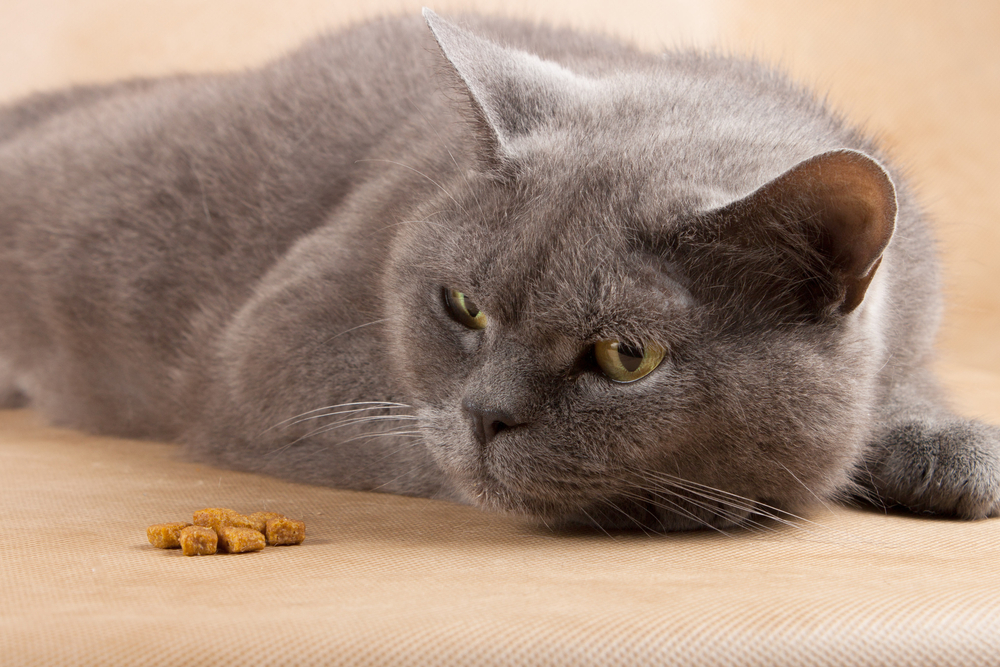
Cats are pretty good at hiding it when they aren't feeling well, and a sudden lack of interest in eating is a cause for concern. Cats can go off their food for many reasons, from stress to dental pain and illness. Keep reading to learn more about some common reasons cats refuse to eat.

The 9 Possible Causes Why Your Cat Won't Eat
1. Stress
Cats are notorious for being easily stressed by environmental changes. Alterations in household routines, moving, or adjusting to a new type of litter can stress cats out to the point where their behavior starts to change. Other situations that provoke anxiety in cats include dealing with visitors and needing to adjust to the presence of a new baby or pet at home.
Stress can cause several problems in cats, including a reduced appetite, peeing outside of the litter box, withdrawal, and sometimes aggression.
Vertical spaces like shelves and scratching posts help create environments welcoming to cats, and providing quiet ‘safe’ places for pets to hide also helps calm anxious kitties. Preparing your cat for changes before they happen can reduce stress as well. Seek advice and support from a veterinarian or a qualified cat behaviorist if needed.
2. Depression
Cats can also become depressed which can stop them eating. Events that cause cats to feel depressed include the death of a beloved family member, moving to a new home, and routine changes. The death or sudden long-term absence of someone a cat has grown to care deeply about can trigger depression in some pets.
Felines that are suddenly unable to do things they used to enjoy due to joint problems or vision loss can also show signs of depression, which include withdrawal, spending lots of time sleeping, lack of grooming, and decreased interest in playing or hanging out.
Unhappy cats sometimes perk up when given loving care and a few extra treats and cuddles, but they should be checked out by a veterinarian if their condition doesn’t improve relatively quickly to make sure there are no underlying conditions that need treatment.
3. New Food
Cats can be extremely picky about what they eat, and some have difficulty adjusting to new brands. Giving them time to transition from one product to another can increase the likelihood of pets happily accepting new foods.
Start off by adding just a bit of the new food to the old formula and then gradually increase the amount of the new choice in the mix while putting in less of the old until the transition is complete.
Cats require a week or so to get used to new food, and moving too fast can cause them to have stomach issues or refuse to eat. Taking a few steps back and feeding them a mixture featuring more of the old food and less of the new can allow their tummies time to adjust before going further with the process.

4. Pancreatitis
Pancreatitis is a complex condition in which pancreatic enzymes start working before they're supposed to, which ends up causing the organ to become inflamed. In severe cases, it can be accompanied by intestinal and liver inflammation.
Signs vary but often include lack of appetite, nausea, vomiting, abdominal pain, malaise; the condition can also be fatal in serious cases. Blood tests and ultrasound imaging studies are often used to diagnose the condition.
Signs sometimes appear suddenly, but they come and go as well. The treatment can include IV fluids and sometimes medication to prevent nausea and control pain.
5. Gastrointestinal Problems
As well as pancreatitis there are many other problems that may affect the gastrointestinal tract and also affect your cat’s appetite. These include constipation, inflammatory bowel disease, foreign bodies, internal parasites and certain cancers.
Other signs your cat will show depend on the underlying cause but vomiting, diarrhea, weight loss and a lack of energy also occur frequently. Blood tests, fecal analysis and imaging may all be required to determine what’s occurring. Treatment will depend on the condition.

6. Kidney Disease
Various kidney conditions can cause a lack of appetite, as well as increased thirst and urination, vomiting, weight loss, sores in the mouth and bad breath. Cats with kidney problems become dehydrated partly due to the increased urinary output.
Kidney problems can be either acute or chronic. Acute issues can occur from exposure to toxins and infections, but chronic kidney disease is a progressive condition for which there currently isn't a cure.
Diagnosis usually involves blood and urine tests, but ultrasounds and biopsies are also sometimes used. Treatment of chronic kidney conditions depends on the cause and how far the disease has progressed but almost always involves dietary changes and increased attention to good hydration.
7. Upper Respiratory Tract Infections
Respiratory infections crop up frequently in cats; most are caused by the feline calicivirus or herpes virus. These common infections spread quickly between cats close to each other, and they're particularly common in shelters and among kittens who spend time snuggling together.
Cats with these infections sneeze and many have runny or blocked noses which affects their sense of smell and appetite. Affected cats may also have sores in their mouths. Viruses can cause upper respiratory infections, but antibiotics are sometimes needed if secondary bacterial infections develop. A veterinarian should evaluate cats suffering from upper respiratory issues.

8. Dental Disease
Dental diseases including gingivitis, periodontitis and tooth resorption, are common in cats. They can cause severe mouth pain and a lack of appetite, which can have serious consequences in cats. Dental problems are commonly associated with the accumulation of plaque (a film of bacteria on the surface of the teeth) which goes on to form hardened tartar, also known as calculus.
Regular tooth brushing helps limit the buildup of plaque and tartar on cats' teeth, which can go a long way toward boosting their dental health. Regular dental check ups with a vet, and cleanings under anesthesia when necessary, will also help keep their oral health on track.
9. Medication Side Effects
Some medications prescribed for other conditions, like antibiotics, can affect a cat’s appetite. Speak to a vet for advice if you think this might be the case.
Preventative healthcare like vaccinations are incredibly important in protecting cats from serious diseases such as distemper, rabies, and feline leukemia virus (FeLV), but rarely there are side effects which may include a reduction in appetite shortly after administration. Speak to a vet straight away with any concerns.


When Should I Be Worried?
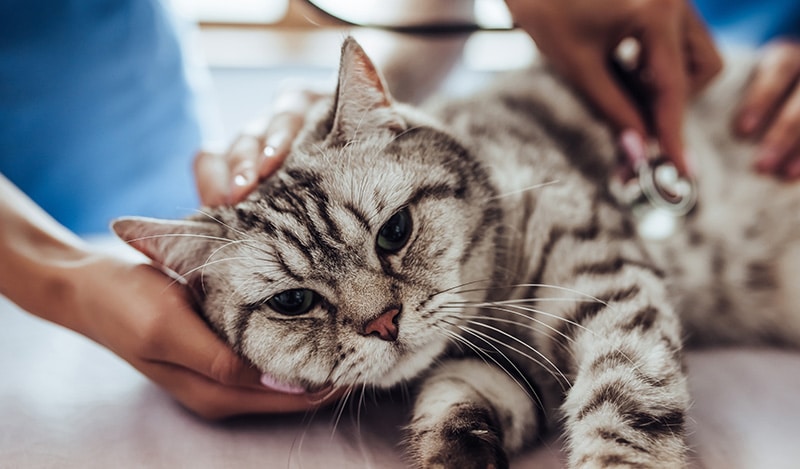
Cats can become very unwell and experience serious liver problems if they don't eat for surprisingly short periods. Hepatic lipidosis can develop within only a few days of a cat not eating and is a common cause of liver failure. Contact a veterinarian for advice if it's been a day or two since your cat last ate. Cats refusing to eat and experiencing other signs such as lethargy, vomiting, diarrhea, should be seen immediately by a veterinarian.
What to Feed a Sick Cat Who Won't Eat
Cats who aren't eating should be seen by a veterinarian who can provide specific information about which formulas are best suited to entice them to eat. You can do a few things that may tempt your cat to take a few extra nibbles here and there, including offering their favorite wet food and warming up whatever you serve.
Consider offering your feline several small meals throughout the day so they can have something nice and fresh to enjoy. Sometimes, hand-feeding encourages them to eat more.


Conclusion
Cats can lose their appetites for various reasons, from changes in their environment and routine, to serious underlying medical conditions. Unfortunately, they can develop liver problems when they go without food for short periods of time, so it’s important to stay on top of the situation. Warming wet food and feeding cats little and often can encourage those who aren't in the mood to eat, but it is important to get them checked out by a vet as soon as possible.
See Also:
Sources
https://www.petmd.com/cat/nutrition/cat-wont-eat-try-these-tricks#cat-not-eating
https://www.petmd.com/cat/general-health/possible-vaccine-reactions-cats
https://www.petmd.com/cat/nutrition/changing-cats-food-how-to
https://www.petmd.com/cat/centers/nutrition/signs-your-cat-is-stressed
https://www.petmd.com/cat/conditions/urinary/kidney-disease-cats
https://www.petmd.com/cat/conditions/respiratory/treating-upper-respiratory-infections-cats
https://www.petmd.com/cat/nutrition/cat-wont-eat-try-these-tricks
Featured Image Credit: Prystai, Shutterstock

Expert cat care, straight to your inbox
Vet-reviewed advice, behavior tips, and the best of Catster. Free, and you can unsubscribe anytime.
By signing up, you agree to our Terms & Conditions and Privacy & Cookies Policy.
Lorre Luther is a writer who is firmly convinced that cats are smarter than humans. She left her law career in the United States and moved to the Netherlands to follow her dream of becoming a writer. Lorre currently lives in Rotterdam, she enjoys traveling and greatly appreciates the beauty of nature. Lorre has a spot for animals and admires the intelligence of cats.
Join the conversation
Ask a question, share your story, or send private feedback.