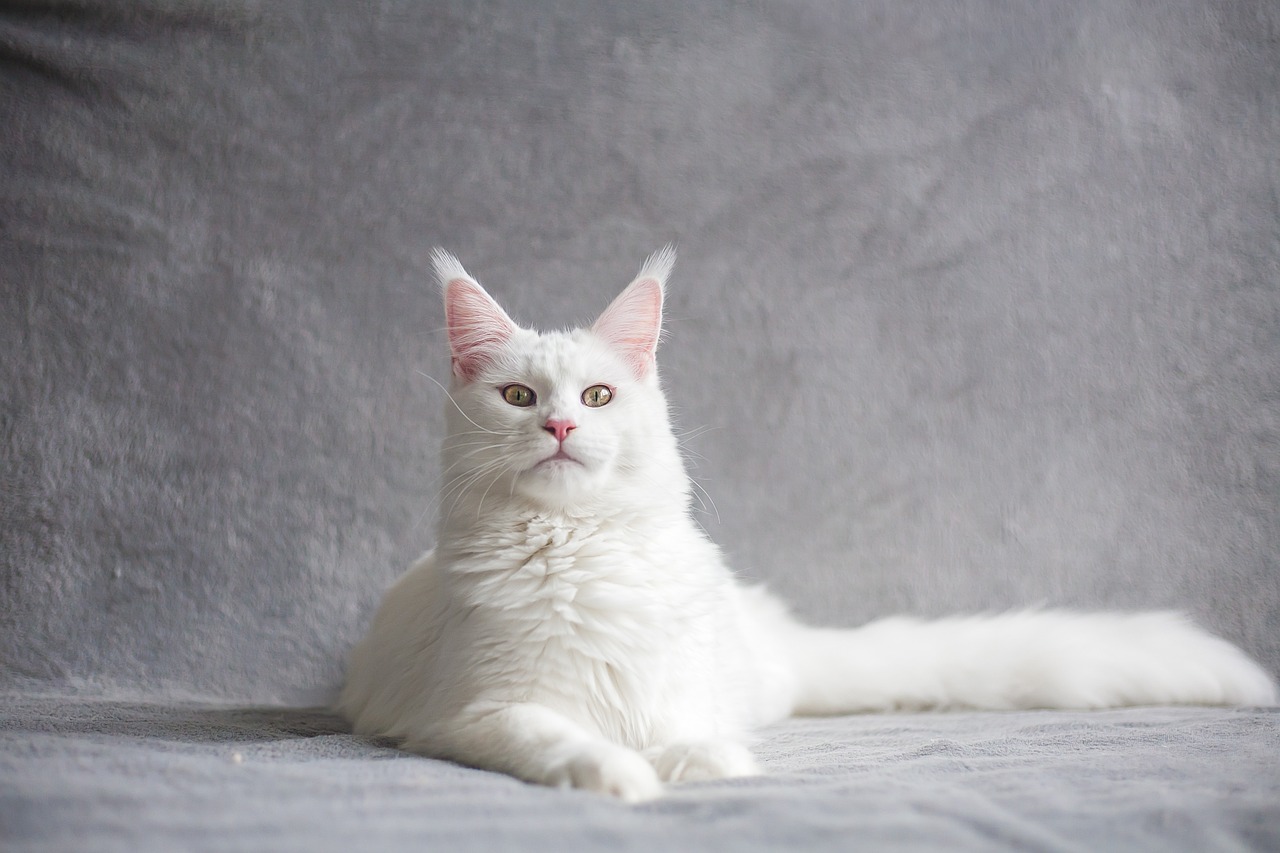
White Maine Coon Cat Breed Info: Pictures, Temperament & Traits
In this article
The Maine Coon may have arrived by Viking ships to Maine, United States, sometime in the 1900s, where they quickly became popular pets. Not only is the White Maine Coon a loyal and loving cat, but their hardy size and hunting nature make them perfect household family members and ratters on farms. White Maine Coons love spending time with kids and are intelligent enough to learn basic tricks.
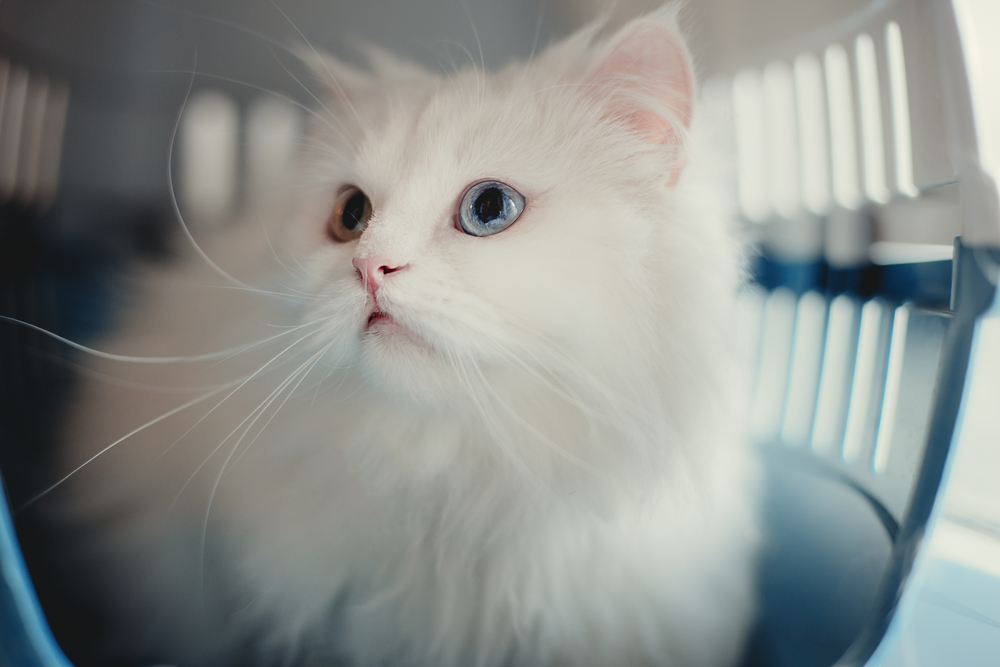
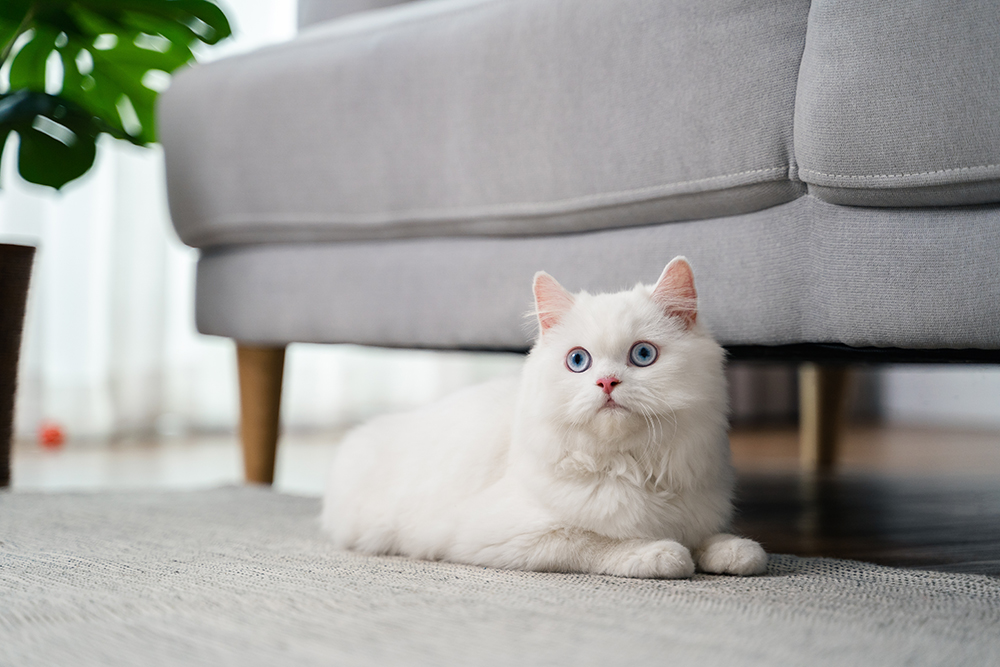
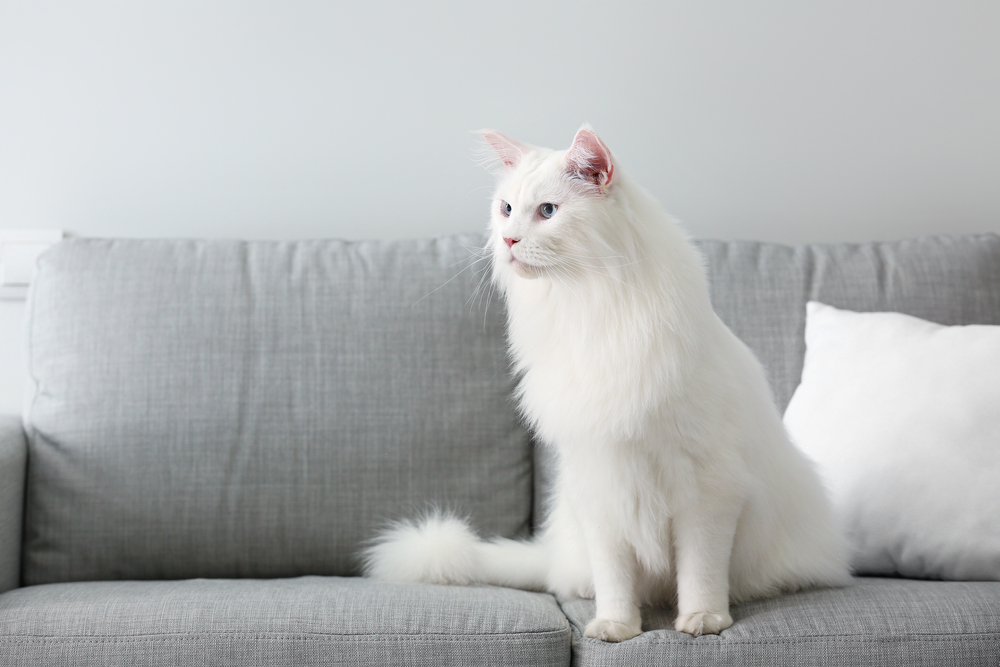
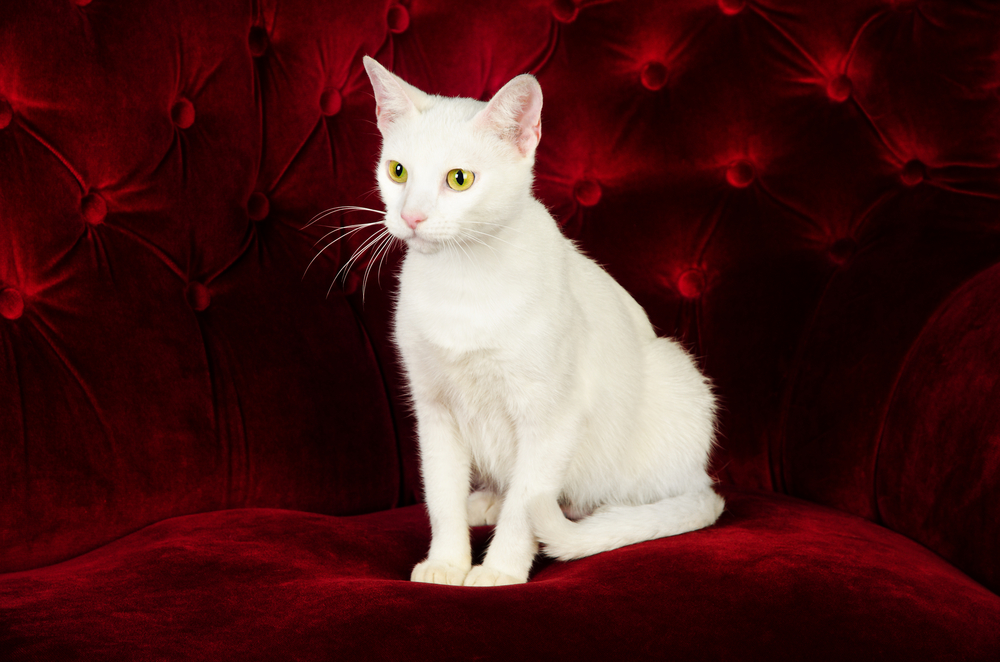
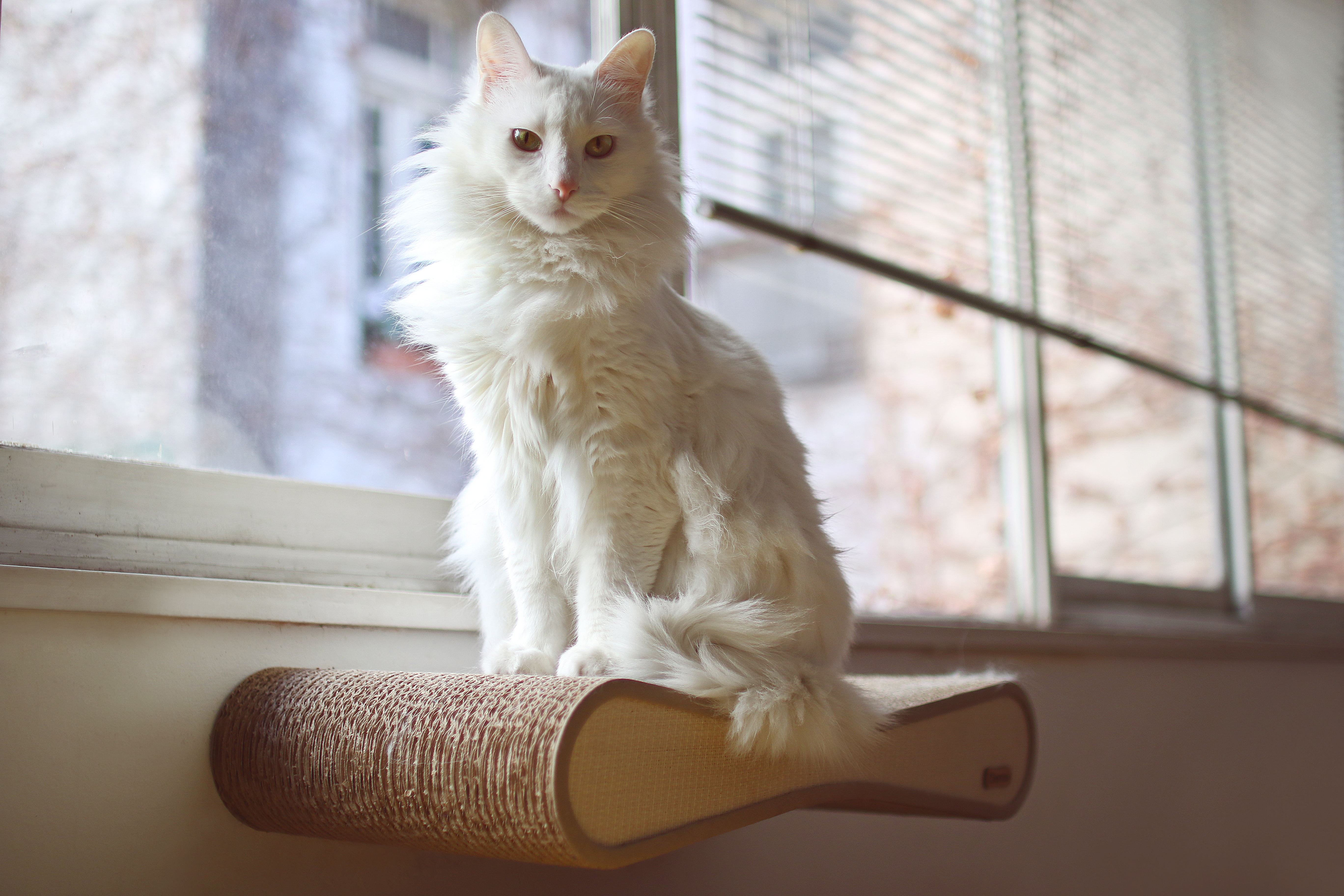
Maine Coons with long, beautiful white coats are rare compared to the other Maine Coons. They do not mind spending time alone, but they will seek attention if a family member is home. They love to talk, and many owners feel like they have long conversations with their kitties while spending time together.
Breed Overview
Height:
Weight:
Lifespan:
Colors:
Suitable for:
Temperament:
Although they like to play, White Maine Coons are mild-mannered and are not known for being destructive inside the house. Are you interested in adopting a White Maine Coon cat of your own? There is much to learn about them before you adopt one, so we put together a comprehensive guide about the White Maine Coon that should help you make a final decision about whether this interesting cat is right for your family and home.
White Maine Coon Cat Characteristics

White Maine Coon Kittens

When looking to buy, you should know what the breeding facilities are like and whether the parents are purebred. Some breeders may pair a White Maine Coon with one of a different color and still advertise the babies as white, when they may end up with tinted or colored hair once as adults.
Verify the lineage of the parents, and have a trusted veterinarian check the kitten out before agreeing to adopt it and take it home. Also, if possible, you should tour the breeding facility in person to make sure that it is clean and safe.

Temperament & Intelligence of the White Maine Coon 🧠
The White Maine Coon cat has a goofy, fun-loving personality that is easy to fall in love with. They are gentle with babies, playful with older kids, and cuddly with adults, especially when snuggling up on the couch or in bed. They enjoy talking and may even do so at night while everyone is trying to sleep.
Keeping them active with toys and games throughout the day will help them sleep and stay quiet throughout the night. With high intelligence, Maine Coons are easy to potty train and can be taught to stay off certain pieces of furniture. They do fine when left at home alone but can get bored and lonely if they cannot spend time with family members daily.
They won’t complain if they have plenty of cozy places to hide and relax at home. They are wary of strangers and will probably hide under the bed or in a closet when strangers enter. However, once they get to know new friends, they will gladly come out to greet them.
Are These Cats Good for Families? 👪
White Maine Coons are great family pets because they get along well with kids of all ages. They do not mind a little teasing, but they will not put up with tail and ear pulling, so kids should be taught to respect them when spending time around them.
Younger children should always be supervised when hanging out with a Maine Coon to ensure that they do not get too rambunctious with them.
Does This Breed Get Along With Other Pets? 🐶🐱
The White Maine Coon can get along with other cats and dogs if they are introduced to them at a young age. If introduced to a new animal family member as an adult, the introduction should be done slowly and under supervision until the cat gets used to the new animal.
They are not typically interested in meeting new dogs or cats in passing. Their prey drive may kick in when smaller animals like mice and hamsters are around.
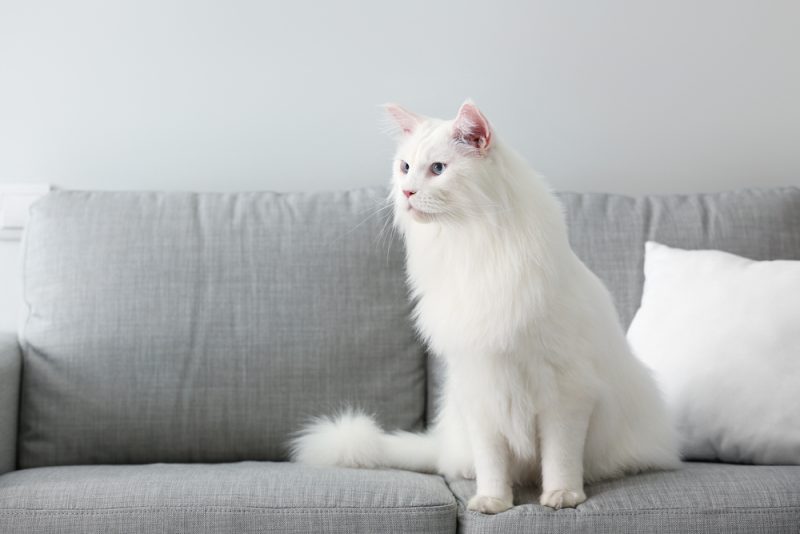
Things to Know When Owning a White Maine Coon
Once your new White Maine Coon comes home for the first time, you should know what to feed them, how much exercise should play a role in their daily routine, and how to keep them groomed as time goes on to ensure that you are prepared to be an excellent cat parent.
Food & Diet Requirements 🐡
The Maine Coon is a true carnivore at heart, just like any other cat. They can eat wet or dry commercial food, a combination of both, or a homemade meal if you have the time and want to commit to cooking for your kitty cat. Whatever food they eat, real animal protein should be the predominant ingredient. They do not need to eat fruits, vegetables, or grains to stay healthy. If commercial food is chosen, look for options that contain no artificial ingredients or fillers like corn and soy.
Exercise 🐈
White Maine Coons are active and curious, and they need plenty of space to run and play throughout the day. They should be provided with interactive toys, balls, squeakers, and scratching posts to keep them entertained, especially when they are at home alone.
They do not need walks or time in the yard to stay happy and healthy, but they expect to play games with their family while at home together.

Training 🧶
White Maine Coons can be trained to come when their names are called, to sit and stay when asked, and to be quiet when commanded. However, if they are deaf, training may require the help of an experienced trainer. However, they know how to behave well and can get along in various settings, so they do not need training to be a great addition to a family's household.
Grooming ✂️
The White Main Coon's long hair should be groomed every day to keep shedding to a minimum and prevent tangling. Luckily, the silky texture of their fur naturally fights off matting, but too many days between brushing could still result in mats that need to be cut out.
Daily brushing is also necessary to prevent them from consuming too much hair while they groom themselves, which could result in the development of hairballs. There is no need to bathe a White Maine Coon cat, and their nails should stay naturally trimmed if they have access to scratching posts and cat gyms.
Health and Conditions 🏥
The White Maine Coon is generally healthy, but there are a few health conditions that they are susceptible to that you should know and learn about.

Male vs Female
Both male and female White Maine Coons are loving and gentle yet playful. While both sexes are independent, males like to have alone time more often than females. The boys seem to be a little harder to potty train than girls, especially if they do not start training when young.
Another difference that owners may notice between males and females is their penchant for talking. The gals are typically the ones to carry on conversations, while the guys are quieter.
3 Little-Known Facts About the White Maine Coon Cat
1. The Breed Made It Into the Guinness Book of World Records
Maine Coons are one of the largest domestic cats in existence. In fact, a Maine Coon named Barivel earned a Guinness World record for being the longest cat ever recorded at 3 feet, 11.2 inches in length.

2. They Are Prone to Skin Cancer
The lack of pigment in the White Maine Coon cat’s skin makes them prone to skin cancer, especially in sensitive areas where fur is not as thick, like the ears. If the cats are going to spend time outside in the sun, they should be protected with special sunblock for felines.
3. There Is a Chance They Will Be Deaf
White Maine Coons and white cats, in general, are more prone to deafness than cats of other colors. White cats with two blue eyes have a 65–85% chance of being deaf. Luckily, deaf Maine Coons are just as loving and affectionate as cats that can hear.
Final Thoughts
The White Maine Coon cat is an excellent pet for families and households of all sizes. They can adapt well to apartment life, yet they will thrive in the space that a house provides. They require daily grooming to keep them looking and feeling great. Otherwise, they are generally easy to take care of. How do you think the White Maine Coon will cat fit in at your home? Are you ready to take on a new furry family member? Let us know what your thoughts are in our comments section below.
Featured Image: Kanashi, Pixabay

Expert cat care, straight to your inbox
Vet-reviewed advice, behavior tips, and the best of Catster. Free, and you can unsubscribe anytime.
By signing up, you agree to our Terms & Conditions and Privacy & Cookies Policy.

Christian started writing for a local newspaper as a teenager, and he's been involved in the publishing industry for most of his adult life. Combining his love of writing with a passion for animals, he is currently the Director of Editorial at Pangolia and the Editor-in-Chief at Catster.
Christian lives in the Philippines with his wife, son, and four rescue cats: Trixie, Chloe, Sparky, and Chopper.
Join the conversation
Ask a question, share your story, or send private feedback.