Get

In Your Inbox

Catster is reader-supported. When you buy via links on our site, we may earn an affiliate commission at no cost to you. Learn more.

History of Tuxedo Cats – Taking a Look at Their Past

Share

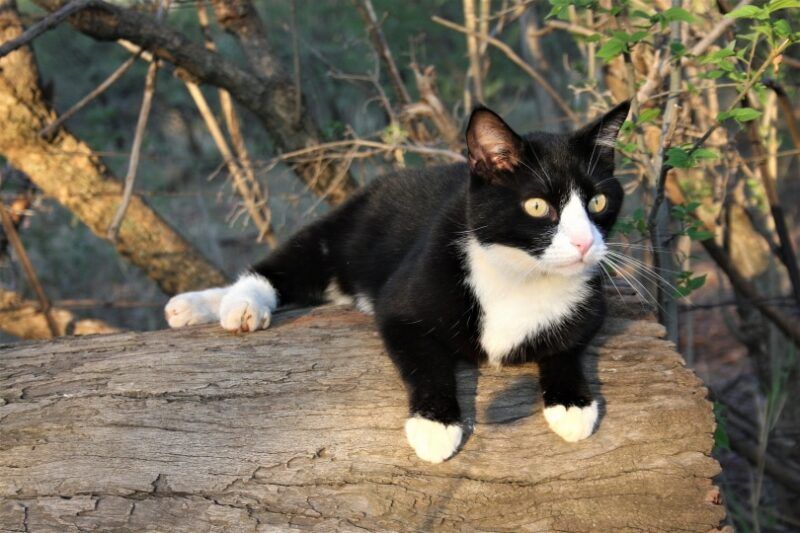
tuxedo cat resting on log

With their gorgeous black and white coats, tuxedo cats appear ready for a night on the town. Anyone can recognize a tuxedo cat when they see one, but few realize they’re not a breed. Still, tuxedo cats have a place of honor among cat lovers. Their refined, aristocratic appearances, intelligence, and loving natures make them popular cats throughout history. Below, we discuss the fascinating history of tuxedo cats.

divider cat paws oct 2024

What Are Tuxedo Cats?

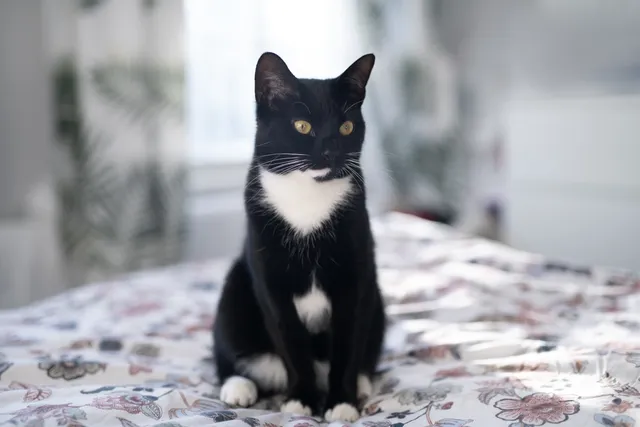
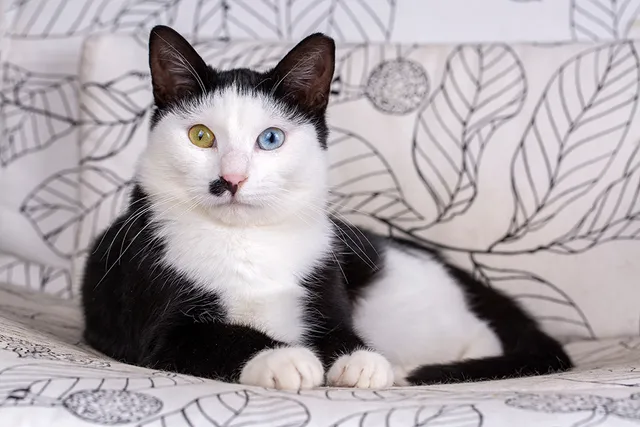
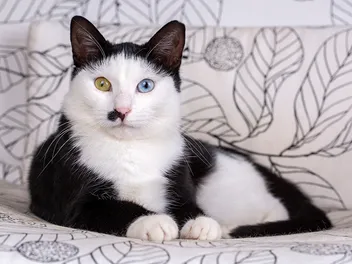
Tuxedo cats are recognizable by their distinct coloring. With their black fur and white chests mimicking the appearance of a tuxedo, the cats always look like they’re dressed to impress.

Tuxedo cats are not a breed, but their name refers to the specific patterning of their fur. While the traditional black and white colors of formal wear are more recognized as the coloring for tuxedo cats, not all black and white cats are tuxedo cats.

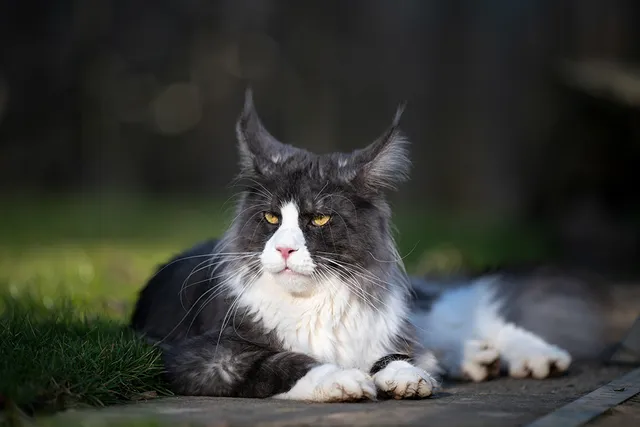
The same can be said for tuxedo cats. Breeders don’t limit the patterning to black and white fur but allow a range of gray and white or ginger tuxedo cats to join the ranks. There are even a few white tuxedo cats that have black undercarriages.

Since what makes a tuxedo cat is a specific pattern of color, the cats can be various breeds. A few cats that display this patterning include:

  • Maine Coon
  • American Shorthair
  • Scottish Folds
  • Norwegian Forest cats

Unlike calicos and tortoiseshells, which are primarily female, tuxedo cats are equally likely to be male or female.

tuxedo cat sitting on cemented ground
Image Credit: Yannick McCabe-Costa, Pixabay

Where Did Tuxedo Cats Originate?

Since they’re not a breed, it isn’t easy to know precisely where tuxedo cats originated. The earliest depictions of tuxedo cats date back to Ancient Egypt. The Ancient Egyptians loved cats. Considered “mutually beneficial companions,” they were allowed to take shelter from the heat inside households in exchange for handling pests like rats, snakes, and even scorpions.

The relationship didn’t end there. Many cats were entombed alongside their human companions so they could continue their relationship even after death. They were also depicted in paintings and believed to be vessels for gods and goddesses like Bastet. Many paintings depicted in Egyptian tombs, particularly those for royalty, and hieroglyphics show tuxedo cats.

While all cats were held in high regard among the Egyptians, tuxedo cats had a particular place of honor. They were believed to bring fortune and good luck. Due to that, most felines in tomb paintings are tuxedo cats.

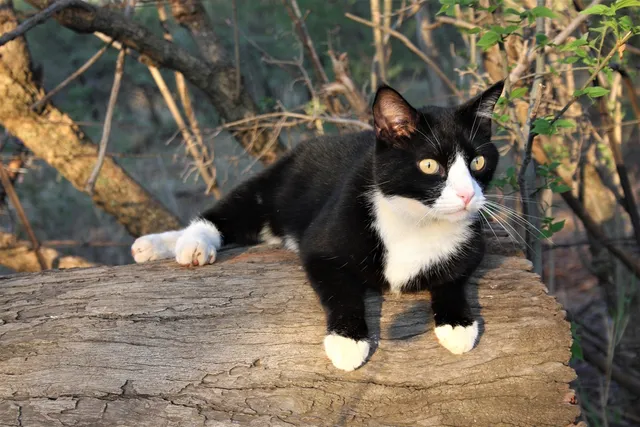
tuxedo cat on the tree
Image Credit: Lynn, Pixabay

Famous Tuxedo Cats

The Ancient Egyptians weren’t the only ones who found tuxedo cats fascinating. Beethoven, Shakespeare, and Sir Isaac Newton all owned tuxedo cats, too. Although the cats didn’t become famous, their relationships with these familiar names show how popular tuxedo cats have been as companions.

Even without being a separate breed, they’ve played their part throughout history. Over the years, tuxedo cats have done everything from accompanying famous artists to appearing in TV shows.

There are too many tuxedo cats that have achieved great things over the years to mention all of them. Here are a few examples to show how awesome these cats are.

  • Felix: During the silent film era in the 1920s, Felix the Cat was a familiar sight in merchandise, cartoons, and animations. He was so popular that tuxedo cats are also called “Felix cats.”
  • Mistofelees: In the musical, “Cats,” by Andrew Lloyd Webber, Mr. Mistofelees is known for his charm, sass, and magic powers. He was based on a character in a book of poems by T.S. Elliot. Elliot wrote about “Jellicles,” which were ordinary house cats that were also magical.
  • Roderick: We’ve all heard of the climbing exhibitions that conquer Mount Everest, but few people know that a cat has climbed the mountain, too. Roderick, a tuxedo cat, is the only feline to take on the challenge so far.
  • Simon: Ships are not strangers to rat infestations, and one Royal Navy warship during World War II had its fair share of rats trying to devour the food supplies. A tuxedo cat called Simon earned a People’s Dispensary for Sick Animals Dickin Medal and a Blue Cross Medal for Animal Military Gallantry after protecting the food from vermin.
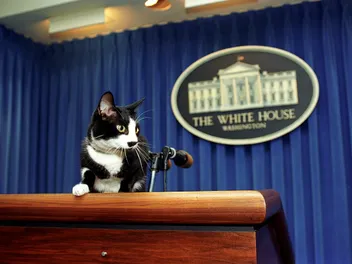
  • Socks: Socks was the First Cat of the White House during Bill Clinton’s presidency. As a former stray, he embodied the phrase “from rags to riches.”
  • Sparky: Another tuxedo cat that rose to fame was a feline called Sparky. He inherited a small fortune in 1998.
  • Sylvester: A famous tuxedo cat that’s never been forgotten is Sylvester from Looney Tunes. He might be the bad guy relentlessly stalking Tweety Bird, but you must admire his persistence.
  • The Cat in the Hat: Written by Dr. Seuss and published in 1957, “The Cat in the Hat” is one of the most famous depictions of tuxedo cats today. Not only does the tall hat make him a recognizable character, but his tuxedo pattern makes him appear aristocratic despite the mischief that he gets up to.
  • Trixie: When her owner was imprisoned in the Tower of London in 1801, Trixie demonstrated how loyal cats can be. She broke into the prison to keep her owner company.
  • Tuxedo Stan: Although there’s been a First Cat in the White House, there have been fewer cats running for office. In Halifax, Canada, Tuxedo Stan put his suit to the test and ran for mayor. His goal was to help his fellow felines by raising awareness of how important spaying and neutering programs are.

divider cats oct 2024

Final Thoughts

Not being a breed doesn’t make tuxedo cats any less interesting. Since ancient Egyptian times, they helped reduce the rodent population in their environments and became beloved pets. Their stylish looks, intelligence, and regality lead many to believe they bring good luck. Considering how many tuxedo cats have made their names known throughout history, their “good luck charm” nature only seems fitting.

Related Reads:


Featured Image Credit: Bettina Calder, Shutterstock

Want content like this delivered to you?

Sign Up For Our Newsletter

News, insights, expert advice, and everything cat

* By submitting, you agree to our Terms & Conditions and Privacy & Cookies Policy.



How useful was this post?

Click on a star to rate (you can leave written feedback after clicking submit)

Help us improve Catster for pet parents!

Your feedback really matters.

What did you like about this post? Also how can we improve it?

Join the conversation

Leave a Reply

You’re very welcome to leave a comment or question. Please know that all comments must meet our community guidelines, and your email address will NOT be published. Let’s have a positive and constructive conversation.


Talk With A Vet Online

Peace of mind,
anywhere, anytime

Affordable vet advice

Ask Dr. Paola – Help! My Momma Cat Is Very Thin! (May 18, 2026)

Welcome to our “Ask Dr. Paola” series, where every Monday we bring expert advice straight from Dr. Paola Cuevas (MVZ) to help our...

The Cat Biting Mistakes Most Owners Make (And What Works Instead)

Cat bites sent more than 400,000 people to emergency rooms in the US each year.1 Not scratches. Bites. And the reason they’re so...

Do Cats Cause Schizophrenia? Scientists Find a Link – Here’s What It Means

Being a fierce advocate (and occasional recipient of) mental health support and awareness, the term ‘crazy’ is not one I like to fling...

One in 100 Cats Gets Diabetes – Here’s How to Catch It Early

One in every 100 cats develops diabetes.1 That’s not a rare, unlucky condition reserved for cats with obvious health problems. It’s common enough...

More related

Should You Take Your Cat On Vacation Or Leave Them At Home? Tips & FAQ

Planning a vacation can be stressful, but if you have a cat, there’s even more logistics to figure out. Should you take your...

10 Best Cat Shampoos of 2026 – Reviews & Top Picks

Cats are notorious for wanting things on their own terms. They are solitary creatures that feel they can do everything for themselves, including...

Why Do Some Black Cats Have Orange Eyes? Vet Approved Facts & FAQ

Black cats are gorgeous with their stunning, inky, velvet coats and expressive eyes. Because of how dark their fur is, their eyes seem...

Frontline vs. Advantage for Use in Cats: Our Vet Explains the Differences

Fleas are a common issue when owning cats. Preventing and treating fleas is a routine part of cat ownership, but finding a suitable...

Keep reading

Why Are My Cat’s Ears Hot? Vet-Reviewed Facts & FAQ

You may find yourself petting your beloved kitty, only to feel that their ears are abnormally hot. This can be worrying, especially if it’s something that you’ve never noticed before. Is it normal for your cat’s ears to be hot?...

cat ear close up

How to Keep Your Cat’s Nails Healthy in 5 Vet-Approved Steps

As a responsible cat owner, you’re well aware of the importance of caring for your kitty’s sharp little claws—not only for their health but also to spare your furniture! While our feline companions know how to keep their fur in...

cat paws when sitting on the table

Play Aggression in Cats: Vet-Approved Signs, Causes & Solution

It’s all fun and games with your kitty until the claws are out or they are causing mischief! All too often, we can be having a cuddle or fun time with our cat when our forearm is suddenly gripped by...

Aggressive cat growling

8 Cleaning Products Toxic to Cats: Vet Approved Facts & Toxicity Explained

Many modern cleaners are filled with chemicals that are potentially harmful to cats. People use these products regularly (or even daily) without knowing the risks. If you clean with concentrated disinfectants, you could be putting your favorite feline at risk....

woman-holding-bucket-of-cleaning-products

Do Cats Have Bones in Their Tails? Feline Anatomy Explained (Vet Verified)

A cat’s tail is a fascinating and finely tuned structure adapted for survival in the wild, and yes, it has bones. These are called caudal vertebrae. Long-tailed cats can have anywhere from 19 to 23 bones in their tails. Short-tailed...

tail of a cat on vintage background

Can Cats Eat PopTarts? Vet-Reviewed Facts & FAQ

“Curiosity killed the cat” is a phrase that couldn’t be truer about some cats. It seems like you can’t leave them alone for more than a minute before they’re face first in something they’re not supposed to touch. The good...

Can Cats Eat PopTarts

How to Calm an Angry Cat: 7 Vet-Approved Steps & Tips

Cats can experience a wide range of emotions, anger included. Although they might not experience anger the same way we do, there’s no doubt that felines can get angry from time to time. Anger is not an ideal experience for...

owner petting a hissing angry tabby cat

Can Cats Eat Catnip or Is It Just for Sniffing? Vet-Verified Facts

Everyone knows that cats love catnip. If you’ve never seen a cat’s reaction to the herb, you must because it’s hilarious. Some cats go crazy on catnip, while others might just sit still and stare at nothing. The effects only...

Can Cats Eat Catnip

Love Cats? So Do We! Join the Catster Community

Stay informed with expert pet care insights delivered straight to your inbox! Discover professional guidance on animal behavior, feeding tips, trusted product picks, and much more.


Sign up for the Catster Email Newsletter

Stay informed with expert pet care insights delivered straight to your inbox! Discover professional guidance on animal behavior, feeding tips, trusted product picks, and much more.