Highlander Cat Breed: Info, Pictures, Temperament & Traits

In this article
Breed Overview
Height:
Weight:
Lifespan:
Colors:
Suitable for:
Temperament:
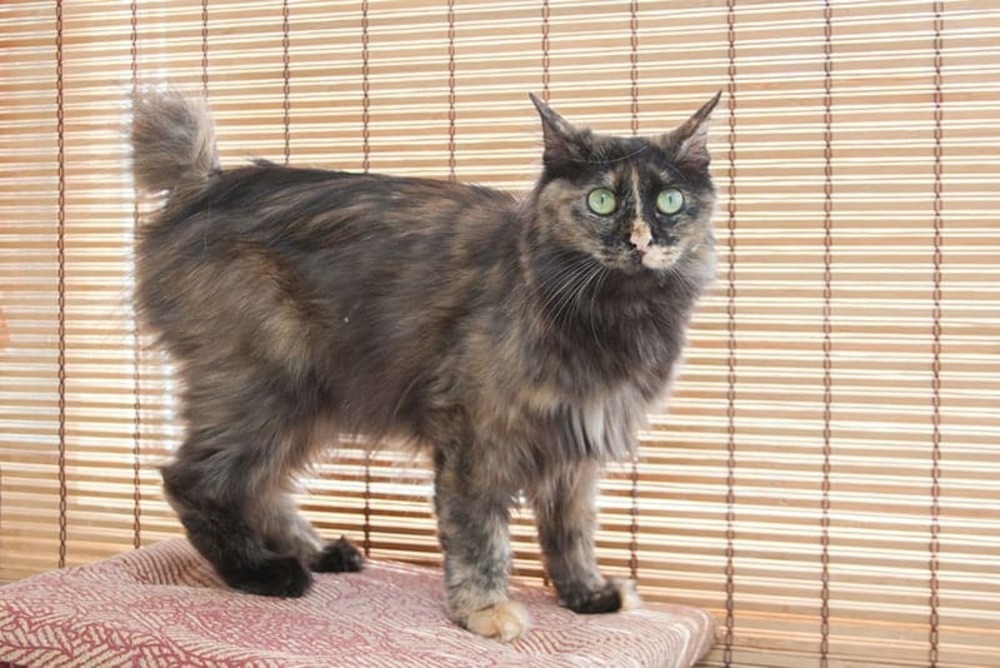
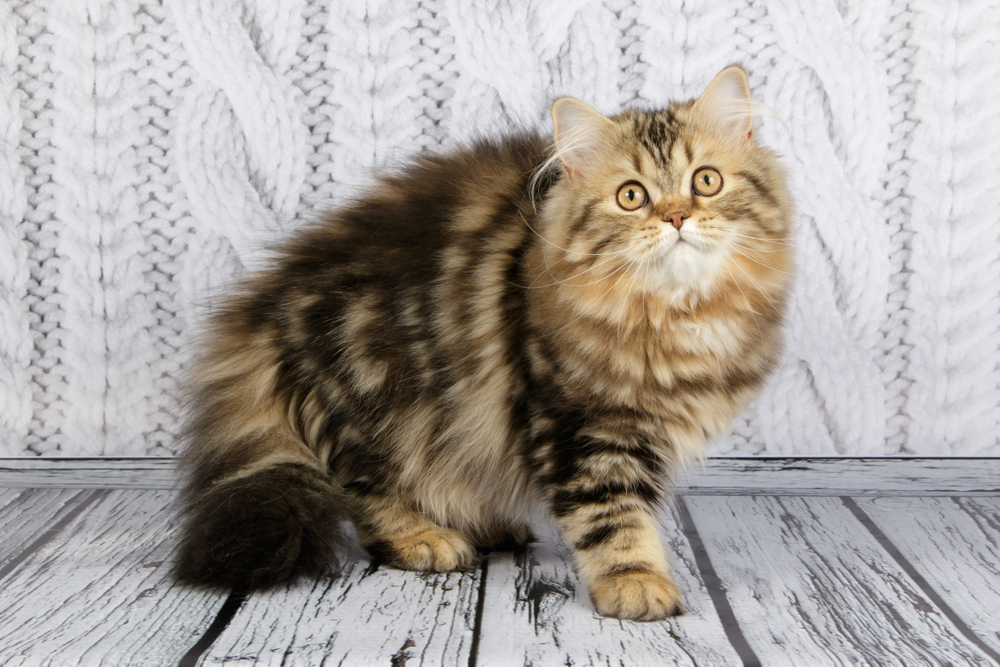
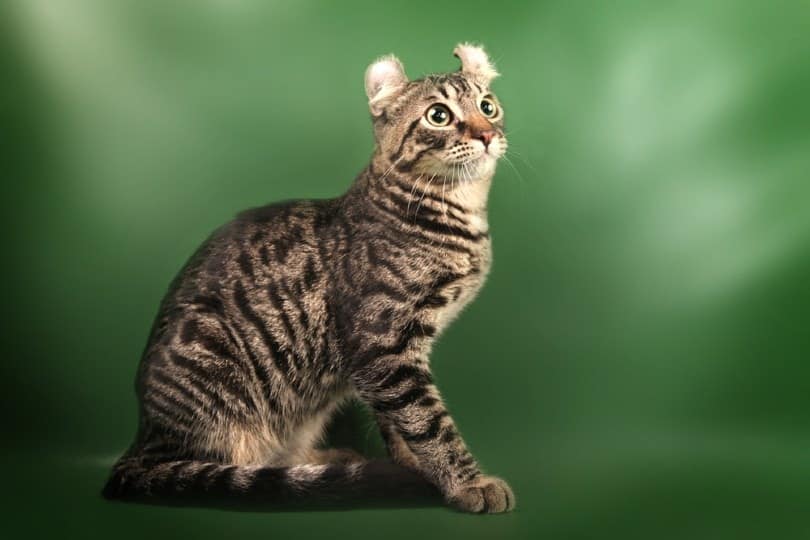
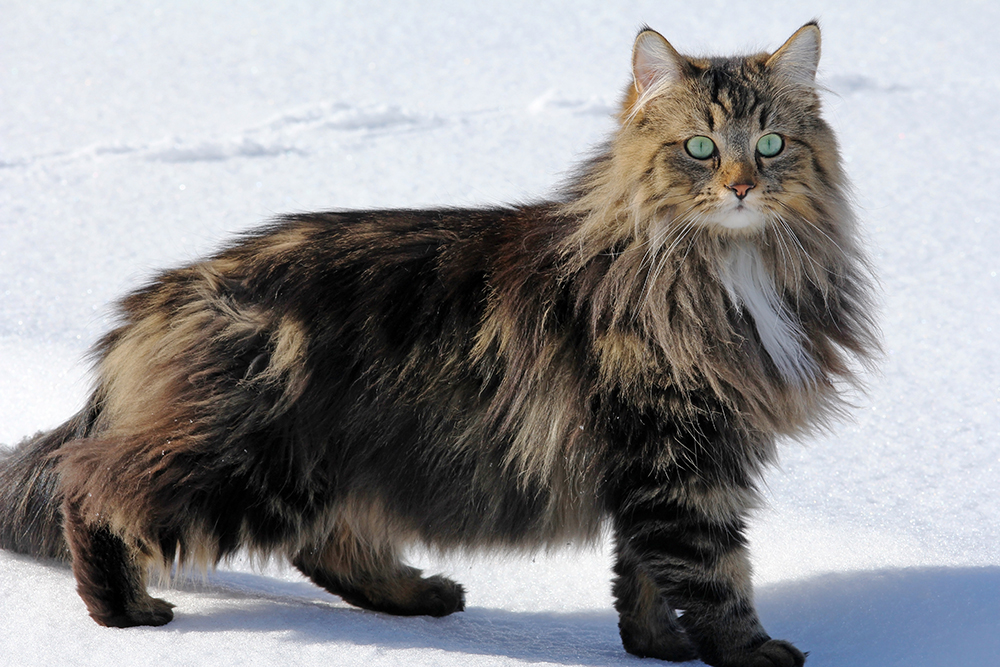
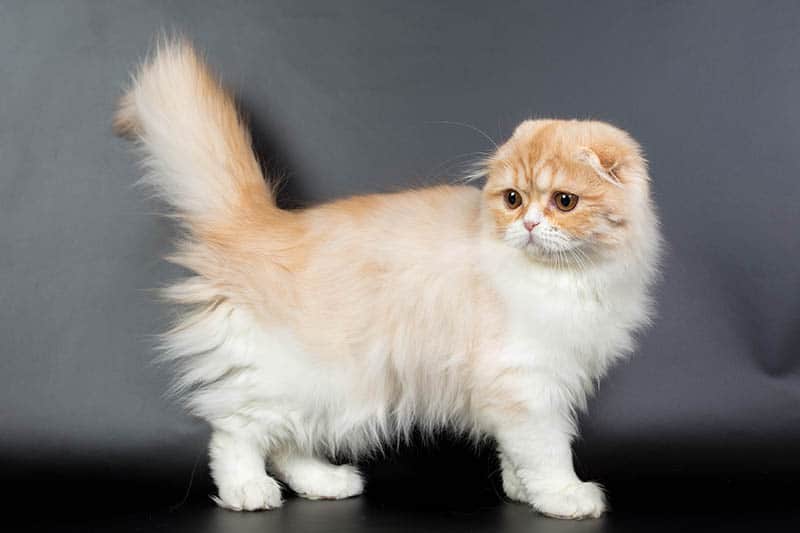
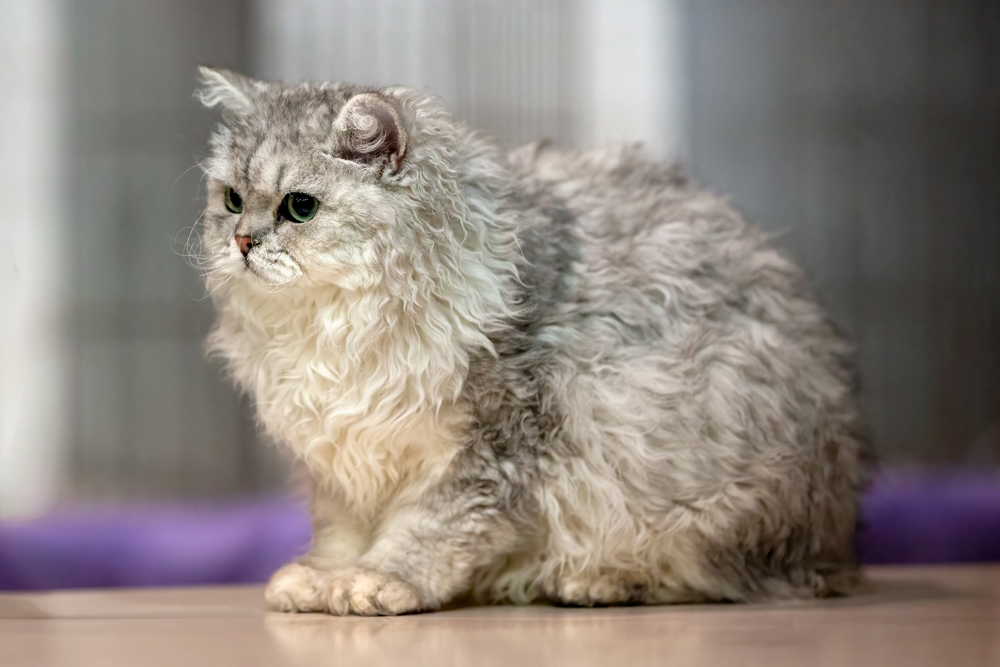
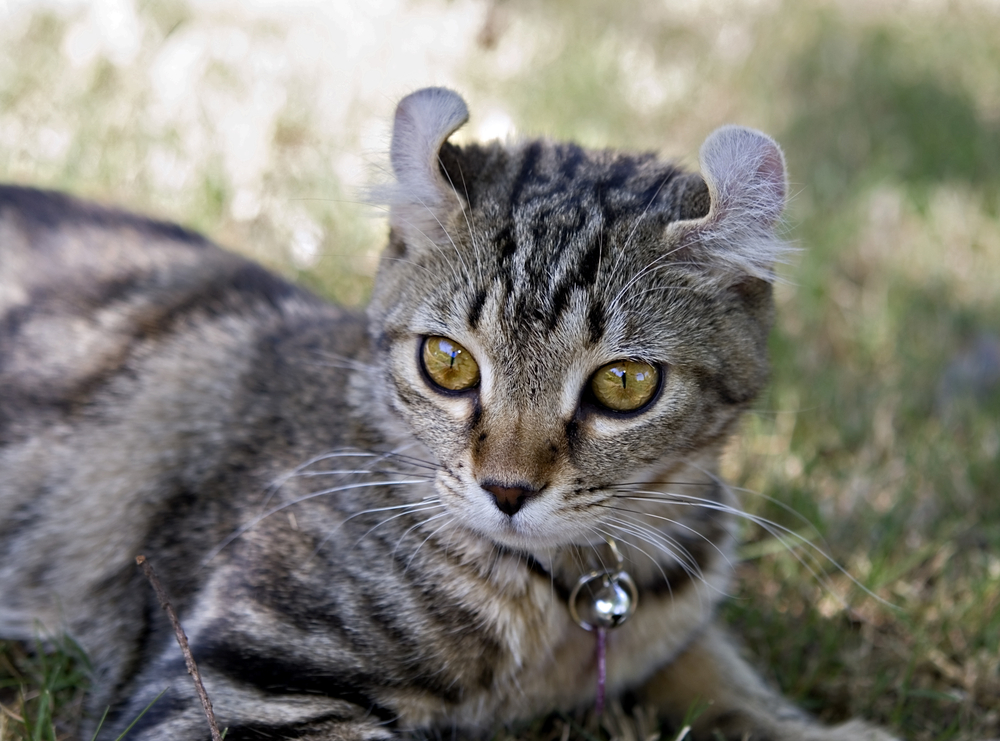
The Highlander cat is a large, curly-eared, stubby-tailed cat breed that is growing in popularity. It's really no surprise since they have all of the attributes that make a housecat so terrific. Many owners are taken by the positive energy and low vocalizations of the Highlander.
They make excellent choices for apartment living since they are generally quiet. But they do equally well in a safe indoor/outdoor setting, too—weather permitting. So, what can you expect when you own one of these sweet kitties? Let's learn what the Highlander cat breed has to offer.
Highlander Cat Characteristics

Highlander Kittens

If you purchase a Highlander cat from a licensed breeder, you can expect to pay several hundred dollars. In addition, you have to consider all of the supplies necessary to take care of your kitten—which includes routine vaccinations and vet care.
Remember to check the validity of a breeder before you buy. They should have a history of successful, healthy litters and veterinary documentation to back it up. Before you spend an outlandish amount on the kitten, it is essential to confirm that the breed is, in fact, what the breeder claims it is.
You can always check with your local shelter or rescue to see if any purebred Highlander cats are available. If you find one, typical costs for adoption can range up to $300. This cost will include veterinary care and spaying or neutering.

Temperament & Intelligence of the Highlander Cat 🧠
Highlander cats are very playful and have incredibly social personalities. They love to play games, so offering various toys with various textures, sounds, and bright colors will keep them occupied. They don't have any inclination toward aggression, but they can be fabulous mousers. If you have any small critters around, you might find one lying by your doorstep as an offering.
Highlander cats are not very vocal. Even though they are exceptionally active cats, you probably won't hear a lot of noise coming from them. Highlander cats speak much more through their body language than with vocalizations.
Are These Cats Good for Families? 👪
When Highlander cats are socialized early, they make terrific additions to nearly any household. It’s even suitable for them to go outside sometimes; they tend to enjoy the outdoor weather very much. They make wonderful pets for children because of their sweet dispositions. It is always best to introduce the Highlander very early in life to acclimate to the household. They will enjoy the energy of little ones, happily including themselves in playtime.
However, if you adopt from a shelter, it's always best to give your cat some time to warm up to the new situation. This is especially true if they have never been around younger children before. Make introductions slow, and teach your children to handle the cat respectfully. Since these kitties are highly adaptable, they should warm up in no time.
Does This Breed Get Along with Other Pets? 🐶🐱
Highlander cats typically do very well with other pets. They can exist harmoniously alongside other cats, dogs, and even some animals you might have. They won't turn down a chance to play, and they don't discriminate based on species.
Of course, not all playmates are suitable—especially without close supervision. Highlander cats are still felines with predatory instincts. So, if you have a hamster or a fish, your kitty might try to make them a snack. Remember that it's not malicious; it's just something that's embedded into their DNA.

Things to Know When Owning a Highlander Cat:
Food & Diet Requirements 🐡
A Highlander cat doesn't need a special diet, but they need a nutritious one. Cats are carnivorous creatures, so you can imagine how important a high dose of protein is for their health. Cats need a high-quality dry kibble to keep them healthy. It's recommended to feed an adult at least 32.0% protein in their daily diet.
Since wet food is up for debate these days due to its links to obesity and tooth decay, use discretion. Many owners like to mix wet food with dry food to get their kitty an extra dose of flavor and moisture. If you have questions or concerns about your cat food, consult a veterinarian.
Plants are not a requirement in your cat's diet. However, if you have a cat that enjoys chewing on outdoor grass for house plants, you can offer them something like cat grass to keep their attention away from potentially harmful greenery.
Exercise 🐈
Highlander cats have quite a high activity threshold. They love having different activities to keep their interest. They definitely benefit from playing with various toys, both alone or with a playmate. You probably won't have to coax your Highlander to play, but they only need about 15 to 20 minutes of vigorous exercise per day if you do.
Proper energy outlets are critical once a cat is fully grown. As they age, energy levels can decrease, leading to obesity.

Training 🧶
Training your Highlander cat should be a breeze. These cats are brilliant and can pick up new concepts very easily. With patience, consistency, and proper tactics, you can train your Highlander to do almost anything. Litter training should come naturally to them as they have an innate desire to cover their waste.
You can begin training as early as 3 weeks. By the time they come home to you at 8–12 weeks, they should already have the concept down. However, you will want to give them a little window of time to get used to the house to know precisely where their litter box is.
Remember to only use positive reinforcement tactics since harsh punishments do not work for cats. Since cats are usually very food-motivated, using treats for motivation is always a good idea.
Grooming ✂️
Highlander cats require minimal grooming, and they do most of the hard work for you. These cats, like most, are incredibly tidy and love to self-clean. However, to cut back on the chance of hairballs or excessive shedding, you can lightly brush them once a week.

Health and Conditions 🏥
Highlander cats are typically incredibly hardy and healthy, with no known health issues to mention. But that doesn't mean your kitty won't run into a few issues. They can still run into the typical problems that can affect all domesticated cats.

Male vs. Female
Both male and female Highlander cats have many of the same traits. Males tend to be a little bigger, weighing between 15 and 20 pounds. Females are on the lighter end, weighing 12–15 pounds.
Both sexes reach sexual maturity around 6 months. After this crucial stage, if you don't get them spayed or neutered, they can spray. Spraying is a scent-marking action that they use to attract mates or claim the territory. You can prevent spraying by getting them fixed, but it doesn't always eliminate the issue. To prevent it entirely, most vets recommend the surgery when they are young.
Females might be somewhat less interactive than males but are also better hunters in most cases. Males are a bit more social, especially with strangers. Females might be more inclined to pick the person they love most in the house.
3 Little-Known Facts About The Highlander Cat
1. The Highlander Cat Scored in the Preliminary New Breed Class by TICA
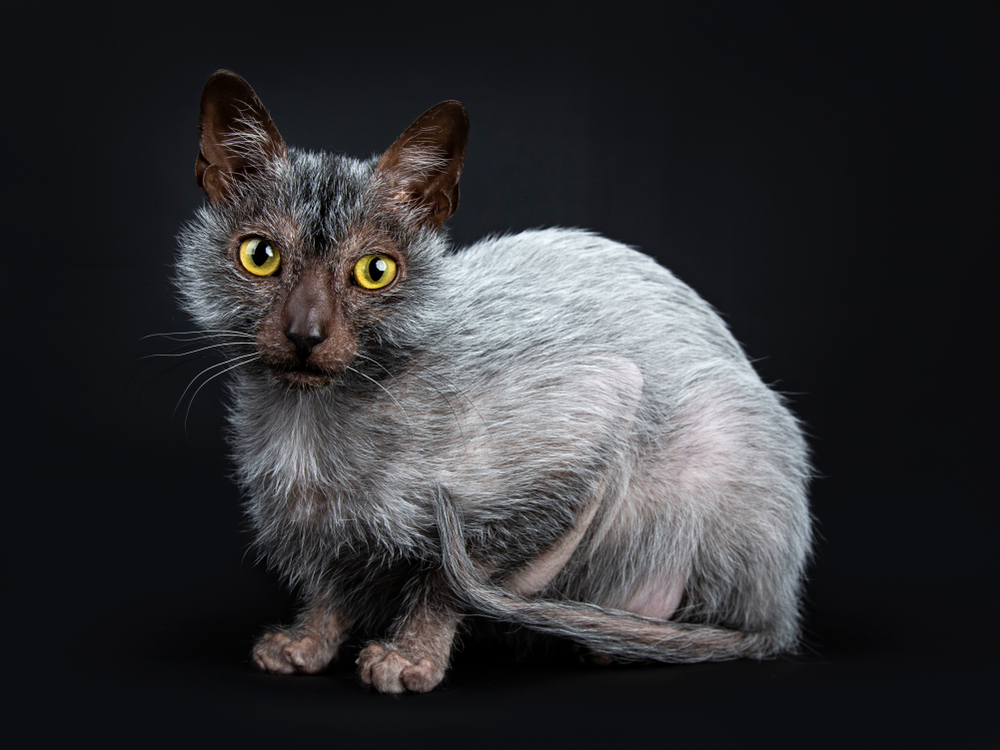
Highlander cats are a cross between the Desert Lynx and Jungle Curl cat breeds. In 2008, the breed was registered in the Preliminary New Breed class in The International Cat Association.
2. Highlander Cats Love Water
Nothing makes most cats flee like water, but Highlanders seem to find it fascinating. They don't even mind getting wet.
3. Highlander Cats Don't Act as They Look
Because of their markings, stance, and overall size, Highlanders can be a bit intimidating. But don't let their looks fool you. They are big babies, thriving on human attention and affection.
Final Thoughts
There is no denying the Highlander's impressive makeup, with their adorably curled ears, stubby tails, and large bodies. They have a wild, exotic look with an even-keeled personality—making them ideal family companions. If you think that the Highlander cat sounds like a puzzle-piece fit for your lifestyle, look for reputable breeders or check with local shelters to explore your options. You should be able to bring home your own tailless fluff ball in no time.
You might be interested in:
Featured Image Credit: SUSAN LEGGETT, Shutterstock

Expert cat care, straight to your inbox
Vet-reviewed advice, behavior tips, and the best of Catster. Free, and you can unsubscribe anytime.
By signing up, you agree to our Terms & Conditions and Privacy & Cookies Policy.
As a freelance dog writer and passionate pet enthusiast, Ashley Bates is pursuing studies in animal therapy. A mother to four human children and 23 animal companions, Ashley is dedicated to volunteering at shelters, advocating for animal rights, and rescuing animals in need. Her goal is to spread awareness, provide education, and offer entertainment about pets to reduce homelessness. Ashley's specialties include dogs and cats.
Join the conversation
Ask a question, share your story, or send private feedback.