Birman Cat vs. Balinese Cat: Main Differences (With Pictures, Vet-Reviewed)


In this article
Choosing a new cat to bring into your household is a big decision that shouldn’t be taken lightly. You shouldn’t pick a new pet based solely on their appearance, though that’s often what happens when one begins their hunt for the perfect family pet. While appearance can be an important factor to consider, you’ll also need to look at the cats’ specific needs and personalities based on their breed.
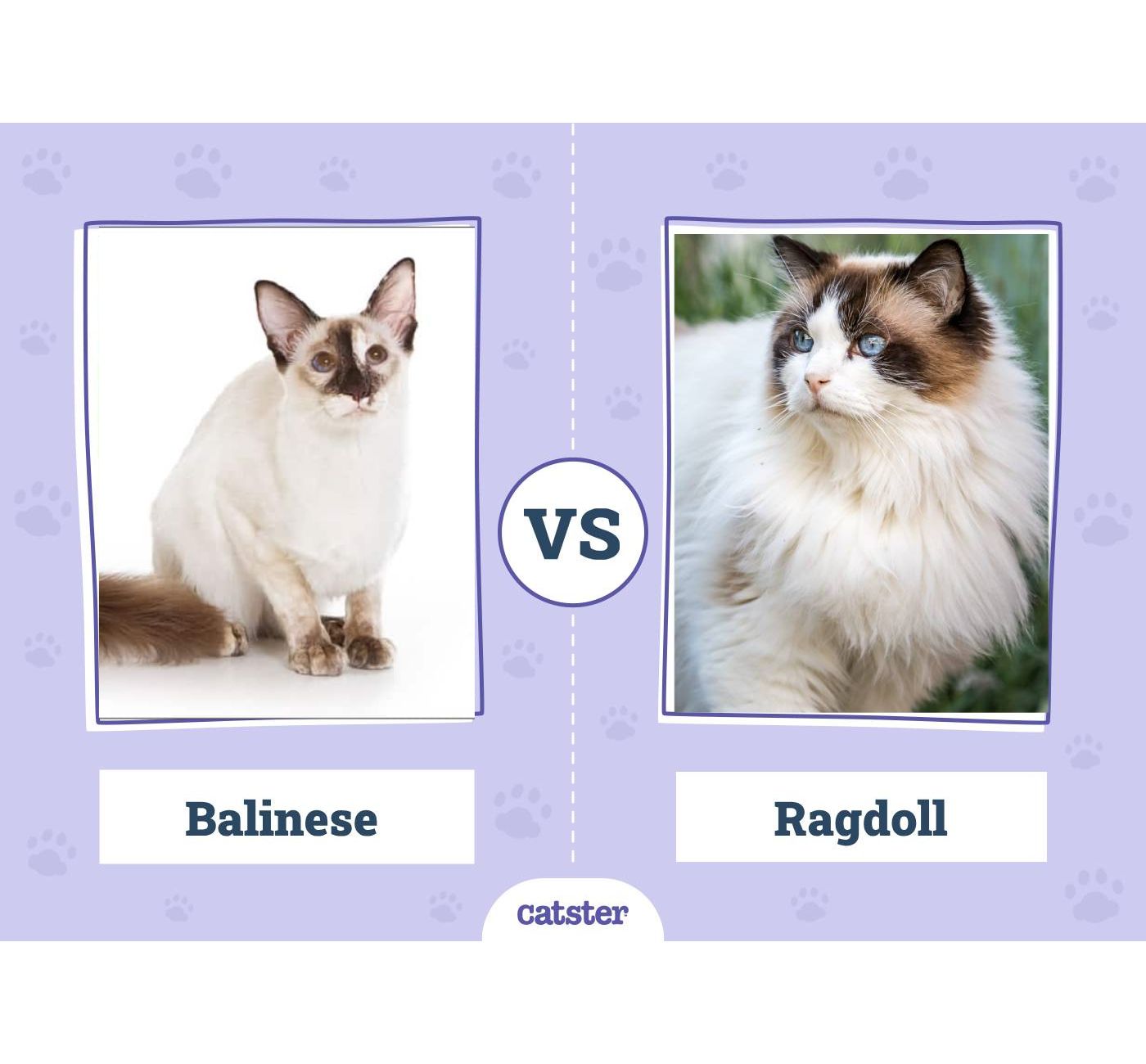
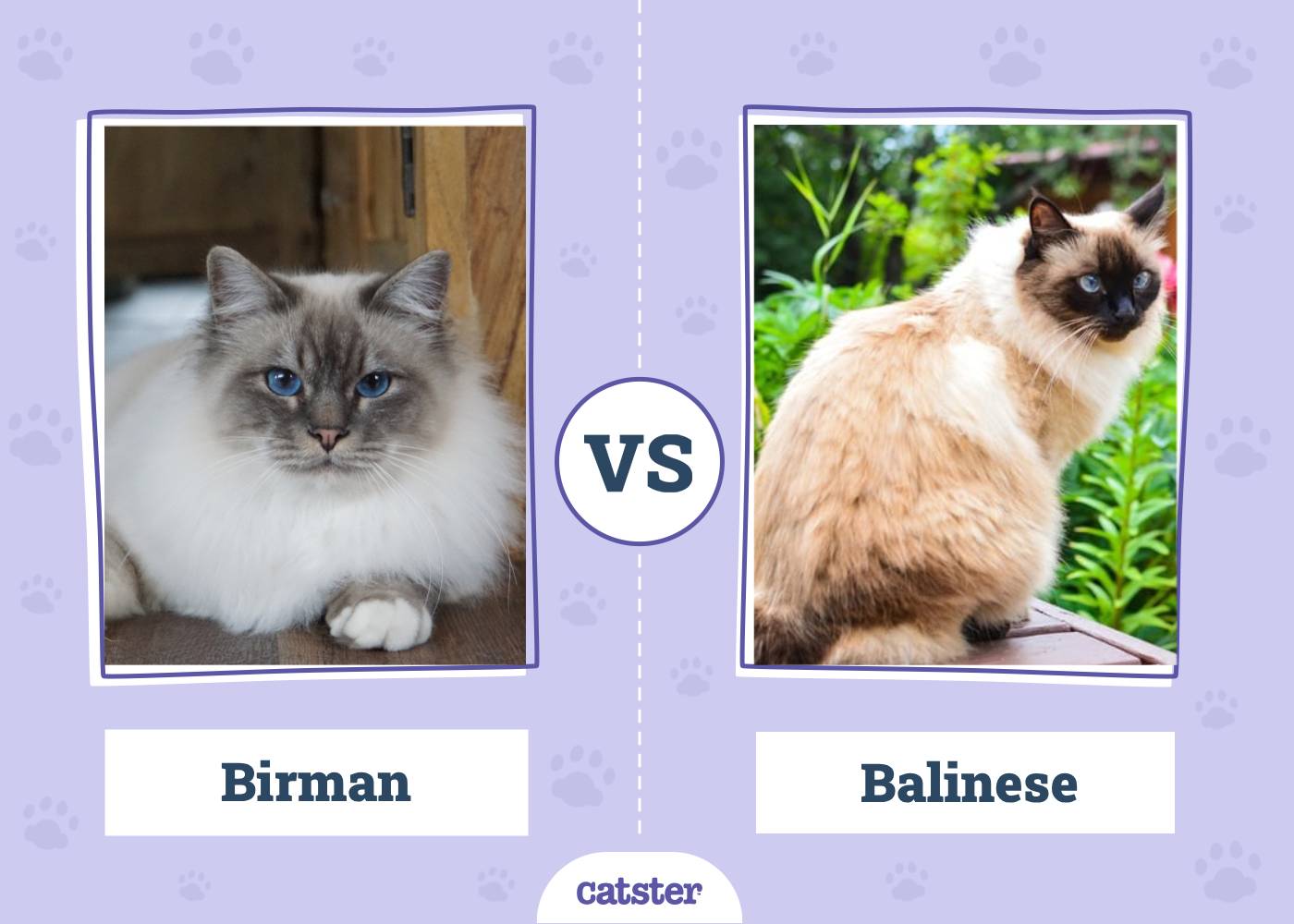
Birman and Balinese cats are similar in both appearance and personality. They’re both fantastic family-centric breeds known for their affectionate and curious nature. They do have some stark differences, however, that you need to take into consideration before choosing one to bring into your home.
Keep reading to learn the differences between these two long-haired cat breeds to find which will be the best pick for your family.

Visual Differences

At a Glance
Birman Cat Overview
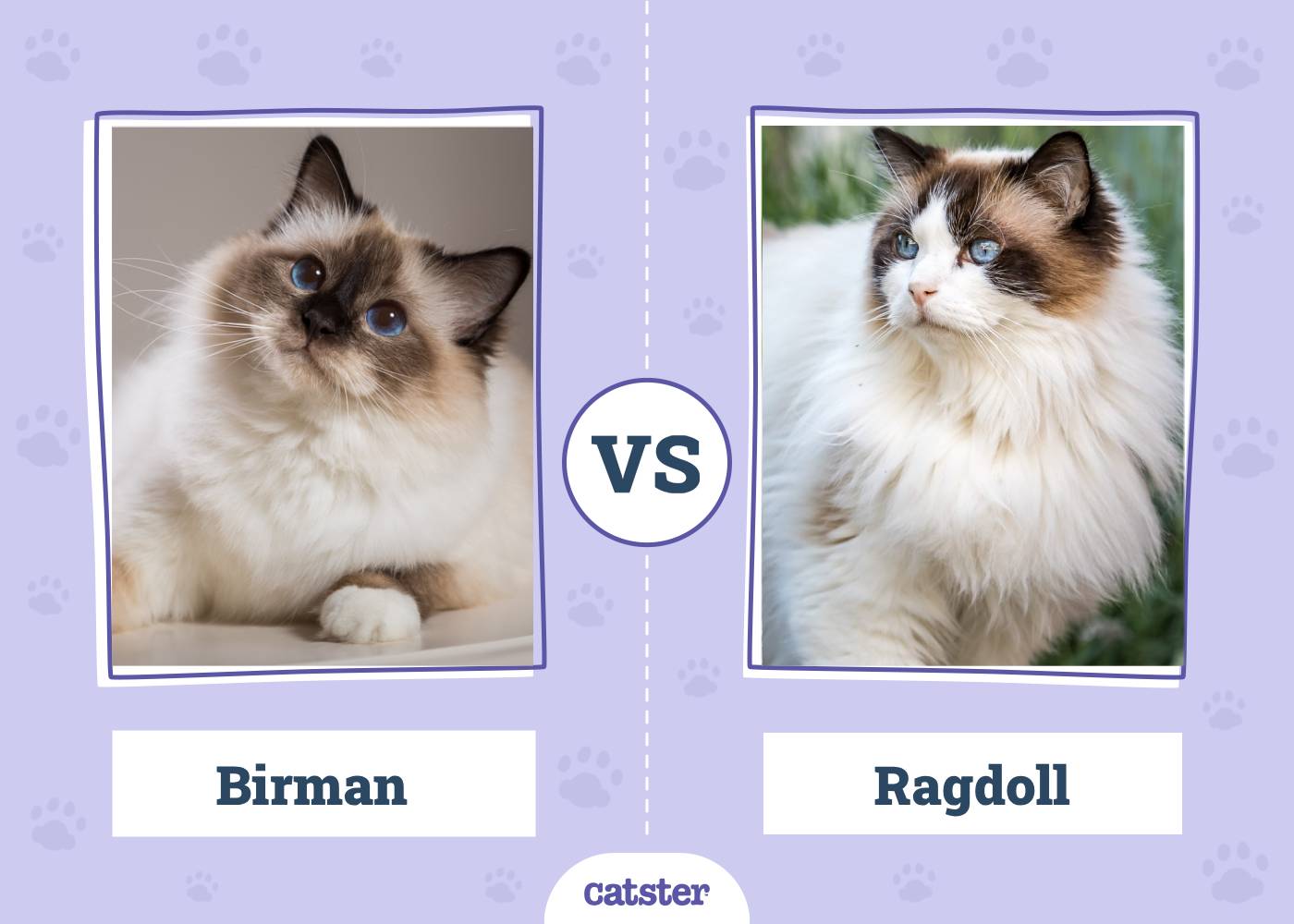
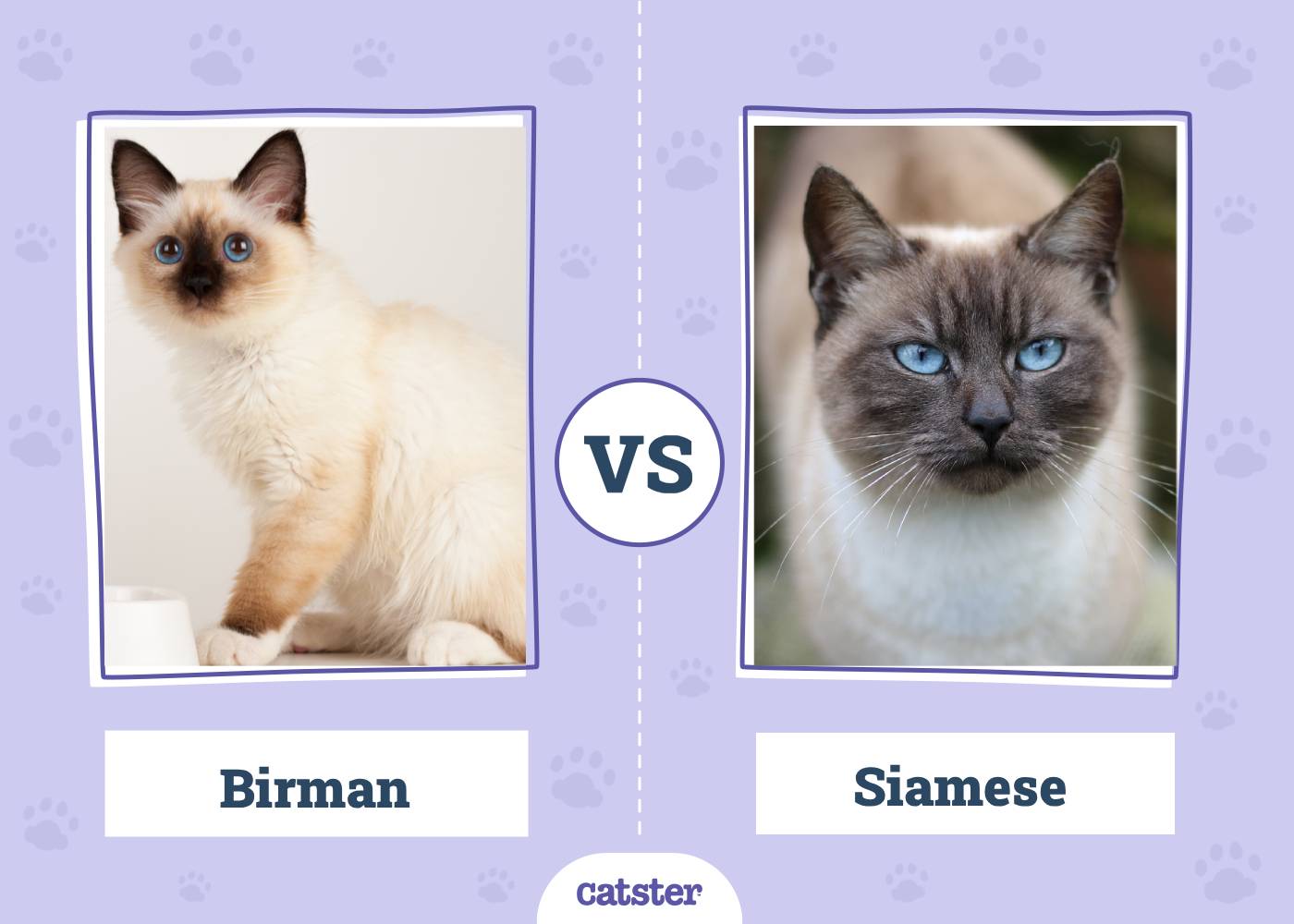
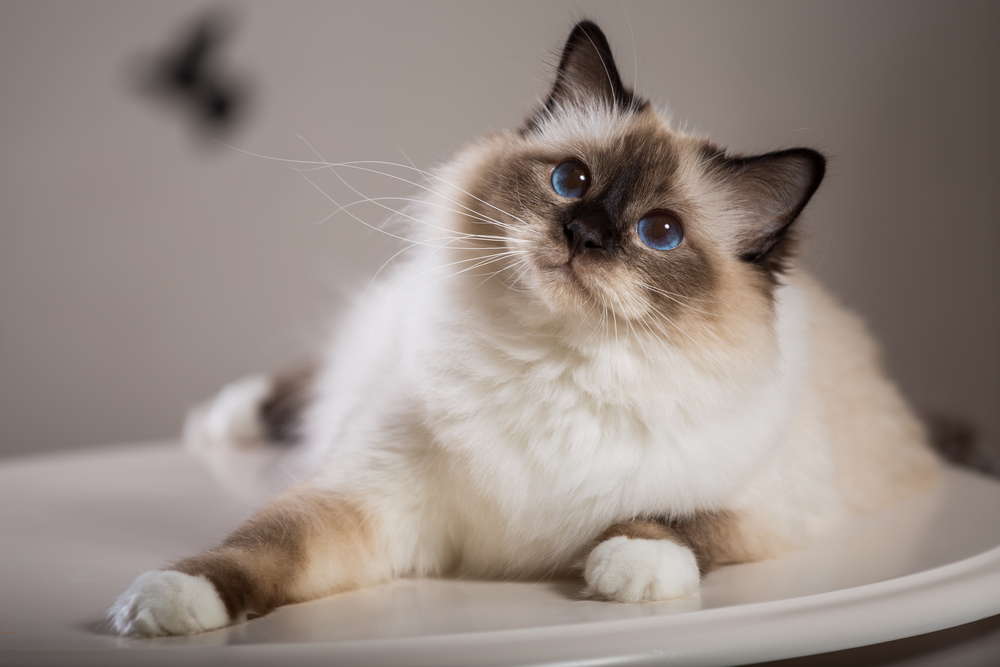
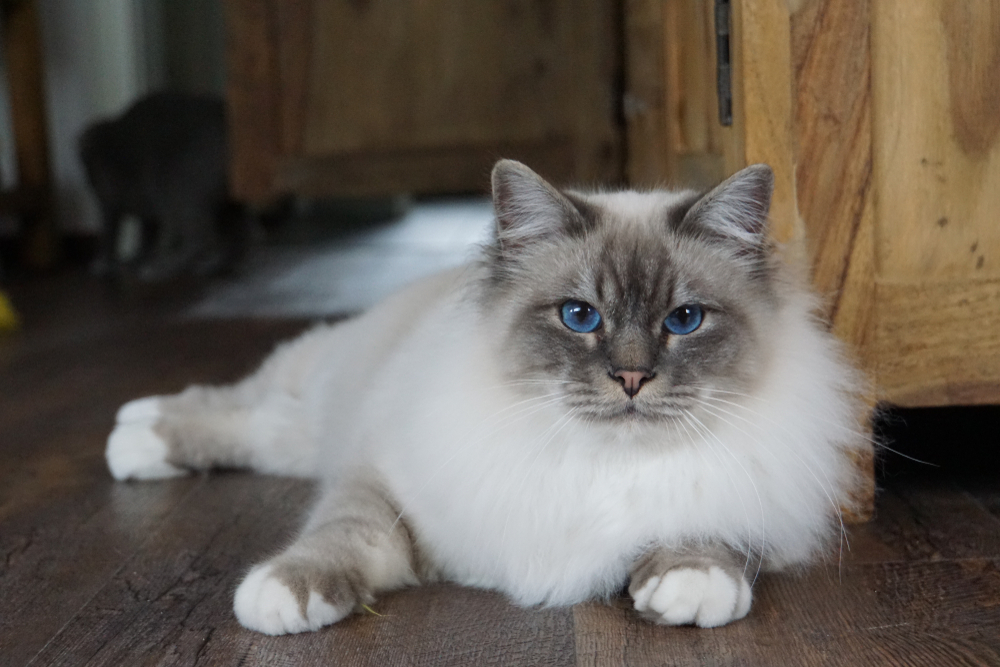
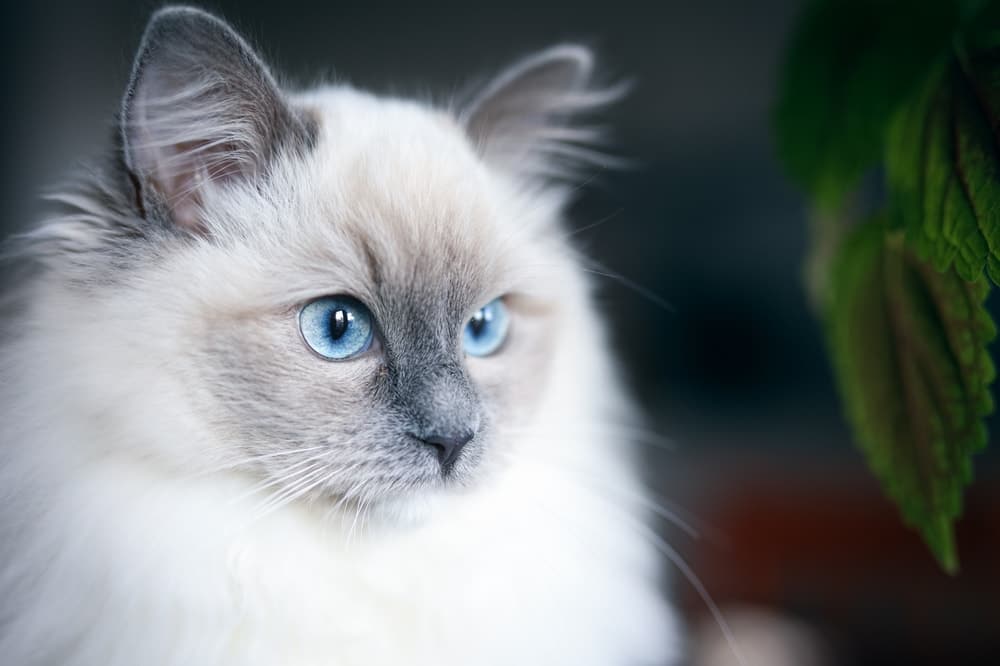
The Birman cat is an ancient breed that’s been idolized and prized for many generations. Once known as the “Sacred Cat of Burma,” this long-haired and color-pointed cat is easily recognizable by its silky and soft coat, striking blue eyes, and white-gloved paws.

History
Many people believe that the breed originated as companions of priests in Burma. The first historical records of the Birman cat date back to the 1920s in France. Some legends and anecdotes suggest that Birmans were first introduced in France as a prize for helping to defend temples, and others say the breed was smuggled out of the country by a Vanderbilt.
Regardless of how they wound up in France, the breed was almost eradicated during World War II. Orloff and Xenia de Kaabaa were believed to be the only two Birmans in Europe by the end of WWII, and the foundations of the breed in post-war France came from these two. As time went on, they needed to be heavily crossbred with other long-haired breeds, like Persians and Siamese, to restore the Birman breed. It was possible by the 1950s to begin producing purebred Birman litters again.
Temperament
The two best words to describe the character of Birmans are sweet and affectionate. They are social with nearly everyone in the family and often do very well in multi-pet households, provided they’re introduced properly. Most Birmans prefer to be a part of a household with other pets when properly socialised and introduced.
Adult Birmans aren’t as highly active as other breeds, so they’re unlikely to have a case of the Zoomies at three in the morning. Their laid-back attitude makes them perfect for families looking for a sweet kitty who prefers a cozy lap to late-night shenanigans. They are very social and adore attention from their favorite person. It’s not unusual to find them following you around the house just so they can be close to you at all times.

Appearance
Birmans are medium-sized cats with beautiful pointed coats. The telltale sign of a pointed coat is when the extremities are darker than the body. Like all cats with color point coats, Birmans are born all white and then develop their color as they mature. Their coats may not be fully developed until they’re around 18 to 24 months old.
Birmans feet always have white “gloves.” The accepted point colors one can expect to see in a Birman include seal, chocolate, blue, lilac, red, or cream. You can also find tabby and tortie variations in seal, blue, or lilac, and there are even more colors currently in development.
Though their coat is long, it’s simple to care for because there’s no undercoat. This leads to their silky fur rarely becoming tangled or matted.
Suitable For:
The Birman cat fits well into nearly every household. If you have small children or other pets, the Birmans' laid-back personality, when properly socialised and introduced, will jive well with your other housemates, but make sure all interactions, especially with children, are supervised. They’re a perfect breed for people on the lookout for a loyal and affectionate lap kitty.
Balinese Cat Overview
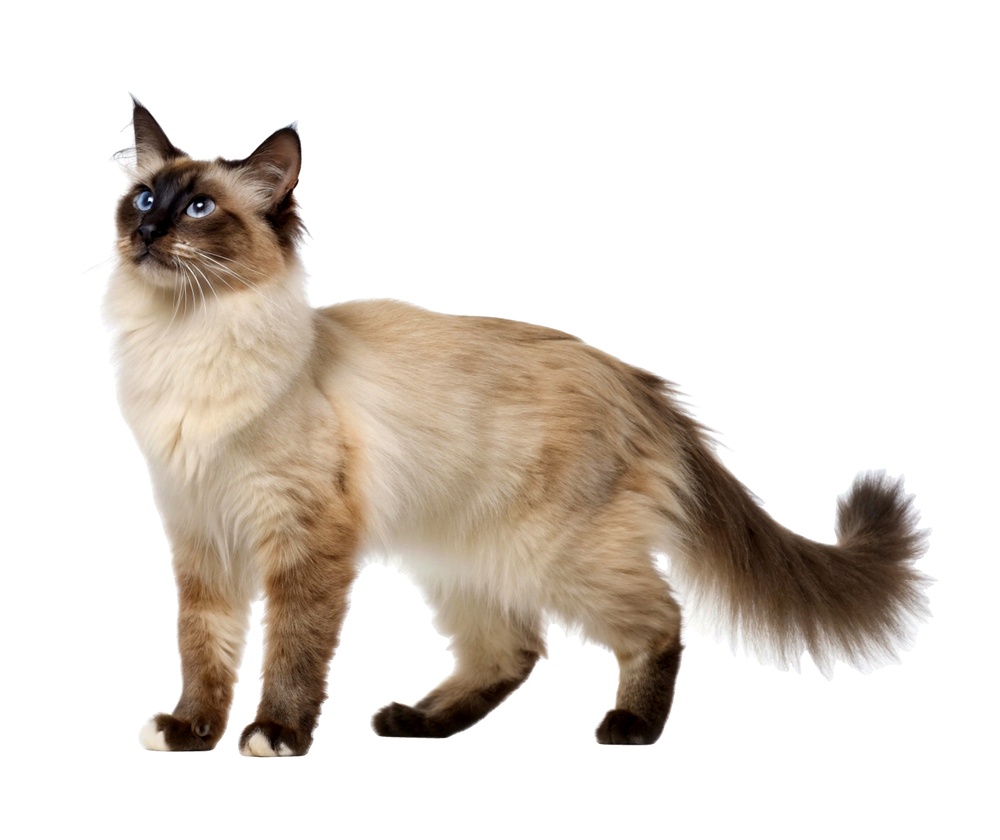
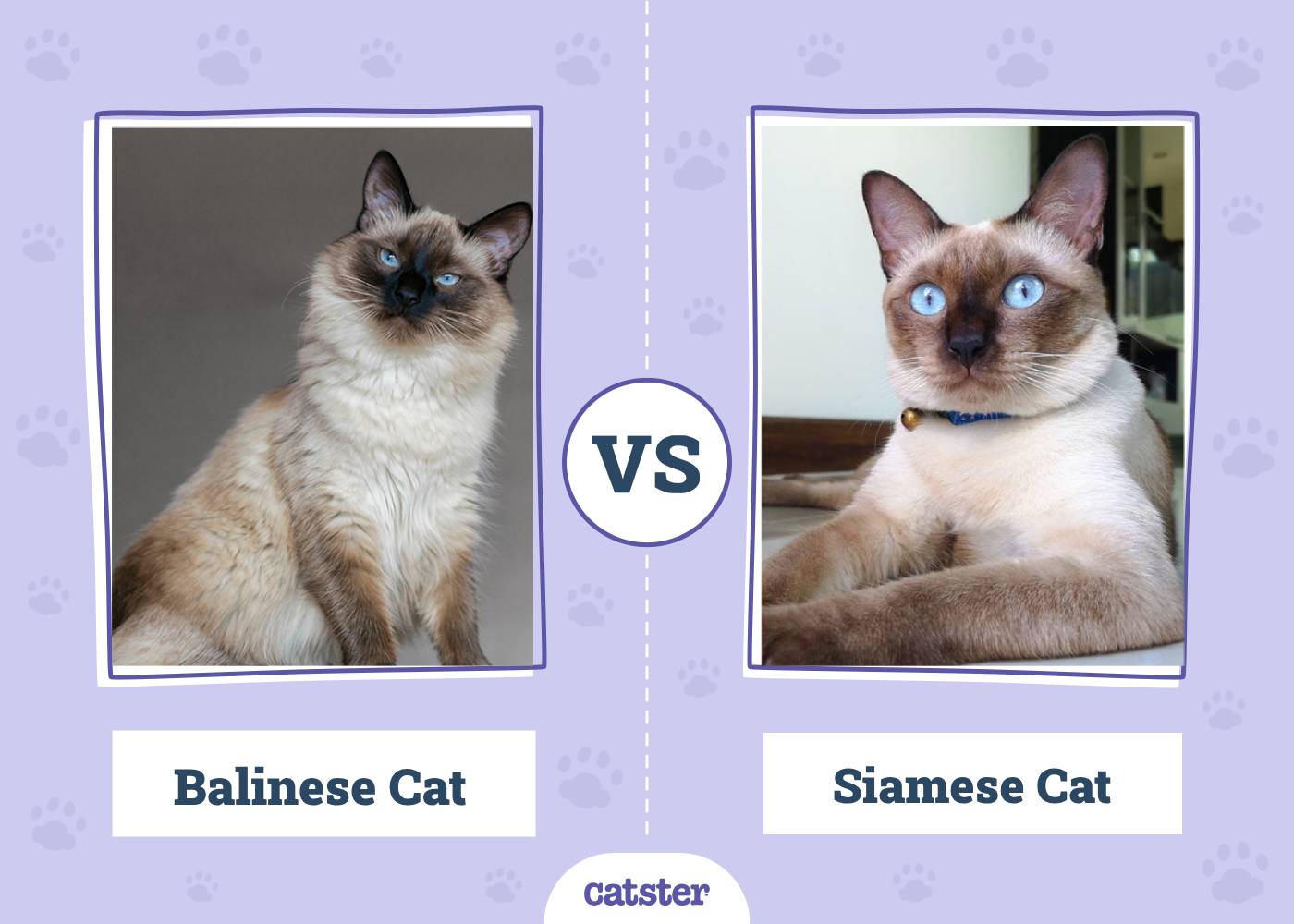
The Balinese breed combines everything that people love about Siamese cats, but with a soft and luxurious long coat. Think of a Balinese as a fluffier Siamese. In fact, its silky and long coat is the reason that the breed exists in the first place, while trying to keep the Siamese personality.

History
Long-haired Siamese kittens began appearing randomly in short-haired Siamese litters in the early 1900s. Initially, these long-haired anomalies were considered to be a fault in the bloodline, but by the 1940s, American breeders started making an effort to develop the long-haired variant as a separate breed from the Siamese.
Some people still consider the Balinese to be just a long-haired variety of a Siamese, but the Cat Fanciers Federation recognized it as a separate breed in 1961.
Temperament
Balinese cats tend to be very vocal, active, and intelligent. They love to play, and their infinite curiosity means they need plenty of enrichment through toys and scratching posts. They love to climb up as high as they can, so providing them with high perches to scale will save your home furnishings from destruction. Their cleverness makes them rather easy to train. The positive reinforcement method is a great way to start training your Balinese to do tricks.
These cats love having company. They don’t like to be left to their own devices for too long, as this can lead to stress, anxiety, and potentially destructive behaviors. Balinese cats can thrive in homes with children and other pets, provided that proper introduction protocols are followed. They can be rather demanding of their attention and friendship and are fiercely loyal.
Balinese cats are very athletic and agile. They’re often found hitching a ride on the shoulders of any willing family member.

Appearance
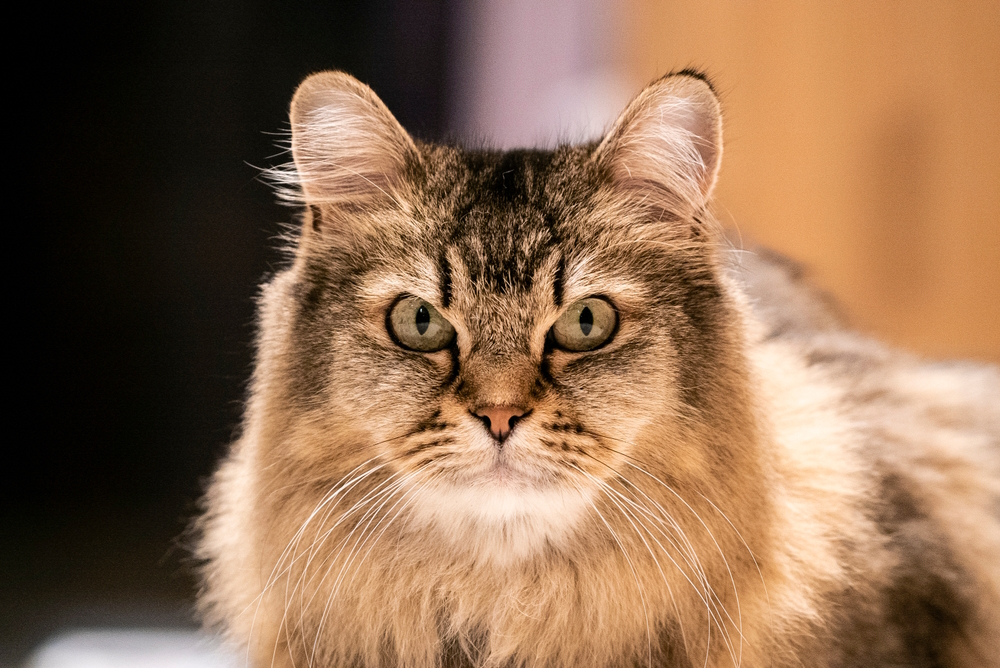
Balinese cats have a medium-length silky coat. They do shed with the seasons, but their coat doesn’t call for much maintenance from you. The absence of an undercoat means their fur won’t get tangled.
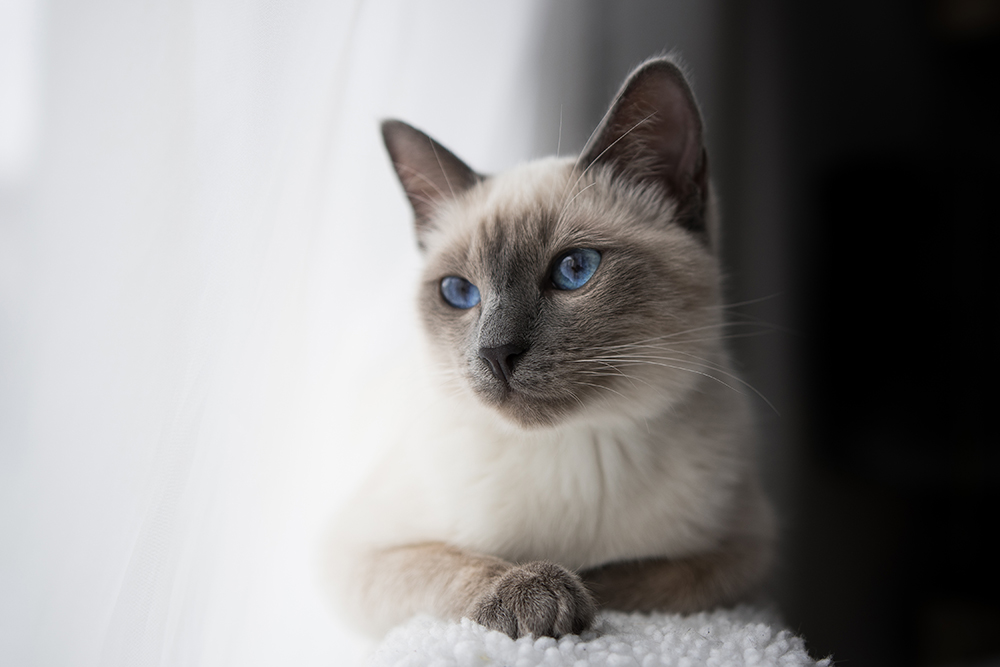
Their tails should have a plume or fringe of longer hair. The Balinese eyes can range from a pale blue color to sapphire and deep blue, and the intensity of the color can change throughout their lifespan.
Kittens are born pure white and will develop visible color points as they age. You can often identify the color point in kittens by looking at their paw pad (toe bean) color, although this is not always reliable. Kittens with pink pads will often have chocolate or lilac points, while those with darker pads will have blue and seal points. These colored points will show in the colder parts of their body, such as their face, paws, ears, and tail.
The colors are usually identifiable by the time the Balinese kitten is 4 weeks old. Their coloring can change depending on the region where you’re raising your kitten. Adult Balinese cats that live in warmer climates tend to have lighter-colored coats than those that live in cooler areas.
Suitable For:
Balinese cats are perfect for households with a lot of time to devote to their pets. They don’t like to be alone and may become unhappy and distressed if left without companionship for some time. They need a home with plenty of vertical space to explore and family members to interact with them.
Which Breed Is Right for You?

There are some definite similarities between the Birman and Balinese cat breeds. They’re both affectionate and loyal. They can get along great with children and other pets when supervised, properly socialised, and introduced. They often have similar coloring, too, with Birmans having the distinctive white “gloves.
Balinese cats can live longer than their Birman counterparts, with some reaching age 20. They also tend to be more active, so you’ll need to provide plenty of toys and enrichment activities to keep them happy.
Birmans can be needier and are absolute lap cats. They don’t tend to get into as much trouble as Balinese cats and often don’t bother trying to scale your countertops or get onto the highest perch in your home. However, Balinese can also be very attention-seeking in a more energetic and vocal way.
Both Balinese and Birman cats are lovely additions to any cat lover’s household. The decision might ultimately come down to how active you prefer your cats to be. If you’re looking for an attention-seeking athletic kitty, the Balinese will keep you on your toes. If you prefer a quieter and more snuggly kitty, you can’t go wrong with a Birman.
See Also:
Featured Image Credit: Left - Daydream Photographie, Shutterstock | Right - Fazlyeva Kamilla, Shutterstock

Expert cat care, straight to your inbox
Vet-reviewed advice, behavior tips, and the best of Catster. Free, and you can unsubscribe anytime.
By signing up, you agree to our Terms & Conditions and Privacy & Cookies Policy.
For Chantelle, writing and animals are the two driving forces in her life. Growing up on the Canadian prairies surrounded by pets, she now shares her home with five cats, two guinea pigs, and a bearded dragon. Chantelle, her husband, and their child pride themselves on being dedicated pet parent, even spending a fortune on wall-mounted cat shelves to provide their cats with an indoor jungle gym. When she's not snuggling with her cats or photographing their humorous moments, Chantelle is exploring the Rocky Mountains, rewatching her favorite Netflix series, and reading up on various random subjects.
Join the conversation
Ask a question, share your story, or send private feedback.