Balinese Cat vs. Ragdoll Cat: Key Differences (With Pictures)


In this article
Balinese and Ragdoll cats look similar, but they are entirely different cat breeds. It can be tough to tell them apart without learning about the physical differences between the two, especially at first glance. We compiled this handy guide to help you understand the differences between Balinese cats and Ragdoll cats. Hopefully, you will get a clear idea of how the two breeds differ and which cat you think would make the best pet for you!

Visual Differences
At a Glance

Balinese Cat Overview

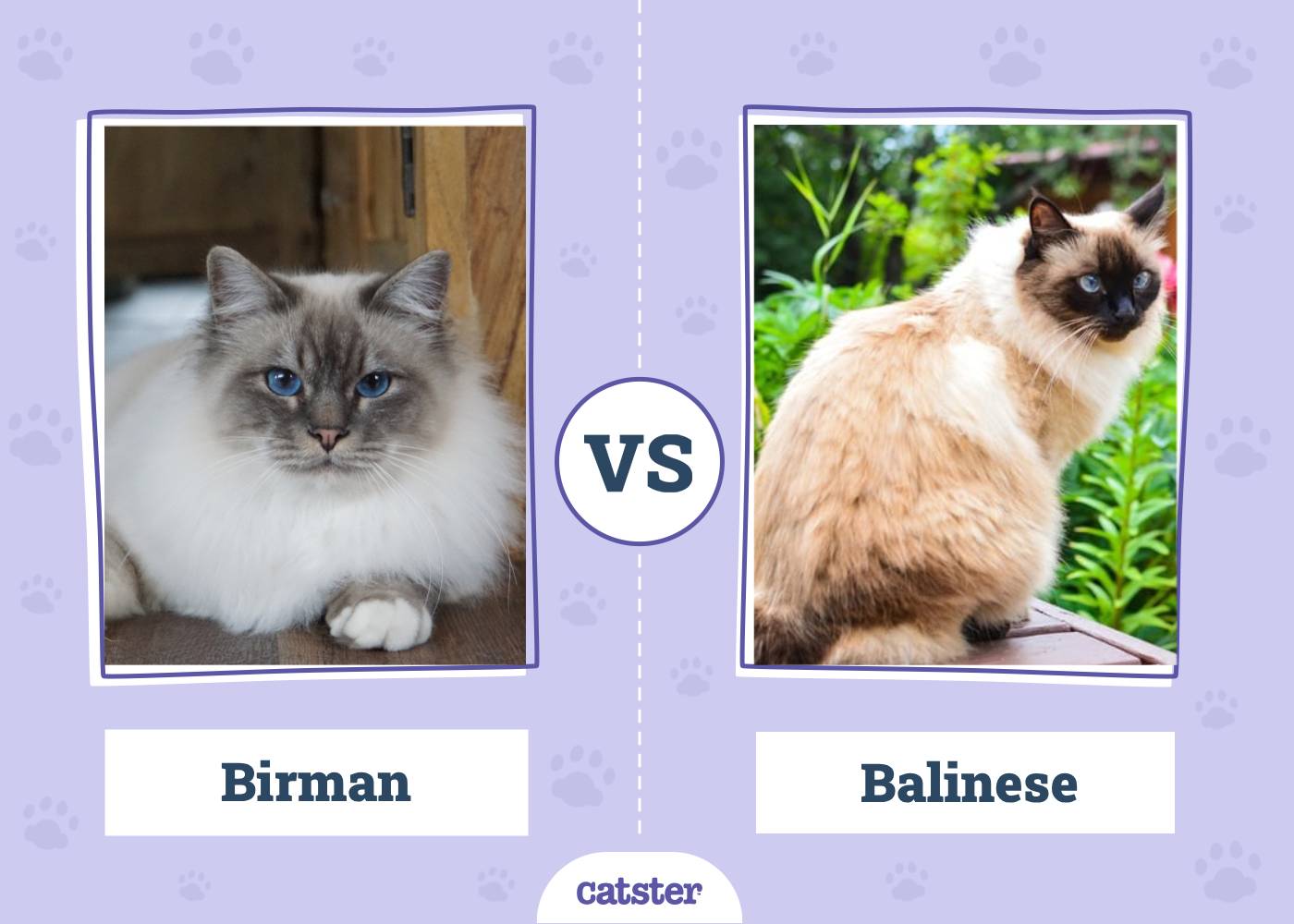
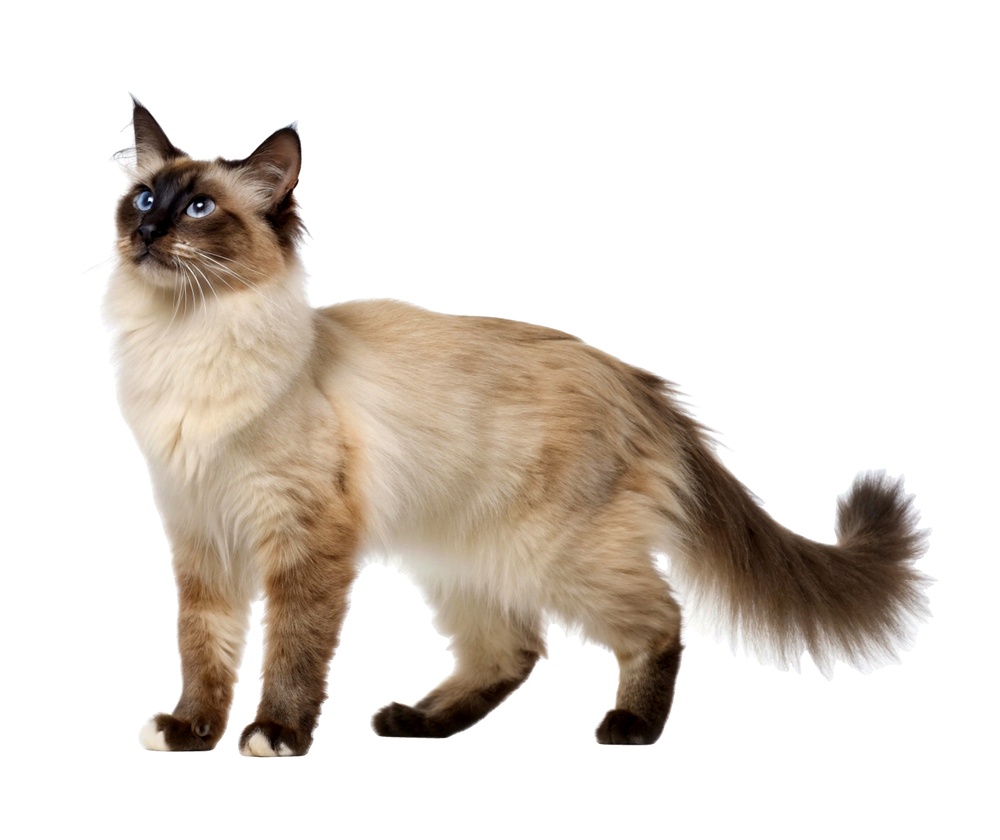
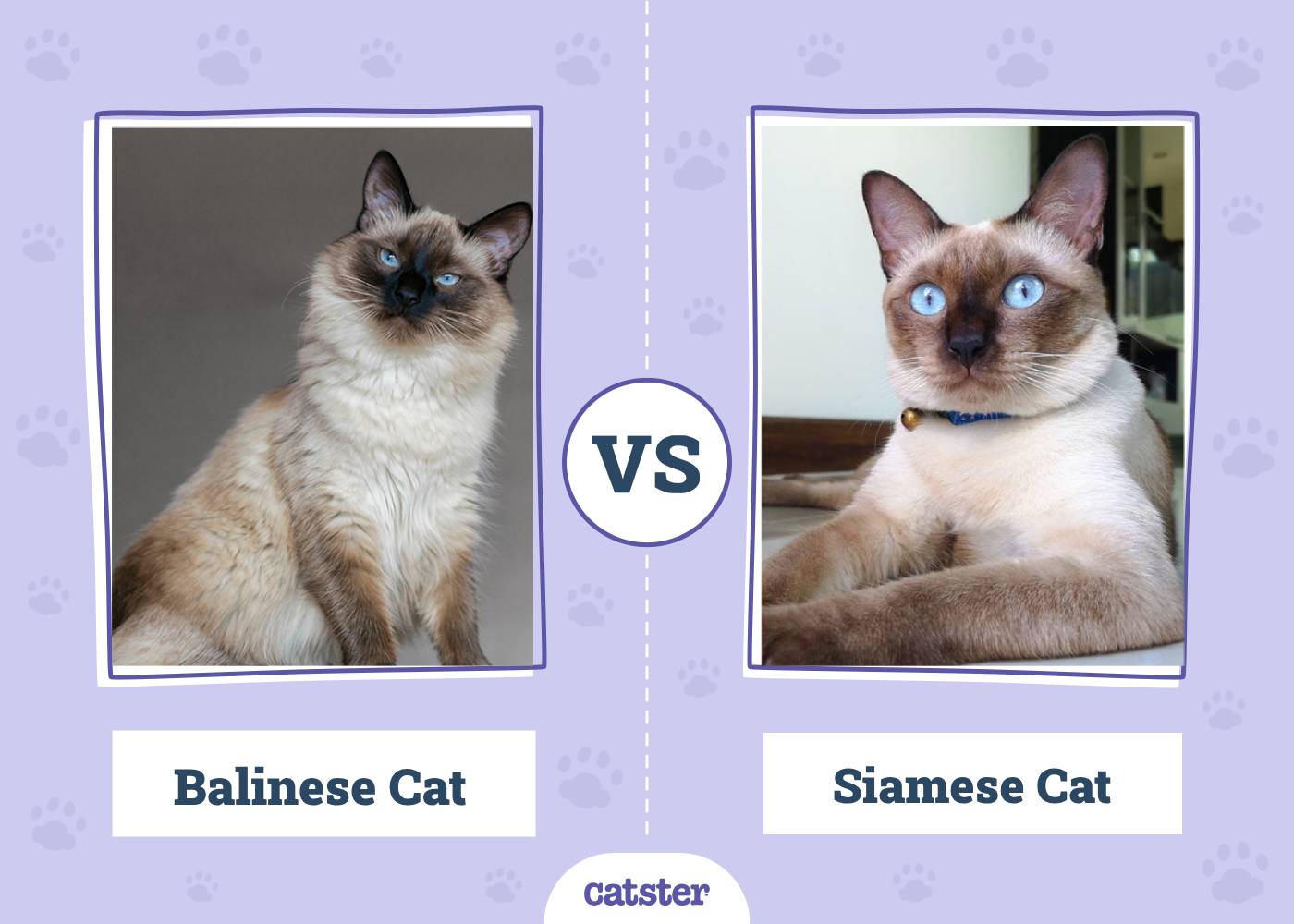
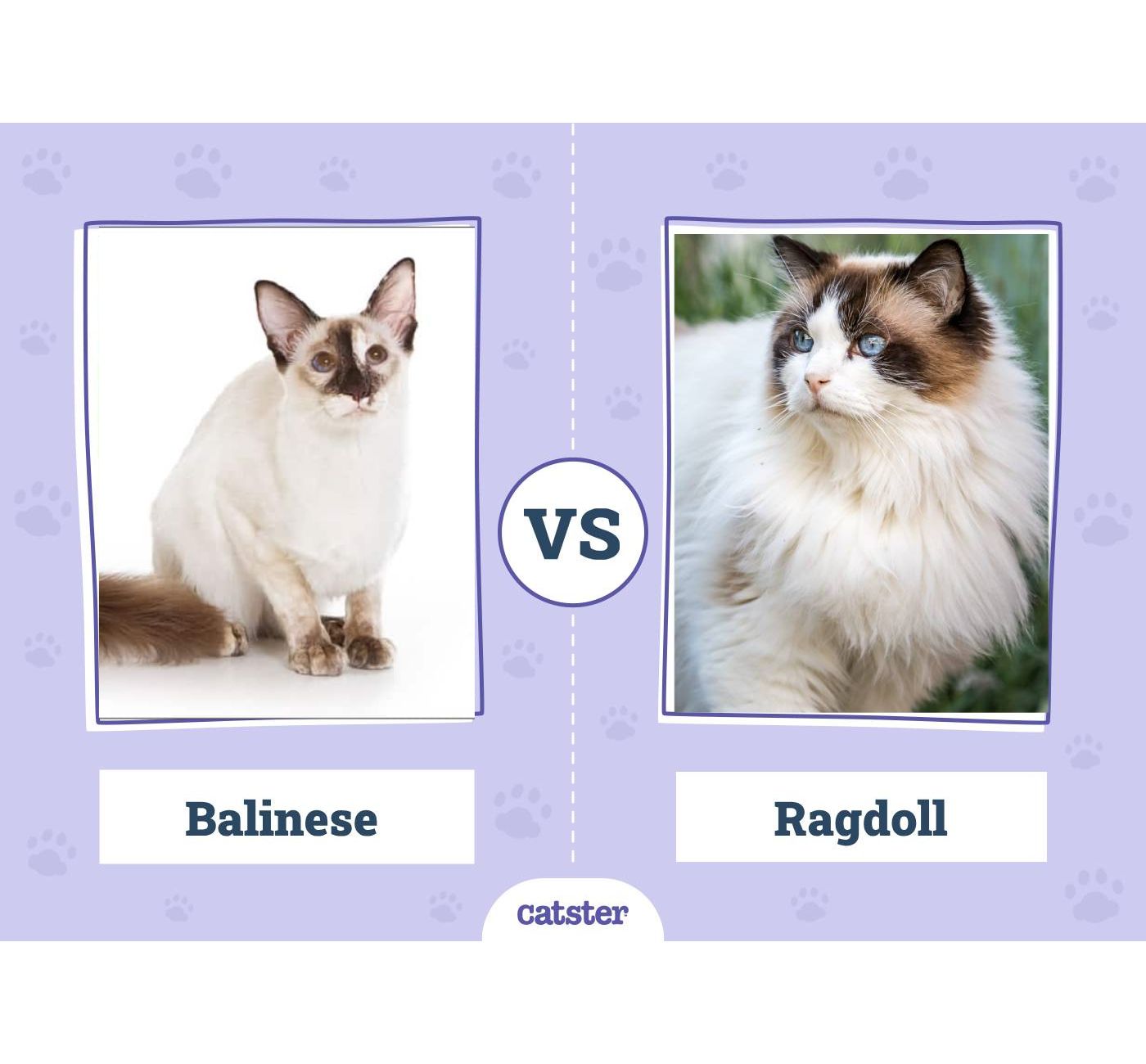
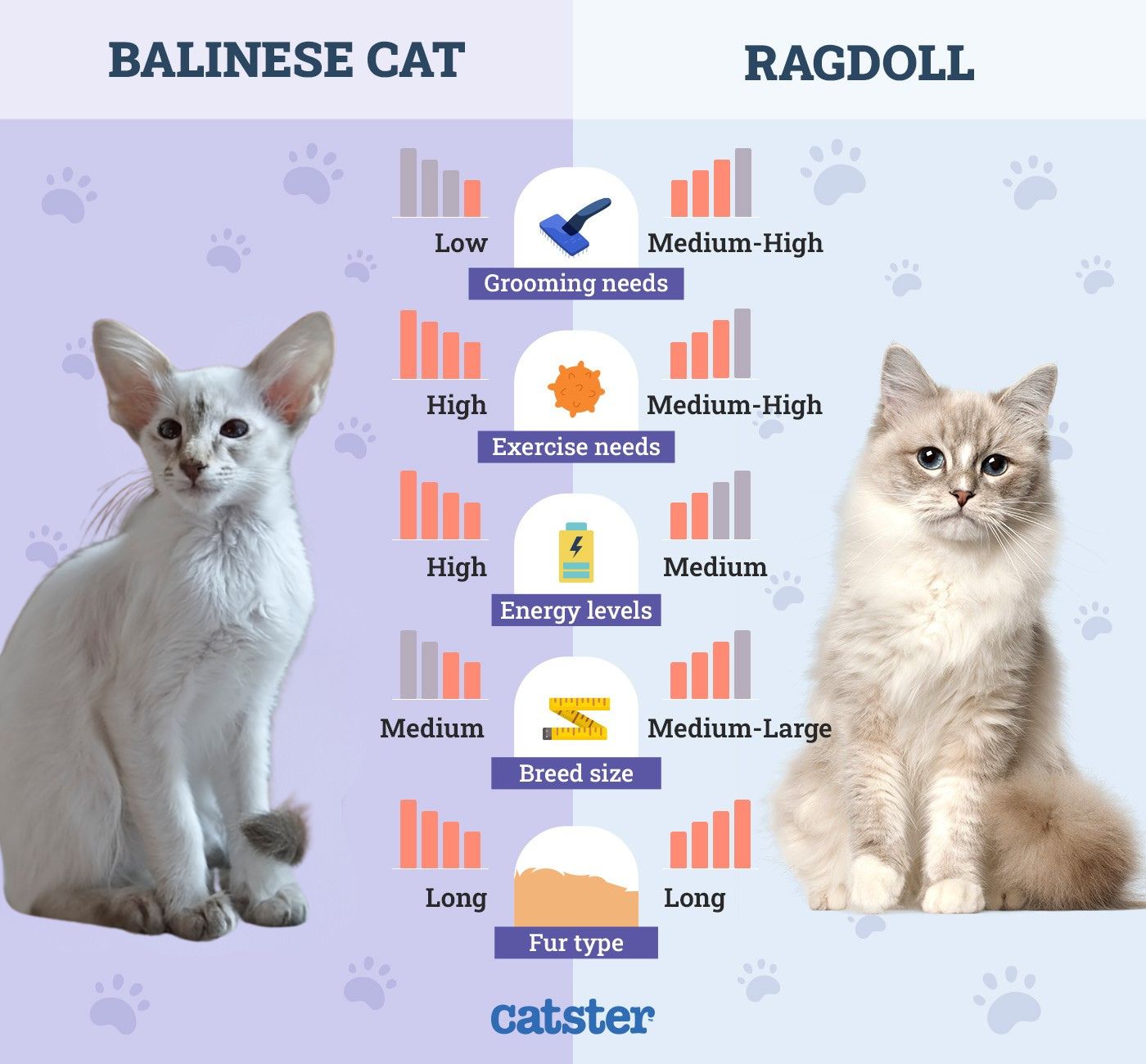
The Balinese cat is a long-haired variety of the Siamese breed, weighing typically 5–11 pounds when fully grown. They have long, cream-colored coats with color points on their tails, legs, face, and ears. The points are usually black, gray, or brown, but they can be a variety of colors, including orange, cream, and tortie.
Their bodies are slender and fine-boned, but their fluffy fur makes them look bigger than they are. Their eyes are usually bright blue and almond-shaped, and their ears are large and pointy. They have straight profiles and fluffy tails.
Personality / Character
The Balinese is friendly, curious, and playful. They enjoy spending time with other cats and human family members and prefer to spend as little time as possible alone. Balinese cats are vocal and will take any opportunity to communicate with their household members, even at night.
The active kitties require access to toys and things like scratching posts to keep them busy throughout the day. Their curiosity can get them into trouble occasionally, but they are generally well-behaved.
Balinese cats can get along well with other animals, especially the cats and dogs that live with them. They are bright and can be trained to do basic things like come when called, but their stubborn streak can make training time-consuming and frustrating.
Health & Care
Balinese cats are considered a healthy breed overall, but there are a few hereditary health conditions to which they are predisposed. One of the most notable problems to watch out for is progressive retinal atrophy, a disease in which the cat’s eyes deteriorate over time. Eventually, they may go blind. Other hereditary health problems to be aware of include:
- Liver amyloidosis
- Asthma
- Bronchial disease
- Hypertrophic cardiomyopathy (HCM)
- Eye issues (Strabismus and nystagmus)
Balinese cats are generally healthy; however, the chance of them developing these illnesses and diseases is low. Regular veterinary checkups can help catch health problems early so they can be addressed before they become too serious to treat.

Suitable for:
Balinese cats are social and interactive, making them great pets for families of all shapes and sizes. They also get along well in single adult and senior households, where other cats and well-behaved dogs live. These cats are fine in apartment and house settings if they have plenty of room to run and play. They need vertical space, playtime, and human companionship.
Ragdoll Cat Overview
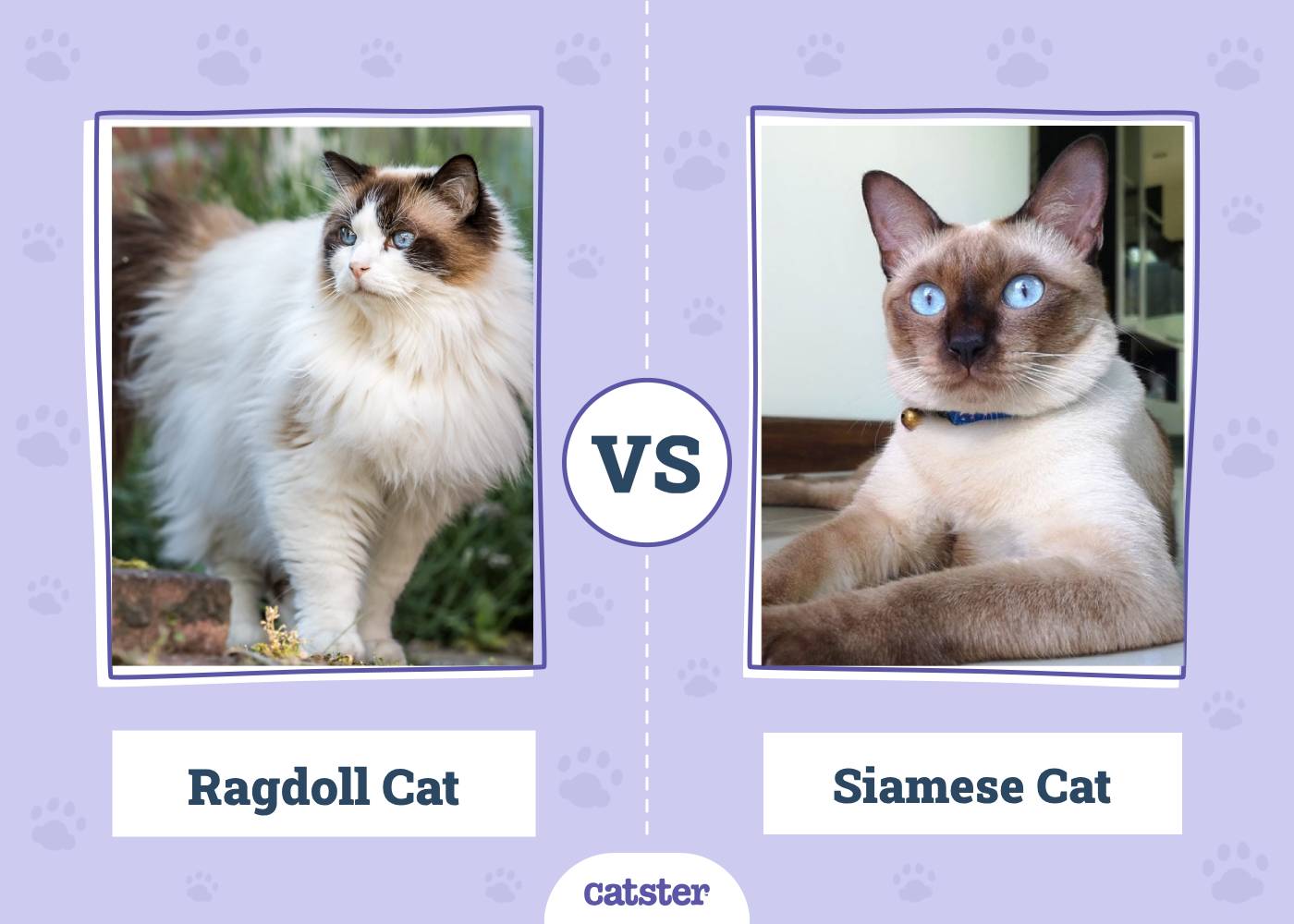
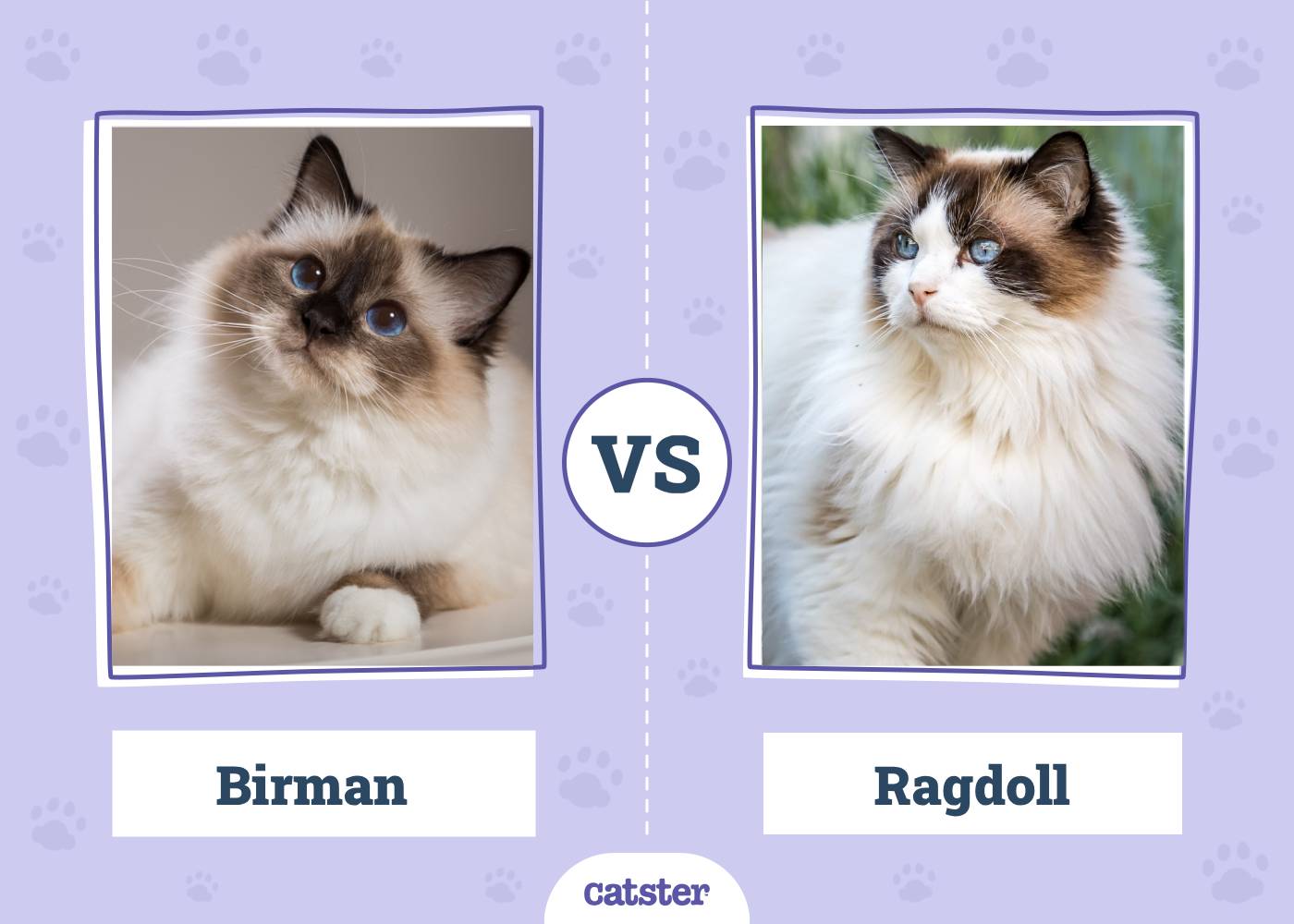
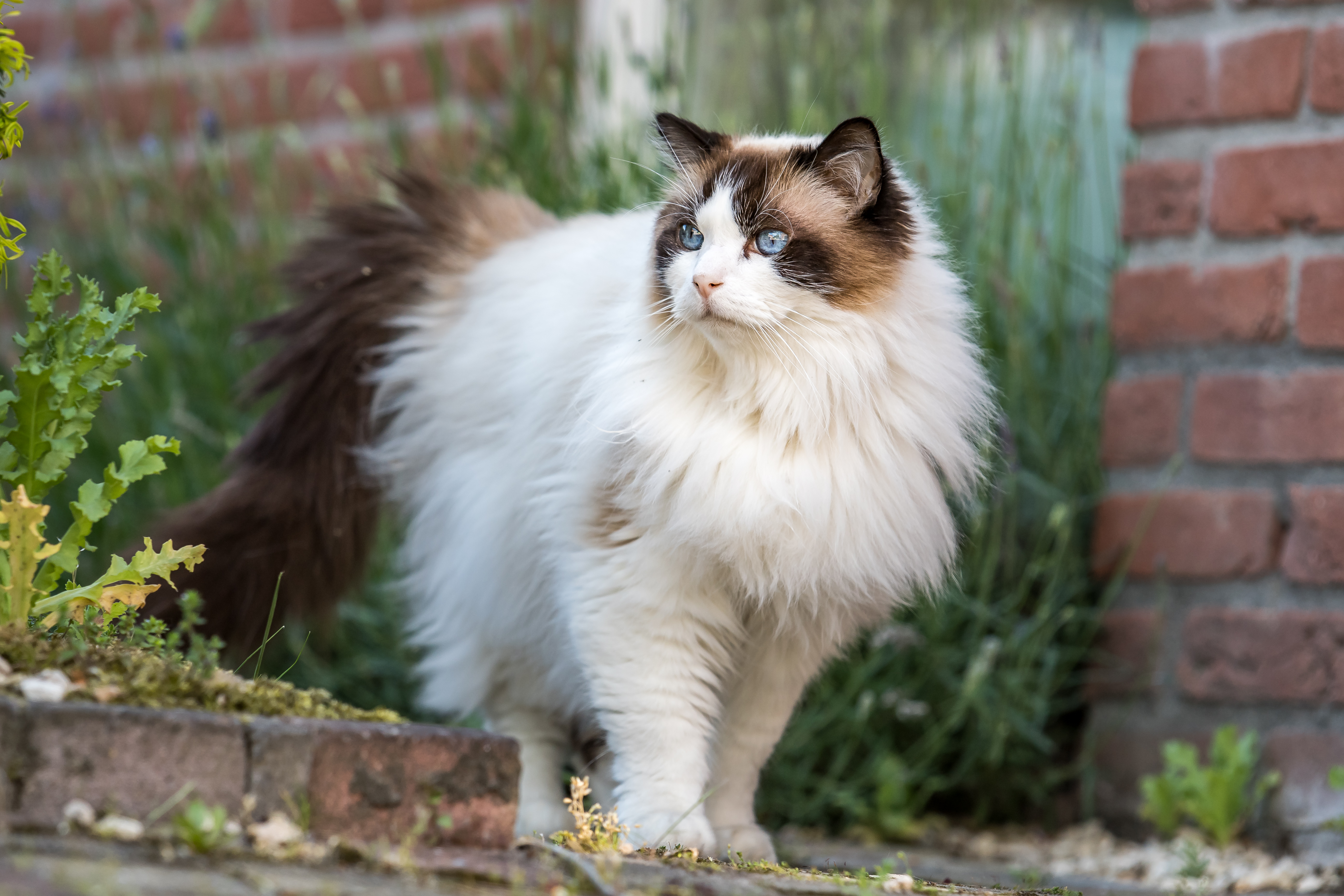
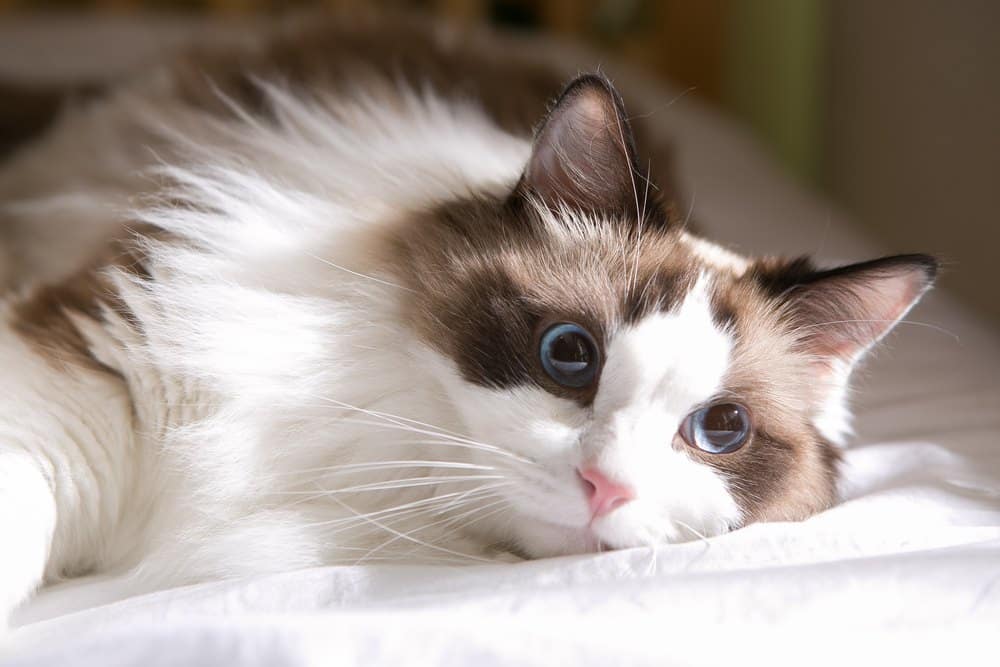
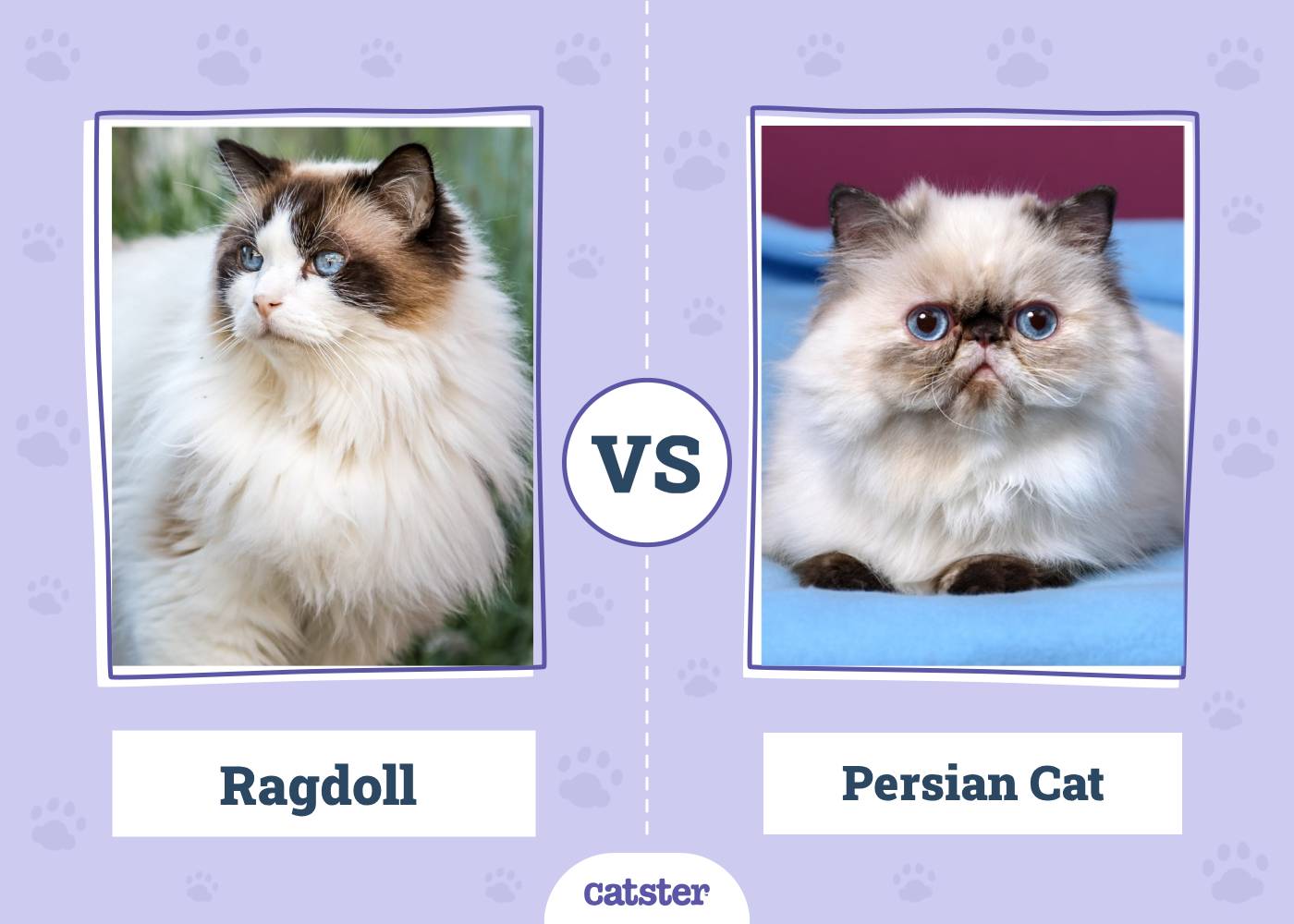
Ragdolls are typically larger than Balinese cats and weigh up to 15-20 pounds as adults. They are super fluffy and have semi-long fur with pointed patterns, like Siamese and Balinese cats, but their body type is heavier and more muscular. They have white or cream bodies and dark-colored tails, eyes, and ears, and may show various patterns, including colorpoint, mitted, and bicolor.
They are known for their light yet vibrant blue eyes and scruffy-looking chests. Ragdoll cats have medium ears with rounded tips, broad heads, small noses, and inquisitive facial features. Their legs are short and stout, and their bodies are muscular, rectangular in shape. The Ragdoll’s tail is fluffier and shorter than that of the Balinese.

Personality / Character
Ragdoll cats are gentle and docile by nature. They were named Ragdolls because they go limp whenever they are picked up. They will happily sit in a family member’s lap all day long if allowed to. It seems that their main goal in life is to cuddle and be fawned over. The Ragdoll is a smart breed that likes to play and has a curious side, but they are not known for being active during the day.
Unlike Balinese cats, Ragdolls are typically quiet creatures, so they are rarely heard verbally communicating around the house. They are not adventurous cats, so they don’t do much climbing or jumping. They prefer to stick close to the ground whenever possible.
Health & Care
The Ragdoll is relatively healthy overall, but there are a few health issues that they can develop as they age. Hypertrophic cardiomyopathy (HCM) is the most significant hereditary concern and can be detected with genetic testing. Obesity is one of the biggest problems that these cats face because they are not that active and are prone to overeating if they have access to more food than is necessary. Other health problems that this breed may develop include:
- Hypertrophic cardiomyopathy
- Polycystic kidney disease (PKD)
- Urinary tract infections and disease
- Hairballs
If caught early, most health conditions can be managed to ensure a long and happy life. Regular veterinary care, a healthy diet, and a safe household are all essential aspects of keeping a Ragdoll cat healthy.

Suitable for:
Ragdoll cats are most suitable for adult and family households that do not include young children. They are not interested in active play with kids and prefer quiet settings. However, they're friendly to older kids and other lazy cats. Ragdolls can live in households with other pets, but rambunctious dogs may cause too much stress.
Which Breed Is Right for You?
Now that you know more about Balinese and Ragdoll cats, you can confidently decide which breed is right for you. If you are looking for an active cat that likes to play, the Balinese is an excellent choice. If you’re more into low-key and gentle cats, the Ragdoll is worth considering. Both felines are fluffy and beautiful, and either can quickly become your best friend.
Featured Image Credit: Left - Fazlyeva Kamilla, Shutterstock | Right - Serita Vossen, Shutterstock

Expert cat care, straight to your inbox
Vet-reviewed advice, behavior tips, and the best of Catster. Free, and you can unsubscribe anytime.
By signing up, you agree to our Terms & Conditions and Privacy & Cookies Policy.
Rachel Giordano is a Pensacola, Florida-based musician and writer. She lives with her partner and their two dogs, Sophie, a Boston Terrier, and Aero, a Border Collie/Sheltie mix. Rachel holds a Bachelor of Arts degree in communication and loves writing about all types of cat breeds. When she’s not writing about cats, she loves to write suspense/thriller novels. A musician by night and writer by day, she enjoys sharing her knowledge of the needs and requirements of our furry friends.
Join the conversation
Ask a question, share your story, or send private feedback.