Get

In Your Inbox

Catster is reader-supported. When you buy via links on our site, we may earn an affiliate commission at no cost to you. Learn more.

Will a Cat Recover From a Stroke? (Vet Answer)


Share

Many people know of someone who has had a stroke. The signs and symptoms of a stroke are generally well-known, as is the need for immediate action if a stroke is suspected.

But what about strokes affecting our feline companions? Do they occur under similar circumstances, and with comparable signs to humans? What do you need to do if you suspect your cat has had a stroke? Will they be able to recover? Unfortunately, the prognostic data for felines following a stroke is limited. However, affected cats can recover from this serious condition.

The following article will discuss strokes in felines—including the signs, causes, treatment, and prognosis for this condition—ensuring that you have the most relevant information regarding this important topic.

divider cat paws oct 2024

What Is a Stroke?

A stroke, also known as a cerebrovascular accident (CVA), occurs when an area of the brain suffers a sudden disruption in blood flow leading to neurologic signs. CVAs are the most common presentation of cerebrovascular disease (CVD), a term that encompasses various conditions which affect blood flow through the brain.

CVAs are typically classified into two categories: ischemic strokes and hemorrhagic strokes. Ischemic strokes occur secondary to blockage of a blood vessel in the brain, which results in affected brain tissue being deprived of oxygen and glucose. Hemorrhagic strokes occur as a result of a ruptured cerebral blood vessel, which leads to bleeding into or around the brain.

Stroke Signs in Cats

To be classified as a stroke, signs in affected animals must be noted for greater than 24 hours. Signs of stroke in felines may vary depending on the size, location, and severity of the CVA, and often include the following:

  • Change in mental status
  • Seizures
  • Head tilt
  • Circling to one side
  • Abnormal eye movement
  • Asymmetrical appearance of the eyes
  • Weakness
  • Unsteady gait
  • Abnormal posture

In cases of stroke, signs typically appear abruptly and may progress for up to 72 hours before plateauing, and then slowly beginning to improve. Hemorrhagic strokes, however, may progress more rapidly than ischemic strokes and tend to be more severe, as they typically involve larger areas of the brain.

While the above signs may be associated with a stroke, it is important to note that they may also be seen with other conditions as well, such as vestibular disease. Your veterinarian will be best able to assess and make recommendations regarding any concerning signs and what they may indicate for your cat.

What Causes a Stroke in Cats?

Underlying health issues may increase your cat’s risk of having a stroke. This elevated risk often occurs secondary to conditions resulting in either high blood pressure or an increased risk of blood clot formation.

The conditions that have been associated with an elevated risk of cerebrovascular disease in felines include:

  • Cancer
  • Heart disease
  • Cuterebra larval migrans
  • Heartworm disease
  • Chronic kidney disease
  • Hyperthyroidism
  • Hyperaldosteronism

In addition to the abovementioned medical conditions, trauma (such as being hit by a car) may also lead to a CVA in affected felines.

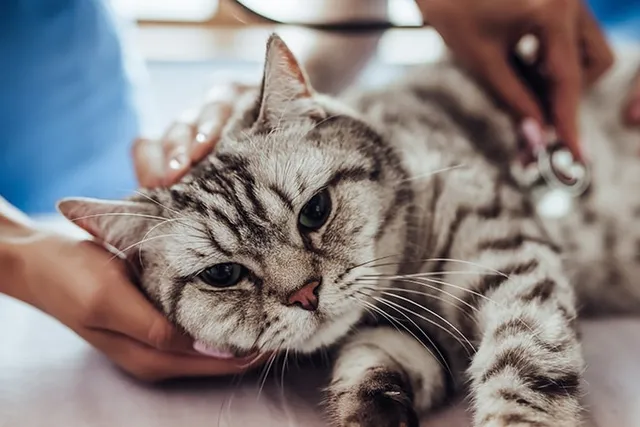
Sick cat in animal hospital
Image Credit: Kachalkina Veronika, Shutterstock

How Is a Stroke Diagnosed?

If you suspect your cat may have had a stroke, prompt evaluation by a veterinarian is recommended. Your veterinarian will discuss your cat’s signs and perform a full physical exam for further evaluation. They will likely recommend additional testing, such as blood work (including checking a thyroid level), urine testing, blood pressure evaluation, x-rays, or an ultrasound. These tests will provide more information and help rule out other conditions that could be responsible for your cat’s symptoms.

To more definitively diagnose a stroke, your veterinarian may recommend advanced brain imaging, such as an MRI (magnetic resonance imaging) or a CT (computed tomography) scan at a referral institution.

Stroke Treatment in Felines

Therapy for strokes in cats involves the identification and treatment of underlying disease, as well as stabilization and supportive care to prevent secondary brain damage during the acute onset of signs. Supportive therapy for felines experiencing a stroke may include:

  • Osmotic diuretics: Osmotic diuretics are a type of medication used to decrease the pressure around the brain, and may be used in cases of stroke caused by trauma or brain tumors. Elevation of the head is also a strategy used to reduce intracranial pressure.
  • Blood pressure management: Maintaining normal blood pressure is important in patients suffering from a stroke. This may be accomplished by either intravenous fluid use in cases of low blood pressure, or antihypertensive medication in cases of extremely elevated blood pressure.
  • Oxygen therapy: Felines suffering from a stroke can sometimes be hypoxic, meaning that they have a low level of oxygen in their body tissues. If signs of hypoxia are noted, administration of oxygen is recommended.
  • Anticonvulsant medication: Anticonvulsant medication may be used to control seizures in cats that have suffered a stroke.

In addition to the above-noted treatments, nursing care—such as assisting affected felines with eating, drinking, and using the litterbox—is also essential to their recovery.

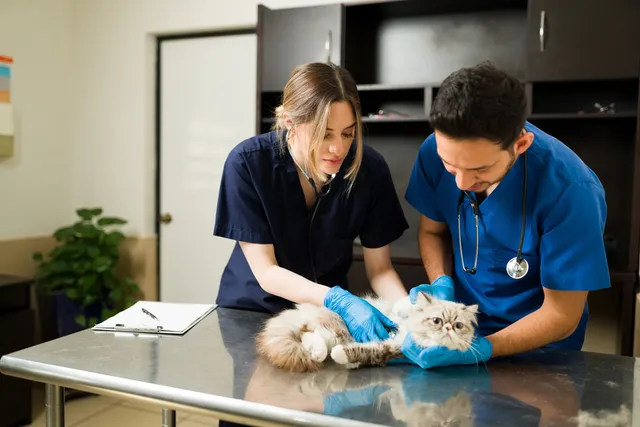
veterinarians examining a grey cat
Image Credit: Juice Flair, Shutterstock

Stroke Prognosis in Cats

Unfortunately, specific prognostic information for cats following a stroke is limited. In general, the prognosis for companion animals that experience a stroke is variable and will depend on the severity of the lesion in the brain, the response to supportive care, and the presence of an underlying disease process.

A recent case study detailing ischemic CVD in felines demonstrated an overall good prognosis for recovery, and that recovery is commonly reported for dogs with acute ischemic CVD. Hemorrhagic stroke appears to be associated with a higher mortality rate but is, thankfully, noted less commonly than ischemic stroke.

divider cat paws oct 2024

Closing Thoughts

In conclusion, while there is not an abundance of data relating to stroke prognosis in felines, there is hope that an affected cat should be able to recover with appropriate supportive care. The presence of underlying disease, however, will be an important factor influencing long-term prognosis. If your cat has experienced a stroke, a discussion with your veterinarian will offer the most accurate picture of what you can expect in terms of recovery from this condition.

Related Reads:


Featured Image Credit By: Cong H, Unsplash

Want content like this delivered to you?

Sign Up For Our Newsletter

News, insights, expert advice, and everything cat

* By submitting, you agree to our Terms & Conditions and Privacy & Cookies Policy.


How useful was this post?

Click on a star to rate (you can leave written feedback after clicking submit)

Help us improve Catster for pet parents!

Your feedback really matters.

What did you like about this post? Also how can we improve it?

Join the conversation

Leave a Reply

You’re very welcome to leave a comment or question. Please know that all comments must meet our community guidelines, and your email address will NOT be published. Let’s have a positive and constructive conversation.


Catster's Digital Magazine is Back!

Vet-approved health & behavior advice

Real cat stories & community features

Chatting About the Importance of Spaying/Neutering, Cat Retail Shopping Ban & Red-Level Storms | Chatty Cattys, Episode 30

In this episode of Catster’s Chatty Cattys podcast, Nicole and Dr. Karyn are celebrating a major legal win for pets before diving into...

Is Your Cat Happy? Here’s How You Can Tell

Cats have a reputation for being indifferent, even inscrutable. But despite their seemingly ambivalent appearance, cats experience many emotions, including happiness, and they...

Human Brains Age Like Cats – New Study Debunks the 7-Year Rule

If you’ve ever caught your senior cat staring blankly at a wall, wandering the halls at 3 am, calling out for no clear...

Chatting with Devin About Here! Have a Kitten, Fostering, & Why Two Are Better Than One | Chatty Cattys, Episode 29

In this episode of Catster’s Chatty Cattys podcast, Nicole & Dr. Karyn sit down with Devin, the founder and one-woman show behind “Here...

More related

9 Best Eco-Friendly Cat Toys in 2026: Reviews & Top Picks

Many cat parents are becoming more aware of the products they purchase for their pets. Eco-friendly options are available for cat litter and...

7 Barn Cat Breeds: Felines to Keep on Your Farm (With Info & Pictures)

Barn or farm cats are possibly the purest incarnations of a cat. The earliest domesticated felines invited themselves onto our land to take...

8 Cat Lovers Websites & Social Networks in 2026

There’s a mutual understanding among cat lovers that there’s no such thing as too many cats. However, for whatever reason, not everyone is...

Do Cats Need Professional Groomers? Vet-Reviewed Cleaning Facts & Tips

Grooming is a must for all cats, long-haired and short-haired alike, but do cats need to be professionally groomed? Not necessarily. You can...

Keep reading

How Much Does It Cost to Spay or Neuter a Cat? 2026 Update (Vet-Verified)

Spaying and neutering are both common medical procedures recommended by veterinarians, breeders, and shelters. Spaying or neutering your cat removes the possibility of them reproducing. Besides helping prevent unplanned litters of kittens, spaying and neutering can prevent a wide range...

Two veterinarians holding down a Persian cat at the exam table

Identifying & Treating Bug Bites on Cats: 9 Vet Approved Tips

Bugs aren’t just a nuisance for us humans. They will bite or sting anyone they deem a threat, including your innocent and beloved kitty. Your cat might one day be sniffing around your backyard when they gets a little too...

Cat wearing collar scratching and itching

At What Age Do Kittens Start Eating Food & Drinking Water? Vet-Reviewed Facts

If your cat is pregnant, you are probably worried about how you will care for her newborn kittens. There are so many things to know and learn, especially when feeding newborns and growing kittens. If your biggest question is when...

Kitten eating food from bowl

Can Cats Drink Sunflower Oil? Nutritional Facts & FAQ

Cats are incredibly curious creatures that like to poke their noses, tongues, mouths, and paws into anything and everything. An inquisitive cat in the kitchen is a common occurrence for cat owners who cook. It is essential to know if...

Can Cats Drink Sunflower Oil

Aural Hematoma in Cats: Vet Reviewed Signs, Causes & Care

Your cat’s ears are fascinating parts of their body. They can give you information about how your cat is feeling, and petting, scratching, or massaging them will strengthen your bond. However, various ear problems can occur in cats, one being...

Cat with Aural Hematoma

My Cat Is Not Eating But Acting Normal, What’s Wrong? 7 Vet-Reviewed Issues

It is understandable to feel worried if your cat is not eating much but acting normal. Although cats can be finicky about mealtimes and their food preferences, a poor appetite could indicate that something is wrong. There are various reasons...

vet examining the sick cat with stethoscope

Can Cats Eat Biscuits? Nutritional Risks & Advice

There is no question that cats enjoy human food. In fact, many cats will beg for human food—even if it’s just a nibble. Cats are obligate carnivores and as a result, they have evolved to selectively eat certain types of...

Can Cats Eat Biscuits

Senior Cat Grooming: Vet Approved Facts & Tips

Felines are fastidious creatures. They love to be clean and spend much of each day grooming themselves. As cats age, they sometimes have trouble grooming those hard-to-reach places. Older felines can have trouble contorting into the needed position to reach...

man brushing norwegian forest cat

Love Cats? So Do We! Join the Catster Community

Stay informed with expert pet care insights delivered straight to your inbox! Discover professional guidance on animal behavior, feeding tips, trusted product picks, and much more.


Sign up for the Catster Email Newsletter

Stay informed with expert pet care insights delivered straight to your inbox! Discover professional guidance on animal behavior, feeding tips, trusted product picks, and much more.