Get

In Your Inbox

Catster is reader-supported. When you buy via links on our site, we may earn an affiliate commission at no cost to you. Learn more.

Why Is My Cat’s Butt Bleeding? Our Vet Explains Causes & Treatments

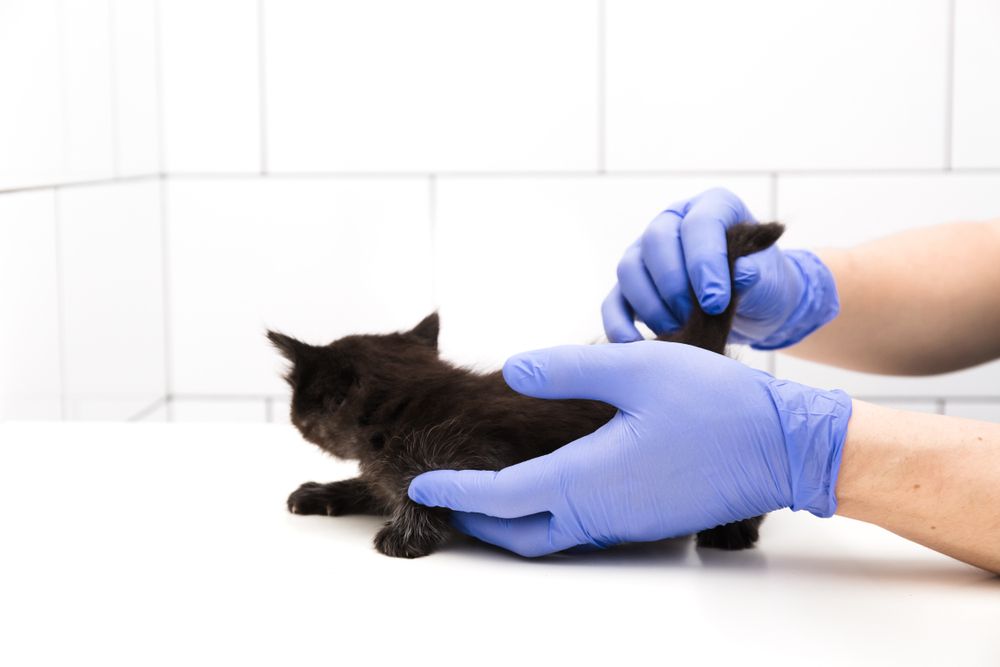
Checkup and treatment of kitten by a doctor at a vet

Your loveable feline friend was curled up on your pillow with you. They got up and left a surprise: blood-tinged fluid on the pillowcase. You know your cat is fixed, so that’s not it. Why is your cat’s butt bleeding?

Let’s take a look at some of the reasons and treatment options.

If your cat’s rectal area is bleeding, it’s essential to have your kitty evaluated by a veterinarian as soon as possible. Your vet will need to determine if the bleeding is coming from the skin around the rectum, rectal tissue, the anal sacs, or something internal.

divider 1 paws

The 5 Possible Causes for a Cat’s Butt to Bleed

1. Anal Sac Disease

Your cat has scent glands located in the rectum called the anal glands or anal sacs. These glands fill up with pungent material that cats usually express as they defecate. For different reasons, the anal sacs can fill up and become inflamed or infected.

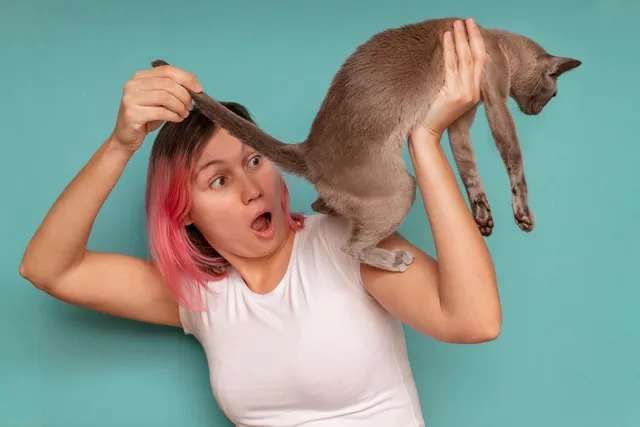
Sometimes, the anal sacs will rupture, leading to a bloody discharge. You might see a visible hole when you lift up your cat’s tail on one of the sides of the rectum.

anal sacs (glands) of a cat
You are free to use this image but we do require you to link back to Catster.com for credit
Treatment
If your vet determines your cat has an anal gland abscess or anal sacculitis, the vet will likely put your cat on antibiotics and an anti-inflammatory pain reliever.

Commonly used antibiotics include:

  • Injectable Convenia
  • Oral Clavamox
  • Oral clindamycin

In severe cases, cats need their anal sacs flushed and infused with medication. Your cat could also need surgery to remove the affected anal sacs.


2. Trauma

Traumatic injuries to the rectal tissue can contribute to blood around the rectum. Cats can get scratches or bite wounds around the rectum. Foreign body injuries, such as punctured intestines or trauma to the colon, can occur secondary to eating bones and other materials.

An injury from being hit by a car can also cause rectal bleeding in your cat. If you suspect an injury, call the veterinarian immediately.

vet examining the sick cat with stethoscope
Image Credit: 4 PM production, Shutterstock
Treatment

Treatment for rectal trauma will depend on what happened and where. Depending on the injury, some cats will need surgery, and others will require antibiotics and pain medication. Your cat may also need to be on stool softeners to help them defecate without putting much pressure on the tear site.


3. Rectal Prolapse

Some cats experience a rectal prolapse when a portion of the rectal tissue comes out of the anus. It is most common in younger cats with severe diarrhea, such as kittens with intestinal parasites.

Treatment

Rectal prolapses should be treated immediately as the external tissue can dry out, lose its blood supply, and become necrotic. Your veterinarian will need to anesthetize your cat and replace the tissue.

They’ll then use a purse-string suture pattern to partially close the anal opening and help minimize the chances of a subsequent prolapse. If your cat has necrotic, unviable tissue, it must be surgically removed.


4. Tumors or Polyps

According to the Merck Veterinary Manual, rectal polyps are uncommon in cats. If they occur, they’re usually benign. Tumors or widespread cancer can occur within the anal tissues. Some cats develop anal gland tumors that can become large and block their anal opening.

Lymphosarcoma is typically a metastatic cancer that can spread mainly through the lymphatic tissue found throughout the body, including the intestines.

Treatment

Surgical removal is the best treatment for localized polyps so that they can be submitted for histopathology and analyzed to ensure they’re benign. Some other tumors in your cat’s rectum can be surgically removed. A biopsy might be necessary to characterize a tumor and help predict its behavior and best course of treatment.

Chemotherapy is useful for some cancers, such as lymphosarcoma or lymphoma. Your veterinarian might refer you to an oncologist for further treatment.

Veterinary clinic examining a radiograph of a Persian cat
Image Credit: 135pixels, Shutterstock

5. Parasites

Parasites can also cause bleeding around your cat’s rear end. First and foremost, fleas can make cats so itchy that they scratch until they bleed, often around the tail. Intestinal parasites, such as hookworms, tapeworms, and roundworms, can cause intestinal upset and diarrhea.

Combined with that, or even with just the parasites, your cat may have blood in their stool called hematochezia.

Treatment

Treatment for parasites involves determining the type of parasites. Fleas are treated with flea prevention products like Revolution. Intestinal parasites can be treated with pyrantel, praziquantel, or other medications, depending on the parasites noted in history or fecal floatation.

divider 1 paws

Frequently Asked Questions

How Do You Tell if a Cat Has Worms?

You might see intestinal parasites in your cat’s stool. Roundworms typically resemble spaghetti noodles, while tapeworm segments resemble grains of rice. Cats with parasites often have diarrhea, and some kitties will also vomit.

They sometimes even vomit up worms. Some affected cats will also lose weight and might have dull coats.

veterinarians-hand-strokes-a-sick-cat
Image Credit: Zhuravlev Andrey, Shutterstock

Can Cats Bleed From Straining to Defecate?

If your cat is constipated and straining very hard to defecate, they could start to pass a little blood. Your veterinarian will likely want radiographs (X-rays) to confirm this. They might give your cat an enema and place them on a stool softener. Some foods, such as a fiber-response diet, may also help.

divider 3 paws

Conclusion

If your cat starts to have blood around their rectal area, contact your veterinarian. If your cat is actively bleeding, it is a medical emergency. Your veterinarian will perform an exam to try and narrow down the possible causes and develop a treatment plan to help your cat and alleviate your worry.


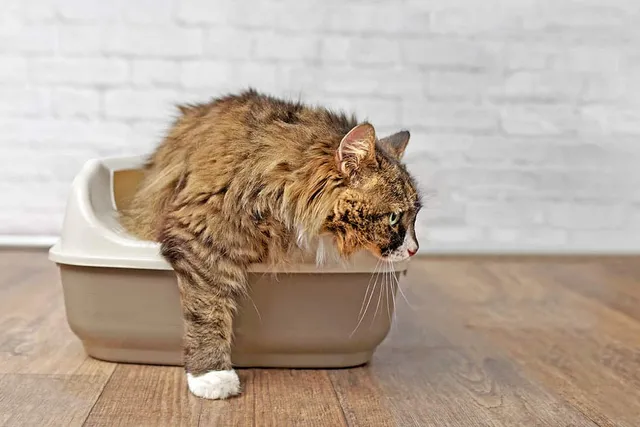
Featured Image Credit: Hanna Taniukevich, Shutterstock

Want content like this delivered to you?

Sign Up For Our Newsletter

News, insights, expert advice, and everything cat

* By submitting, you agree to our Terms & Conditions and Privacy & Cookies Policy.


How useful was this post?

Click on a star to rate (you can leave written feedback after clicking submit)

Help us improve Catster for pet parents!

Your feedback really matters.

What did you like about this post? Also how can we improve it?

Join the conversation

2 Responses

  1. 9 week old feral kitten sore eyes treated with otc eye drops, sneezing cough med, encouraged kitten food warm kitten powder milk in warm boiled water few days. 5 kittens in cat house with heat pad and heat lamp very cozy come and go at will play on porch and sunny side. This one I noted trotted off down steps and pooped back up and zi noted bloody butt. A couple were sick but with regemin are better and playing but not this one slept most day. I have done nothing but watch this one. resp are normal. Ialso gave it amoxicillin today which is otc for fish. what else can I do. it did eat once today and drink water couple times. mom is only feeding certain ones for over a week but not thus one. help

    1. It sounds like you have a truly compassionate heart, Peggy, but the kitten showing signs of illness is in urgent need of veterinary medical care. Using unprescribed treatments, especially antibiotics, can be very dangerous for kittens. This kitten needs an urgent diagnosis and safe treatment plan. We strongly recommend you bring it to a veterinarian as soon as possible.

Leave a Reply

You’re very welcome to leave a comment or question. Please know that all comments must meet our community guidelines, and your email address will NOT be published. Let’s have a positive and constructive conversation.


Talk With A Vet Online

Peace of mind,
anywhere, anytime

Affordable vet advice

How to Tell If a Stray Cat Is Pregnant? 10 Vet-Approved Signs

There are many challenges to taking in a stray cat. First, you need to make sure that they’re healthy and uninjured. Second, you...

E. Coli Infection in Cats: Vet Approved Signs, Causes & Care

E. coli, or Escherichia coli, is a bacterium that sits in most living mammals’ digestive tracts. It can be found in human and...

How to Shave a Cat’s Bum: 6 Vet-Approved Steps

If you’re starting to notice an unpleasant odor following your cat, and if you’re starting to see unpleasant remnants in their nether regions,...

How to Get Cat Urine Out of Leather Boots: 4 Methods & Instructions

Leather is a beautiful and expensive textile that lasts for years. Unfortunately, it is also naturally porous and absorbs odors and stains easily....

More related

Is Argan Oil Safe for Cats: Vet-Reviewed Health Concerns

Argan oil is often found in cosmetics, lotions, shampoos, and conditioners. It’s also commonly used as a carrier for essential oils. Some evidence...

Ziwi Peak Cat Food Review of 2026: Recalls, Pros & Cons

Review Summary Ziwi Peak has some of the best ingredients and uses almost exclusively animal meat in its formulas. It is foods that...

When Does My Kitten Become a Cat? With Growth Chart

Tiny kittens develop and change so quickly that you might be wondering at exactly what age your roly-poly kitten turns into a cat....

We Chat With the Owner of Atchoum the Celebrity Cat

Atchoum is the first French-Canadian celebrity cat. The exotic Persian, who looks like a long-lost relative of the late Colonel Meow, hails from...

Keep reading

Why Does My Cat Act Like My Child? 10 Vet-Verified Reasons

Our relationship with our feline companions has evolved dramatically through the ages. They’ve gone from wild animals to beloved pets. About 95% of people think of their companions as family members.1 Some may do the job that endeared them to...

Siamese cat with kids

Why Do Cats Hate Water? 5 Vet-Verified Possible Reasons

If you’ve ever tried to give your feline friend a bath, you might already know that your cat is not a fan of water. Most domestic cats don’t appreciate getting wet at all. It’s true that some breeds of domestic...

Persian cat bathing

6 Common Scents Cats Absolutely Hate, And Why That Helps You

If you’ve ever come home to the unmistakable smell of cat pee on your favorite chair or rug, you know the frustration is real. Cats naturally mark their territory with urine, but when they start choosing your furniture over the...

close up of an angry cat facial expression

How Contagious is Feline Leukemia? Vet-Approved Facts & Explanation

Feline leukemia virus (FeLV) is a common infectious cause of disease in cats, affecting as much as 3% of the entire cat population in the United States and Canada,1 according to the Cornell Feline Health Center. Feline leukemia virus is...

cat lying on blanket looking sad or sick

How Do I Choose the Right Toys for My Cat? Vet-Approved Tips & Guide

When you have a cat, you already know how important it is to make sure they have something to do. This is particularly true of purely indoor cats. Cats have a natural instinct to stalk and hunt prey, so without...

Young happy woman choosing toys for pets in pet shop

Why Is My Cat Pooping Outside the Litter Box? 5 Vet-Reviewed Reasons & Tips to Stop It

You’re getting so sick of it. You are providing what you think your cat needs for bathroom time—and it’s never been a problem before—but all of a sudden, you’re finding piles of poo randomly throughout the home. You’ve tried to...

siamese cat sitting next to enclosed litter box

10 Flea and Tick Diseases in Cats: Vet-Verified Facts & FAQ

Living with cats means you will, at some point, have to deal with fleas and potentially ticks. Although we often talk about them in the same breath, they are quite different. Fleas are smaller and have six legs while ticks...

domestic-cat-with-skin-desease

Has Your Cat Food Gone Bad? 8 Vet Reviewed Signs to Look For

Cat food manufacturers follow strict guidelines to produce safe products, but after they leave the factory, they can become damaged or improperly handled during shipping. The last thing you want is to feed your cat spoiled food, but you don’t...

owner feeding his cat