Scoliosis in Cats: Detection & Treatments (Vet Answer)

In this article
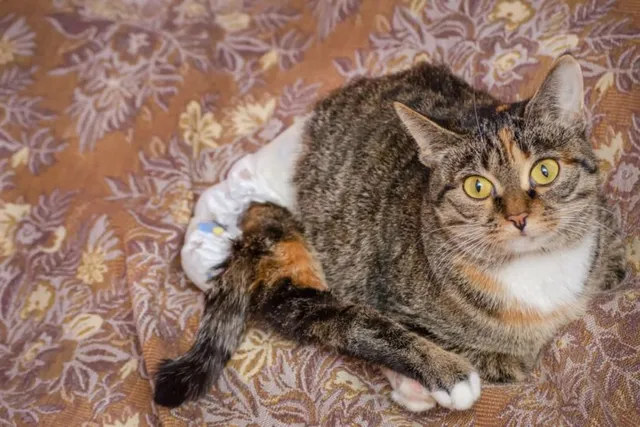
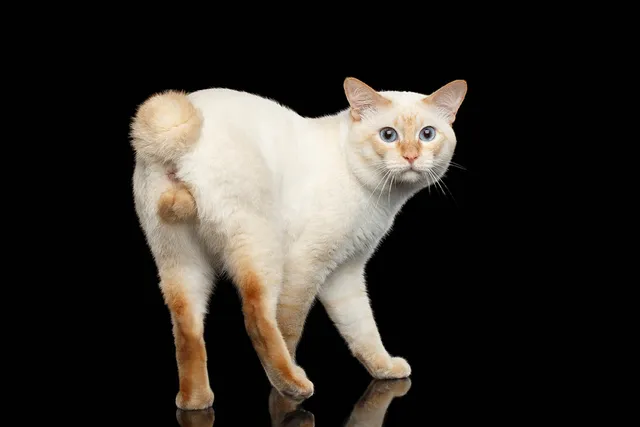
Scoliosis represents a lateral curvature of the spine, especially of the thoracic area. If you look at your cat's spine from above, you will see that it curves laterally. However, mild cases are not obvious and are often detected accidentally during X-ray exams.
Most of the time, scoliosis in a cat is present since birth, and its effects can be observed even when they are a kitten. However, in rare instances, scoliosis can develop over time due to degeneration. Read on to learn more about the signs, causes, diagnosis, and treatment options for scoliosis in cats.

What Is Scoliosis in Cats?
Scoliosis is a vertebral malformation that causes a lateral curvature of the spine. In cats, it is extremely rare compared to human cases. Scoliosis can cause mobility problems and discomfort and decrease the quality of your cat's life.
Most of the time, this condition is congenital (present from birth) and commonly occurs in cat breeds like the Siamese and Devon Rex. However, scoliosis can occur in any breed.

What Are the Signs of Scoliosis in Cats?
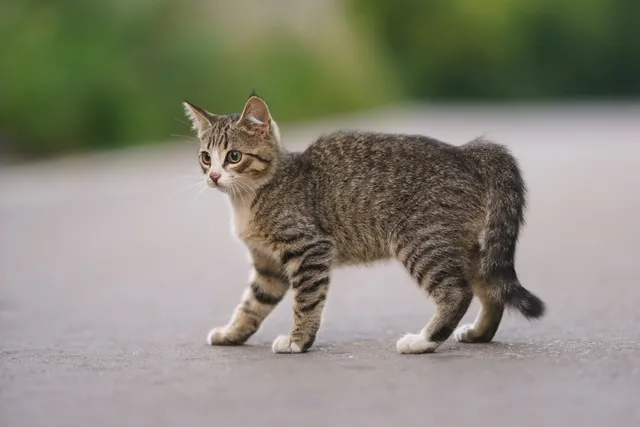
The most noticeable clinical sign of this condition in cats is the visible curvature of the spine (when the cat is lying down or standing). However, if the degree of scoliosis is minimal, this curvature might only be incidentally detected by diagnostic imaging performed for other purposes.
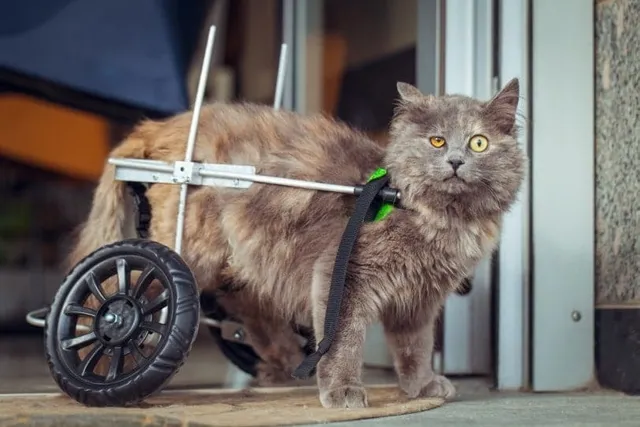
Mild cases of scoliosis mainly cause discomfort. However, severe cases might cause pain and even neurological signs if the malformation of the vertebrae pinches a nerve. You might notice your cat sitting hunched over and having difficulty walking or running. Cats with scoliosis may also walk unevenly, run or walk with a limp, and have difficulty maintaining their balance. Muscle atrophy can result from these abnormal movements, and affected cats will be exposed to an increased risk of falling and suffering injuries. In cats with severe scoliosis, the lateral curvature of the spine can put pressure on their lungs, making it difficult to breathe.
Cats with scoliosis may not be as active as other cats, or if the condition has just developed, they may appear less active than usual—they will refuse to play and move.
In summary, clinical signs of scoliosis in cats may include:
If your cat shows these clinical signs, take them to the veterinarian as soon as possible.
What Are the Causes of Scoliosis in Cats?
Scoliosis is generally a congenital anomaly (i.e., present at birth.) It can be an inherited genetic problem or caused by a developmental anomaly of the fetus’s spine due to the queen’s exposure to different substances and conditions, which may include:
- Toxins
- Stress
- Nutritional deficiencies
- Harsh chemicals
Although it generally presents as a congenital disease in kittens, scoliosis can also develop later in life due to various pathological processes (tumors, inflammation, infection, trauma, nutritional deficiencies, or degenerative diseases). These processes can damage the spine and cause it to curve over time. Vitamin-mineral deficiencies (such as vitamin D and calcium deficiencies) can also lead to scoliosis. Additionally, it can result from direct trauma to the spine or injuries that affect locomotion.
In short, the causes of scoliosis in cats can be:
If your cat has a visibly crooked back or shows signs of discomfort or mobility problems, contact the veterinarian as soon as possible.
How Is Scoliosis Detected in Cats?
You may detect scoliosis just by looking at your cat's back, as it will show an abnormal lateral curvature. If the curvature is not visible, you can run your fingers gently along your pet's back and feel for any modifications. If you feel anything unusual, contact a vet.
You can also monitor your cat's gait or changes in posture. A cat with scoliosis may walk unevenly and have difficulty walking; they may also walk hunched over and have difficulty moving their hind legs. Other subtle clinical signs, such as pain when you touch them in certain areas or reluctance to jump, play, or climb stairs, can be indicative of scoliosis.
For these reasons, it is important to contact the veterinarian whenever you feel that something is wrong with your cat. The vet will take a set of X-rays, which will determine with certainty if your cat suffers from scoliosis or other medical conditions. Additional diagnostic imaging tests include magnetic resonance imaging, computed tomography scans, and myelography.

What Is the Treatment for Scoliosis in Cats?
Scoliosis is a condition that occurs rarely in cats. In general, most cats with mild scoliosis do not require treatment, being able to have long and peaceful lives. However, there are cases in which scoliosis is severe and compromises the quality of life of the affected pet.
In mild cases, the veterinarian can recommend anti-inflammatory and anti-pain medication to improve your cat's clinical signs. The vet may also suggest physiotherapy to help improve mobility and reduce pain (if applicable). Physical therapy can even prevent your cat's scoliosis from getting worse. Therefore, if your cat suffers from a mild form of scoliosis, you should take them to a few sessions of physiotherapy.
In severe cases, when the curvature is prominent, the vet may recommend surgical intervention to correct the defect. Your cat's spine will be straightened and stabilized with metal rods and screws. Since this is a major procedure, make sure you discuss with the veterinarian all the risks and complications that may arise.
In severe cases, the malformation of the vertebrae can lead to secondary compression of the spinal cord and trauma, which in turn, will lead to uncoordinated walking and even paresis. If the condition greatly impairs your cat's quality of life, euthanasia may be recommended.
How Do I Care for a Cat With Scoliosis?

There are a few tips that can help you prevent your cat's scoliosis from getting worse.
- Keep your cat at an optimal weight: If your cat suffers from scoliosis, excess weight can worsen their condition. A healthy diet and regular exercise (as allowed by the vet) can help you keep your cat healthy and fit.
- Reduce the number of dangers around the house: A cat with scoliosis may have difficulty walking, running, and/or jumping. To protect your cat from falls from a height, which can further affect their spine, and to ease their walking, make sure your house is free of dangers. Put baby gates around staircases and fencing around pools, balconies, or high decks.
- Reduce impact: Prevent your cat from excessive impact by setting up ramps for couches and cat furniture. Ensure that they have easy access to the litter box.
- Keep the veterinarian updated: If your cat's condition worsens or your cat begins to show clinical signs, contact the veterinarian, and follow their treatment directions.
Frequently Asked Questions
How Do I Know If My Cat Has Spine Problems?
If your cat has problems with their spine, they will show certain clinical signs, such as having a curved back or a stiff neck, not wanting to turn or raise their head, exhibiting changes in posture and paresis or paralysis, meowing when moving or touched, not using the litter box, or refusing to move at all. Contact a veterinarian for a definite diagnosis and appropriate treatment.
Can You Fix Scoliosis in Cats Without Surgery?
Treatment of scoliosis in cats depends on the severity of the condition. Mild cases can be controlled with physiotherapy and anti-inflammatory and pain control medication (if needed). Being a defect (malformation) of the vertebrae, it can only be repaired surgically. In severe cases, surgical intervention is required. If the scoliosis is significantly affecting your cat's quality of life beyond what surgery can fix, euthanasia should be considered.
Conclusion
Scoliosis in felines is a rare condition, and cats are usually born with this spine defect. Some pets may not show any clinical signs, and scoliosis may only be accidentally diagnosed during routine X-rays, while other cats may suffer from severe forms that extremely deform their spine, causing mobility and balance issues. Treatment depends on the severity of the condition. In mild cases,a vet may recommend physiotherapy and in severe cases, surgical intervention to straighten the spine. If you suspect that your cat suffers from scoliosis or other medical conditions, contact a veterinarian immediately.
See also: Short Spine Syndrome in Cats
Sources
Featured Image Credit: Tyler Olson, Shutterstock
Expert cat care, straight to your inbox
News, insights, and useful advice, delivered to you.

No spam — unsubscribe anytime.
By signing up, you agree to our Terms & Conditions and Privacy & Cookies Policy.
How useful was this post?
Click a star to rate. You can leave written feedback afterwards. (We read all feedback.)
Dr. Iulia Mihai, DVM MSc (Veterinarian)
Dr. Mihai is a vet with over 13 years of experience in laboratory, pet pathology, and cancer. She studied at the University of Agronomical Sciences and Veterinary Medicine of Bucharest, Romania (EAEVE member), where she worked in the laboratory of the faculty clinic after graduation. She has a master’s degree in equine and pet pathology and studied epithelial cancer for her Ph.D. Iulia has a passion for internal medicine and parasitology and started volunteering at the faculty’s clinic in her third year of college. She has worked in a couple of veterinary clinics over the years as an internal medicine specialist. She enjoys writing and teaching people about cat disease prevention, nutrition, behavior, and treatment.