Get

In Your Inbox

Catster is reader-supported. When you buy via links on our site, we may earn an affiliate commission at no cost to you. Learn more.

How to Deworm Feral Cats: 4 Tips & Tricks (Vet Answer)

Share

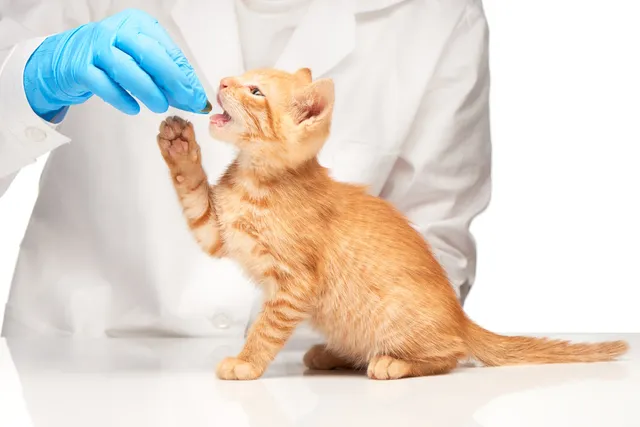
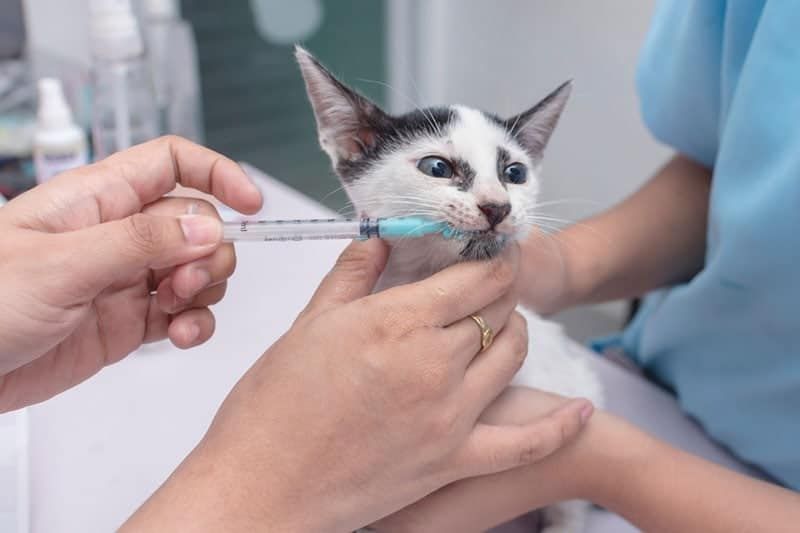
veterinarian uses an oral syringe to administer liquid dewormer to a kitten

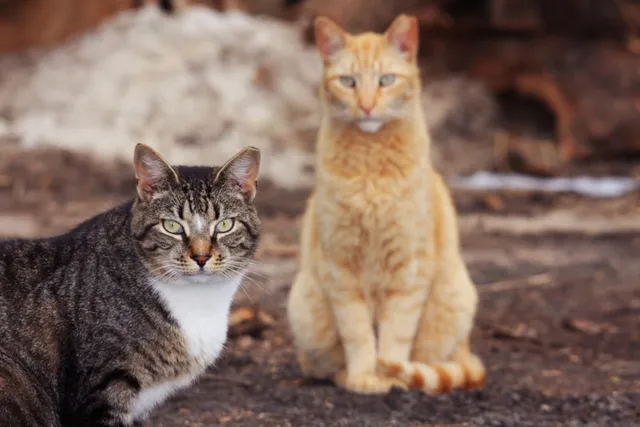
Deworming cats can be challenging at the best times, especially if they are feral. Cats have the marvelous ability to turn into agile gymnasts, and alongside their claws and teeth, this can make shoving a tablet down the back of their throats next to impossible.

Unfortunately, being proficient little hunters, feral cats are prone to worms and parasites, so regular deworming protocols should be put in place if you are caring for one. Worms can be detrimental—even fatal—to their health in the long term, so it is essential that parasite treatment be undertaken, especially if you’re introducing a new cat to an existing multi-cat household.

There are a few ways that you can deworm a feral cat that will not result in injury for either party. Read on to find out more.

divider 3 paws

The 4 Tips on How to Deworm Feral Cats

1. Put the Medication in Their Food

The simplest way to deworm a feral cat is to mix the medication with their food. Deworming products are available in both liquid and granule form, making it easier to give when you need to administer it to the cat over multiple days.

One is “Panacur” (fenbendazole), and it covers roundworms, tapeworms, hookworms, and giardia. It usually needs to be given once daily for 3 days and can be given to kittens from 4 weeks of age.


2. Put the Medication in Their Milk Replacer

For kittens, you can mix the worming product with their milk replacer. Once they have been introduced to the taste of the milk and readily consume it, you can add the worming medication to the bowl. This is especially helpful if you are attempting to deworm multiple feral kittens.

kitten drinking milk outdoor
Image Credit: BeautifulPicture, Shutterstock

3. Use Topical Ointments

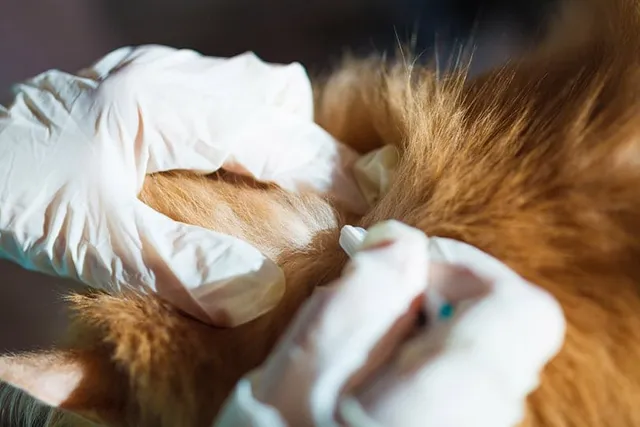
Many worming medications are administered by applying them directly to the skin. This can be a great option if you can hold the cat. Some products often have the added benefit of protecting against fleas and ticks. You can get basic dewormers as spot-on treatments too, including Drontal Spot-On and Profender.

These products should be applied on the back of the neck to stop the cat from licking them off. They should also be applied to a part of the skin that is free of wounds and scabs.


4. Visit the Vet

It is always recommended (if possible) to take the cat to the vet for a health check. This way, they can conduct a thorough examination, usually under an anesthetic, and provide the treatment and spay or neuter them at the same time. While the cat is under an anesthetic, the vet can administer the worming and flea medications and treat any other issues that the cat is presenting with. Spay and neutering is a vital component of controlling the feral cat population, and many programs worldwide are doing great work to combat the ever-growing problem.

If you need to speak with a vet but can't get to one, head over to PangoVet. It's an online service where you can talk to a vet online and get the advice you need for your pet — all at an affordable price!

Preventative wellness PGV mention keep cat healthy Preventative wellness PGV mention keep cat healthy mobile

divider 3 paws

What Are the Worms That Require Prevention & Treatment?

The most common worms found in cats are roundworms, tapeworms, and hookworms. They live in the intestines of cats, though in their immature stages, they migrate around different parts of the body and can cause a wide array of clinical signs. They spend most of their lifecycles living in the natural environment and can live in other hosts (such as rodents, insects, and birds), which is why cats should be dewormed at regular intervals, especially if they have access to the outdoors and like to hunt.

Tapeworms can also be transmitted to cats by fleas. Therefore, it should be assumed that a cat that has a flea burden also suffers from tapeworm. A large aspect of controlling tapeworms is to control flea infections too.

Depending on which part of the world you live in, cats can also get lungworms and heartworms. Lungworms are spread by slugs and snails and heartworms by mosquitoes. Certain worming products (such as monthly spot-on treatments Stronghold and Advocate) include prevention for these parasites. Oral formulations like Panacur and Drontal do not.

Generally, kittens must be treated for worms every 2 weeks from approximately 3–4 weeks of age and then monthly until they’re 6 months old. Treatment should then be given every 1–3 months. There are many worming products on the market, which can be confusing, so it is always best to seek advice from your veterinarian if you are concerned.

cat and owner and vet
Image Credit: Stock-Asso, Shutterstock

divider 3 paws

Conclusion

Deworming feral cats is a challenge but it isn’t impossible. While we may think that cats can take care of themselves, life on the streets is tough. They must deal with parasites, disease, illness, and injury. Most well-cared-for domesticated cats can live up to 20 years old, but the expected lifespan for a feral cat is reported to be 2–5 years. So, if you are caring for a feral cat or have recently adopted an unsocialized cat, deworming is a crucial component of their care. Your local veterinary clinic is always available to provide you with advice, so don’t hesitate to contact them.

See also:


Featured Image Credit: MDV Edwards, Shutterstock

Want content like this delivered to you?

Sign Up For Our Newsletter

News, insights, expert advice, and everything cat

* By submitting, you agree to our Terms & Conditions and Privacy & Cookies Policy.


How useful was this post?

Click on a star to rate (you can leave written feedback after clicking submit)

Help us improve Catster for pet parents!

Your feedback really matters.

What did you like about this post? Also how can we improve it?

Join the conversation

6 Responses

  1. I have about 5 feral cats outside that I feed. I want to give them all dewormer. How can I give it to each cat without knowing if the other cats have eaten the food too? I want to make sure each cat is getting their recommended dosage.

    1. Hi Jan, Dewormers are weight-based, so accuracy matters. The most significant risk in medicating a feral colony is accidental overdose, as a dominant cat might eat multiple medicated portions, leading to potential toxicity, while more submissive cats remain untreated and continue to spread parasites. To ensure every cat receives a safe and accurate dose, the gold standard is to perform TNR (Trap-Neuter-Return); this allows you to have each cat professionally dewormed by a veterinarian while they are sedated for surgery, ensuring they get the exact amount needed based on their actual weight. If you cannot trap them all immediately, the best temporary recommendation is to use individual paper plates spaced at least 10 feet apart, mixing a pre-measured dose into a small "lure" like sardines or Churu, and visually monitoring the feeding to prevent "bullies" from stealing a second dose.

  2. I am feeding a feral cat that is very skinny and I suspect worms. I cannot get near the cat as she is very skittish….how do I deworm her – there is no taking her to a vet.

    1. Hello Cathy,

      thank you for your question. It is natural for feral cats to be very careful – it is instinct that helps them survive. As mentioned in the article, the simplest way to deworm a feral cat is to mix the medication with their food. Deworming products are available in both liquid and granule form, making it easier to give when you need to administer it to the cat over multiple days. Therefore, if you want to deworm feral cat and cannot use topical treatment, this would be your best option.

      Hope this helps!

  3. Have been caring for rescued/abandoned feral kitten for almost 3 weeks. Brought her to vet to get one eye with the 3rd eyelid often visible checked. No scratch or evidence of injury/trauma. No signs of upper respiratory infection. What are other possible causes?
    Thank you.

    1. Hi L. Romportl,

      Thank you for caring for this rescued kitten and for being so proactive about her health.

      The third eyelid can become visible for a number of reasons. You can find more insights here:

      – https://www.catster.com/cat-health-care/cat-third-eyelid-showing/
      If the third eyelid remains visible or if her behavior changes, it may be worth consulting a veterinarian. You can also schedule a virtual consultation with one of our vets at Pangovet.com for further guidance.

      We hope your kitten feels better soon! If you have any other questions, don’t hesitate to leave a comment.

Leave a Reply

You’re very welcome to leave a comment or question. Please know that all comments must meet our community guidelines, and your email address will NOT be published. Let’s have a positive and constructive conversation.


Catster's Digital Magazine is Back!

Vet-approved health & behavior advice

Real cat stories & community features

Vets Urge Owners: Don’t Ignore Sweet Smell Coming From Cats

Cats are not particularly known for having a pleasant aroma. The occasional whiff of fishy cat breath and that unmistakable post-litter-box scent simply...

“A Cat Spay Costs How Much???”

America has a kitten problem. Every day, thousands of cats and kittens are abandoned, surrendered, or discarded. Those who are lucky enough to...

Ask Dr. Paola – Help! My Cat Is Seeking My Attention! (June 15, 2026)

Welcome to our “Ask Dr. Paola” series, where every Monday we bring expert advice straight from Dr. Paola Cuevas (MVZ) to help our...

Everything I Need to Know About Cartoon Comedy, I Learned From My Pets

If you’ve ever looked at your cat doing something ridiculous and thought, “There has to be a joke in that somewhere,” Scott Metzger...

More related

Ginger Cat Appreciation Day 2026: How and When Is It Celebrated?

Ginger Cat Appreciation Day comes around every year on September 1st. Chris Roy came up with the idea to commemorate his sweet 15-pound...

A Bodega Without a Bodega Cat? Not On Our Watch!

The Bodega: cultural cornerstone of every New York neighborhood. Alongside the milk, deli meats, bread, and mysterious miscellaneous items in the dusty back...

Do All Siamese Cats Have Blue Eyes? Vet-Verified Coat & Eye Facts

Renowned for their beauty, Siamese cats are among the most attractive cats you can bring home, and they’re incredibly affectionate! These regal, vocal...

Hepatitis in Cats: Vet Explained Signs, Causes, & Care

You may not have heard of hepatitis in cats (more accurately referred to as cholangitis/cholangiohepatitis), but it is one of the leading causes...

Keep reading

Do Siamese Cats Like Water? Breed Temperament Exposed (Vet-Verified)

Best known for their vocal nature and intelligence, Siamese cats are the picture of sophistication. A less well-known fact about them is how much they like water. While not all Siamese cats enjoy water to the same extent, many like...

siamese kitten playing water

My Cat Doesn’t Chew His Food: Vet-Reviewed Concerns & FAQ

While it’s important for humans to thoroughly chew our food before swallowing, for many other mammals—cats included—this is not usually the case. Humans eat a wide variety of different foods, from tough plants, seeds, and nuts that need to be...

cat after eating food from a plate

Do Cats Have a Belly Button? Vet-Reviewed Anatomy Facts & FAQ

When you’re petting your cat, and it rolls over so you can rub its stomach, you might find yourself wondering, do cats have a belly button? The answer to that question is yes; cats do have belly buttons. Like us,...

cat owner rubbing her pet cat's belly outside

Why Does My Cat Act Like My Child? 10 Vet-Verified Reasons

Our relationship with our feline companions has evolved dramatically through the ages. They’ve gone from wild animals to beloved pets. About 95% of people think of their companions as family members.1 Some may do the job that endeared them to...

Siamese cat with kids

My Older Cat Is Losing Weight: 10 Vet-Reviewed Reasons

​​The average feline lifespan has increased over the years, and today, it’s not uncommon to meet cats that are 18, 19, 20, and even 20+ years old! And while they are considered “seniors” at the ripe old age of 11-14...

sick skinny cat in the veterinary clinic

Does My Cat Need Breed-Specific Food? Vet-Approved Nutritional Advice

The pet food industry is exceedingly complex and overwhelming. Every time your cat needs a new bag of food, it seems there are a handful of new pet diet trends on the rise. One diet trend that is making its...

maine coon cat eating

Why Do I Need to Clean My Cat’s Litter Box? 10 Vet Reviewed Reasons & Cleaning Tips

As a cat owner, you know that cleaning the litter box is definitely the least pleasant chore associated with caring for your feline friend. However, keeping your cat’s litter box clean is also one of the most important things you...

cat-pooping-outside-the-litter-box

Why Do Mother Cats Attack Their Older Kittens? 4 Vet-Reviewed Reasons

Queens occasionally reject kittens who appear to be ill or spend less time caring for weaker ones when they have particularly large litters and not enough milk to provide adequate nourishment for all their babies. Mother cats sometimes stop giving...

cat and kitten playing outdoors

Love Cats? So Do We! Join the Catster Community

Stay informed with expert pet care insights delivered straight to your inbox! Discover professional guidance on animal behavior, feeding tips, trusted product picks, and much more.


Sign up for the Catster Email Newsletter

Stay informed with expert pet care insights delivered straight to your inbox! Discover professional guidance on animal behavior, feeding tips, trusted product picks, and much more.