My Cat Ate a Bee! Here’s What to Do (Vet Answer)

In this article
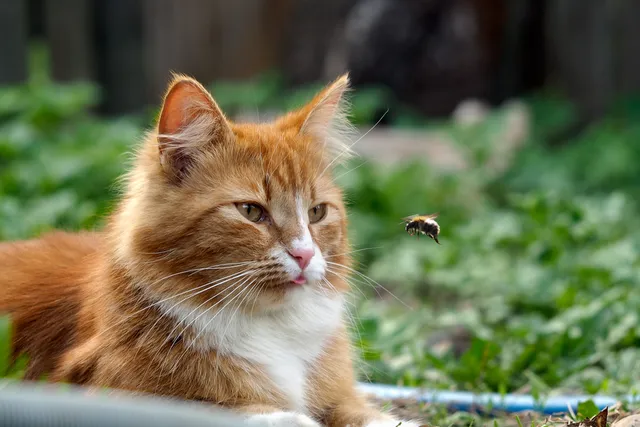
Cats are curious creatures with lightning-fast reflexes and sharp senses. If your cat is an avid hunter, you may have noticed them trying to catch a bee from time to time. However, this can be a dangerous game, and if they get their paws on one, it could quickly turn from a harmless hunt into a serious health risk for your kitty.
As a pet parent, you are likely to be very worried about what could happen if your cat ate a bee. So, read on to find out more, like the dangers of bee stings and how to handle it if your cat eats one!

The Dangers of Bee Stings

We all know that bees can have a nasty sting. Cats, however, are very stoic and don’t always tell us when they are in pain. So, if your cat has been playing with a bee, you’ll need to keep a close eye on them for any signs that they may have been stung.
Are Bees Poisonous to Cats?
Bees are not poisonous to cats, and they should have no problems digesting them. If swallowed whole, a bee will be digested the same as any other protein. The sting itself is the only part of a bee that is potentially dangerous for your cat, as this is where the venom is stored, and even dead bees can still sting.
Do Bee Stings Hurt Cats?
A bee sting could be rather painful for your kitty, as they cause swelling and local inflammation. If the stinger itself is left behind, this could cause additional discomfort.

What Should I Do if My Cat Eats a Bee?
Sometimes cats will eat their insect prey whole, so if your cat has eaten a bee, you’re probably worried!
If your cat is lucky enough to have escaped the sting in the eating process, the bee will pass through the digestive system with no issues. But most cats do get stung if they eat a bee. Typically, cats will end up with a stung mouth or face, or sometimes paws as they try to catch the bee.
1. Look Over Your Cat
The first thing to do is take a closer look at your cat. The most important places to check are around the face, inside the mouth, and the paws. The signs of a sting will show almost straight away, so you will be able to tell quickly if something is wrong.
2. Try to Remove the Stinger
Sometimes, the stinger gets left behind in your cat’s skin. If this is the case, you should try to remove it, assuming your cat is amenable. Don’t mess with the skin if there’s a chance you could be bitten—wait for the vet to do this. You can do this by scraping it out with a blunt surface, such as a credit card or butter knife. You should never squeeze or pull the stinger, as this can cause more venom to be released.
3. Contact Your Vet
Call your vet to make an appointment to have your cat checked over. It’s important to talk to a professional who can make an assessment about the severity of your cat’s risk.
4. Apply a Cold Pack
Next, if your cat allows it, apply ice or a cold pack to the affected area, as this will help to reduce any swelling. A cold towel or an ice pack wrapped in a tea towel will do. You can do this on the way to the vet or if your vet has identified that at-home treatment will be suitable for your cat.
5. Don’t Give Any Medications Unless Recommended by Your Vet
Over-the-counter antihistamines are sometimes recommended online, but the ingredients in some products can be toxic and potentially fatal for your pet, so never give any medication without checking with your veterinarian first.
What Happens if a Cat Eats a Bee?
If your cat has eaten a bee, whether it’s a dead bee or a live bee, you are likely feeling pretty anxious about the consequences.
Signs of Bee Stings in Cats
It’s really important to keep a close eye on your cat if you think they might have been stung by a bee. Some signs are quite hard to spot, but signs of an allergic reaction will be more obvious and require emergency treatment at the veterinarian.
If your cat has eaten a bee, the face and mouth are the areas most likely to be affected. Stings in the mouth and throat are particularly dangerous, as the swelling could cause your cat breathing difficulties.
Signs a Cat Has Been Stung by a Bee:
- Swelling in the area around the sting
- Yowling or vocalizing
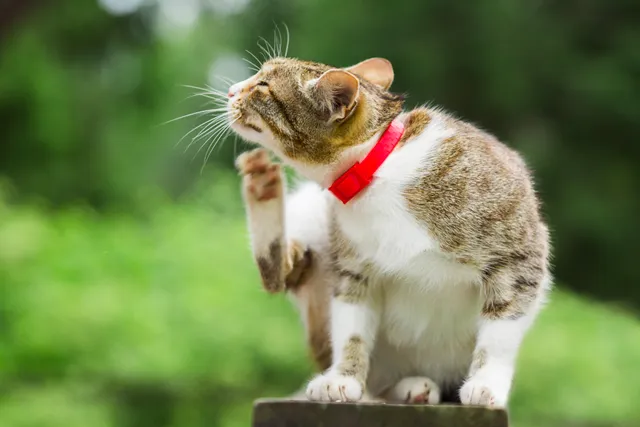
- Paying more attention to a particular area, such as licking or nibbling
- Pawing at the area around the sting
Bee stings can cause allergic reactions in cats and can even cause anaphylactic shock, so it’s important to spot the signs quickly.
Signs of an Allergic Reaction:
- Weakness and collapse
- Rapid breathing or difficulty breathing
- Vomiting and diarrhea
- Excessive swelling in the area around the sting
- Pale gums
Allergic reactions and anaphylactic shock can be life-threatening for your pet. If your cat is displaying any of these signs after a bee sting, you must take them to a veterinarian for emergency treatment as soon as possible.

Treatment for Bee Stings in Cats
Treatment for bee stings can vary, depending on where your cat has been stung and whether or not they are having an allergic reaction.
If your cat has been stung by a bee and you have not already done so, the veterinarian will remove the stinger if it is still inside your cat’s skin. Stings on the paws, face, and body can usually be treated with antihistamines and corticosteroids, which will bring down the swelling and stop the inflammatory responses that are occurring in your cat’s body.
A more serious sting to the inside of the mouth or throat, an allergic reaction, or anaphylactic shock, however, will need more intensive treatment such as epinephrine, IV fluids, and corticosteroids, and may require a few days’ stay at the clinic.
Frequently Asked Questions (FAQ)
Will My Cat Be Okay if They Ate a Bee?
If your cat has evaded the sting, they are going to be just fine as bees are not poisonous and will be digested. Most cats, if stung, get some minor swelling and pain in the affected area and are back to their usual selves after some antihistamines and anti-inflammatory medicine from the veterinarian.
If your cat has an allergic reaction or is stung inside the mouth or throat, when left untreated for too long, it could be life threatening. With prompt veterinary treatment, the prognosis is usually very good.
How Long Does a Bee Sting Last on a Cat?
A bee sting could stay lodged in your cat’s skin for a little while, and although it may eventually fall out, a bit could get left behind and become very sore. Generally, after a cat has been stung, the swelling and pain will eventually subside, but it will take several days, and your poor kitty will be very unhappy. If your cat has a bee sting, prompt treatment at the vet will have them feeling much better within hours.


Conclusion
If your cat has eaten a bee, there’s a chance they've been stung in the process. Bee stings can be dangerous for cats, especially if left untreated or they result in an allergic reaction. It’s important that you look out for the signs of a sting and that you contact your veterinarian quickly for advice. Bee stings can be treated easily at the clinic and have your kitty back to normal in no time!
It’s always best to distract your cat if you see them playing with a bee—getting stung by a bee can be problematic for some cats so call them away or keep them indoors to help avoid the danger of a bee sting. Even if they’ve been stung once, they may not have learned their lesson!
Related Reads:
Featured Image Credit: Irina Kozorog, Shutterstock
Expert cat care, straight to your inbox
News, insights, and useful advice, delivered to you.

No spam — unsubscribe anytime.
By signing up, you agree to our Terms & Conditions and Privacy & Cookies Policy.
How useful was this post?
Click a star to rate. You can leave written feedback afterwards. (We read all feedback.)
Dr. Joanna Woodnutt BVM BVS (Veterinarian)
Joanna is an experienced veterinarian working in the UK. She has written about pets and their health for many blogs, pet magazines and pet websites and loves to help readers understand their pets through her writing.
She has started her own freelance company so she can help more pet parents than just the one standing in front of her in a consultation room.
She enjoys teaching and educating clients, so a career in writing, public education and pet health is the perfect combination for her.