Get

In Your Inbox

Catster is reader-supported. When you buy via links on our site, we may earn an affiliate commission at no cost to you. Learn more.

Can Humans Get Tapeworms From Cats? Our Vet Answers


Share

a tabby cat sitting on the windowsill

Many studies show the benefits of owning cats, but they can come with a few risks, too. There are certain illnesses (called “zoonoses”) that humans can unwittingly catch from their cats. Some of these infections are more well-known, such as “cat-scratch disease” or toxoplasmosis, but there are also certain worms that cats can pass on to humans, including tapeworms.

divider cat paws 2 oct 2024

What Tapeworms Can Cats Get?

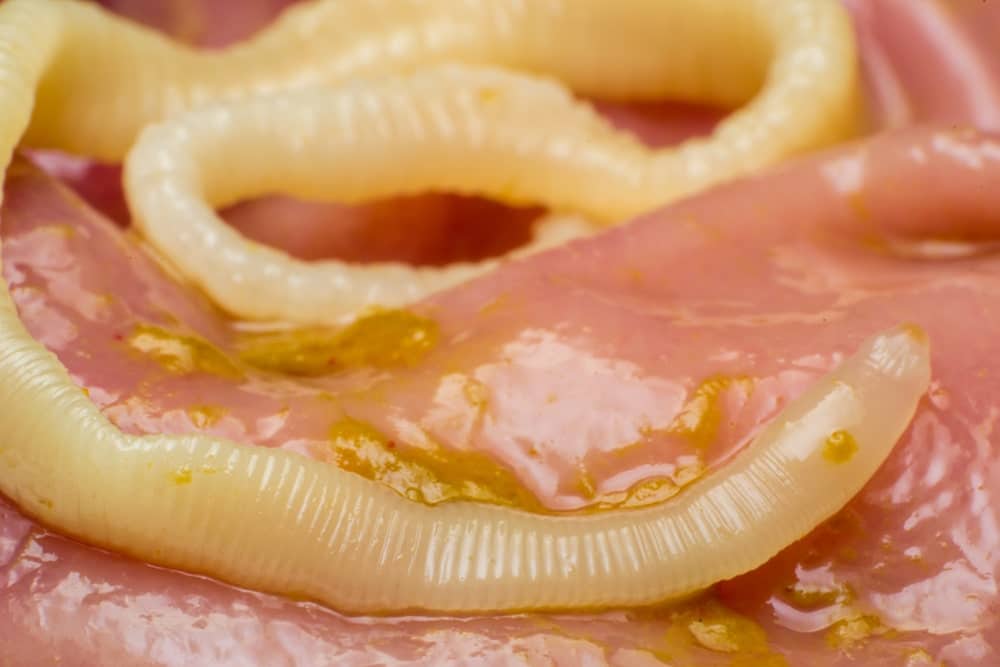
Several different species of tapeworms can infect our pet cats. Each has its own different life cycle, and the illnesses that they cause are also different.

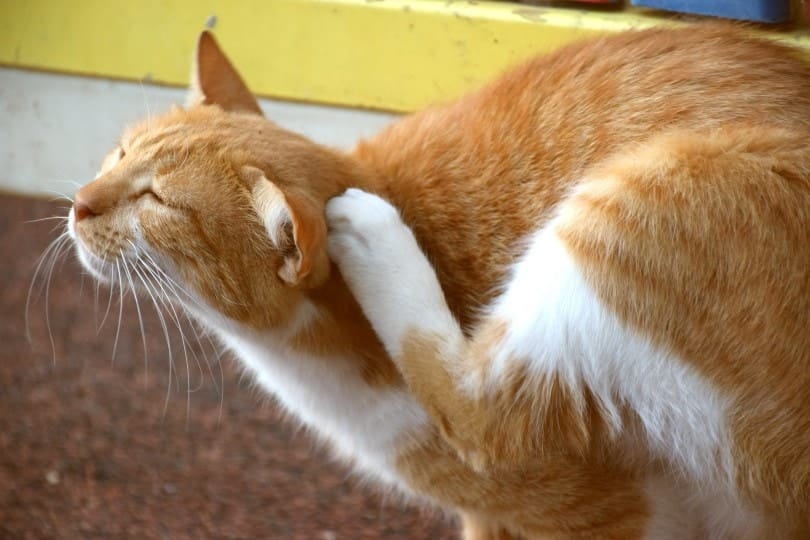
cat scratching ear
Image Credit: fotovictoria, Shutterstock
  • Dipylidium caninum

The most common tapeworm to infect cats in the US is called Dipylidium caninum, which is carried by infected fleas.

Cats catch the worm when they groom themselves to remove fleas, and end up swallowing the fleas as part of the grooming process. The worms then grow in the gut and release eggs in the feces. These eggs are eaten by flea larvae and stay there as the larvae mature into adult fleas, ready to be eaten by another cat or dog.

If your cat is infected with Dipylidium caninum, you may see small white segments of the worm in their stool or around their bottoms, which look a little like pieces of rice. These are loaded with eggs to infect other animals. Your cat may also be itchy around their bottoms.

  • Echinococcus species

The two most common Echinococcus species in the US are Echinococcus granulosus and Echinococcus multilocularis. They more commonly infect dogs or wildlife such as foxes or coyotes, but they can infect cats, too.

Cats may catch these worms by eating the meat from infected animals. This might be rodents (for E. multilocularis), or cattle and sheep (for E. granulosus). The worms grow in the gut and then shed their eggs into your cat’s stool. Unlike Dipylidium caninum, these eggs are microscopic, so you will not see them in your cat’s stools.

Often, these infections have no symptoms in cats, but they can still spread worm eggs. In rare cases, cats may become unwell from an Echinococcus infection. This needs diagnosis and treatment by a veterinarian, so if you are concerned then you should take your cat to a vet.

  • Taenia taeniaeformis

There are many different species of Taenia tapeworm, but the main one that infects cats is Taenia taeniaeformis. Your cat can catch them through hunting, or through eating raw or undercooked meat. Like Dipylidium caninum, they grow in the gut and shed small white segments in the stools.

divider 1 paws

Can Humans Get Tapeworms From Cats?

Humans can catch tapeworm infections from cats, but thankfully this is rare. However, certain types of tapeworm infection in humans can be life-threatening, so it is important to be aware of the risks.

woman hand petting cat
Image by: Christin Hume, Unsplash
  • Dipylidium caninum

You cannot catch Dipylidium caninum directly from your cat. However, if your cat is carrying infected fleas, then you can develop worms if you accidentally swallow one of the fleas. Thankfully, this is rare—it seems to happen more commonly with children, perhaps because they are much more prone to putting things in their mouths!

Humans will show the same symptoms as cats, with white segments passed in the stool or found around the bottom. They may also get itchiness around the bottom. These infections are usually not serious and are easily treated, but if you suspect you may have a tapeworm, you should speak to your family doctor.

  • Echinococcus species

Humans can become infected with both E. Granulosus and E. Multilocularis from the stools of infected cats, and both can cause serious illness. These worms do not live in the gut in humans but instead go to the liver, lungs, or other organs. They will form cysts (fluid-filled swellings) that slowly grow over time. These infections can be life-threatening and are often difficult to treat.

Scientists believe that cats may be able to pass Echinococcus infections to humans, but studies have not yet conclusively shown a link. However, these kinds of cases seem to be very rare. People at the highest risk are likely to be young children, seniors, or those who have suppressed immune systems (for example, from chemotherapy).

  • Taenia taeniaeformis

There are rare reports of Taenia taeniaeformis infecting humans, but it is not considered to be a significant problem.

divider 3 paws

What Should I Do if I Think I Have a Tapeworm Infection?

If you are showing any of these symptoms or are concerned for any other reason, then you should contact your doctor for further advice.

How Can I Prevent My Cat From Getting Tapeworm?

No treatment or lifestyle change is one hundred percent effective at preventing tapeworms, but we can reduce the risks of our cats catching them, and treat them regularly to try and kill any worms they do catch before they are passed on to other members of the family.

Deworm Them Regularly

Regular treatment with an effective deworming product will kill any tapeworms that your cat may have picked up. Not all treatments will kill tapeworms, so speak to your veterinarian to make sure you are using an effective treatment.

You will need to repeat this treatment at regular intervals. Your veterinarian can advise on how often you should be deworming your cat based on their lifestyle and risk factors.

“Natural” deworming options (such as pumpkin seeds, turmeric, or eggshells) are ineffective against tapeworms and are not recommended.

Treat Them for Fleas

As Dipylidium caninum is spread by fleas, you should keep your cat up-to-date with preventative treatment to reduce their risk of catching them. However, cats can still end up eating fleas before they are killed by the preventative, so they will still need deworming.

Avoid Contact with Wildlife

Cats who hunt, or who have contact with other wildlife, are at a much higher risk of contracting tapeworm than those who do not. An indoor-only lifestyle, or outdoor access via an enclosed garden or “catio,” will reduce the risk of your cat catching many types of parasites, including tapeworm.

If your cat does have free outdoor access, wearing a bell may reduce the amount of prey they catch.

Avoid Feeding Raw Meat

Raw food diets are currently trendy, but uncooked meat brings a much higher risk of catching parasites such as tapeworms. If you do feed your cat raw food, make sure they are wormed frequently, even if they have a 100% indoor lifestyle.

divider 2 cats

Conclusion

While it’s rare, humans can get tapeworms from cats. However, making sure your cat is dewormed regularly can help prevent this. Keeping your cat indoors and away from wildlife, plus avoiding raw meat can also help prevent these pests.


Featured Image Credit: Xseon, Shutterstock

Want content like this delivered to you?

Sign Up For Our Newsletter

News, insights, expert advice, and everything cat

* By submitting, you agree to our Terms & Conditions and Privacy & Cookies Policy.


How useful was this post?

Click on a star to rate (you can leave written feedback after clicking submit)

Help us improve Catster for pet parents!

Your feedback really matters.

What did you like about this post? Also how can we improve it?

Join the conversation

Leave a Reply

You’re very welcome to leave a comment or question. Please know that all comments must meet our community guidelines, and your email address will NOT be published. Let’s have a positive and constructive conversation.


Catster's Digital Magazine is Back!

Vet-approved health & behavior advice

Real cat stories & community features

Chatting About Big Cat Tourism, Lion Hunting, and Learning From Our Mistakes | Chatty Cattys, Episode 26

In this episode of Catster’s Chatty Cattys podcast, Nicole and Dr. Karyn dive into the dark side of big cat tourism and the...

Why Cats Sit by the Door (But Don’t Go Through It)

Door-sitting is one of those quirky little habits that almost every cat owner experiences at some point. You know how it goes: a...

Six Legs Are Better Than Three – How A Tripod Dog and Kitten Found Friendship Through Recovery

Sometimes the most meaningful friendships begin in the most unexpected places. At a Maryland veterinary hospital operated by Last Chance Animal Rescue, two...

The Original Space Invaders – Why Zero Respect for Personal Boundaries Is a Good Thing

Cats have a reputation for being independent, and in many ways they are. But anyone who has tried to work at a laptop...

More related

But What About Second Breakfast? When My Cats Think They’re Hobbits

Hi, I’m Dr. Karyn! Read my introduction to learn more about me and meet my five hilarious cats: Clutch, Cyril, Alex, Zelda, and...

Do Cats Like Hugs? Feline Preferences & Important Considerations (Vet Verified)

Cats are beloved pets known for their independent and enigmatic nature. While dogs often enjoy hugs and physical affection, the same may not...

Can Cats Eat Beans? Vet-Approved Nutritional Facts & FAQ

When making dinner, you pop open a can of beans and set it aside until you’re ready to cook with it. It’s not...

Why Do Cats Poop on Grass? 3 Vet-Reviewed Reasons & How to Stop It

Usually, cats are fastidious about burying their poop in loose earth, sand, or their litter tray. As pet owners, knowing about our four-legged...

Keep reading

Is Bird of Paradise Toxic to Cats? Vet-Reviewed Houseplants Examined

The Bird of Paradise is a large houseplant with beautiful foliage and unique flowers. But is Bird of Paradise toxic to cats? While it’s a common sight to see at plant stores, it’s not a good idea to bring one...

Catster_Is Bird of Paradise Toxic to Cats

Can I Use Human Eye Drops on Cats? Vet-Verified Facts and Precautions

While cats can develop eye problems just like humans do, their eye conditions should never be treated the same way that we would treat our own. This is especially true when it comes to treatments like human eye drops, as...

Woman with eye drops holding a cat

Fancy Feast Cat Food Review in 2026: Recalls, Pros & Cons

Review Summary If you’ve been researching cat foods, you’ve probably seen the name Fancy Feast. This well-known brand has been around since 1982 and now offers a wide range of over 150 different types of cat food, including dry kibble,...

Fancy Feast Cat Food Review

Can Cats Survive On Their Own By Hunting Wildlife? Vet-Approved Explanation

Cats are predators; even those who prefer to spend their time curled up in comfortable beds have the bodies and instincts of skilled hunters. The only real difference between feral cats and well-loved pets is their level of socialization. Cats,...

semi feral cat sitting on the ground looking up

Can Cats Eat Passion Fruit? Vet Approved Feline Nutrition Advice

Our feline friends love treats, and we love giving treats to them! Most of the time, we stick with cat-specific treats, but sometimes, it’s tempting to let our kitties have a bite of whatever we’re eating (especially when they have...

Can Cats Eat Passion Fruit

How Do Cats Drink Water? Vet-Approved Facts

Have you ever watched a cat drink water before? It’s not something many people think too much about, but it’s truly an amazing feat of physics that requires perfect timing and balancing inertia with gravity. Sounds unbelievable? Keep reading to...

cat drinking from cat water fountain

Why Do Cats Like Bathtubs? 9 Possible Reasons (Vet Reviewed)

While it’s common knowledge that many cats don’t like water, it’s not uncommon for cats to spend time hanging out near bathtubs. They typically don’t like bathtubs that have much water in them, but some cats seem to have an...

a cat sitting in the bathtub

Triumph Cat Food Review of 2026: Recalls, Pros & Cons

Review Summary Triumph brand cat food has earned an above-average rating compared to other brands that we have reviewed. Our rating is based on product quality, packaging, price, taste, shelf life, etc. Triumph cat food is made in the United...

Triumph Cat Food Review

Love Cats? So Do We! Join the Catster Community

Stay informed with expert pet care insights delivered straight to your inbox! Discover professional guidance on animal behavior, feeding tips, trusted product picks, and much more.


Sign up for the Catster Email Newsletter

Stay informed with expert pet care insights delivered straight to your inbox! Discover professional guidance on animal behavior, feeding tips, trusted product picks, and much more.