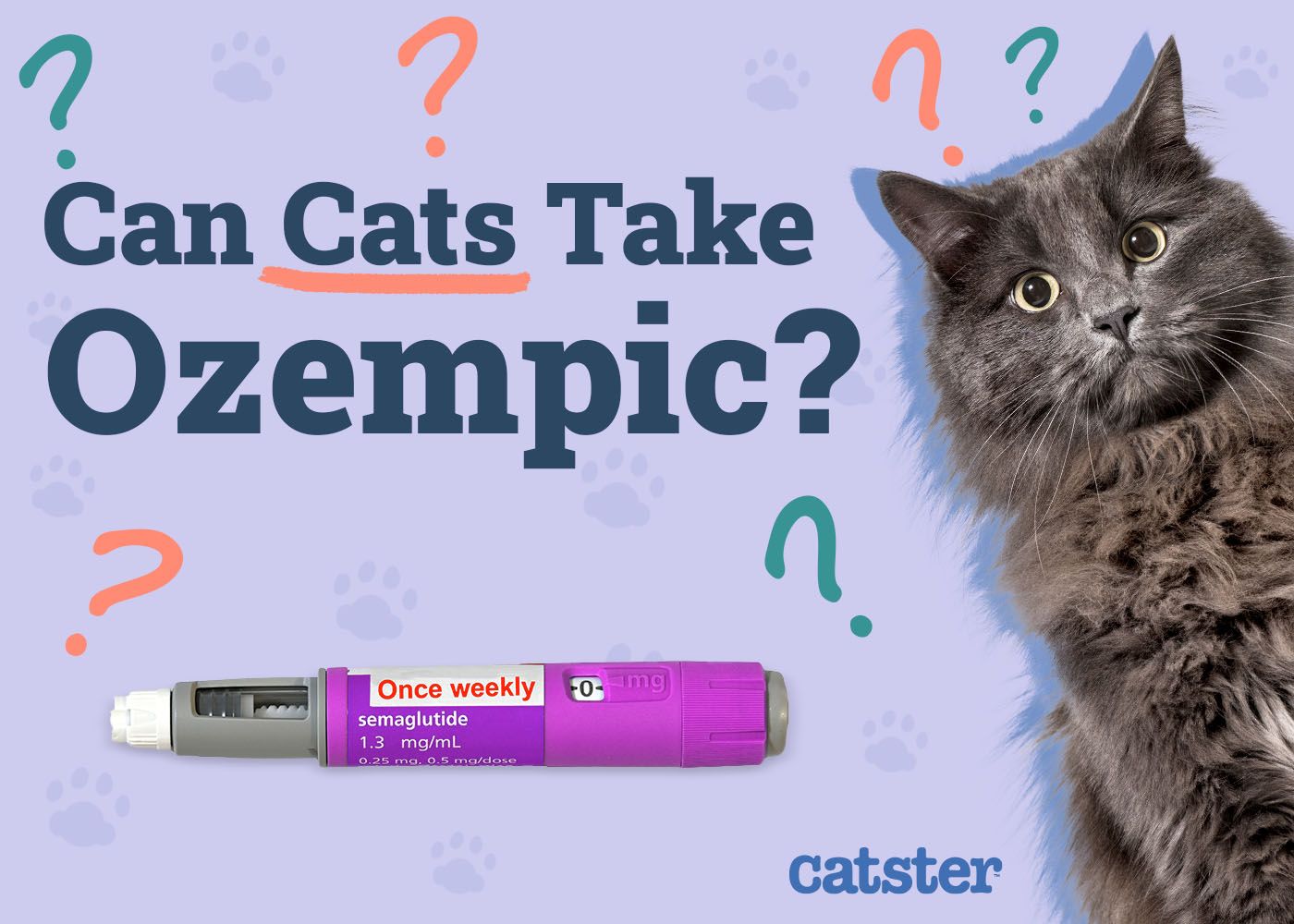
Can Cats Take Ozempic? Our Vet Explains
In this article
Medications like Ozempic are making quite a statement in the human medicine world, offering a new management strategy for people struggling with type II diabetes and weight loss. Since our kitties can also have these medical issues, many people are wondering whether Ozempic would work for felines.
You should not give Ozempic to your cat, but there are similar medications currently being researched to provide comparable benefits in the feline world.

What Is Ozempic?
Ozempic, or semaglutide, is a weekly injection that many humans are using to help manage their type II diabetes. It works similarly to a natural hormone, GLP-1, that is produced by the stomach and controls insulin release, the speed at which the stomach empties, and appetite. Increasing the amount of GLP-1 in the body helps lower blood sugar, decrease appetite, and slow the rate at which food leaves the stomach so people feel full for longer. Due to these capabilities, it can help manage type II diabetes by increasing the amount of insulin that’s released, and it can also help reduce the chances of stroke and heart attack.
Ozempic is additionally being used for weight loss because it helps control a person’s appetite and helps them feel satiated longer, potentially decreasing the number of calories that they consume.
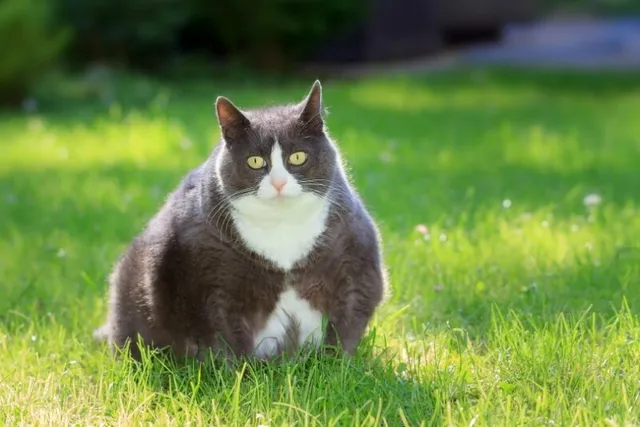
Since cats can have both issues—an estimated nearly 1% of cats have diabetes and over 60% are obese, it’s no wonder that both vets and cat owners would be jumping for joy over the possibility of a drug like this. But we’re not quite there yet.


What Is the Best Treatment for Diabetic Cats?
Currently, the most common ways that diabetes is managed in cats are injectable insulin and a dietary change. Some pet owners dislike the idea of injecting their cat twice a day, and for others, it’s difficult to manage the rigid schedule that providing insulin requires. These cats may instead be treated with a daily oral medication, such as Bexacat or Senvelgo. While administering a pill may still not be every cat owner’s dream, it can prove to be more comfortable than injections.
Is There a Weight Loss Medication for Cats?
While a healthy diet, smaller portion sizes, and more exercise are the three pillars for a kitty to shed unwanted weight, vets and cat owners alike know the challenges of getting a cat to work out and are more than familiar with begging-for-food eyes and yowls. Also, for some cats, it seems that every calorie that they eat tends to linger in their body as fat.
Right now, weight-loss assistance is focused on making those three pillars more feasible, with low-calorie food options, automatic pre-portioned feeders, and interactive toys that help get a cat moving. There may also be success with supplements like conjugated linoleic acids and hydroxycitric acid.

The Future of Weight Loss in Cats
While pharmaceutical companies are not working with Ozempic specifically as a weight-loss medication for cats, they are looking at similarly acting drugs. A study has shown a few potential benefits of another GLP-1 agonist, OKV-119, in helping achieve a 5% reduction in weight over a 4-month period. This medication was implanted under the skin, meaning no daily dosing. While this may seem ground-breaking, there were limitations to the study and remaining questions, so don’t expect to see this product in your veterinarian’s office any time soon.
With an increase in awareness of the obesity problem in cats among owners and pharmaceutical companies, there is little doubt that something resembling Ozempic will likely be on the market soon to help plump felines shed unhealthy weight.

Final Thoughts
While Ozempic is increasing in popularity on the human front, it is not currently something that should be given to felines, neither the diabetic variety nor the roly-poly type. If your kitty has either condition, speak to your veterinarian about potential changes in their treatment plan. They may be able to provide oral medications for diabetes or supplements for weight loss. Putatively, your vet is the best person to decide if these treatments are right for your cat, as they’re not the best fit for all feline friends.
Sources
Featured Image Credit By: Healthy Definition, Shutterstock

Expert cat care, straight to your inbox
Vet-reviewed advice, behavior tips, and the best of Catster. Free, and you can unsubscribe anytime.
By signing up, you agree to our Terms & Conditions and Privacy & Cookies Policy.
Dr. Chyrle Bonk DVM (Veterinarian)
On top of healing animals and writing for veterinary publications, Dr. Chyrle Bonk owns a small cattle herd! When she’s not busy with those things, she can be found somewhere in the Idaho outdoors with her husband and two kids.
Chyrle has practiced in a mixed animal clinic for over 10 years. She also writes for various veterinary websites and magazines, like Catster!
Dr. Chyrle Bonk received her Doctor of Veterinary Medicine (DVM) from Oregon State University in 2010.
Join the conversation
Ask a question, share your story, or send private feedback.