Can Cats Eat Cranberry Sauce? Vet Reviewed Health Risks & Alternatives


In this article
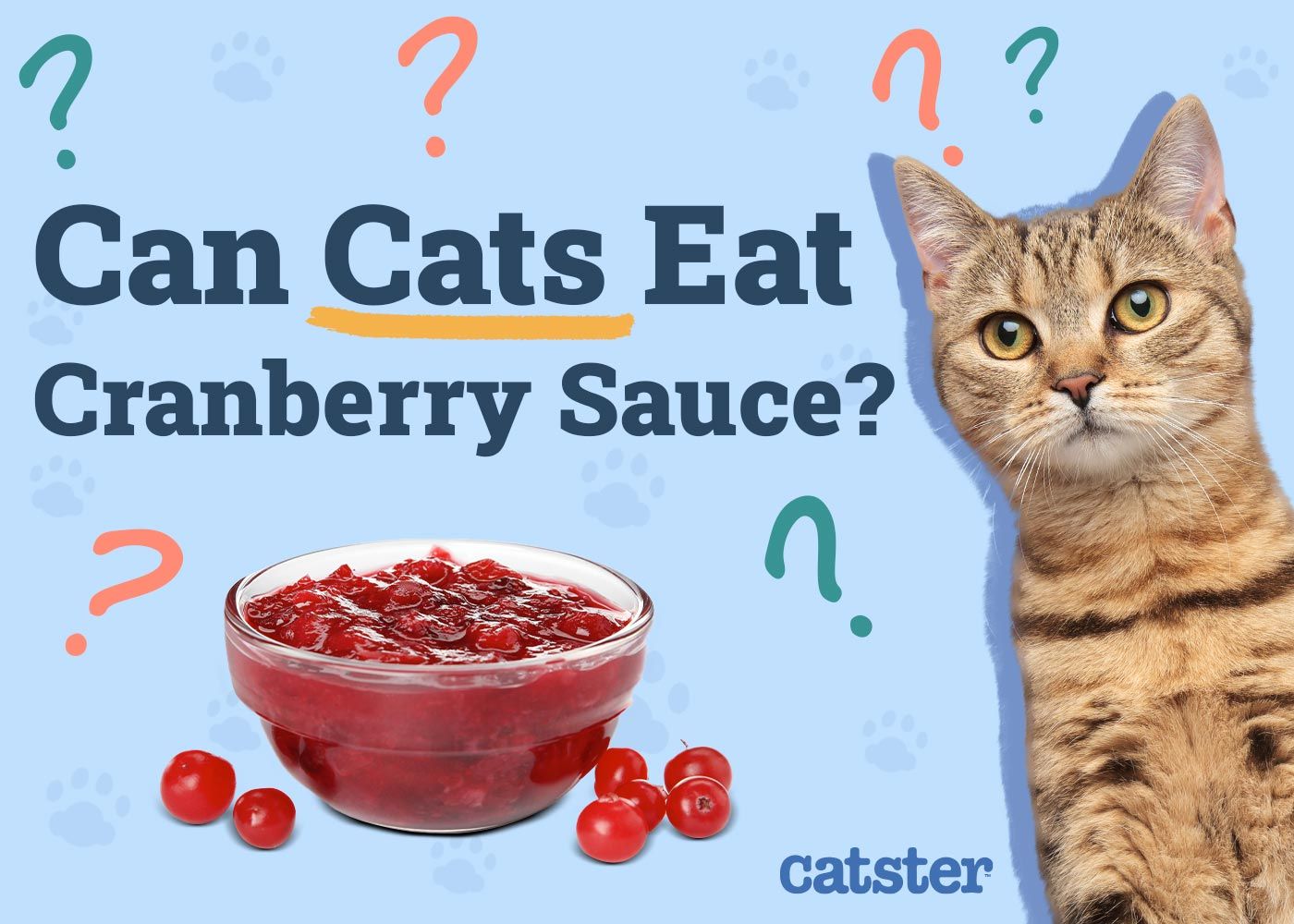
Cranberry sauce is a tasty condiment or side dish that goes well with many kinds of meals. However, if you’re a cat owner, you’ll want to think twice about feeding this sweet dish to your pet.
While cranberry sauce isn’t toxic to cats, it’s not the best snack for them because it tends to contain a large amount of sugar and few health benefits. Continue reading to learn more about why cats shouldn’t eat cranberry sauce.

Why Cats Shouldn’t Eat Cranberry Sauce
One of the main reasons that cats should avoid eating cranberry sauce is its sugar content. Both cranberry sauce and cranberry juice tend to contain high amounts of sugar that isn’t good for either humans or cats.
One ½-inch slice of canned cranberry sauce can contain about 22 grams of sugar. For context, children under the age of 18 shouldn’t eat more than 25 grams of sugar a day. So, you can imagine how much fewer sugar cats should eat and how they can easily end up consuming way too much from eating cranberry sauce.
While sugar isn’t poisonous to cats, it has little to no benefits for them. For one thing, cats can't digest sugar very well because their digestive tracts aren’t designed to digest carbohydrates efficiently. If your cat consumes too much sugar, you may notice the following signs of an upset stomach:
- Diarrhea
- Increased gas
- Lethargy
- Licking lips
- Loss of appetite
- Vomiting
Along with the immediate negative consequences, consuming too much sugar can lead to long-term health issues. Cats can quickly become overweight or obese or develop diabetes. They can also experience cavities, tooth decay, and other dental issues.
Lastly, cats can’t taste sweetness the way that humans can. Their tongue doesn’t contain any sweet flavor receptors, so they won’t enjoy the flavor of cranberry sauce. So again, sugar really doesn’t add any benefits to a cat’s daily nutritional intake or quality of life.

Can Cats Eat Cranberries?
While cats should avoid cranberry sauce, they can eat cranberries. Just make sure that they’re raw and not the sweetened and dried form. Dried cranberries have more calories per cup than raw cranberries. One cup of raw cranberries contains 46 calories, while just 1/4 cup of dried cranberries contains 92 calories.
Nutritional Benefits of Cranberries
Raw cranberries have various nutritional benefits.
They contain several vitamins and minerals, such as:
Raw cranberries are also a great natural source of antioxidants:
It’s because of these antioxidants that cranberries are considered a superfood. In the category of antioxidants, cranberries excel and outperform most other fruits and vegetables, including apples, broccoli, cherries, spinach, and strawberries.

Downsides to Cranberries for Cats
The one downside to raw cranberries is that they’re extremely tart, and cats may not like this flavor. Cats also have pretty sensitive stomachs, so they may take some time to adjust to eating new food. So, if it’s your cat’s first time eating cranberries, make sure to only feed them a small amount, and crush them into smaller pieces to prevent choking.
If you want to encourage your cat to eat cranberries and enjoy their many health benefits, you can try offering them in other forms, except for cranberry sauce and juice. Some cat supplements also contain cranberries, so you can add these to your cat’s diet.
While dried cranberries are healthier than cranberry sauce, it’s best to only give them as occasional treats because of their higher sugar content.

Other Healthy Alternatives to Cranberry Sauce
If you find that your cat just doesn’t have a taste for cranberries, you can always test out other healthy fruits to see if your cat likes them better. Here are some other fruits that are both safe for cats and nutritious. Again, any treat should be offered in moderation.
Apples

Apples are also rich in antioxidants and may even help with lowering the risk of developing diabetes, heart disease, and cancer. If you notice that your cat enjoys the consistency of cranberry sauce and cat food in pâté form, you can always blend the apples to create applesauce. Some brands also make healthy versions of applesauce that don’t contain added sugar.
Blueberries

Blueberries are the one superfood that outranks cranberries in antioxidant power. They’re also less tart and can be found more easily than cranberries.
Nectarines

Nectarines are highly nutritious and are an excellent source of vitamin C. They also have links to boosting the immune system, lowering the risk of cancer, and helping with weight loss.
Strawberries

Strawberries are other fruits packed with antioxidants. They’re also considered to be low-glycemic fruits, so many people with pre-diabetes and diabetes can enjoy this fruit without worrying as much about their blood sugar levels as with other fruits.
Final Thoughts
Cranberry sauce contains too much sugar and very few nutritional benefits that would make it worth feeding to cats. There are much healthier alternatives, such as raw cranberries and other fruits. Your cat will also most likely prefer a snack with a higher nutritional value and a flavor they can both taste and enjoy.
See Also:
Expert cat care, straight to your inbox
News, insights, and useful advice, delivered to you.

No spam — unsubscribe anytime.
By signing up, you agree to our Terms & Conditions and Privacy & Cookies Policy.
How useful was this post?
Click a star to rate. You can leave written feedback afterwards. (We read all feedback.)
Jessica is a freelance writer who spends most of her day researching and writing while her fluffy Cavapoo, Nora, naps beside her. She loves and appreciates pets and animals because there’s so much to learn from them, and they do so much for people. As a dog owner, she understands the special connection that pet owners form with their pets. She loves sharing helpful information that people can use to better understand their pets. When she’s not writing, you can find her walking dogs, tending to her plant babies, or drinking her nth cup of coffee.