Ask Dr. Paola – Fleas, Biting & FIV (August 11, 2025)
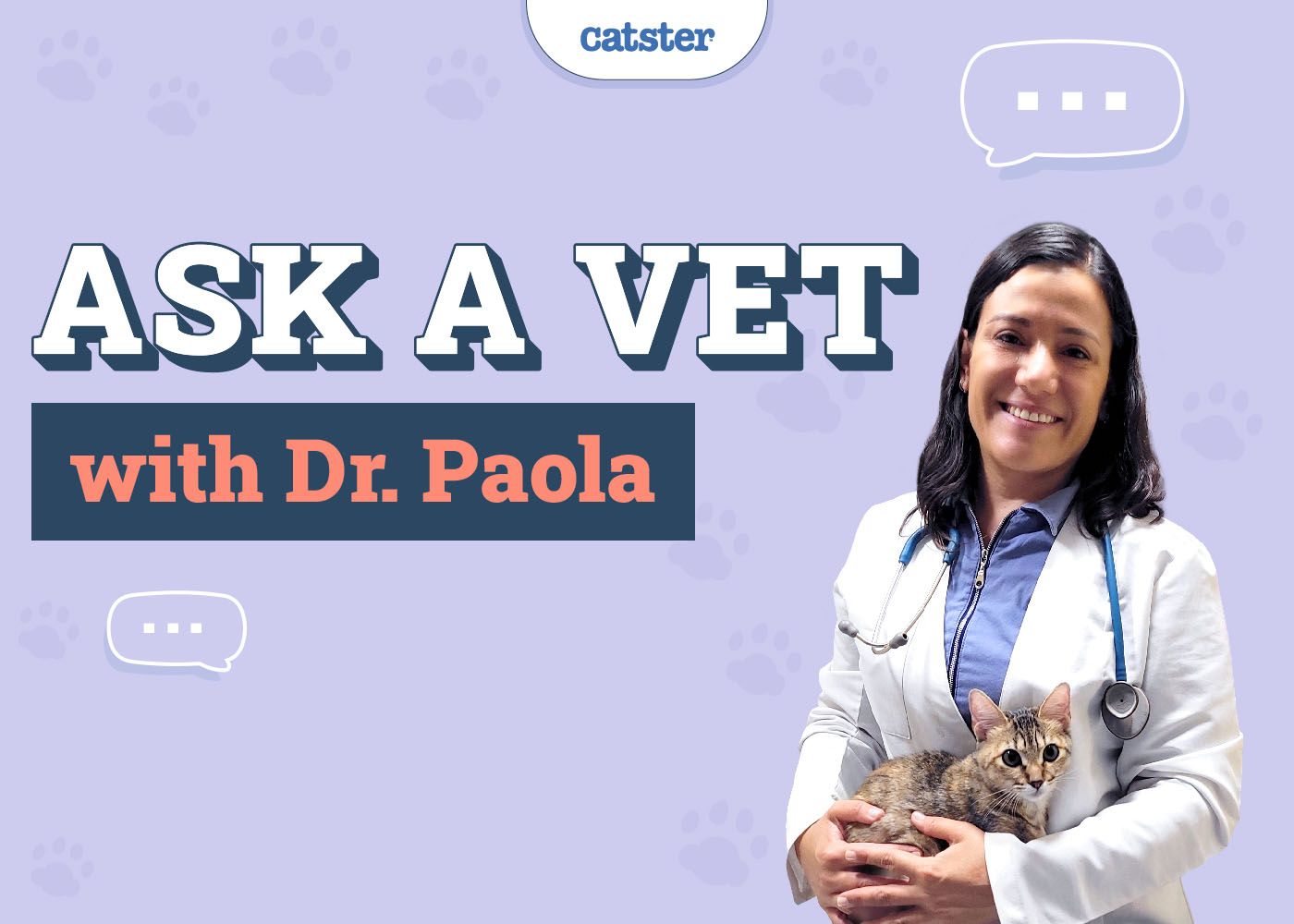
Welcome to our "Ask Dr. Paola" series, where every Monday we bring expert advice straight from Dr. Paola Cuevas (MVZ) to help our readers better understand their cat's health and well-being.
Whether you're a new pet parent or a seasoned cat lover, Dr. Paola is here to provide answers to your most pressing questions. From nutrition tips and preventive care to troubleshooting common behavioral issues, Dr. Paola is ready to offer insights that will keep your kitty happy, healthy, and feline fine. Stay tuned for expert guidance on a range of topics that matter most to you and your cat, so you can make informed decisions and provide the best possible care for your furry companion.
Have a question? Send it in here!

Help! My Cat Has Fleas!
“Dear Dr. Paola,
Recently, my cats, Peach and Birdy, contracted fleas, probably because our back yard is like a train depot for squirrels, possums, and other cats. I’ve even seen a rat out there!
Anyway, I had previously covered them both, effectively, with Soresto flea collars, but my vet says that collars aren’t effective for flea control. They suggested a prescription topical med that they will need every month instead of a collar every 7 months.
I had inadvertently let their collars go over the effective range; that’s why they got fleas. Can I have your thoughts on collars vs topicals?"- Tuth
Hi Tuth,
Thank you for sharing your experience. It sounds like you’re navigating a very common but frustrating challenge, especially in a backyard that’s essentially a crossroads for wildlife. Fleas thrive in these environments, and cats that spend any time near these high-traffic zones are at increased risk. You’re absolutely right that efficacy often comes down to timing and consistency, which is where many products, even good ones, can fall short if they’re not maintained on schedule.
The Seresto collar has been widely used and, for many pets, has provided effective flea control through its sustained release of imidacloprid and flumethrin. However, safety concerns have been raised in the past few years. The U.S. Environmental Protection Agency (EPA) received tens of thousands of adverse event reports, including over 1,700 pet deaths allegedly linked to the collar. Although the EPA and the manufacturer have stated that no direct causal link was confirmed and that most incidents involved mild skin reactions, the volume of reports led to increased scrutiny, updated warning labels, and a voluntary withdrawal from the Canadian market.
These concerns, paired with the possibility of decreased effectiveness as the collar nears the end of its active period, have prompted many veterinarians to prefer monthly prescription preventatives. Topical prescription treatments, like those containing fluralaner, selamectin, or imidacloprid combined with moxidectin, tend to be more consistent in maintaining therapeutic levels across the skin because they are reapplied monthly and are less affected by outdoor exposure or grooming habits. These medications also often target multiple life stages of the flea and may protect against other parasites like mites or intestinal worms, depending on the product.
In terms of efficacy and resistance management, many veterinarians lean toward prescription topicals or orals for more dependable control, especially in high-risk environments. That said, if a pet parent is diligent with collar replacement and the pet tolerates it well, collars like Seresto can still play a role. What’s most important is selecting a product that fits your lifestyle and sticking to a strict schedule.
I hope this helps!
Dr. Paola

Help! My Cat Scratches & Bites Me!
"My cat Precious scratches and bites me when I do anything for her. Examples are trying to get her into her carrier to go to the vet, brushing her fur daily, or even cleaning her eyes or teeth. Should I give her some calming medicine to help her care for herself?" - Maria
Hi Maria,
Thank you for sharing about Precious. What you're describing is a common challenge for many cat parents, especially when a cat feels threatened by handling. Cats like Precious aren’t trying to be “difficult;” they’re communicating distress, fear, or even discomfort with the situation. It’s a bit like trying to brush a child’s hair when it’s tangled and painful; they don’t always have the words to explain, so they react with resistance.
Before considering calming medications, I’d suggest first exploring behavior modification techniques and creating a more positive association with handling. Desensitization and counterconditioning strategies can help Precious learn that grooming, carriers, and eye cleaning are not threats but routines that result in rewards. For example, you can start by simply placing the brush near her while offering a tasty treat, then gradually progress to brief, gentle strokes paired with rewards. This process takes patience, but it builds trust and often reduces fear-based aggression.
If Precious continues to show signs of stress despite your efforts, it may be helpful to schedule a teletriage call with us at PangoVet for more personalized guidance. We can work with you to develop a step-by-step plan tailored to her needs and share additional strategies to ease handling. That said, any calming medication should only be prescribed by a veterinarian who has physically examined her, ideally in a fear-free clinic that prioritizes low-stress handling. The goal is always to support her emotional and physical well-being, not to silence important cues that signal discomfort.
Good luck!
- Dr. Paola

Help! We Have a FIV-Positive Cat!
“Hello Dr. Paola,
We have an FIV-positive stray cat called Oreo who adopted us three years ago. We’ve been putting eye drops in his eyes for some time now. Is this something we need to do, and if so, how often? Also, we have a powder we put on his food. Do we do this daily?" – Kim
Hi Kim,
Thank you for opening your home and heart to Oreo. It’s truly meaningful when a cat, especially one living with FIV (Feline Immunodeficiency Virus), finds a safe and loving environment. Cats with FIV can live long, comfortable lives with the right care, but they do need thoughtful, consistent support to manage potential flare-ups or secondary conditions.
Regarding the eye drops and the powder you’re using, it’s important to know exactly what these products are and why they were recommended in the first place. Some cats with FIV can be prone to recurrent eye inflammation or infections due to their altered immune function, but not all eye treatments are meant for long-term use. Using medications too frequently or without a clear diagnosis can cause irritation or even resistance, depending on the type. The same goes for the powder: whether it’s a supplement, antiviral support, or immune booster, its safety and dosing frequency depend on its active ingredients and Oreo’s current condition.
In this case, I strongly recommend a check-up with your veterinarian. If you’re unsure whether the eye drops or powder are still necessary, or how often they should be given, only a full clinical evaluation can provide accurate guidance. Because FIV can involve ongoing immune challenges, Oreo’s care plan may need to be adjusted periodically. In the meantime, if the issue is mild and you need general support, at PangoVet, we can help clarify safe next steps via a convenient online consultation while you arrange a full exam.
Dr. Paola
This article is a part of our weekly Ask Dr. Paola series
Expert cat care, straight to your inbox
News, insights, and useful advice, delivered to you.

No spam — unsubscribe anytime.
By signing up, you agree to our Terms & Conditions and Privacy & Cookies Policy.
How useful was this post?
Click a star to rate. You can leave written feedback afterwards. (We read all feedback.)

Dr. Paola Cuevas MVZ (Veterinarian)
Dr. Paola Cuevas is the Senior In-House Veterinarian at Pangolia, the parent company of Catster. She has over 18 years of experience as a veterinarian and animal behaviorist. Paola's focus is on preventive medicine and animal welfare. Paola has a large range of skills in from diagnostic imaging to nutrition and clinical pathology. Paola enjoys sharing her extensive knowledge of animal training with our Catster readers and is always happy to answer reader questions as our in-house veterinarian.