How to Tell if My Cat is in Pain: 7 Vet-Reviewed Signs to Look For


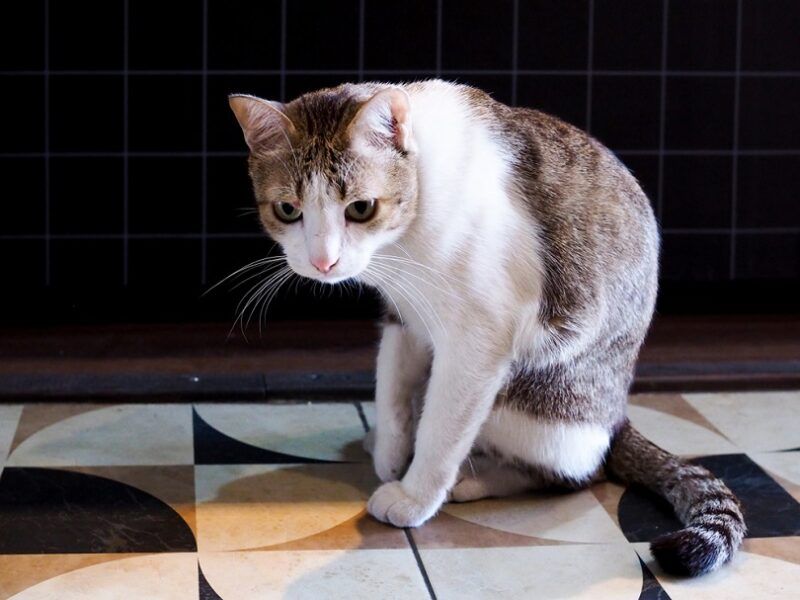
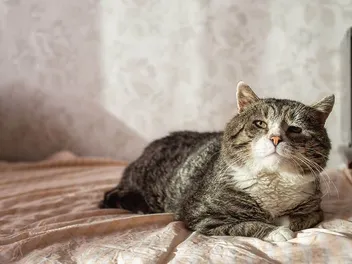
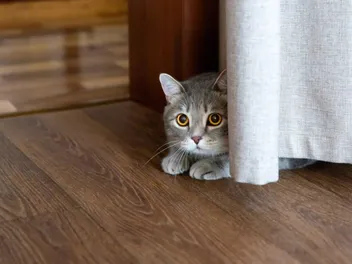
Cats are notorious for hiding their illnesses. From an evolutionary standpoint, it makes sense. Cats hide their illnesses to ensure they are not seen as easy targets by predators. While cats no longer have to worry about predators in our home, it is still hardwired into their brains to hide any signs. For this reason, it can be challenging to tell if your cat is in pain. Many hide it very well, and cats may be in considerable pain without showing behavioral differences.
As you might guess, this makes picking up on illnesses very difficult. Usually, when cats show signs of illnesses, they have been sick for quite a while. However, it can also make it challenging to determine when to provide pain medication after surgery, for instance.
Luckily, there are a few signs that cats may exhibit when they are in pain. They are typically very subtle, so you have to pay attention to spot them.

The 7 Signs Your Cat is in Pain
1. Reduced Appetite

Just like people when they are sick, cats don’t eat much, either. They may not eat much at all, eat in spurts, or only eat a reduced amount. If cats have a chronic illness, they may not eat at all one day and then eat a lot the next to make up for it.
Cats will eat enough to sustain themselves each day, but if their appetite abruptly changes, it could be a sign of pain.
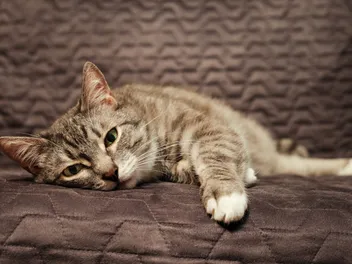
2. Lethargy
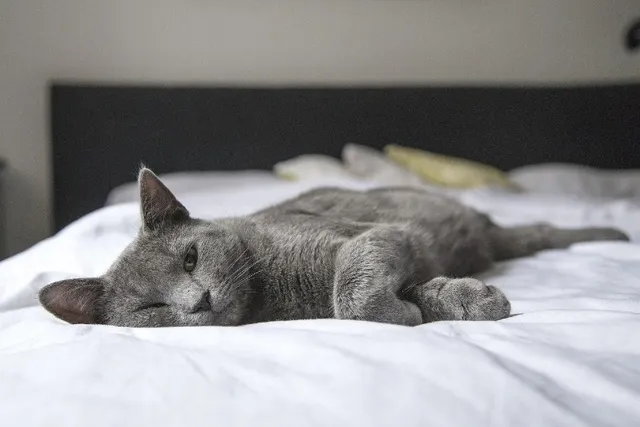
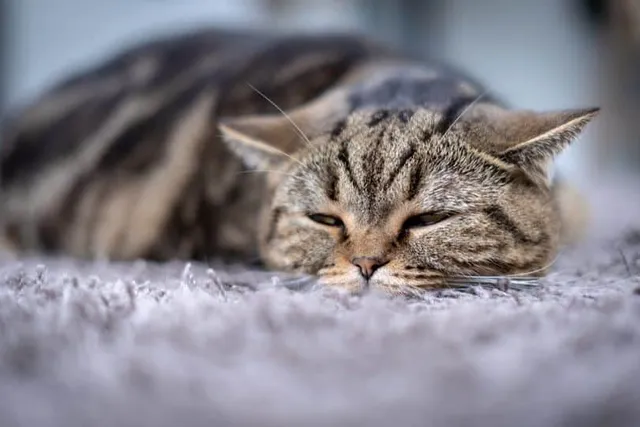
Cats that are in pain may spend more time lying around, which is especially common if their muscles or joints are hurting. Still, even if a cat’s stomach is upset, they may choose to lay around when possible.
Reduced activity is normal in some cases. For instance, cats typically calm down as they age. Kittens are usually much more active than adults, for example. Female cats also change their activity pattern during different times of the year if they are fertile. Hormones also play a large part in activity levels for males.
However, if your cat suddenly has a drastic change in their activity level, it may be because they are in pain.
3. Decreased Interest
This goes hand-in-hand with the previous two signs. If a cat is not feeling very good, they may not be as interested in playing or eating treats as they once were. If your cat usually runs up a storm every day when you get home, you may want to pay extra attention to them if they suddenly don’t.
Of course, cats change their interest levels at some point during their lives. Kittens love to play but may stop playing quite as much when they reach adulthood. However, sudden changes may be cause for concern.

4. Appearing Lame or Having Difficulty Moving
If your cat is having difficulty moving, it is likely a sign of a serious problem. While cats can have their legs fall asleep if they sleep on them incorrectly or get stung by bees, progressive and extended lameness or difficulty moving is nearly always the sign of a medical problem.
Typically, we recommend contacting a vet ASAP if your cat is having trouble getting around. Minor problems may be due to aging or arthritis, but some medications can help. Severe lameness can indicate broken bones and other conditions.
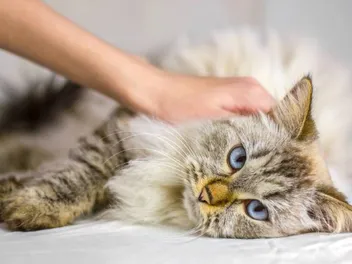
5. Sensitivity to Touch
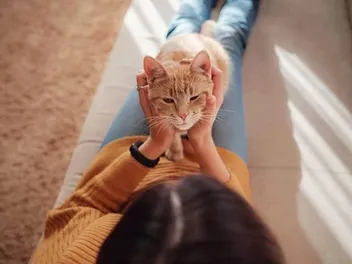
If a cat is hurting in a specific area, they may be sensitive to touch and hiss or bite when touched in that area. Other cats may get up and move if you touch them in that area. It depends on how sick they are feeling. Cats that really don’t feel like getting up may be more aggressive.
If you notice this sign, note where your cat reacts negatively to touch. This information will be helpful for a vet later, especially if you give them a call before heading in.

6. Behavioral Changes
Cats don't engage in everyday activities if they cause them pain. A common example is climbing and jumping. If your cat is experiencing joint or muscle pain, climbing and jumping will hurt.
Therefore, they may stop jumping up on the bed or using their scratching post. If your feline suddenly refuses to jump onto the couch, contact a vet. These changes can be very subtle and hard to notice.
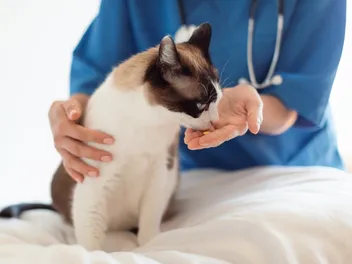
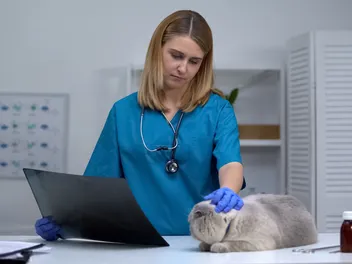
If you are concerned or have questions about your cat's health, you can also speak to a vet from the comfort of your own home to help make a plan. They can determine when an in-clinic vet visit should be made.
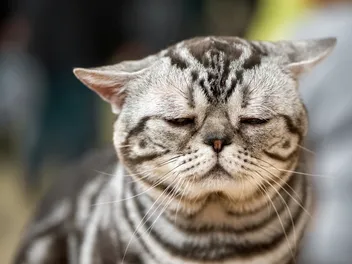
7. Aggression
Cats that are in pain are often more aggressive. Usually, this occurs because petting and cuddling can now be quite painful, and their aggression is their way of telling us to back off. However, cats can also become more aggressive because their mobility is reduced for one reason or another.
If they cannot run and jump as well as they used to, they may be unable to escape situations they do not like. Therefore, they may be forced to fall back to aggression more often.
Sudden aggression is almost always a sign of pain or discomfort. Cats can become more aggressive due to hormones, but it is rare and usually not dramatic. If your cat starts hissing and scratching more often, it may be due to underlying pain—especially if they aren’t moving around very well.
Conclusion
Cats usually do not readily show signs that they are in pain. They are very good at hiding it, which makes it difficult to spot illnesses and other conditions. However, there are subtle signs that you may notice when your cat isn’t feeling great. Most of them involve behavioral changes.
The exact type of behavioral change depends on where and when your cat is hurting. Usually, constant pain will cause lethargy and loss of appetite. Joint and muscle pain can cause movement problems, however. Cats may not jump or climb as much as they once did. All types of pain can lead to aggression, especially if your cat is sore in certain areas.
If you notice any of these signs, contact a vet. Be prepared to explain the changes you’ve noticed and explain when you started noticing them. If your cat appears okay sometimes and in pain at other times, you may need to answer further questions to figure out what is bothering your cat. Typically, the more information you can give, the better.
Sources
Featured Image Credit: Kittima05, Shutterstock
Expert cat care, straight to your inbox
News, insights, and useful advice, delivered to you.

No spam — unsubscribe anytime.
By signing up, you agree to our Terms & Conditions and Privacy & Cookies Policy.
How useful was this post?
Click a star to rate. You can leave written feedback afterwards. (We read all feedback.)
Kristin is passionate about helping pet parents create a fulfilling life with their pets by informing them on the latest scientific research and helping them choose the best products for their pets. She currently resides in Tennessee with four dogs, three cats, two fish, and a lizard, though she has dreams of owning chickens one-day!