Get

In Your Inbox

Catster is reader-supported. When you buy via links on our site, we may earn an affiliate commission at no cost to you. Learn more.

How to Help Stray & Feral Cats Survive in Winter: 8 Vet-Approved Tips


Share

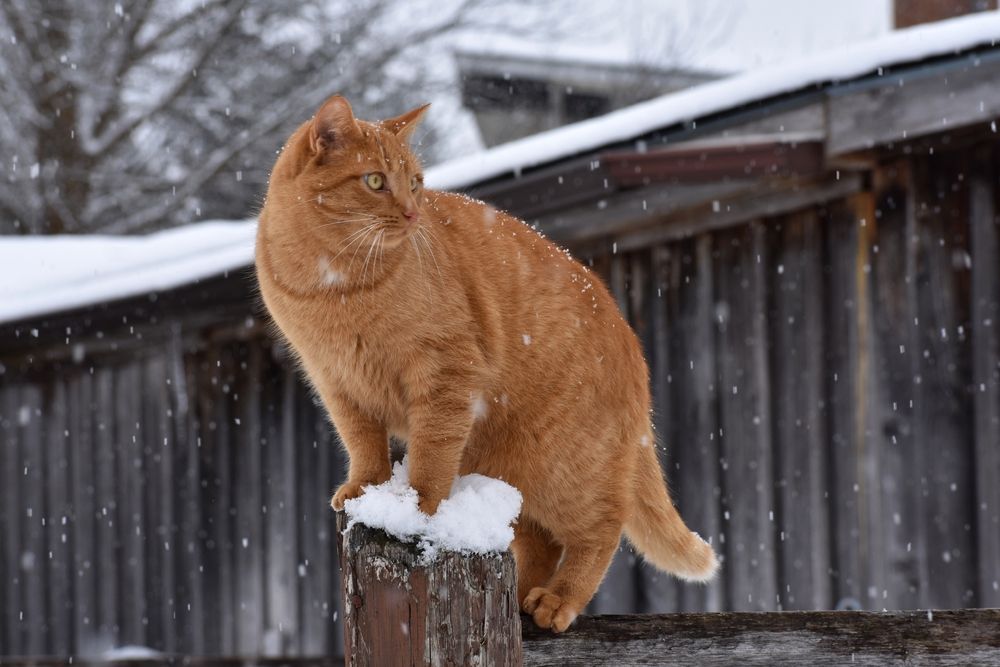
an orange barn cat out in the snow during winter

Winter is harsh for everyone, but even more so for stray and feral cats that are not lucky enough to be able to find refuge in loving homes. As the temperature drops, these animals face increased risks of hunger, disease, and even death. Fortunately, there are steps that we can take to assist these vulnerable creatures with getting through the colder months.

divider 2 cats

The 8 Tips to Help Stray and Feral Cats Survive the Cold

Here are eight ways to help stray and feral cats get through the winter season.

1. Provide Warm and Cozy Shelters

The best thing that you can do to help stray and feral cats protect themselves from the bitter cold is to provide them with outdoor shelters. But there’s no need to rack your brains to do this—a simple cardboard shelter can work. Elevate it, shield it with newspapers, and cover the lid with plastic to keep it dry. Plywood can be used to stabilize lightweight shelters. You can also use materials like polystyrene coolers, plastic bins, or wooden crates and insulate them with straw. In any case, be sure to keep the shelter off the ground to prevent moisture from seeping through.

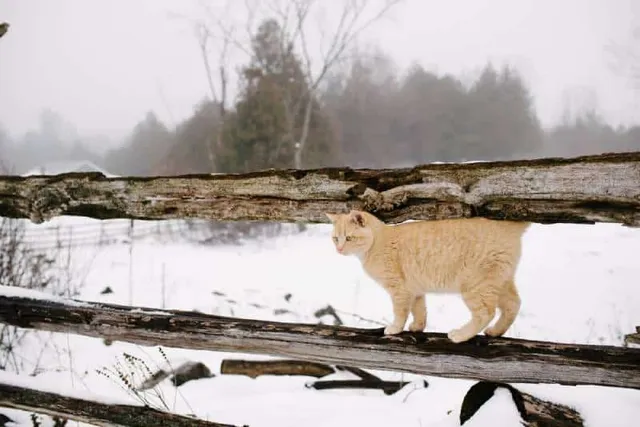
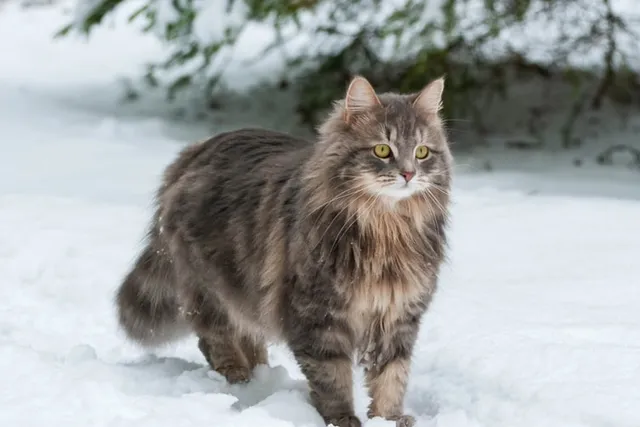
a barn cat on a fence during winter
Image Credit by: Liz Cooper, Shutterstock

2. Set Up Feeding Stations

In winter, cats need more calories to cope with freezing temperatures, hence the importance of providing them with sufficient food. Set up feeding stations in their frequented areas, using sturdy, weather-resistant containers to protect their food from freezing.


3. Provide Access to Fresh Water

Cats need to stay hydrated even when the temperatures outside are freezing. Unfortunately, they may have a harder time finding sources of liquid water during the winter, putting their survival at risk. If possible, get insulated or thick plastic bowls to prevent the water from freezing. Refill fresh water as often as possible, and make sure the bowls do not tip over inside the shelters.

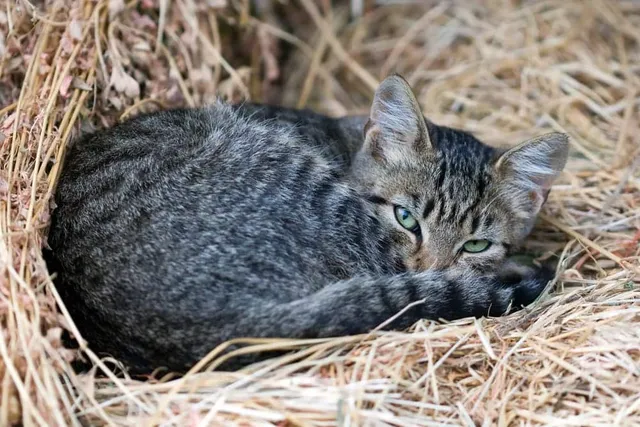
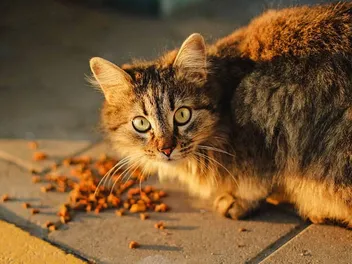
cat winter-pixabay
Image Credit by: rihaij, Pixabay

4. Check Under Your Car Before Starting

Remember to tap your hood a few times before starting your vehicle. It is common for stray cats to hide in there, attracted by a still-warm engine. Cats also tend to take refuge in garages, garden sheds, or any other accessible shelter. Be careful not to accidentally lock them in there.


5. Take Advantage of Trap-Neuter-Release (TNR) Programs

Implementing TNR programs is a long-term solution to help control the population of stray and feral cats. Many animal welfare organizations and groups offer these services, where cats are trapped, spayed or neutered, vaccinated, and then returned to their original location. This humane approach helps manage the population and improves the health and well-being of stray and feral cats that do not have easy access to veterinary care. However, you still need to make sure the cats will have access to adequate shelter when you return them to their territory.

orange-cat-having-vaccine_VP-Photo-Studio.-Shutterstock
Image Credit by: VP Photo Studio, Shutterstock

6. Coordinate With Local Animal Shelters

Another way to help stray cats is to contact animal shelters and local rescue organizations to see if they have any winter initiatives in place. Many organizations have programs to provide resources like food, shelter, and medical care to stray and feral cats.


7. Seek Professional Assistance

If you are having difficulty or need advice on helping stray or feral cats, please do not hesitate to seek professional help. Animal welfare organizations, local shelters, experienced feral cat caregivers, and veterinarians can all help you in your efforts to improve the living conditions of outdoor cats during the harshest winter months.

We suggest you contact a vet online if you need urgent veterinary advice.


8. Adoption and Foster Care

Fostering or adopting a feline without a home can seem like the best option to help them in the winter months, but it is important to understand the difference between stray and feral cats. A stray cat is one who has been socialized with people at some point in their lives, but has lost or left their home or been abandoned. Stray cats that are fostered or adopted and re-introduced to a cozy, indoor home can settle in well, and this can be a great option for them in the right circumstances. Feral cats, however, are unsocialized outdoor cats that have not had previous contact with people and so are generally fearful of humans and therefore unlikely to enjoy living indoors. Healthy feral cats in general are content living outside, but kittens born to feral cats can be socialized at a young age and fostered or adopted.

divider 2 cats

Final Thoughts

Stray and feral cats are generally more accustomed to changing weather conditions than our indoor feline companions. However, harsh winter conditions can put them at risk. By providing warm and dry shelters, food, fresh water, and other resources, we can contribute to their immediate survival during the coldest months and make a significant difference in their lives. Stray cats can often be adopted and re-adjust to living indoors with people. Adult feral cats are not socialized to people and so cannot usually be fostered or adopted to indoor homes.


Featured Image Credit: Je Brou, Shutterstock

Want content like this delivered to you?

Sign Up For Our Newsletter

News, insights, expert advice, and everything cat

* By submitting, you agree to our Terms & Conditions and Privacy & Cookies Policy.


How useful was this post?

Click on a star to rate (you can leave written feedback after clicking submit)

Help us improve Catster for pet parents!

Your feedback really matters.

What did you like about this post? Also how can we improve it?

Join the conversation

4 Responses

  1. I just walked past a parked car, and I think I heard one of the stray cats underneath it crying for help. Its really cold outside, but I'm not very fond of cats ad I use to have allergies and probably still do. I feel bad about the cat's situation.

    1. Hi Michael Alexander, thanks for your comment. You can still help the cat by contacting animal services in your area or publishing the case in local social media groups, perhaps someone in the area who is not allergic to cats can help. Thank you for caring.

  2. Feral cats i have winter shelters on both porches but husband concerned about urinating on porches. Is there a solution of what i can provide for these cats?

    1. Hi Patricia, thanks for reading us. We suggest you place some litter boxes on the porches, there is a high chance they will prefer to use those. Best wishes.

Leave a Reply

You’re very welcome to leave a comment or question. Please know that all comments must meet our community guidelines, and your email address will NOT be published. Let’s have a positive and constructive conversation.


Catster's Digital Magazine is Back!

Vet-approved health & behavior advice

Real cat stories & community features

Chatting About Big Cat Tourism, Lion Hunting, and Learning From Our Mistakes | Chatty Cattys, Episode 26

In this episode of Catster’s Chatty Cattys podcast, Nicole and Dr. Karyn dive into the dark side of big cat tourism and the...

Why Cats Sit by the Door (But Don’t Go Through It)

Door-sitting is one of those quirky little habits that almost every cat owner experiences at some point. You know how it goes: a...

Six Legs Are Better Than Three – How A Tripod Dog and Kitten Found Friendship Through Recovery

Sometimes the most meaningful friendships begin in the most unexpected places. At a Maryland veterinary hospital operated by Last Chance Animal Rescue, two...

The Original Space Invaders – Why Zero Respect for Personal Boundaries Is a Good Thing

Cats have a reputation for being independent, and in many ways they are. But anyone who has tried to work at a laptop...

More related

7 Best Christmas Tree Stands for Cats in 2026 – Reviews & Top Picks

When it comes to Christmas, our feline friends like to get in on the fun. While your cat may not be able to...

Do Cats Pee to Mark Territory? Vet-Reviewed Cat Behavior Explanation

If you’ve ever seen your cat back up to a wall, the couch, or anywhere that is a vertical surface and spray urine,...

Mercury Poisoning in Cats: Our Vet Explains the Signs, Causes & Care

Mercury poisoning in cats is a rare condition. However, with mercury levels being fairly high in some commercially sold fish, it is possible...

Do Oriental Shorthair Cats Shed? Breed Vet -Verified Facts & FAQ

Oriental Shorthair cats are sleek. They have almond-shaped eyes, flaring ears, and a short, fine-textured coat that lies close to the body. Orientals...

Keep reading

How to Keep Your Indoor Cat Happy: 12 Vet-Reviewed Tips

If you want your cat to live as long as healthfully as possible, keep them inside. Indoor cats not only tend live longer than their outdoor counterparts, but they’re exposed to fewer illnesses, infections, and injuries. They will inevitably require...

woman-playing-with-her-cat

Snowshoe Cat Lifespan: How Long Do They Live? Average Lifespan Data & Facts

You may not be familiar with the Snowshoe cat, but it’s a breed that is a mix between Siamese and the American shorthair. These felines are sociable, fun, playful, and affectionate, but if you are considering adopting one, you should...

Snowshoe cat lying on woven mat

Why Does My Cat Take My Spot? 5 Vet-Verified Reasons

When you became a cat parent, you probably didn’t expect to regularly give up your comfortable seat. Many cats have a knack for stealing our seats, whether it is the hard dining chair or couch. Getting up from your seat...

Scottish Shorthair cat lying on a velvet couch

How Much Do Male Cats Purr? Vet-Verified Facts & FAQ

A cat’s purr is comforting to both humans and cats, but how much a cat purrs varies widely by individual personality. Sex (male vs. female) does not meaningfully influence how often a cat purrs. Generally speaking, male cats purr the...

adorable cat get pampered by owner

Explaining Cat Behavior Problems: (With 9 Vet-Approved Solutions)

Veterinarians are regularly asked how to deal with certain cat behavior problems, such as peeing outside the litter box, attacking people, chasing other cats, and destroying furniture. While health conditions can lead to issues, problematic conduct is often an expression...

ginger tabby cat looking up meowing

What Cleaning Products Are Safe for Cats? 10 Vet Approved Items to Keep at Home

Cleaning when you have cats can be a worrying business. Common cleaning agents like ammonia, chlorine (bleach), phenols, rubbing alcohol, formaldehyde, benzalkonium chloride, and essential oils can all be harmful to cats if they come into contact with them. If...

cleaning-a-dirty-mattress

Is It Better to Have Two Cats (or More)? Vet-Verified Factors to Consider & Tips

Cats are some of the most misunderstood animals. Many ideas people have about them are anecdotal or based on folklore. We know that they are closer to their wild side, and many of their behaviors are instinctive, such as scratching...

two cats side by side each other

Why Does My Cat Watch Me Shower? Feline Behavior Unveiled (Vet-Verified)

Anyone who lives with cats knows that they are prone to some strange behaviors. For one reason or another, our cats exhibit many behaviors that don’t exactly make sense to us. However, that doesn’t mean that these behaviors aren’t absolutely...

cat staring at their owner in the bathtub

Love Cats? So Do We! Join the Catster Community

Stay informed with expert pet care insights delivered straight to your inbox! Discover professional guidance on animal behavior, feeding tips, trusted product picks, and much more.


Sign up for the Catster Email Newsletter

Stay informed with expert pet care insights delivered straight to your inbox! Discover professional guidance on animal behavior, feeding tips, trusted product picks, and much more.