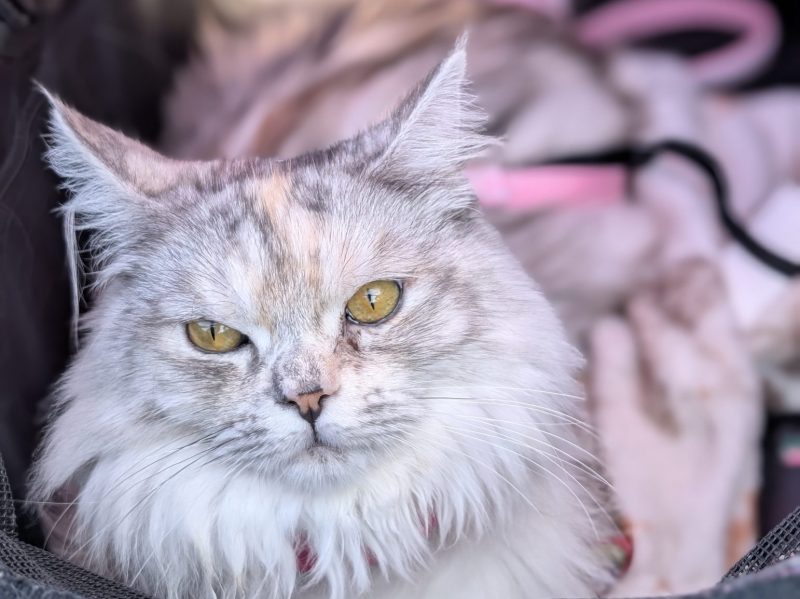
Approximately a third of US households keep cats, making them the second most popular species of pet after dogs. But very few of us really understand how they work. And while the digestive system might not be the most glamorous element of our feline friends, it is an important one. Poor digestive health can lead to a host of conditions and ailments, while a cat with good gut health is likely to suffer from fewer illnesses, have a better quality of life, and cause less of a difficult mess.
Below are some interesting facts about cat digestive systems including information on how to help ensure a healthy digestive system for your cat.

The 6 Surprising Cat Digestive System Facts
1. Cats Are Obligate Carnivores
Cats are obligate carnivores. This means that the vast majority of their diet must consist of meat. In the wild, this diet would include eating the whole prey with its organs and even parts like feet and feathers. Cats may also consume some vegetation that they would get from the stomachs of their prey, if they were hunting in the wild.
As pets, cats tend to consume more plant matter than their wild counterparts, but an optimal diet is one where most of the protein in their food comes from meat. Owners can help ensure this is the case by choosing good-quality complete and balanced commercial food that lists meat at the top of its list of ingredients.
Typical meat proteins come from chicken, turkey, lamb, and fish. Although cats can digest some plant matter, their digestive system is not optimized for this. Furthermore, there are certain amino acids (the building block for proteins) that can only be obtained by meat.

2. Cats Have 30 Teeth
As carnivores, cats’ teeth are designed to help them grip, kill, and shred prey, although they are also used for grooming and as a means of self-defense. Compared to humans, who have 32 permanent teeth, and dogs, who have 42 teeth, cats have 30 teeth 1.
They have 4 sharp teeth (canines) to kill their prey and shred it and 12 small front teeth (incisors) to grip onto their catch. They also have molars and premolars to cut food into pieces and chew bone.
3. Their Jaws Only Move Vertically
Unlike humans, but like dogs, cats can only move their jaws up and down 2. The sideways gnawing motion is primarily used to grind down plant matter. This might be why you can see whole blades of grass in cat and dog poop or vomit, because they can’t grind them down into smaller pieces.

4. Cats Need Taurine from Their Diet
People and dogs can make their own taurine, but cats are unable to do this. Instead, they have to get the taurine they need directly from eating animal protein. This is one of the reasons that cats must have a lot of meat in their diet, and if a cat doesn’t get enough taurine in their diet, they will show signs of taurine deficiency which includes problems with the heart, eyes, immune system, and growth 3.
5. The Digestive System Has Reflexes
Cats will generally poop not long after eating, with most visiting the litter tray or their favorite spot in the garden after about 24 hours, on average. The gastrocolic reflex contributes to this: when cats eat, their colon gets the message to increase activity, resulting in migrating waves that move the fecal matter in the colon. Humans have this reflex, too!
Knowing this can help you monitor your cat for signs of constipation. Cats tend to need to poop between 15 and 24 hours after eating. If your cat is eating regularly and has not been to the toilet for more than 24 – 48 hours, you should contact your vet.
6. Cats Can Adapt to Different Types of Feeding
Kittens need to eat more often compared to adult cats because they have smaller stomachs and they are in a rapid growth phase. That being said, cats in the wild are used to eating many times throughout the day because they may catch up to 10 to 20 small prey. However, cats’ feeding behavior is dependent on the available resources. Some cats can adapt to eating two meals a day, while the majority will prefer to graze if given the opportunity. Free feeding is suitable for dry food, but wet/fresh food left out can spoil and must be given at specific times.
Feeding your cat a high-quality diet is important for keeping them healthy and happy. But it goes beyond the food you choose; the dishes they use also matter. The Hepper NomNom Cat Bowl is our favorite for its unique, five-star design that protects from whisker fatigue and promotes good posture which also aids in better digestion. As an added bonus, it’s beautifully crafted and offers a modern take on the traditional cat bowl that fits seamlessly with all home stylings. Learn more about the NomNom by clicking here. At Catster, we’ve admired Hepper for many years and decided to take a controlling ownership interest so that we could benefit from the outstanding designs of this cool cat company! 
How Can I Help My Cat’s Digestion?
There are a lot of ways you can help ensure a healthy digestive system in your cat. First off, ensure that they are getting all the essential ingredients required, including protein from meat and vitamins and minerals.
Monitor your cat’s feces and gastrointestinal transit time to understand if their diet is suitable. Soft or runny feces indicate a digestive problem that must be addressed by your veterinarian. If necessary, you can look for foods that contain probiotics and prebiotics, which work together to encourage good gut flora. Exercise also helps keep your cat regular, so make sure you play with your cat daily and offer interactive toys that will keep them active when you’re not around.
Make sure you offer a variety of flavors and textures to your kitten from an early age, so they accept different diets throughout their life.

Conclusion
Cats are intriguing, fascinating creatures. They share our homes and have some odd quirks that keep us entertained and amused. One of the reasons for this amusement is that cats are different from us people. One way that they are different is that while we are omnivores and can get all the nutrition we need from plants or animal matter, cats are obligate carnivores, and the vast majority of their diet must consist of animal-based ingredients. This is just one of the many ways that a cat’s digestive system differs from ours.
Featured Image Credit: Dina da, Shutterstock
 The 6 Surprising Cat Digestive System Facts