Cat Dandruff: Vet-Verified Signs, Causes & Care


In this article
If you ever notice white flakes on your cat’s fur or skin, you could find yourself wondering if it could be cat dandruff. Dandruff is very common in humans, but can cats get dandruff? Is dandruff a minor condition in cats, or is it something more serious? These are understandable concerns. In many cases, cat dandruff is not serious, but that is not always the case. If your cat has recurring dandruff or excessive dandruff, it could be a sign of a more concerning problem.
Here is everything you need to know about cat dandruff, including if they get it, what causes it, signs to look out for, and potentially serious health conditions that can be associated with cat dandruff.

Can Cats Get Dandruff?
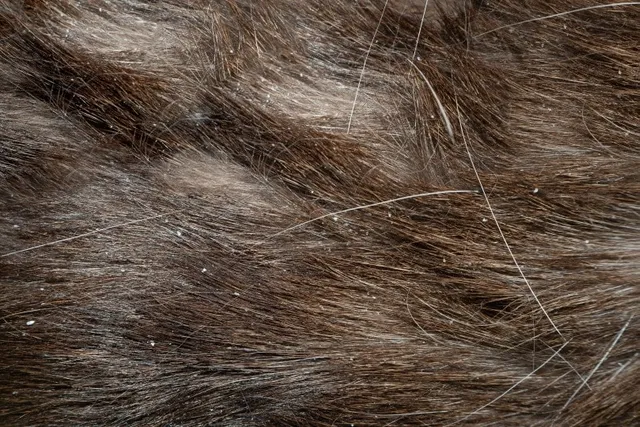
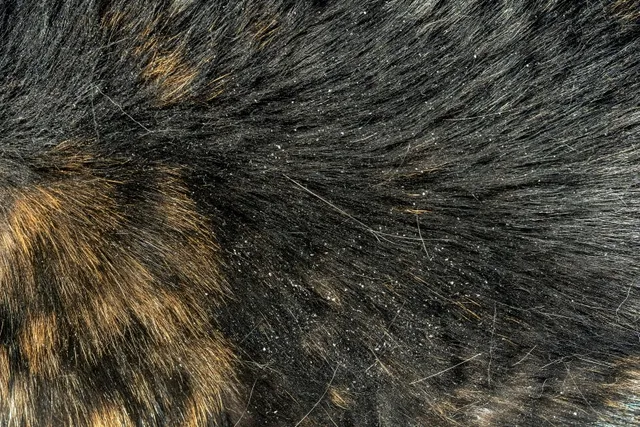
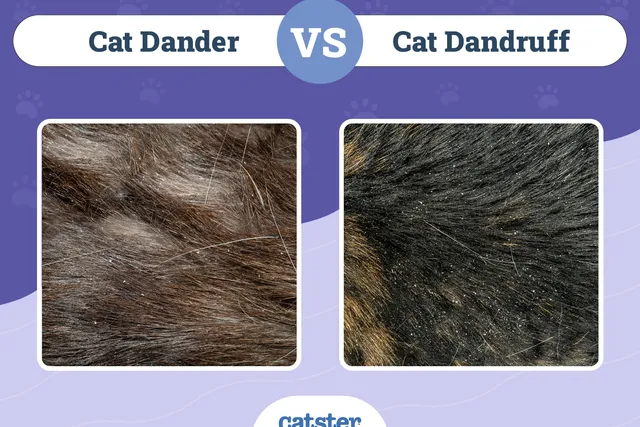
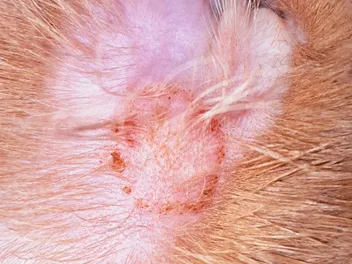
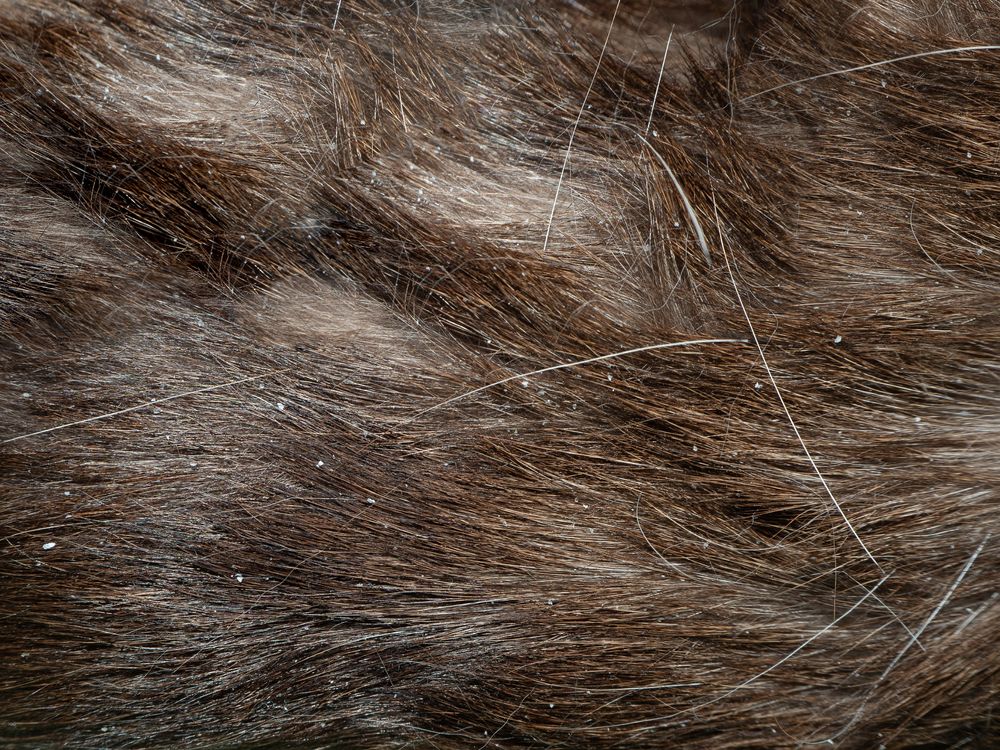
Yes. Cats can get dandruff just like people can, it’s quite common to get a build-up of dandruff on a cat's back near the tail. Cat dandruff is the buildup of white flakes on the skin and under the coat. These flakes are clusters of dead skin cells. Dandruff occurs when these cells cannot shed effectively or when something is causing the upper layer of skin to die and turn over more quickly than normal.
Cats can get dandruff for a number of reasons. Most of them are fairly benign, but some of them can be more serious.
What Are the Signs of Cat Dandruff?
The signs of cat dandruff are visible white flakes as you would expect.
Depending on the underlying cause this may be accompanied by other signs such as:
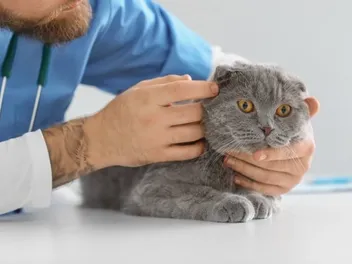
If you notice these signs and if they are starting to affect you or your cat negatively, it is time to contact a vet to discover and tackle the underlying problem.
What Are the Causes of Cat Dandruff?
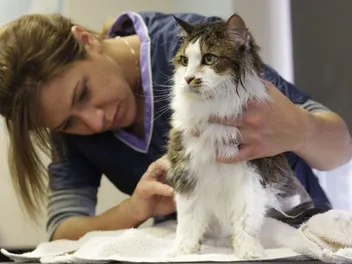
There are a number of things that can cause cat dandruff. They range from simple, such as dry skin caused by low humidity, to minor, such as skin allergies, to serious, like skin cancer or advanced arthritis. If your cat has recurring or persistent dandruff, there could be something serious that is causing it. The only way to confidently identify the underlying cause of your cat’s persistent dandruff is to consult a veterinarian.
The causes of significant amounts of dandruff can be broadly divided into underlying skin problems, and a lack of grooming.
Skin problems
Many different problems can affect the skin and result in dandruff including:
Lack of grooming
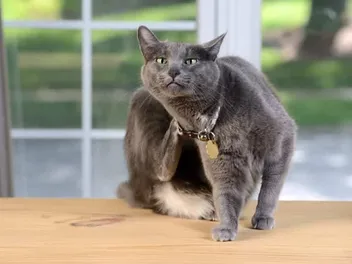
Cats are normally fastidious groomers, if they are unable to groom themselves adequately it can cause a build up of dandruff.
Reasons your cat may not be grooming themselves properly include:
Obesity and arthritis might not seem that serious at first glance but the presence of dandruff in combination with one of these common health conditions speaks to the fact that your cat’s arthritis or obesity is starting to affect their daily life. It is a red flag that something needs to change.

How Do I Care for a Cat With Dandruff?
In most cases, a small amount of cat dandruff is not a serious condition. Most of the time, it is a minor irritant or a cosmetic problem. Whether your cat has dry skin or something more serious, there are a number of ways to care for a cat with dandruff.
If your cat is itchy or has red or inflamed skin or bald patches, the first thing you need to do is make an appointment with the vet, as these are signs that we are not simply dealing with dandruff. If your cat is otherwise bright and well, there are a few things you can do at home to try to rid your cat of their flaky problem.
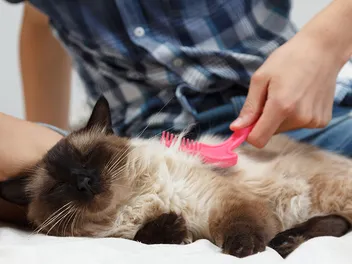
- Grooming - even if your cat is fastidious about cleaning, it can be difficult for them to really stimulate the skin, so a good brushing can help stimulate the skin’s natural oils and remove any flakes. For cats who are not very keen on being brushed, you might want to try a grooming glove, or check out some tips on how to help your cat get used to being groomed.
- Omega 3 Fatty Acids - supplementing your cat’s diet with omega 3 fatty acids can help improve their overall well-being, kidney function, joint health, and skin condition.
- Bathing - not all cats are going to cooperate with having a bath, and they are not always needed. In fact, bathing your cat too frequently can dry out their skin and make their dandruff problem worse. However, giving them a wash and skin massage with a mild shampoo designed for cats with excess dandruff and dander can help combat dry, flaky skin.
- Have a look at their diet - the food your cat eats has a huge impact on their overall health, and certain ingredients can even trigger sensitivities in cats that can affect their skin. You might want to consider trialling a novel protein diet to see if their food is contributing to their skin issues, or do some research to make sure your feline friend is getting the best food you can give them.
- Consider the season - cats that only get dandruff in the spring may be suffering from seasonal allergies, while those only affected in winter may be feeling the drying effects of indoor heating. Consider adding a humidifier to their most frequented areas to help combat dry skin.
- Hydration - make sure your cat always has plenty of drinking water available.
Frequently Asked Questions (FAQ)
Why Does My Cat Have So Much Dandruff?
If your cat has a large amount of dandruff that will seemingly not go away, it could be caused by highly contagious Cheyletiella mites. This uncommon condition is often referred to as walking dandruff due to the activity of this mite on the skin's surface. These mites feast on a cat’s dead skin and cause irritation and dandruff. They are very mobile and will jump from cat to cat and to other pets like dogs and rabbits. They can even jump onto and bite humans, but they won’t survive long term on human skin.
A vet will diagnose this parasitic condition by its characteristic appearance, and by examining samples of skin and skin flakes under the microscope. Luckily these mites can usually be treated with flea and tick control products.
Why Do Cats Have Dandruff Near Their Tails?
One of the most common places for dandruff to build up is at the base of the tail, where the tail meets the rest of the body. If there is dandruff on your cat’s back near the tail, there are a few reasons why this can occur. First, this is an area that cats cannot easily reach during their regular daily grooming. This is especially true of old cats that are not as flexible as they once were and obese cats who have limited mobility.
The other reason that dandruff may build up near the tail is due to fleas. The fur at the tail base is a common area to find fleas which cause skin irritation and dandruff. Again, this is a prime area for fleas because it is difficult for the cat to reach regularly during grooming.

Can Cat Dandruff Affect Humans?
Humans who are allergic to cats may become more sensitive to their cat if the cat has dandruff. The skin cells that flake off your cat can get into the air and onto surfaces, which can aggravate a person’s allergies. If you have been suffering from allergies that are worse than usual and your cat has dandruff, the two things could be connected. Certain causes of dandruff such as mites and fleas can also affect humans causing small itchy bites.

Conclusion
Cats can indeed get dandruff, and some of the underlying causes are similar to those in humans such as dry skin or dehydration. However in cats it can also be caused by parasites like fleas and mites, or a lack of grooming due to arthritis or obesity. If you are concerned about your cat’s level of dandruff, you should consult a veterinarian for a diagnosis and treatment advice. If you don’t identify and tackle the root cause, the dandruff could become persistent and recurring.
Featured Image Credit: Lemalisa, Shutterstock
Expert cat care, straight to your inbox
News, insights, and useful advice, delivered to you.

No spam — unsubscribe anytime.
By signing up, you agree to our Terms & Conditions and Privacy & Cookies Policy.
How useful was this post?
Click a star to rate. You can leave written feedback afterwards. (We read all feedback.)
Grant is a freelance writer with years of experience writing about a diverse range of topics. He currently lives in his home state of Florida with his wife. His days are spent writing, raising a rambunctious son, and caring for eight animals (two horses, two donkeys, two goats, and two dogs). In his free time he enjoys slowly carving out a quaint hobby farm from the Southern scrub.