Can Steroids Cause Diabetes in Cats? Our Vet Explains the Side Effects

In this article
Steroids are commonly used in veterinary medicine for various reasons but mainly as anti-inflammatories. While steroids may seem like miracle drugs that often quickly reduce or eliminate your cat’s itchiness or pain, they can also cause several side effects, especially when given in high doses or in the long term. One of those potential side effects of steroids in cats is diabetes, so here, we discuss the role that the administration of steroids can play in the development of this condition.

What Are Steroids Used for in Cats?
Steroids are natural hormones produced in the body that serve as chemical messengers, mediating many bodily processes. Human-made versions can also be given to treat anything from arthritis and allergies to immune-mediated diseases. Kitties most often receive steroids for their anti-inflammatory properties to treat things like asthma and allergies.
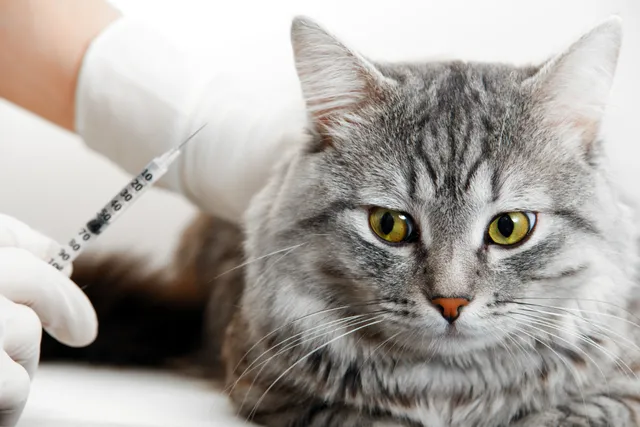
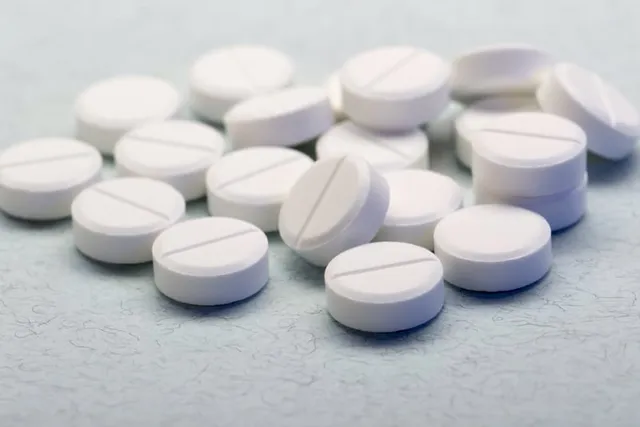
The main steroids used in cats are prednisolone, dexamethasone, and Depo-Medrol. These similar medications come in both a tablet and injectable form, with the tablet needing to be taken more frequently and the injection tending to last for the long term.
Along with treating inflammation and controlling the immune system, steroids can also reduce the ability of the hormone insulin to move glucose from the blood into the tissues of the body. This can raise blood glucose levels.

What Is Diabetes?
Diabetes is a disease that results when a body doesn’t respond to insulin properly. Insulin’s main function is to take glucose from the blood and move it into the tissue cells, where it can be used for energy. If the ability of insulin to do this is impaired, the tissues don’t receive the energy that they require and have to look elsewhere to find it instead, breaking down fat and protein to get what they need.
Major risk factors for developing diabetes in cats are:
Can Steroids Trigger Diabetes?
Diabetes can occur in one of two ways: Either the body doesn’t produce enough insulin in the pancreas, or the tissues don’t respond correctly to insulin, a condition known as insulin resistance. Steroids negatively affect the insulin receptors on the cells of the body tissue, basically making it so insulin can’t activate its own receptors that open the door to let glucose into the cells.
This can be a real problem, especially if steroids get a chance to cause this resistance on multiple tissues throughout the body. This usually takes repeated or high-frequency steroid doses or high levels of steroids to create full-blown diabetes. So, the injections of Depo-Medrol to help your asthmatic kitty breathe easier or the multiple courses of prednisolone to control their itchy skin may increase the chance that they develop diabetes later.
That’s not to say that one dose or course of steroids can’t do the same thing, though, especially in cats that are already predisposed to diabetes (overweight, inactive, older male cats, etc.). For these kitties and those with full-blown diabetes, steroid use should be restricted.

Can Steroid-Induced Diabetes in Cats Be Reversed?
Diabetes is a multifactorial disease, meaning that there’s more than one issue at play. So, if a kitty is pushed over the diabetic edge by a course of steroids, getting them back to their prediabetic state often takes more than just removing the steroids. But it’s still a good start.
Cats with steroid-induced diabetes can be treated first and foremost by stopping steroid use. For some cats, especially those in the early phases, this may be enough. However, many cats may also need dietary changes and insulin therapy to see improvements.
Frequently Asked Questions
How Long Can Cats Be on Steroids?
If your cat is prescribed more than a few months of steroids, you may need to have them reexamined to be sure this is the best method of treatment. That said, this mainly goes for steroids that you give frequently, such as every other day. Long-lasting injectable types can often be used for longer than a few months if they are given less frequently, such as once a month or less often, especially in lower doses.
What Are Other Common Side Effects of Steroids in Cats?
Cats that are receiving steroids may drink more, pee more, and eat more. If you give into their begging for food, they may also gain weight. Cats on steroids may become lethargic and have a harder time healing wounds or fighting off infections.
What Can Be Done to Prevent Steroid-Induced Diabetes in Cats on Steroids?
When your vet prescribes steroids to any cat, they carefully weigh the risks versus the benefits. For most healthy cats, a short course of steroids is unlikely to have ill effects and may be greatly beneficial. However, for cats that are overweight, seniors, or those that have received steroids in the past, an alternative treatment may be better.
Keeping your cat at a healthy body weight and getting them regular exercise and veterinary care are vital for reducing the risk of diabetes and many other illnesses.
In Conclusion
Steroids are commonly used in veterinary medicine because they can help with various conditions. However, steroids do have the potential to cause diabetes, especially in cats that are already predisposed to it and more so with long-term or high-dose administration. Fortunately, steroid-induced diabetes can be reversed if prompt and proper treatment is started.
Sources
Featured Image Credit: Tyler Olson, Shutterstock
Expert cat care, straight to your inbox
News, insights, and useful advice, delivered to you.

No spam — unsubscribe anytime.
By signing up, you agree to our Terms & Conditions and Privacy & Cookies Policy.
How useful was this post?
Click a star to rate. You can leave written feedback afterwards. (We read all feedback.)
Dr. Chyrle Bonk DVM (Veterinarian)
On top of healing animals and writing for veterinary publications, Dr. Chyrle Bonk owns a small cattle herd! When she’s not busy with those things, she can be found somewhere in the Idaho outdoors with her husband and two kids.
Chyrle has practiced in a mixed animal clinic for over 10 years. She also writes for various veterinary websites and magazines, like Catster!
Dr. Chyrle Bonk received her Doctor of Veterinary Medicine (DVM) from Oregon State University in 2010.